
Low Income Senior Housing Iowa City


Moen 18 Inch Shower Grab Bar

REHAND Walking Cane - Foldable, Adjustable, Collapsible

Fixodent Complete Denture Adhesive Cream, Original, 2.4 oz (3-Pack)
Finding low income senior housing in Iowa City can feel overwhelming, but you’re not alone. With rising costs of living and fixed incomes, many seniors struggle to afford safe, comfortable homes. Fortunately, Iowa City offers several affordable housing programs, government assistance options, and nonprofit support designed specifically for older adults on limited budgets. This guide walks you through everything you need—from eligibility rules to application tips—so you can make informed decisions and find a place that feels like home.
Finding a safe, affordable place to live as a senior shouldn’t depend on how much money you make—but too often it does. In Iowa City, where property values and rental prices continue to rise, many low-income seniors face difficult choices: pay more for housing than they can comfortably afford, move away from family and familiar surroundings, or live in isolation without reliable transportation or medical care nearby. The good news? There are real solutions. From federally funded apartment complexes to state-supported housing vouchers and nonprofit-run retirement communities, Iowa City offers a growing network of low income senior housing options designed to help older adults age with dignity, independence, and peace of mind.
Whether you’re newly retired, living on Social Security alone, or managing chronic health conditions on a tight budget, understanding your options is the first step toward stable housing. This comprehensive guide breaks down every resource available in and around Iowa City so you can navigate the system confidently—knowing exactly where to apply, what documents you’ll need, and how to advocate for yourself throughout the process.
Key Takeaways
- Multiple Housing Types Available: Low income senior housing in Iowa City includes subsidized apartments, Section 202 housing, and HUD-assisted units tailored for those 62+.
- Eligibility Based on Income & Age: Most programs require applicants to be at least 62 years old and have income below 50% of area median levels—check current thresholds before applying.
- Waitlists Are Common: Popular housing options often have long waiting periods; registering early increases your chances of securing a unit.
- Support Services Included: Many affordable senior communities offer meals, transportation, health screenings, and social activities at no extra cost.
- Local Resources Help Navigate Options: Contact the Johnson County Area Agency on Aging or Senior Housing Solutions for personalized guidance and application support.
- Renewals Required Annually: Maintain compliance with income limits and lease terms to keep your housing subsidy active year after year.
- Explore Nearby Cities Too: If Iowa City waitlists are full, consider similar programs in Cedar Rapids or Davenport as backup options.
📑 Table of Contents
- Understanding Low-Income Senior Housing in Iowa City
- How to Apply for Low-Income Senior Housing in Iowa City
- Top Low-Income Senior Housing Options in Iowa City
- Beyond Rent: Additional Benefits for Seniors
- Tips for Maximizing Your Chances
- Planning for the Future: What Happens After You Move In?
- Exploring Alternatives When Iowa City Is Full
- Conclusion: You Deserve Dignified, Affordable Living
Understanding Low-Income Senior Housing in Iowa City
Low-income senior housing refers to subsidized residential options specifically intended for adults aged 62 and older who earn less than 50% of the local area median income (AMI). These programs are primarily funded by federal agencies like the U.S. Department of Housing and Urban Development (HUD) and administered locally through partnerships with nonprofits and property managers. Unlike market-rate rentals, these units come with rent controlled by income level rather than fluctuating with the open market—often costing just $200–$600 per month even though fair-market rents in Iowa City can exceed $1,200.
What makes this type of housing unique is its focus on accessibility and support. Residents typically gain access to essential services such as meal programs, wellness checks, mobility assistance, and organized social events—all within walking distance or via included transportation. For seniors facing physical limitations, financial hardship, or social isolation, these communities aren’t just places to sleep—they become lifelines.
Types of Affordable Senior Housing Programs
Not all low-income senior housing looks the same. In Iowa City and surrounding Johnson County, you’ll find several distinct models:
- Section 202 Supportive Housing: Built and maintained by private developers under HUD contracts, these properties provide deeply discounted rent to qualifying seniors. Units usually include one or two bedrooms, kitchenettes, and shared common areas. Amenities vary but commonly feature laundry facilities, community rooms, and on-site management.
- Public Housing Apartments: Managed directly by the Iowa City Housing Authority, these units serve households earning up to 80% of AMI. While wait times can stretch over a year, public housing offers consistent subsidies and minimal tenant responsibilities beyond basic maintenance.
- Voucher-Based Rent Assistance: Through HUD’s Housing Choice Voucher program (formerly Section 8), eligible seniors receive monthly payments that cover most of their rent directly to landlords. This gives residents flexibility to choose any privately owned apartment accepting vouchers—not just designated low-income housing.
- Nonprofit Senior Communities: Organizations like Mercy Housing or Lutheran Services operate purpose-built senior villages offering studio, one-, or two-bedroom units at reduced rates. These sites often integrate wellness centers, group dining, and volunteer-driven programming.
Each model has different application processes, occupancy rules, and service offerings—so matching your lifestyle needs with the right structure is key.
Who Qualifies for Low-Income Senior Housing?
Eligibility hinges on three main factors: age, income, and residency status. To qualify for nearly all programs in Iowa City, applicants must be:
- At least 62 years old (some exceptions exist for disabled individuals under 62)
- Residing in Iowa (typically proof of ID or utility bill required)
- Household income below 50% of Johnson County’s median—for example, if your household of one earns over $34,000 annually (as of 2024 estimates), you likely won’t meet income caps
It’s important to note that assets (like savings accounts or car value) may also factor into certain assessments, though many programs prioritize income over liquid wealth. Veterans with disabilities might qualify for additional benefits through VA Aid and Attendance allowances, which can raise income thresholds.
How to Apply for Low-Income Senior Housing in Iowa City
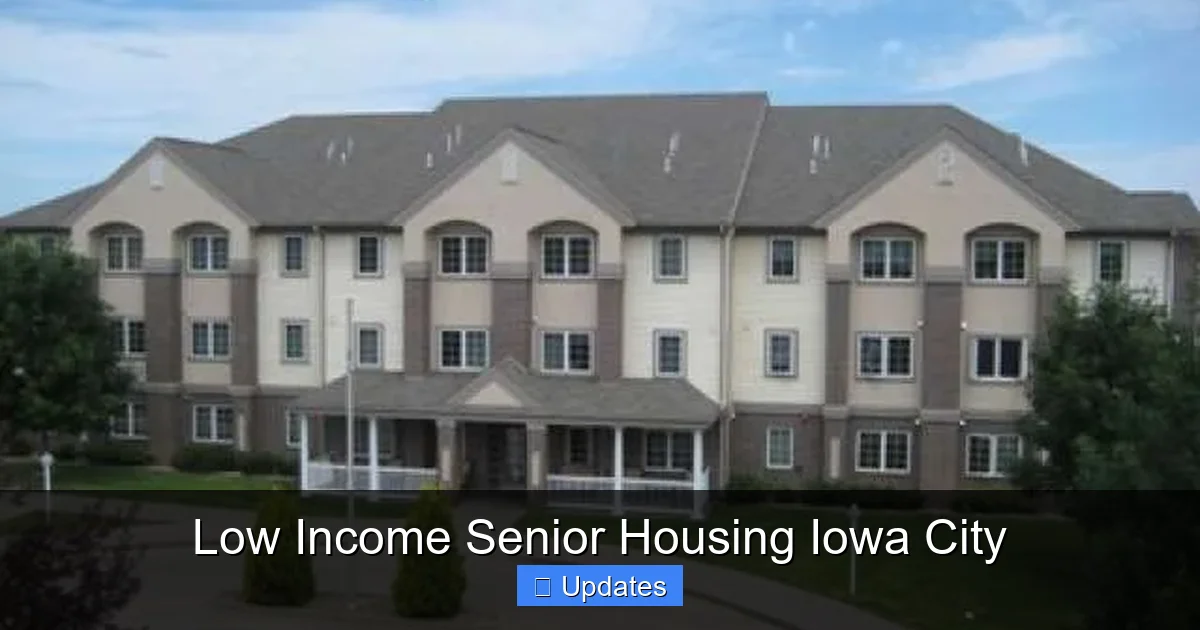
Visual guide about Low Income Senior Housing Iowa City
Image source: lowincomehousing.us
The application journey starts long before you see an empty unit. Most reputable low-income senior housing programs operate waitlists due to high demand—sometimes stretching 18 months or more. That’s why timing matters. Begin gathering documents and registering as soon as possible, ideally when you turn 60 or anticipate becoming financially strained.
Here’s what to expect:
Gather Required Documentation Early
Before submitting any forms, collect these essentials:
- Government-issued photo ID (driver’s license or passport)
- Proof of age (birth certificate)
- Recent tax returns or pay stubs showing annual income
- Bank statements from the last 90 days
- Social Security award letters or benefit verification
- Rent history from previous landlord(s)
- Medical records (if applying due to disability)
Keep copies of everything—digital scans work fine—and store them securely. Some applications require original documents, so don’t discard anything until confirmed complete.
Register for Waitlists Strategically
Never rely on a single source. Apply to multiple programs simultaneously:
- Submit applications to both Iowa City Housing Authority and Mercy Housing networks
- Check with Johnson County Human Services for voucher referrals
- Inquire about “preferred” or “priority” lists for seniors with mobility issues or chronic illness
Pro tip: Call each organization monthly to confirm your application status. Staff turnover and data entry errors mean your file could slip through the cracks.
Attend Interviews and Home Visits
If selected from the waitlist, expect a brief interview followed by a home visit (usually conducted by a caseworker). They’ll verify income claims, assess living conditions, and ensure the unit meets safety codes. Be honest about your needs—this helps match you with appropriate support services later.
Top Low-Income Senior Housing Options in Iowa City
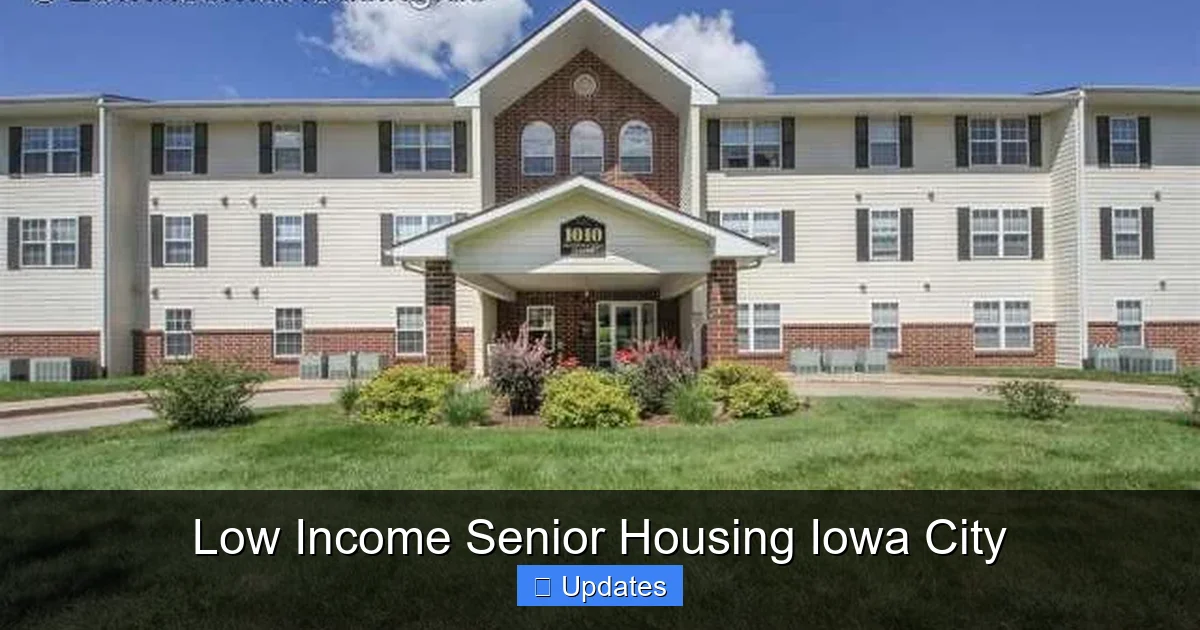
Visual guide about Low Income Senior Housing Iowa City
Image source: lowincomehousing.us
While exact availability changes frequently, here are currently active programs serving low-income seniors in the area:
Iowa City Housing Authority (ICHA)
The city’s official public housing provider maintains several senior-focused developments:
- Cedar Ridge Commons: Sixteen one-bedroom units for ages 62+, featuring emergency call systems, wheelchair ramps, and weekly housekeeping. Monthly rent averages $450.
- Parkview Towers: Twelve two-bedroom units with kitchenettes, shared dining room, and van-accessible transportation to downtown clinics. Priority given to veterans.
Contact ICHA at (319) 338-2000 or visit their office at 220 E Washington St to begin the pre-screening process.
Mercy Housing Iowa
This national nonprofit operates affordable senior housing across Iowa, including two sites in Iowa City:
- The Meadows at Oakcrest: Thirty-five studio and efficiency units with ADA-compliant bathrooms, community kitchen, and fitness center. Rent based on income (typically $200–$500/month).
- Sunrise Village: Twenty-four one-bedroom apartments near Mercy Hospital, offering medication reminders and nurse liaison services.
Applications accepted year-round via Mercy Housing’s online portal or walk-in appointments every Tuesday afternoon.
Johnson County Area Agency on Aging (JCAOA)
Though not a landlord, JCAOA acts as a critical referral hub. Their certified aging-in-place coordinators help seniors explore every option—including reverse mortgages, utility assistance, and home modifications—before committing to long-term housing. Call (319) 337-2222 or email [email protected] for a free assessment.
Beyond Rent: Additional Benefits for Seniors
Visual guide about Low Income Senior Housing Iowa City
Image source: i.ytimg.com
Low-income senior housing isn’t just about shelter. Many programs bundle in valuable extras:
Transportation Services
Struggling to get to doctor appointments or grocery stores? Look for housing with scheduled shuttle buses. At Parkview Towers, residents ride free to UnityPoint Health every weekday morning. Others partner with local ride-share companies like Lyft or Volunteer Transportation Center for discounted fares.
Meal Programs
Nutrition is vital for healthy aging. Several communities host communal lunches Monday–Friday. Sunrise Village even provides grab-and-go breakfasts for residents with early appointments.
Health and Wellness Support
Regular check-ins reduce hospital readmissions. The Meadows at Oakcrest employs a part-time nurse who assists with medication management and coordinates specialist visits.
Social Connection
Isolation accelerates cognitive decline. Expect bingo nights, gardening clubs, art classes, and seasonal outings—all designed to build friendships and combat loneliness.
Tips for Maximizing Your Chances
Even with perfect paperwork, competition remains fierce. Follow these strategies to stand out:
- Update Contact Info Immediately: Missed calls or unopened emails delay processing. Provide both landline and cell numbers.
- Volunteer Locally: Many nonprofits give preference to applicants who contribute time—especially if you lack digital literacy skills.
- Leverage Veteran Benefits: If you served in any capacity, contact the Iowa City VA Clinic about housing grants.
- Ask About “Frail Elderly” Waivers:: Some programs fast-track applicants with documented disabilities affecting daily living.
- Network with Current Residents:: Word-of-mouth referrals sometimes bypass formal waitlists. Attend community events and strike up conversations.
Remember: persistence pays off. One resident secured housing after waiting 22 months—but kept calling weekly and eventually got lucky during a vacancy surge.
Planning for the Future: What Happens After You Move In?
Securing housing is only half the battle. Annual recertifications ensure continued eligibility. Expect staff to request updated financial records each fall. Failure to comply risks losing your spot—even temporarily.
Also plan for emergencies. Keep a list of emergency contacts posted near your phone. Know who to call if plumbing fails or utilities get shut off. Most buildings assign a “buddy neighbor” system for mutual aid during crises.
Finally, stay engaged. Participate in resident councils, vote on facility improvements, and share feedback respectfully. Your voice shapes the community experience.
Exploring Alternatives When Iowa City Is Full
Don’t assume you’re stuck in one location. Consider neighboring cities with shorter waitlists:
- Cedar Rapids: Offers larger inventory of HUD-subsidized senior housing; average wait ~14 months.
- Davenport: Quad Cities region has robust Section 8 programs; cross-county vouchers often transfer smoothly.
You might also look into rural options within commuting distance—though transportation access becomes crucial. Alternatively, explore co-housing models or caregiver-sharing arrangements through platforms like SeniorLiving.org.
Conclusion: You Deserve Dignified, Affordable Living
No senior should face homelessness or overcrowding simply because they worked hard their whole life. The landscape of low income senior housing in Iowa City continues evolving—with new funding streams, innovative designs, and stronger community ties emerging yearly. By starting early, staying proactive, and leaning on trusted resources like JCAOA or Mercy Housing, you dramatically increase your odds of finding not just shelter, but sanctuary.
Take that first step today. Call (319) 337-2222. Download an application packet. Attend a virtual open house. Your future self will thank you for taking action now.
Frequently Asked Questions
What is the minimum age requirement for low income senior housing in Iowa City?
Most programs require applicants to be at least 62 years old. Some exceptions exist for disabled individuals under 62 who can demonstrate need due to medical conditions affecting daily living.
How do I know if my income qualifies for low income senior housing?
Applicants must earn less than 50% of Johnson County’s area median income. As of 2024, this threshold is approximately $34,000 annually for a single person. Household size adjustments apply for couples or families.
Are there waitlists for low income senior housing in Iowa City?
Yes, popular programs like Cedar Ridge Commons and The Meadows at Oakcrest maintain waitlists often lasting 12–24 months. Registering early significantly improves your chances once a unit opens.
Can I bring my pet to low income senior housing?
Policies vary by building, but many modern senior communities welcome small pets with weight restrictions and breed limitations. Always ask about pet fees, liability insurance requirements, and designated outdoor spaces during tours.
Does low income senior housing include utilities?
Utility inclusion depends on the specific program. Some packages bundle water/sewer and trash removal, while others require tenants to manage electric, gas, and internet independently. Review lease agreements carefully before signing.
What should I do if I miss my annual recertification deadline?
Contact your housing manager immediately to explain circumstances. Late submissions may result in temporary suspension of benefits pending review. Having documentation proving extenuating circumstances (e.g., hospitalization) helps prevent eviction.