
Low Income Senior Housing in Kissimmee Fl


Reading Light for Bed

Non-Slip Bathroom Mat

Upright Walker
Finding low income senior housing in Kissimmee, FL can be a lifeline for older adults on fixed incomes. These supportive communities offer safe, affordable living with access to healthcare, meals, and social activities. With rising living costs, knowing where to look—and how to qualify—can make all the difference for your golden years.
As we age, maintaining independence and dignity becomes more important than ever. For many seniors in Florida—especially those living on fixed incomes like Social Security—finding affordable, safe, and supportive housing is not just a preference; it’s a necessity. In Kissimmee, Florida, a growing number of older adults are seeking out low income senior housing in Kissimmee Fl that balances affordability with comfort, accessibility, and community.
The good news? There are real options available. From federally funded apartments to nonprofit-run residences, Kissimmee and surrounding Osceola County offer several paths toward dignified senior living. But with limited spots, complex application processes, and sometimes lengthy waiting lists, knowing where to start—and what to expect—is key.
In this guide, we’ll walk you through everything you need to know about finding, qualifying for, and thriving in low-income senior housing in Kissimmee. Whether you’re relocating, helping a loved one, or simply planning ahead, this comprehensive resource will give you clarity, confidence, and actionable steps.
Key Takeaways
- Affordable Options Exist: Several subsidized senior housing communities in Kissimmee provide rent based on income, often well below market rates.
- Eligibility Matters: Most programs require applicants to be 62+ and meet income limits set by HUD or local agencies.
- Waiting Lists Are Common: Due to high demand, many low-income senior housing units have long wait times—apply early and stay persistent.
- Support Services Included: Many facilities offer meals, transportation, wellness programs, and social events tailored for seniors.
- Application Process Is Detailed: Be prepared with financial documents, medical records, and proof of residency when applying.
- Nonprofits and Agencies Can Help: Local senior centers and case managers assist with applications and navigating available resources.
- Explore Nearby Alternatives: If Kissimmee is full, consider nearby Osceola County communities or state-funded programs in Orlando or Daytona Beach.
📑 Table of Contents
- What Is Low-Income Senior Housing?
- Types of Low-Income Senior Housing in Kissimmee
- How to Qualify for Low-Income Senior Housing in Kissimmee
- Top Low-Income Senior Housing Options in and Around Kissimmee
- Applying for Low-Income Senior Housing: Step-by-Step Guide
- Benefits Beyond Rent Savings
- Common Challenges and How to Overcome Them
- Resources to Help You Navigate the System
- Planning Ahead: What to Do Now
- Final Thoughts
What Is Low-Income Senior Housing?
Low-income senior housing refers to government-assisted or nonprofit-developed living spaces designed specifically for adults aged 62 and over who earn below certain income thresholds. These communities prioritize affordability while offering safe environments, basic services, and often opportunities for social engagement.
Unlike regular retirement homes or luxury assisted living facilities, these properties receive funding from sources like the U.S. Department of Housing and Urban Development (HUD), the Florida Housing Finance Corporation, or private donors. As a result, monthly rent is typically calculated as a percentage of the resident’s income—not market value—making them accessible to seniors who might otherwise struggle to pay rent.
In Kissimmee, this type of housing isn’t just theoretical—it’s real, tangible, and life-changing for hundreds of Floridians each year.
Types of Low-Income Senior Housing in Kissimmee
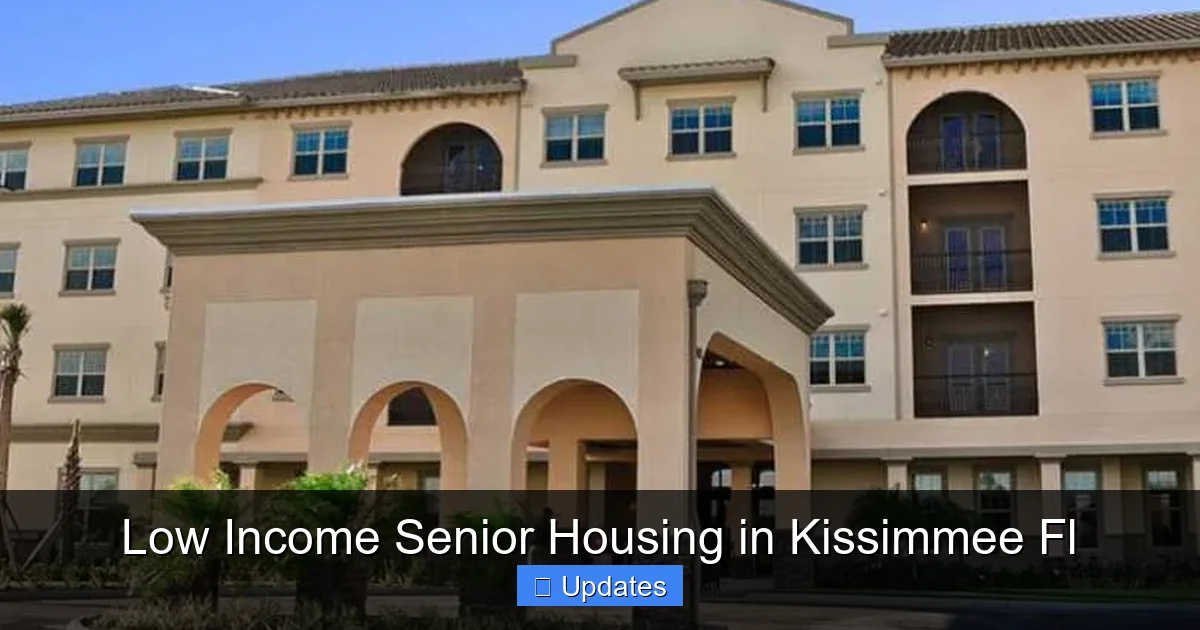
Visual guide about Low Income Senior Housing in Kissimmee Fl
Image source: lowincomehousing.us
Kissimmee offers several models of affordable senior living. Understanding the differences can help you choose the best fit for your needs.
Public Housing Apartments
Administered by local Public Housing Authorities (PHAs), these units are owned by the government but managed by private landlords under strict HUD guidelines. Residents pay 30% of their adjusted gross income toward rent, and the PHA covers the rest via subsidies.
One example near Kissimmee is the Osceola County Housing Authority, which oversees multiple senior-only developments. While availability fluctuates, they often maintain active waiting lists.
Section 202 Supportive Housing
Funded by HUD, Section 202 properties provide deeply subsidized rent for very-low-income seniors (typically households earning at or below 50% of area median income). These complexes usually include supportive services such as meal delivery, housekeeping, transportation assistance, and wellness checks.
While not all Section 202 buildings are in Kissimmee proper, some are located in nearby unincorporated Osceola County or within easy driving distance. It’s worth checking statewide listings if local options are full.
Nonprofit & Faith-Based Communities
Organizations like the Salvation Army, Catholic Charities, and local faith groups operate affordable senior housing with mission-driven care. These may include congregate living (shared kitchens and dining areas) or studio/apartment-style units.
For instance, St. Cloud-based nonprofits occasionally partner with Kissimmee-area developers to create transitional or permanent housing for seniors experiencing homelessness or financial hardship.
Continuing Care Retirement Communities (CCRCs)
Some CCRCs in Central Florida offer tiered pricing structures that include low-income options. While traditionally associated with higher upfront fees, certain sliding-scale CCRCs allow qualified seniors to begin at entry-level rates and adjust as circumstances change.
These are less common in Kissimmee but may be found in neighboring cities like Celebration or St. Cloud.
How to Qualify for Low-Income Senior Housing in Kissimmee
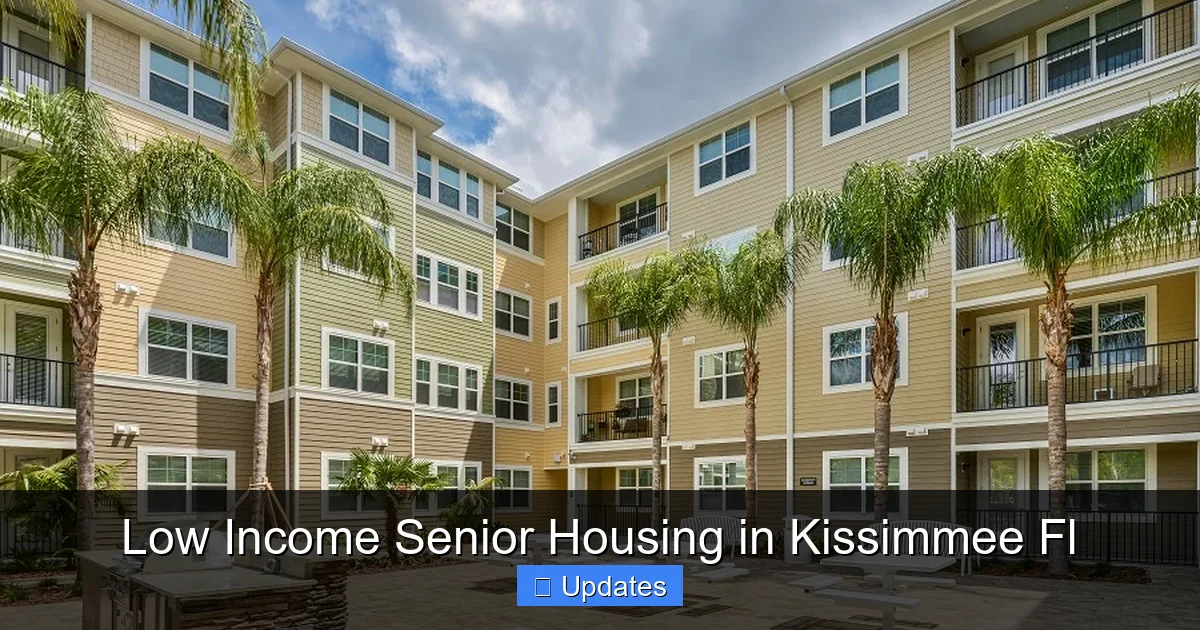
Visual guide about Low Income Senior Housing in Kissimmee Fl
Image source: lowincomehousing.us
Qualifying involves meeting both age and income requirements, plus passing background and financial checks.
Age Requirement
All applicants must be at least 62 years old. Some exceptions exist for surviving spouses under 62, disabled individuals regardless of age, or veterans with service-connected disabilities.
Income Limits
Income limits vary by program and household size. For most Kissimmee-area HUD-subsidized housing, a single senior may qualify if their annual income falls below $35,000–$40,000 (depending on family size and inflation adjustments). A couple would typically need to earn less than double that amount.
To calculate whether you qualify:
– Add up all pre-tax income sources: Social Security, pensions, part-time work, investment returns.
– Subtract allowable deductions (e.g., medical expenses over 10% of AGI).
– Compare the result to current HUD income ceilings for Osceola County.
You can find official numbers on HUD’s website or by calling the Osceola County Housing Authority directly.
Background and Residency Checks
Applicants undergo credit, criminal history, and eviction record reviews. Minor offenses (like a past DUI) may disqualify someone, especially if they suggest ongoing risk to other residents.
Residency in Florida is generally required, though some programs accept recent movers if they can prove intent to remain in-state long-term.
Top Low-Income Senior Housing Options in and Around Kissimmee

Visual guide about Low Income Senior Housing in Kissimmee Fl
Image source: lowincomehousing.us
While exact availability changes frequently, here are some verified or commonly referenced options as of 2024:
The Villages at Lake Hart
Located just east of downtown Kissimmee, this HUD-assisted complex offers one- and two-bedroom units for seniors earning up to 60% of area median income. Amenities include a community room, scheduled transportation, and weekly meal programs. Contact: Osceola County Housing Authority at (407) 846-1100.
Sunset Gardens Apartments
Managed by a nonprofit developer, Sunset Gardens provides affordable senior housing in a quiet neighborhood near US-17/92. Rent is based on income, and the property includes emergency call systems and on-site maintenance. Waitlist status varies seasonally.
Osceola Senior Village (Proposed)
A new development currently in permitting stages aims to deliver 100+ low-income units specifically for Osceola County elders. Expected completion: late 2026. Keep an eye on county announcements.
Alternatives in Adjacent Cities
If Kissimmee is full, consider:
– St. Paul Mn: Though far from Florida, this article offers useful tips applicable nationwide.
– Orlando’s Orange County Housing Authority maintains several senior complexes with shorter waitlists than Kissimmee.
– Daytona Beach has newer HUD properties with faster move-ins.
Always verify current availability before traveling to apply.
Applying for Low-Income Senior Housing: Step-by-Step Guide
The application process can feel overwhelming, but breaking it into steps makes it manageable.
Gather Required Documents
Prepare these before contacting any property:
– Birth certificates or passports (for age verification)
– Proof of Social Security benefits or pension statements
– Recent bank statements and tax returns
– Medical documentation (especially if claiming disability exemptions)
– Lease agreements or utility bills (to prove Florida residency)
Complete the Application Form
Most applications are now digital. Visit the developer’s website or the local PHA portal. Fill out all fields carefully—errors delay processing.
Submit Supporting Materials
Upload scanned copies or mail originals as requested. Include letters from doctors, employers, or clergy if needed for special considerations.
Attend an Interview (If Required)
Some properties schedule brief interviews to discuss preferences (floor level, pet policy, etc.) and answer questions.
Wait for Notification
Processing takes 30–90 days. If approved, you’ll receive an invitation to sign a lease. If denied, ask for a written explanation and explore appeal options.
Move-In Preparation Tips
– Budget for first-month rent plus security deposit (often waived for seniors on fixed income).
– Pack essentials only—many units come furnished.
– Introduce yourself to neighbors and staff; building relationships improves quality of life.
Benefits Beyond Rent Savings
Low-income senior housing in Kissimmee isn’t just cheaper—it’s richer in support.
Social Engagement Opportunities
From bingo nights to book clubs, these communities foster connections that combat isolation—a major health risk for seniors.
Access to Healthcare
Many sites partner with mobile clinics or host on-site nurse visits. Transportation services also help residents attend doctor appointments without relying on family or expensive rideshares.
Security and Peace of Mind
Emergency response systems, gated entrances, and 24/7 front desk coverage provide reassurance, especially for those living alone.
Meal Programs
Daily hot meals or meal vouchers reduce food insecurity and ensure balanced nutrition—critical for chronic condition management.
Common Challenges and How to Overcome Them
Despite its benefits, securing low-income senior housing comes with hurdles.
Long Waiting Lists
Solution: Apply to multiple properties simultaneously. Also, check for “portability” agreements—some PHAs let you transfer your place on the list if you relocate temporarily.
Limited Availability
Solution: Consider shared housing arrangements (two seniors splitting rent in one unit) or cohousing models where residents pool resources.
Complex Paperwork
Solution: Enlist help from a senior advocate, Area Agency on Aging representative, or legal aid clinic. Volunteers often assist with forms at local libraries or senior centers.
Location Trade-offs
Some affordable units are in less desirable neighborhoods. Prioritize safety features (lighting, surveillance) over aesthetics when evaluating options.
Remember: persistence pays off. Many seniors report landing housing after reapplying every six months as vacancies arise.
Resources to Help You Navigate the System
You don’t have to do this alone.
Osceola County Area Agency on Aging
Call (407) 846-5000 or visit their office at 25 W. Vine St., Kissimmee. They offer free case management, application assistance, and referrals.
Florida Housing Finance Corporation
Website: floridahousing.org. Use their “Find Affordable Housing” tool to search statewide by zip code and criteria.
United Way of Central Florida
Dial 211 from any phone—it connects callers to local housing counselors, food pantries, and utility assistance programs.
Legal Aid Society of Mid-Florida
Provides pro bono help with housing disputes, discrimination claims, and eligibility appeals. Schedule intake at (407) 841-7650.
Faith-Based Outreach Programs
Churches and temples often host “senior resource fairs” twice yearly. Bring your documents and ask questions!
Planning Ahead: What to Do Now
Even if you’re not ready to move tomorrow, starting early increases your chances dramatically.
Create a Housing Folder
Keep all documents in one place—digital or physical—organized alphabetically.
Visit Potential Properties
Walk around neighborhoods during daytime hours. Talk to current residents about pros/cons.
Practice Your Elevator Pitch
Be ready to explain why you need help, how long you plan to stay, and what you bring to the community (e.g., gardening skills, tech savviness).
Stay Informed
Subscribe to newsletters from the Osceola County Housing Authority or Florida Housing Finance Corporation. Vacancies are announced via email alerts.
Consider Temporary Solutions
If immediate placement isn’t possible, look into subsidized hotel stays through emergency shelter programs or short-term rental assistance grants.
Final Thoughts
Finding low income senior housing in Kissimmee Fl may seem daunting, but it’s absolutely achievable with the right knowledge and support. The system is designed to help, not hinder—but it requires patience, preparation, and proactive effort.
Remember, affordable doesn’t mean inadequate. Today’s low-income senior housing communities are vibrant, welcoming places where people thrive, not merely survive. With access to nutritious food, reliable transportation, medical support, and meaningful friendships, seniors in Kissimmee can enjoy their later years with pride and purpose.
Start small: gather one document today, make one phone call tomorrow, and take that first step toward stable, dignified housing. Your future self—and your loved ones—will thank you.
Frequently Asked Questions
How much does low-income senior housing cost in Kissimmee?
Monthly rent is typically 30% of your monthly income, not market rate. For a senior earning $2,500/month, rent would be around $750. Some programs cap rent even lower for extremely low-income households.
Are pets allowed in low-income senior housing?
Pet policies vary by property. Many allow small dogs or cats with breed/size restrictions and a refundable pet deposit. Service animals are always permitted under fair housing laws.
Can I bring my grandchild to live with me?
Generally no—most senior housing is restricted to occupants aged 62+. Exceptions exist for caregivers of minor grandchildren in rare cases, but these require special approval and documentation.
What if I lose my job or benefits mid-year?
Notify the housing authority immediately. Income-based rent adjusts automatically when your income drops, potentially lowering your payment significantly.
Is there help paying utilities in low-income senior housing?
Some properties include utilities in rent; others offer partial subsidies through programs like LIHEAP (Low Income Home Energy Assistance Program). Ask about utility allowances during application.
How long do waiting lists take to get through?
Typically 6–24 months, depending on demand and vacancy frequency. Kissimmee’s lists are often longer due to population growth and limited supply. Applying to multiple locations increases your odds.
