
Low Income Senior Housing in Bradenton Fl


LED Magnifying Glass

Electric Food Chopper

Foot Massager Machine
Navigating low-income senior housing in Bradenton, FL, can feel overwhelming, but it doesn’t have to be. This guide breaks down everything you need to know, from eligibility requirements and available property types to practical application tips and local financial assistance programs. You’ll discover specific resources in Manatee County and learn how to secure a safe, affordable place to call home. Let’s make this important next step clear and manageable.
Let’s have a real talk about finding a place to live on a fixed income in Bradenton. You’ve worked hard, you’ve earned your peace, and the idea of spending a huge chunk of your Social Security check just on rent is stressful. The good news? Bradenton and the surrounding Manatee County have dedicated resources and communities specifically designed to help seniors like you find safe, comfortable, and affordable housing. It’s not always easy, and there are definitely forms and waiting lists, but knowing the landscape is your first and most powerful tool. This guide will walk you through it all, step by step, without the confusing jargon.
Key Takeaways
- Eligibility is primarily based on age and income: Most programs require residents to be 62+ or 55+ in designated communities, with household income typically below 50-60% of the Area Median Income (AMI) for Bradenton.
- Multiple housing types exist: Options include subsidized apartment communities (Section 202, 811), Tax Credit properties, and some public housing units, each with distinct application processes.
- The application process requires patience and documentation: Expect waiting lists. Prepare proof of age, income, assets, Social Security numbers, and identification for all household members well in advance.
- Rent is income-based, often 30% of adjusted gross income: Many properties also cover utilities, significantly reducing monthly costs. Understanding how your rent is calculated is key.
- Local resources are invaluable: The Manatee County Housing Authority and non-profits like the Area Agency on Aging provide direct assistance and guidance through the search and application maze.
- Community and amenities matter: Beyond cost, consider location, accessibility, included services (like transportation or meals), and the social environment to ensure a good quality of life.
- Start your search early and be proactive: Contact properties directly, get on multiple waiting lists, and stay on top of required paperwork to improve your chances.
📑 Table of Contents
- Understanding the Need and the Landscape in Bradenton
- Types of Low-Income Senior Housing Available
- Eligibility Requirements: Do You Qualify?
- The Application Journey: A Step-by-Step Guide
- Costs, Financial Assistance, and What to Expect
- Bradenton-Specific Resources and Communities
- Making the Right Choice: Beyond the Rent
- Conclusion: Your Next Steps Start Now
Understanding the Need and the Landscape in Bradenton
Bradenton, Florida, is a popular destination for retirees seeking a warm climate and a slower pace. This popularity, however, has put pressure on the housing market. For seniors living on Social Security, pensions, or limited savings, finding housing that costs less than 30% of their income can be a major challenge. That’s where low-income senior housing comes in. These aren’t just “apartments.” They are communities, often with added support services, designed to provide stability and dignity for older adults with modest means.
The Federal and Local Safety Net
Programs at the federal level, like the Department of Housing and Urban Development (HUD), provide the funding backbone. Locally, the Manatee County Housing Authority (MCHA) is your primary operational partner. They administer vouchers and oversee properties. Additionally, non-profit developers build and manage properties using federal tax credits and grants. The goal is to create a mixed-income environment where seniors can age in place without financial terror. It’s a partnership between federal policy, local administration, and community-minded development.
Types of Low-Income Senior Housing Available
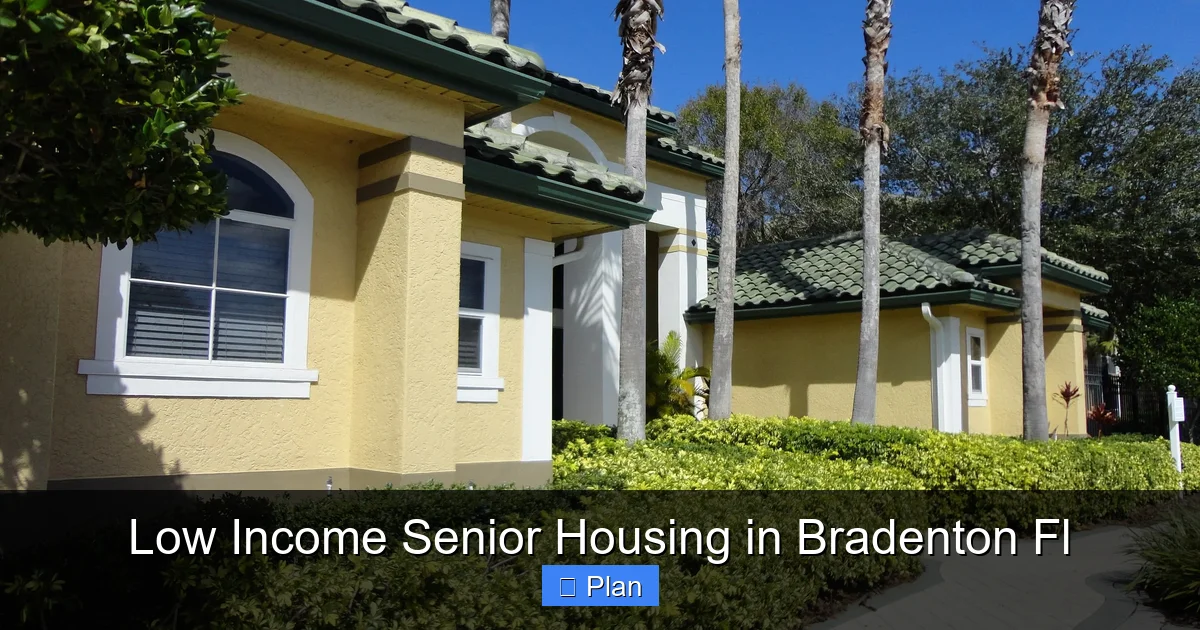
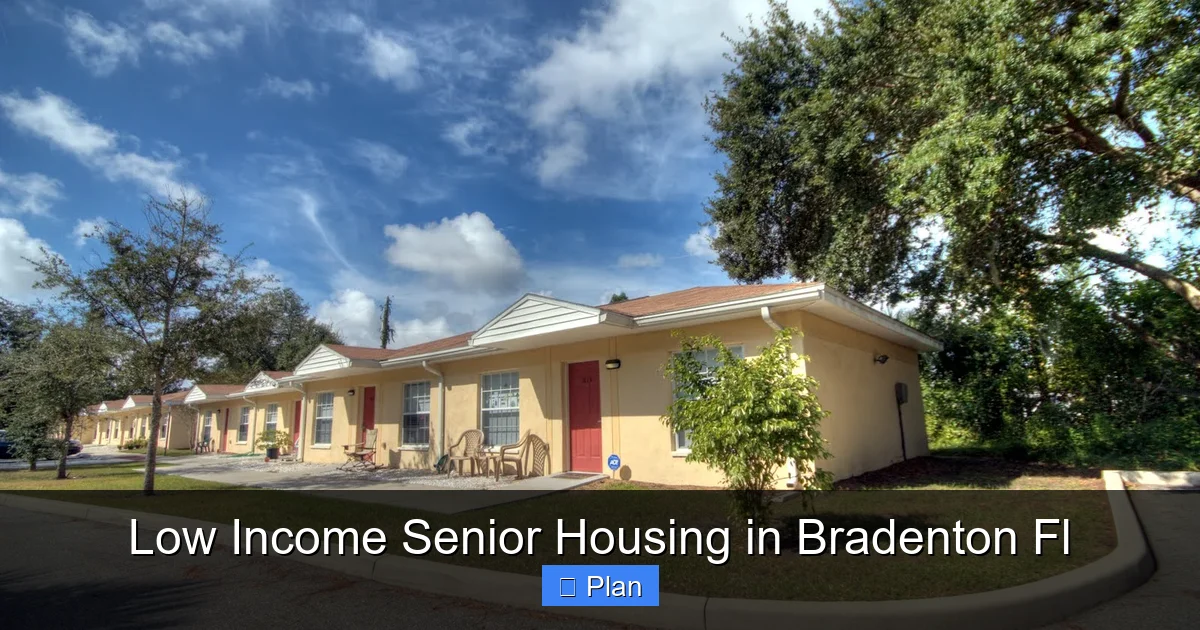
Not all affordable senior housing is the same. Understanding the differences helps you target your search effectively. Here are the main types you’ll encounter in the Bradenton area.
Visual guide about Low Income Senior Housing in Bradenton Fl
Image source: lowincomehousing.us
Subsidized Housing (Section 202 & 811)
These are apartment buildings built or rehabilitated with direct federal subsidies. Section 202 is for seniors 62 and older. Section 811 is for persons with disabilities, including seniors. The rent is strictly income-based, usually 30% of your adjusted gross income. These properties often have long waiting lists, but they offer the deepest subsidy. They are managed by non-profit organizations or private owners under contract with HUD. An example might be a community like Bradenton Towers (name used for illustrative purposes; always verify current status), which operates under a Section 202 contract.
Tax Credit Properties (LIHTC)
The Low-Income Housing Tax Credit program encourages private developers to build affordable units. In return for tax breaks, they set aside a percentage of apartments for households earning up to 50-60% of AMI. Rent is lower than market rate but may be slightly higher than in a fully subsidized Section 202 building. These properties look and feel more like market-rate apartments but with income limits. They are a significant part of the affordable stock in growing areas like Bradenton.
Public Housing for Seniors
Some units within traditional public housing developments are designated for seniors. These are managed directly by the Manatee County Housing Authority. Availability is limited, and the application goes through the MCHA’s centralized waiting list. The advantage is often a very low rent portion, but the communities may be mixed with families and may not have senior-specific amenities.
Mobile Home Parks & RV Communities
This is a crucial and sometimes overlooked segment. Many senior trailer parks in Florida are 55+ communities where you own your mobile home but lease the lot. The lot rent is typically much lower than a standard apartment lease. Bradenton has several such parks in the surrounding areas. This option offers homeownership with affordable ongoing costs, but you must consider the age and condition of the home itself and any park rules.
Eligibility Requirements: Do You Qualify?
This is the big question. The core requirements are straightforward but must be met precisely.
Visual guide about Low Income Senior Housing in Bradenton Fl
Image source: cdn.uslowcosthousing.com
- Age: Most properties require at least one occupant to be 55+ (for 55+ communities) or 62+ (for HUD-defined elderly housing). Some have a “head of household” age requirement.
- Income: Your total household income must fall below a certain threshold. This is calculated as a percentage of the Area Median Income (AMI) for the Bradenton-Sarasota-North Port area. For many programs, it’s 50% or 60% of AMI. For a one-person household in 2024, 50% of AMI is approximately $32,300. These numbers change annually. Always check the latest figures from HUD or the specific property.
- Assets: Some programs consider your assets (savings, stocks) but often with a high exclusion (e.g., the first $5,000-$15,000). This is part of determining your “adjusted gross income.”
- Citizenship/Immigration Status: You must be a U.S. citizen or have eligible immigration status.
- Criminal Background: Properties will conduct background checks. Certain felony convictions, especially related to drug activity or violence, can lead to denial.
Pro Tip: The process to how to qualify for low-income senior housing involves documenting every penny of income. Gather your most recent Social Security award letter, pension statements, bank statements, and tax returns before you start applying.
The Application Journey: A Step-by-Step Guide
Applying is a marathon, not a sprint. Here’s a realistic roadmap.
Visual guide about Low Income Senior Housing in Bradenton Fl
Image source: cdn.uslowcosthousing.com
Step 1: Research and Shortlist
Don’t just apply to one place. Use online tools like HUD’s apartment finder, the MCHA website, and senior-focused directories. Call properties to confirm current waiting list status and eligibility criteria. Create a spreadsheet with names, phone numbers, addresses, and notes on their specific requirements.
Step 2: Get on the Waiting Lists
This is the most critical step. If a property isn’t taking applications, ask if they have a “notification list” for when the waitlist reopens. When you apply, you will likely need to pay an application fee (usually $25-$50). Be prepared to fill out lengthy forms detailing your entire financial and personal history. Accuracy is paramount.
Step 3: Gather Your Documentation
Have a dedicated folder (physical and digital) with:
- Government-issued ID (Driver’s License or State ID) for all adults.
- Social Security cards for all household members.
- Birth certificates (sometimes required).
- Proof of all income sources (SSA-1099, bank statements showing direct deposit, pension letters).
- Recent tax returns.
- Bank and investment statements.
Having these ready allows you to submit complete packets immediately, which can move your application forward faster.
Step 4: The Interview and Verification
When your name nears the top of a list, the property manager will contact you for an interview. They will verify every piece of information you provided. They may request additional documentation. Be honest and thorough. This is your final verification before an offer is made.
Step 5: The Offer and Move-In
If approved, you’ll receive a lease offer. You’ll sign the lease, pay a security deposit (often one month’s tenant portion of rent), and schedule a move-in date. Before moving in, you may need to pay the first month’s rent. The property will conduct a unit inspection.
Costs, Financial Assistance, and What to Expect
Understanding the true cost is essential for budgeting.
How Rent is Calculated
In subsidized housing, your rent is not arbitrary. It’s typically 30% of your “adjusted gross income.” This means certain deductions are applied to your total income first, such as a standard deduction for elderly households and deductions for medical expenses if they exceed a certain percentage of your income. The property manager uses a HUD formula to calculate this. You will receive an annual recertification form to update your income and expenses, which may change your rent amount.
What’s Usually Included?
Many affordable senior communities include water, sewer, and trash in the rent. Some may include basic cable or internet. Electricity is almost always the tenant’s responsibility. Always ask during your tour: “What utilities are included in the rent?” This can make a huge difference in your monthly outlay.
Additional Financial Help in Manatee County
Beyond the housing subsidy itself, there are programs to help with other costs:
- LIHEAP: The Low-Income Home Energy Assistance Program helps pay electric bills. Contact the MCHA or the County’s Social Services division.
- Property Tax Deferrals: For homeowners, Florida offers programs to defer property taxes if you meet age and income criteria.
- Food Assistance: SNAP (food stamps) benefits can free up income for other expenses. Many seniors qualify but don’t apply.
- Transportation: Manatee County Area Transit (MCAT) has reduced-fare programs for seniors. Some senior housing communities also offer shuttle services.
For a broader look at financial aid, you can explore resources on help for low-income seniors that cover more than just housing.
Bradenton-Specific Resources and Communities
Here’s where the rubber meets the road. Who do you call, and where should you look?
Primary Point of Contact: Manatee County Housing Authority (MCHA)
This is your go-to agency. They manage the Section 8 Housing Choice Voucher program for the county (though the waitlist for new vouchers is often years long) and own/oversee some senior public housing units. Their website is the best source for current applications and waitlist openings. Always check their website first and consider completing an application for their centralized waitlist if they are open.
Local Non-Profit and Senior Service Organizations
- Area Agency on Aging of Southwest Florida (Manatee County): They are a powerhouse of information. Their specialists can provide a comprehensive list of affordable senior housing options, help with benefit applications (SNAP, Medicare Savings Programs), and offer guidance on navigating systems. Call their helpline.
- Meals on Wheels of Manatee County: While focused on nutrition, their staff and volunteers are deeply connected to the senior community and often know about housing openings and resources.
- Local Churches and Faith-Based Organizations: Some operate small senior housing facilities or have partnerships with larger properties. They may also have emergency rental assistance funds.
Notable Properties (Illustrative Examples)
While availability changes constantly, properties that have historically offered affordable senior units in the Bradenton area include complexes near downtown, in the West Bradenton area, and in the Palmetto vicinity. Names like Harbour Oaks, Sunset Village, or others may appear in searches. Do not assume a property currently has openings. You must call each one individually. Also, consider looking just outside the immediate city center in nearby towns like Palmetto or Ellenton, as affordable units can be dispersed throughout the county.
Making the Right Choice: Beyond the Rent
Finding an affordable unit is the first win. Making sure it’s the right *home* is the next.
Visit and Ask Questions
Never accept a unit sight-unseen. When you tour, look for:
- Accessibility: Are there steps? Are doorways wide enough for a walker? Are bathrooms equipped with grab bars (or can they be installed)? Is there good lighting?
- Safety: Is the neighborhood safe? Are there security features like controlled entry, good lighting in parking lots and hallways?
- Noise: Visit at different times of day. Is traffic loud? Are the neighbors quiet?
- Management: Do the staff seem friendly and responsive? Ask current residents (if you see any) how they feel about maintenance requests and management.
Consider the Full Package
A slightly higher rent at a community that includes transportation to grocery stores and medical appointments might save you money on a car and taxi fares. A community with a social director and organized activities can improve your mental and physical health, potentially reducing medical costs. Think about your daily life. What do you need to thrive?
Plan for the Future
Ask about the property’s policy if your health declines. Can a live-in aide reside with you? Are there services available to help you age in place, or will you need to move again? A good affordable senior housing community should allow you to stay as your needs change, within their capability.
Conclusion: Your Next Steps Start Now
The search for low-income senior housing in Bradenton, FL is a journey of patience and persistence. It can feel like you’re shouting into a void, but every call you make and every form you fill out is a step toward stability. Start by contacting the Manatee County Housing Authority and the Area Agency on Aging. Get your financial documents in order. Get on every relevant waiting list you find, even if the estimated wait time is long—lists move faster than you think. Remember, this is not just about finding a roof; it’s about finding a community where you can afford to live, relax, and enjoy the Florida sunshine you’ve earned. The resources are there. Your job is to reach out, ask questions, and keep moving forward. You deserve a secure and comfortable home.
Frequently Asked Questions
What is the maximum income to qualify for low-income senior housing in Bradenton?
Income limits are set annually based on a percentage of the Area Median Income (AMI) for the Bradenton-Sarasota-North Port area. For most programs, a one-person household must earn at or below 50-60% of AMI, which is approximately $32,000-$38,000. Limits increase with household size. Always check the specific property or program for their exact current limits.
How long are the waiting lists for subsidized senior apartments?
Waiting lists vary dramatically by property and program. For highly desirable Section 202 buildings, the wait can be 2-5 years or even longer. For Tax Credit properties, it might be 6 months to 2 years. Public housing waitlists can also be multi-year. The key is to get on multiple lists as early as possible and update your contact information regularly.
Can I have a pet in low-income senior housing?
Pet policies vary by property. Many communities allow small dogs and cats with restrictions (size, weight, number) and often require a pet deposit and/or monthly pet rent. Some have “pet-friendly” buildings. Service animals are always allowed by law. You must discuss the specific pet policy with the management before applying or accepting an offer.
Are utilities included in the rent?
In many subsidized and Tax Credit properties, water, sewer, and trash are included in the rent. Electricity is almost always the resident’s responsibility. Some properties may include basic cable or internet. It is essential to ask the landlord for a detailed breakdown of what is covered in the rent before you sign a lease.
Is transportation provided to these communities?
Some larger senior housing communities offer their own shuttle services for shopping, medical appointments, and social outings. Additionally, the Manatee County Area Transit (MCAT) system provides fixed-route bus service with senior discounts. The Area Agency on Aging may also have information on volunteer driver programs or other non-emergency medical transportation options.
Can I apply for multiple properties at once?
Absolutely, and you should. Applying to multiple properties increases your chances of receiving an offer sooner. Keep a master file with copies of all your documents. Notify each property of any address or phone number changes. When you receive an offer from one, you should promptly withdraw your application from other waitlists where you are higher up to free up space for others.
