
Low Income Senior Housing Fredericksburg Va


Emergency SOS Phone

LED Magnifying Glass

Sudoku Puzzle Book
Finding low income senior housing Fredericksburg VA can be life-changing for older adults on a fixed budget. These supportive communities offer safe, affordable homes with access to healthcare, meals, and social activities. With the right information, navigating the process becomes much easier.
Finding a safe, comfortable, and affordable place to call home as you age is one of the most important decisions seniors face. For many older adults in Fredericksburg, Virginia, the rising cost of living makes traditional rental housing difficult to afford—especially when living on a fixed income from Social Security, pensions, or retirement savings. That’s where low income senior housing in Fredericksburg, VA comes into play.
These specialized housing options are designed specifically for adults aged 62 and over who need financial assistance to maintain independence while aging in place. Not only do they reduce monthly rent costs significantly, but they often include additional services like meals, transportation, and social programming that enhance quality of life.
Whether you’re a longtime resident looking to downsize or relocating from another state, understanding your options for low income senior housing Fredericksburg VA can open doors to dignified, secure living with peace of mind.
Key Takeaways
- Affordable Housing Options: Fredericksburg offers several subsidized housing programs specifically designed for low-income seniors, including public housing and HUD-assisted apartments.
- Eligibility Based on Income: Most programs cap income at 50–80% of the area median income, making them accessible to retirees living on Social Security or pensions.
- Supportive Services Included: Many complexes provide meal plans, transportation, wellness checks, and community events tailored to older adults.
- Waiting Lists Are Common: Due to high demand, applying early and exploring multiple sources increases your chances of securing housing quickly.
- Local Resources Help: Organizations like the Rappahannock Area Agency on Aging and local nonprofits offer guidance and advocacy throughout the application process.
- Pet-Friendly Units Available: Some properties allow pets, recognizing how companionship improves mental health for seniors.
- No Waiting List Alternatives: A few communities operate lottery-based systems or have units available through voluntary transfers, offering faster entry.
📑 Table of Contents
- Understanding Low Income Senior Housing in Fredericksburg, VA
- Who Qualifies for Low Income Senior Housing in Fredericksburg?
- Where to Find Low Income Senior Housing in Fredericksburg
- Additional Benefits and Services
- Common Challenges and How to Overcome Them
- Community Resources to Support Your Search
- Future Outlook for Affordable Senior Housing in Fredericksburg
- Final Thoughts: Why This Matters
Understanding Low Income Senior Housing in Fredericksburg, VA
The term “low income senior housing” refers to residential communities that receive federal or state funding to keep rents affordable for older adults whose income falls below certain thresholds. In Fredericksburg, these properties are typically managed by private landlords working with government agencies such as the U.S. Department of Housing and Urban Development (HUD), the Virginia Housing Development Authority (VHDA), or local non-profits.
Unlike assisted living facilities or nursing homes, low income senior housing Fredericksburg VA allows residents to live independently while still benefiting from supportive services. Units range from studio apartments to two-bedroom layouts, depending on availability and household size. All properties must meet accessibility standards and often feature modern kitchens, emergency call systems, and secured entrances.
One key advantage is that these homes are scattered across Fredericksburg and nearby Spotsylvania County, giving seniors flexibility in choosing neighborhoods close to family, medical providers, or favorite shops and restaurants.
Types of Low Income Senior Housing Available
Not all affordable senior housing is the same. In Fredericksburg, you’ll find several types of programs tailored to different needs:
Public Housing: Administered by the Fredericksburg Housing Authority, this program provides rent based on 30% of your adjusted gross income. Waitlists exist but are occasionally opened due to vacancies or increased funding.
Section 202 Supportive Housing: Funded by HUD, these developments offer deeply discounted rents plus on-site support services like health screenings, case management, and group activities.
Veterans Affairs Supportive Housing (VASH): For eligible veterans, this program combines HUD housing choice vouchers with VA-funded supportive services, including mental health counseling and job training.
Tax Credit Properties: Developed under the Low-Income Housing Tax Credit (LIHTC) program, these complexes offer reduced rents year-round without strict income caps, though priority may go to those earning less than 60% of area median income.
Each type has its own application rules, so it pays to research which ones align best with your financial situation and personal preferences.
How Much Does It Cost?
Rent in low income senior housing Fredericksburg VA rarely exceeds $500 per month—and sometimes even less. For example, a one-bedroom unit might cost between $300 and $600 monthly, depending on the property’s amenities and level of care provided.
Utilities may or may not be included. Some complexes bundle water, trash, and electricity; others require tenants to pay separately. Be sure to ask during tours or calls to avoid surprise bills later.
Income limits vary by program but generally follow HUD guidelines. As of 2024, a single person must earn no more than $31,950 annually to qualify for most programs in Fredericksburg. Couples can usually double that amount.
Who Qualifies for Low Income Senior Housing in Fredericksburg?
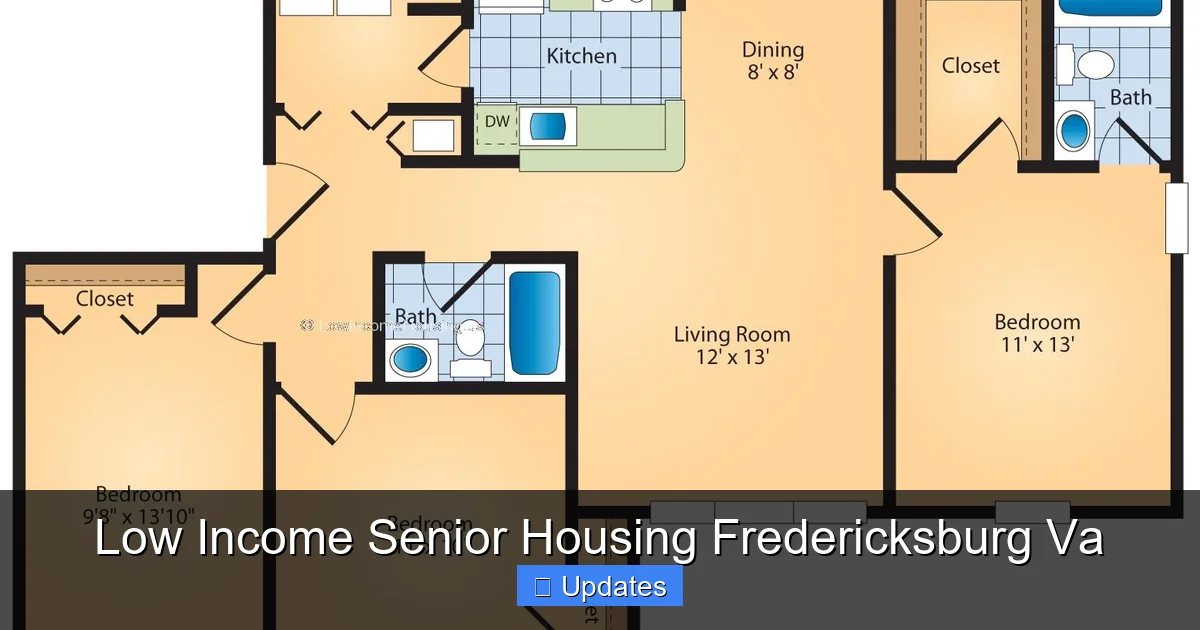
Visual guide about Low Income Senior Housing Fredericksburg Va
Image source: lowincomehousing.us
Eligibility isn’t just about money—it also involves age, residency, and sometimes disability status. Here’s what you need to know:
To apply for most low income senior housing Fredericksburg VA programs, applicants must be at least 62 years old. Some properties accept younger disabled individuals if they meet HUD’s definition of “elderly” or “disabled.”
You don’t have to be a U.S. citizen, but you must be legally residing in the country. Proof of residency—like a driver’s license or utility bill—is typically required.
Income limits are strict. For instance, if you’re a widow living alone on a pension of $28,000/year, you likely qualify. But someone earning $40,000 annually probably won’t, unless they’re part of a larger household where the average dips below the threshold.
Special consideration goes to survivors of domestic violence, homeless veterans, or people exiting institutional settings. These groups may get preference on waiting lists.
Required Documentation
Gather these before starting applications:
– Government-issued photo ID
– Social Security card or benefit verification letter
– Recent tax returns or proof of income (bank statements, pay stubs, pension documents)
– Lease history or eviction records (if applicable)
– Medical records showing disability status (for VASH or supportive housing)
Having everything ready speeds up the process and shows seriousness—something caseworkers appreciate.
Where to Find Low Income Senior Housing in Fredericksburg
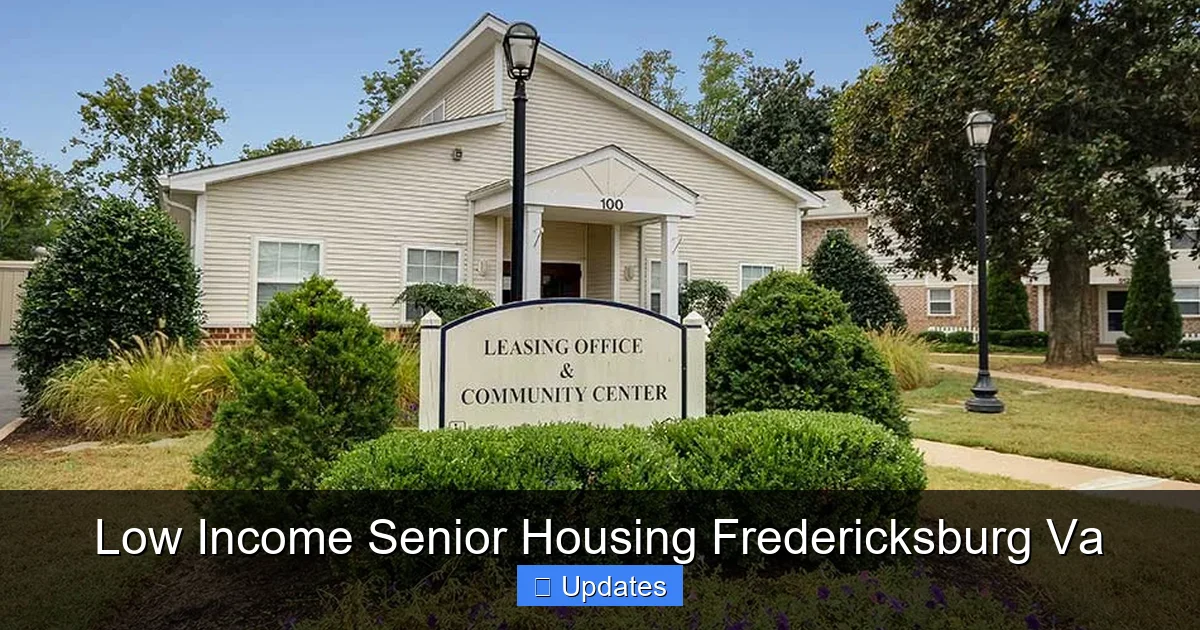
Visual guide about Low Income Senior Housing Fredericksburg Va
Image source: lowincomehousing.us
Fredericksburg itself doesn’t manage large-scale senior housing complexes, but nearby counties and city-sponsored initiatives fill the gap. Below are some of the top places to look:
The Village at Mary Washington Square: Located off Plank Road, this 100-unit development offers studios and one-bedrooms with optional meal plans and shuttle service to downtown Fredericksburg. Managed by Episcopal Home Foundation, it uses HUD Section 8 funds and has an active waiting list.
Rappahannock House Apartments: Situated near the University of Mary Washington campus, this 60-unit property serves seniors with incomes up to 60% AMI. It includes laundry facilities, a community room, and partnerships with local clinics.
Spotsylvania County Senior Housing Program: While not city-run, Spotsylvania operates several affordable complexes within 15 minutes of Fredericksburg. Examples include Cedar Creek Commons and Oak Grove Estates—both pet-friendly and ADA-compliant.
Virginia Housing Choice Voucher Program: Also known as Section 8, this federal rental assistance lets seniors use subsidies to rent privately owned units anywhere in Fredericksburg or surrounding areas. The city’s waitlist is currently closed, but you can register now for future openings.
Don’t overlook faith-based organizations like St. George’s Anglican Church or First Baptist Fredericksburg—they sometimes partner with developers to create subsidized housing for congregants over 65.
Tips for Touring and Applying
When visiting potential homes, bring a checklist:
– Is there grab bar in bathroom?
– Does the stove have automatic shut-off?
– Can neighbors hear footsteps above/below?
– Is parking reserved or shared?
– Are emergency contacts posted visibly?
Ask about move-in fees, security deposits, and whether subletting is allowed. Also confirm if guests are permitted overnight—some restrict visitors to protect liability.
If you’re unsure how to navigate the system, reach out to the Rappahannock Area Agency on Aging. They host free workshops every Thursday afternoon and connect applicants with legal aid and transportation.
Additional Benefits and Services
Visual guide about Low Income Senior Housing Fredericksburg Va
Image source: lowincomehousing.us
Beyond cheap rent, low income senior housing Fredericksburg VA often bundles valuable extras:
Meals: Many communities operate dining halls offering breakfast and dinner five days a week. Nutritious, chef-prepared meals help combat malnutrition among older adults.
Transportation: Shuttle buses run errands to grocery stores, pharmacies, and doctor visits. Some even take residents to religious services or senior centers.
Health Monitoring: Nurses or wellness coordinators check blood pressure weekly and remind folks to take medications. Chronic condition management is a big focus.
Social Programming: Bingo nights, book clubs, gardening sessions, and movie screenings keep loneliness at bay. Strong social connections reduce depression and cognitive decline.
Financial Counseling: Staff help residents budget, avoid scams, and understand their rights as tenants. Free tax preparation services are sometimes offered too.
These perks make low income senior housing more than just shelter—it’s a full ecosystem supporting physical, emotional, and intellectual well-being.
Accessibility Features You Should Know About
Modern low income senior housing Fredericksburg VA prioritizes universal design principles:
– Lever-style door handles instead of round knobs
– Roll-in showers with fold-down seats
– Visual fire alarms and bed shakers for hearing-impaired residents
– Wide hallways accommodating walkers or wheelchairs
– Non-slip flooring throughout common areas
Even if your current home isn’t accessible, many properties allow modifications—at your expense or partially covered by VHDA grants.
Common Challenges and How to Overcome Them
Despite their benefits, accessing low income senior housing isn’t always smooth sailing. Here’s what to watch out for—and how to fix it:
Long Waiting Lists: It’s normal to wait 1–3 years for a spot. To improve odds:
– Apply to multiple programs simultaneously
– Volunteer at senior centers to stay visible
– Ask friends/family to vouch for reliability
Limited Availability: New construction lags behind demand. Consider nearby towns like Stafford or King George for slightly longer commutes but shorter waits.
Bureaucratic Delays: Paperwork errors cause holdups. Double-check every field before submitting. If denied, request a written explanation so you can correct mistakes.
Language Barriers: Spanish-speaking seniors may struggle with English-heavy forms. Call the Rappahannock AAA—they offer translation services.
Remember: persistence pays off. Keep following up politely but firmly. One phone call every few months shows continued interest and keeps your name active.
Alternatives If Traditional Housing Isn’t Available
If you’re stuck on a long list, explore these backup options:
– Rental Assistance Programs: The Virginia Rent Relief Project covers back rent and future payments for qualified seniors facing homelessness.
– Co-Housing Models: Groups pool resources to rent duplexes or small homes together, sharing chores and expenses.
– Reverse Mortgages: Convert home equity into cash to offset rental costs (consult a HUD-approved counselor first).
– Nonprofit Sponsors: Organizations like Meals on Wheels Plus sometimes house volunteers temporarily while they save.
While not ideal, these alternatives buy time until a permanent solution appears.
Community Resources to Support Your Search
You’re not alone in this journey. Several local groups stand ready to help:
Rappahannock Area Agency on Aging (RAAA): Call (540) 373-2680 for free application assistance, home visits, and referrals. Their website has downloadable guides in multiple languages.
Virginia Legal Aid Society: Provides tenant rights education and eviction defense at no cost.
Fredericksburg Senior Center: Hosts biannual housing fairs where developers pitch units directly to attendees.
United Way of the Rappahannock Region: Connects seniors with food pantries, utility assistance, and volunteer drivers.
Pro tip: Attend RAAA’s quarterly “Housing Hope” seminars. Last year’s event featured live Q&A with HUD reps and real-time application demos.
Volunteer Opportunities That Help Your Application
Landlords prefer reliable tenants. Demonstrating responsibility through volunteering builds trust fast:
– Tutor kids at the Boys & Girls Club
– Serve meals at the Salvation Army soup kitchen
– Lead walking groups at the YMCA
Keep a log of hours and get letters of recommendation. Include these in your housing packet—they count!
Future Outlook for Affordable Senior Housing in Fredericksburg
Virginia lawmakers recently passed HB 1847, allocating $20 million statewide for new senior housing projects. Fredericksburg stands to receive a share via VHDA competitive grants. While exact timelines are fuzzy, expect announcements sometime in late 2026.
Meanwhile, private investors are eyeing underutilized downtown storefronts for adaptive reuse into micro-apartments. Imagine tiny homes clustered around communal kitchens—a trend gaining steam nationally.
Stay tuned to local news outlets and sign up for RAAA’s email alerts. Being informed means you’ll snag spots before they disappear.
Final Thoughts: Why This Matters
Choosing low income senior housing Fredericksburg VA isn’t just about saving money—it’s about preserving autonomy, dignity, and joy in later years. When rent eats up half your paycheck, stress piles up fast. Stable housing removes that burden, letting you focus on relationships, hobbies, and health.
And thanks to supportive services, you won’t feel isolated. Neighbors become friends; staff become advocates. In short, you gain a village.
Start small: pick one program, gather two documents, and make one phone call today. Progress happens one step at a time.
—
Frequently Asked Questions
What is the maximum income to qualify for low income senior housing in Fredericksburg, VA?
For most HUD-assisted programs, a single applicant must earn no more than $31,950 annually as of 2024. Couples can qualify with combined incomes up to roughly $63,900. Specific limits depend on household size and program rules.
Are utilities included in rent for low income senior housing?
Some properties bundle water, trash, and electricity into the monthly fee, while others require tenants to pay separately. Always ask during tours or application calls to avoid unexpected bills.
Can I bring my pet to low income senior housing in Fredericksburg?
Many complexes now allow small dogs or cats, especially those affiliated with pet therapy programs. Policies vary, so check each property’s rules before applying.
How long are the typical waiting lists for affordable senior housing?
Wait times range from 6 months to 3 years, depending on demand and availability. Applying to multiple programs and staying engaged with caseworkers improves your chances of moving up faster.
Is there any senior housing in Fredericksburg with no waiting list?
A few properties operate lottery systems or accept applications continuously due to high turnover. Check with the Rappahannock Area Agency on Aging for current listings.
Do I need to be a veteran to access low income senior housing in Fredericksburg?
No, but veterans can access special programs like VASH that combine rental assistance with health services. General public housing and Section 8 vouchers are open to all qualifying seniors regardless of military service.
