
Low Income Senior Housing Charleston Sc


Book Holder Stand
Medication Reminder Alarm

Air Fryer for Easy Cooking
Finding low income senior housing in Charleston, SC is challenging but possible. The city offers several federal, state, and local programs to help seniors on fixed incomes secure safe, affordable homes. Key resources include HUD-subsidized properties, the Section 8 Housing Choice Voucher program, and income-restricted apartments managed by local housing authorities. Eligibility hinges on age (typically 62+), income limits, and background checks. Applying requires patience, as waitlists are often long, but understanding the process and leveraging local support services can significantly improve your chances of finding a suitable, budget-friendly place to call home.
Key Takeaways
- Multiple Programs Exist: Assistance comes from federal (HUD, Section 8), state (SC State Housing Authority), and local (Charleston County Housing Authority) sources, each with distinct application processes.
- Strict Income Limits Apply: To qualify, your annual income must fall below specific thresholds, usually set at 50% or 60% of the Area Median Income (AMI) for Charleston County.
- Waitlists Are Common: Due to high demand, most programs have closed waitlists or multi-year waits. Applying to multiple properties and authorities is crucial.
- Age Restriction is Standard: Most low-income senior housing requires residents to be 62 years or older, though some communities serve those 55+ or 60+.
- Beyond Rent, Look for Services: Some affordable senior communities offer supportive services like transportation, meal programs, or social activities, which add significant value.
- Local Navigators Are Key: Contacting the Charleston County Housing Authority and non-profits like the Charleston Senior Center can provide free, personalized guidance through the complex application maze.
📑 Table of Contents
- The Challenge of Affordable Senior Living in Charleston
- Major Housing Assistance Programs Available
- Eligibility Requirements: Do You Qualify?
- The Application Process: A Step-by-Step Guide
- Specific Resources & Communities in the Charleston Area
- Beyond the Apartment: Supportive Services & Community
- Conclusion: A Journey Worth Taking
The Challenge of Affordable Senior Living in Charleston
Charleston, South Carolina, is a beautiful, historic city with a thriving economy. But that very desirability drives up the cost of living, making it particularly difficult for seniors living on Social Security, pensions, or limited savings to find housing that fits their budget. The struggle is real: a significant portion of a fixed income can be swallowed by rent, leaving little for healthcare, food, and other essentials. This is where low income senior housing Charleston SC programs become a vital lifeline, offering a pathway to stability and dignity in later years.
It’s important to understand the landscape. “Low income senior housing” isn’t just one thing. It’s an umbrella term covering a few different models. You have government-subsidized apartment buildings where rent is based on income (usually 30% of your adjusted gross income). You have properties with “income-restricted” units that are privately owned but required to keep rents affordable for those below certain income levels. And you have voucher programs, like Section 8, that allow you to find your own rental unit in the private market, with the government paying a portion of the rent directly to the landlord. Each has its own rules, its own application, and its own waiting list.
Why Is This So Hard in Charleston?
The Charleston metro area—including North Charleston and Mount Pleasant—is one of the fastest-growing regions in the state. This growth fuels competition for all housing, but especially for affordable units. Construction of new, market-rate apartments often caters to young professionals and higher-income households. The supply of dedicated senior affordable housing simply hasn’t kept pace with the aging population. Seniors often find themselves competing not just with other seniors, but with younger families and individuals also seeking affordable rents. This high demand means that when openings do occur, they are filled incredibly quickly, and waiting lists can stretch for years.
Major Housing Assistance Programs Available
Navigating the system means understanding the key players. Here in the Lowcountry, the primary sources of assistance are federal programs administered through local and state agencies.
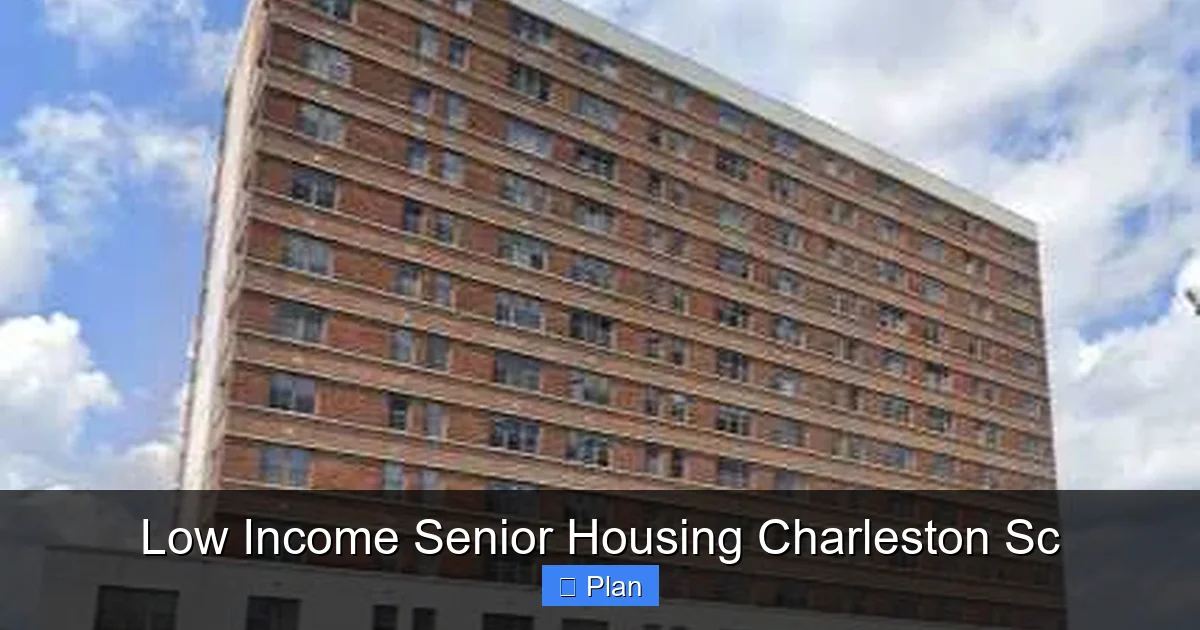
Visual guide about Low Income Senior Housing Charleston Sc
Image source: lowincomehousing.us
HUD-Subsidized Senior Housing (Section 202)
This is often the gold standard for low-income senior housing. The U.S. Department of Housing and Urban Development (HUD) provides funding to non-profit organizations to build and manage apartment communities exclusively for seniors (62+). Rent is capped at 30% of a resident’s adjusted monthly income. These properties typically offer additional services like housekeeping, transportation, or congregate meals. In the Charleston area, you’ll find several such communities, though they almost always have lengthy waitlists. The application is made directly to the property management of each specific building.
Section 8 Housing Choice Voucher Program
This is the most flexible program. If you receive a voucher, you can search for your own apartment anywhere in the country (though you must apply through the local agency where you intend to live), as long as the landlord accepts the voucher and the rent is reasonable compared to local standards. The Charleston County Housing Authority (CCHA) administers Section 8 vouchers for the county. The voucher covers the portion of rent that exceeds 30% of your income. The catch? The waiting list for a new voucher in Charleston County is famously long, often closed to new applicants for years at a time. When it does open, thousands apply for a limited number of spots.
Low-Income Housing Tax Credit (LIHTC) Properties
These are privately owned apartment complexes that receive tax credits from the federal government in exchange for agreeing to keep a certain percentage of their units affordable for households earning up to 50% or 60% of AMI for a set period (usually 30 years). Rents are set at a fixed, affordable rate (not based on your personal income, but still below market rate). Many of these are general occupancy buildings, but some are designated for seniors (55+ or 62+ communities). You apply directly to the property manager. Lists of these properties can be found on the South Carolina State Housing Authority website and through local non-profits.
It’s also worth noting that some local charities, churches, and foundations offer rental assistance grants or operate small, affordable senior housing facilities. These are often less visible but can be invaluable resources.
Eligibility Requirements: Do You Qualify?
Understanding the criteria is the first step to a successful application. While specifics vary by program and property, the core requirements are consistent.
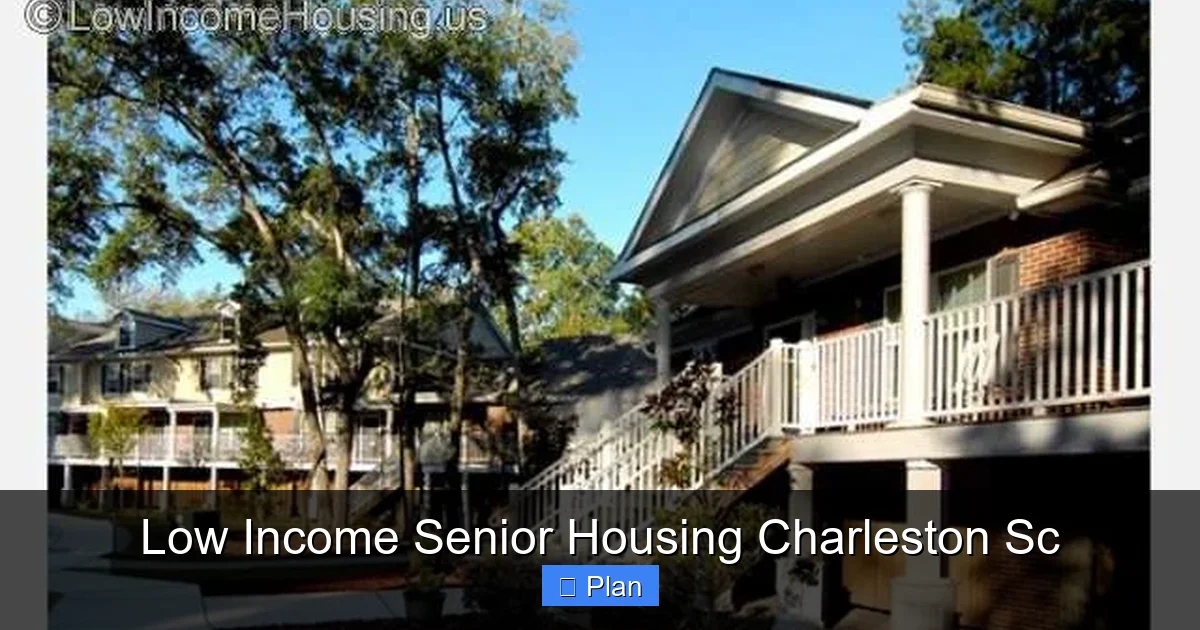
Visual guide about Low Income Senior Housing Charleston Sc
Image source: lowincomehousing.us
Age
For housing designated as “senior,” you must meet the age threshold. Most commonly, this is 62 years of age or older. Some communities serve those 55 and older (and must follow rules about at least 80% of occupied units having at least one resident 55+). Always check the specific property’s criteria.
Income
This is the most critical factor. Your household’s total annual income must be at or below a certain percentage of the Area Median Income (AMI), adjusted for household size. For Charleston County, these limits change yearly. For example, for a one-person household to qualify for a unit restricted at 50% AMI, the income limit might be around $35,000 annually (this is an example; always check current HUD income limits). For a two-person household, the limit is higher. Your income includes Social Security, pensions, wages, disability payments, and sometimes other assets. The housing authority or property manager will verify this through pay stubs, tax returns, and benefit statements.
Citizenship and Background
You must be a U.S. citizen or have eligible immigration status. All applicants undergo a criminal background check. Certain felony convictions, particularly those related to violence or drug trafficking on the premises of federally assisted housing, can lead to denial. Eviction history is also considered.
Household Composition
Only those listed on the application and who pass background checks can live in the unit. Typically, only seniors are allowed in dedicated senior housing, with very few exceptions for a live-in aide or a spouse under the age limit.
For a deeper dive into the specific documentation and calculation methods, a resource like our guide on how to qualify for low-income senior housing can be extremely helpful.
The Application Process: A Step-by-Step Guide
The process is rarely simple or quick, but being organized can help you navigate it efficiently.
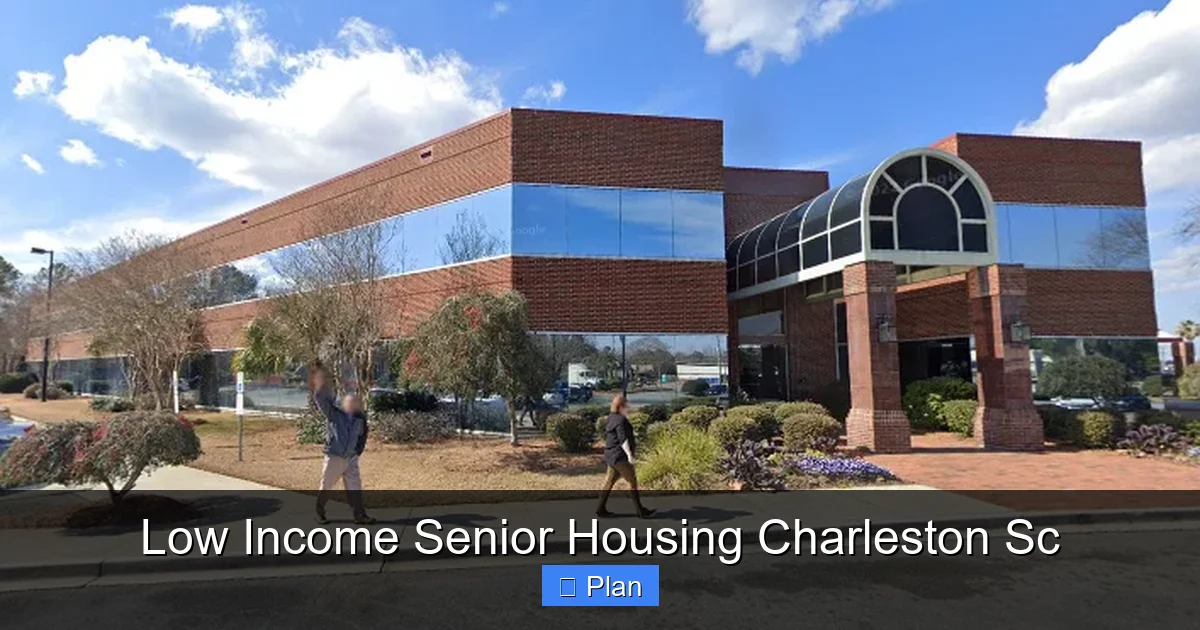
Visual guide about Low Income Senior Housing Charleston Sc
Image source: lowincomehousing.us
- Gather Your Documentation: Before you start, collect: photo IDs for all household members, Social Security cards, recent pay stubs or benefit award letters (Social Security, SNAP, SSI), bank statements, tax returns (if filed), and birth certificates. Having these ready will prevent delays.
- Identify Potential Properties & Programs: Make a list. Include HUD-subsidized buildings, LIHTC senior apartments, and your local housing authority for a Section 8 voucher. The search for a senior apartment for low income can start with the HUD’s online apartment finder tool and the SC State Housing Authority’s list.
- Apply to Everything: Do not put all your eggs in one basket. Apply to multiple properties and to the housing authority for a voucher. Each will have its own separate application. There is no fee to apply for these programs; be wary of any service that charges you to apply.
- Submit Complete Applications: Fill out every form meticulously. Missing information is the most common reason for delays or disqualification. Keep copies of everything you send.
- Get on Waitlists & Stay Engaged: If a property or program has an open waitlist, apply immediately. Once on a list, you will be assigned a position number. Update your contact information with every property and your housing authority regularly. Respond promptly to any requests for additional information or to attend an eligibility interview.
- Prepare for the Interview: When your number comes up, you’ll have a certification interview. Bring all your original documents. The caseworker will verify your income, assets, family composition, and citizenship. Be honest and thorough.
- Unit Search & Inspection (for Vouchers): If you receive a Section 8 voucher, you then have a limited time (usually 60-90 days) to find a unit that passes HUD’s health and safety inspection and where the rent is reasonable. The landlord must agree to accept the voucher.
Patience is not just a virtue here; it’s a requirement. The entire process from application to move-in can easily take 1-3 years or more.
Specific Resources & Communities in the Charleston Area
While specific waitlist statuses change constantly, here are types of resources and known providers in the region to research:
- Charleston County Housing Authority (CCHA): The central hub for Section 8 vouchers and some public housing units. Check their website or visit their office for current waitlist status and application packets.
- HUD-Subsidized Properties: Search for properties with the “Section 202” designation in Charleston, North Charleston, and surrounding areas. Examples might include communities run by non-profits like the Senior Housing Corporation or similar local organizations. These are often named something like “…Senior Residences” or “…Senior Apartments.”
- LIHTC Senior Apartment Communities: Properties like Summit at West Ashley (income-restricted units), The Reserve at St. Andrews, or others may have senior-designated affordable units. Always call to ask about current availability and income requirements for their “affordable” or “workforce” units.
- Non-Profit & Faith-Based Support: Organizations like Mercy Housing (a national non-profit that may have properties in SC), local United Way chapters, and senior centers (like the Charleston Senior Center) often maintain lists of affordable housing and may have information on small, lesser-known facilities or emergency rental assistance programs.
When researching, use keywords like “affordable senior housing Charleston County,” “income-restricted apartments for seniors SC,” and “HUD senior housing South Carolina.”
Beyond the Apartment: Supportive Services & Community
Securing an affordable unit is the major hurdle, but quality of life matters too. Many low-income senior housing communities, especially HUD-subsidized ones, offer supportive services. Ask about:
- Transportation: Shuttle services to grocery stores, medical appointments, and senior centers are a huge benefit in a car-dependent area like Charleston.
- Meal Programs: Congregate meal sites or delivered meals (like Meals on Wheels).
- Social Activities: Game nights, exercise classes, and outings help combat isolation.
- On-Site Management & Maintenance: Responsive management is key for a peaceful living environment.
Even if your building doesn’t offer services, the Charleston area has robust senior service networks. The Trident United Way and the South Carolina Department on Aging can connect you to resources for home care, food assistance, and health programs. For those needing more intensive care, exploring in-home care options like Hearts at Home might allow a senior to age in place even within an affordable apartment, though that adds a cost layer to consider.
Conclusion: A Journey Worth Taking
The search for low income senior housing Charleston SC is undoubtedly a marathon, not a sprint. It requires diligence, organization, and a thick skin to handle long waits and repeated paperwork. But the destination—a safe, stable, and affordable home in a vibrant community—is worth the effort. Start by getting your documents in order. Apply to every program and property for which you might be eligible. Make friends with the staff at the Charleston County Housing Authority and your local senior center; they are your allies. Remember, you are not alone in this search. Thousands of Lowcountry seniors are on the same journey, and there are systems in place to help. By understanding the programs, meeting the qualifications, and persistently navigating the application process, you can secure the affordable senior housing you deserve in Charleston.
Frequently Asked Questions
What is the income limit to qualify for low-income senior housing in Charleston, SC?
Income limits are based on the Area Median Income (AMI) for Charleston County and your household size. Generally, you must earn at or below 50% or 60% of AMI. For a single senior, this is typically in the $30,000-$40,000 range, but you must check the current year’s HUD income limits for exact figures.
How long is the waiting list for Section 8 or HUD senior housing in Charleston?
Wait times are significant. The Section 8 voucher waitlist through the Charleston County Housing Authority is often closed for years, with a wait of 3-7 years once you’re on it. HUD-subsidized senior buildings have their own waitlists, which commonly range from 1 to 5 years. Applying to multiple properties is essential.
Can I have a pet in low-income senior housing?
Pet policies vary by property. Many HUD-subsidized and LIHTC communities allow small pets (cats, dogs under a certain weight) with a pet deposit and possibly monthly pet rent. Some have breed or weight restrictions. Service animals are always allowed as a reasonable accommodation under the Fair Housing Act.
What if my income is slightly above the limit?
Some properties have units for households earning up to 80% of AMI, though these are less common. You may also explore “workforce” or “moderate-income” units in LIHTC buildings that have slightly higher income limits. Additionally, some local charities offer one-time rental assistance if you face a temporary financial crisis.
Is public transportation available near affordable senior housing in Charleston?
h3>
It varies by location. Some affordable senior communities, especially those near major corridors like Rivers Avenue or Ashley River Road, are served by the Charleston Area Regional Transportation Authority (CARTA) bus routes. Always check the specific property’s location and nearby transit options during your search.
Who can help me with the application process?
The Charleston County Housing Authority can help with Section 8 questions. The Charleston Senior Center and the South Carolina Department on Aging offer counseling and resources. Non-profit housing counselors (HUD-approved) can also provide free or low-cost guidance. Beware of companies that charge high fees to “guarantee” you an apartment.
