
Low Income Senior Housing Canton Ohio


Anti-Slip Shower Stickers

Non-Slip Bathroom Mat

Portable Radio with Large Buttons
Navigating low-income senior housing in Canton, Ohio, requires understanding specific programs, eligibility rules, and local resources. This guide breaks down subsidized apartments, HUD vouchers, and nonprofit options available in Stark County. You’ll learn how to qualify, where to apply, and get practical tips to manage waitlists and paperwork, helping you or your loved one find a stable, affordable home.
Key Takeaways
- Multiple Programs Exist: Options include HUD-subsidized apartments, Section 8 vouchers for seniors, and properties funded by the Low-Income Housing Tax Credit (LIHTC), each with distinct application processes.
- Eligibility is Strict: Primarily based on age (usually 62+) and income, which must be below 50-80% of the Area Median Income (AMI) for Stark County. Assets are also considered for some programs.
- Local Agencies are Key: The Stark County Metropolitan Housing Authority (MHA) and the Canton Stark County Urban League are critical for applications, vouchers, and local listings.
- Waitlists Are Common: Most popular properties have multi-year waitlists. Apply to multiple places simultaneously and keep your information updated with all agencies.
- Documentation is Crucial: You will need proof of age, income (Social Security, pension), assets, and citizenship. Organizing these documents early prevents delays.
- Beware of Scams: Never pay fees to apply for legitimate government-subsidized housing. Always verify properties and agencies through official .gov or .org websites.
📑 Table of Contents
- Finding Your Home: A Guide to Low Income Senior Housing in Canton, Ohio
- Understanding Your Options: Types of Low Income Senior Housing
- Are You Eligible? Demystifying the Requirements
- Your Canton, Ohio Resource Map: Where to Find Listings and Help
- The Application Journey: A Step-by-Step Plan
- Overcoming Common Challenges and Pitfalls
- What’s Next? Taking Action Today
- Conclusion: A Stable Home is Possible
Finding Your Home: A Guide to Low Income Senior Housing in Canton, Ohio
Looking for a safe, affordable place to live in your later years can feel overwhelming, especially on a fixed income. In Canton, Ohio, there are dedicated resources and housing options designed to help seniors age with dignity and financial peace of mind. This guide is your friendly roadmap to understanding the landscape of low income senior housing Canton Ohio. We’ll walk through the types of housing available, who qualifies, where to find listings, and the step-by-step process to apply. Think of this as a conversation with a knowledgeable neighbor who wants to point you in the right direction.
The Heart of the Matter: Why This Housing Matters
Housing often takes up the largest chunk of a senior’s monthly budget. For those living solely on Social Security or a small pension, finding rent that doesn’t force a choice between medication and groceries is essential. Low-income senior housing bridges this gap by offering rents based on income, typically at 30% of an adjusted gross income. This isn’t just about a roof; it’s about community, safety, and access to services that support independent living. In Canton and the greater Stark County area, these properties are scattered throughout the city and suburbs, offering choices near family, doctors, and public transportation.
Understanding Your Options: Types of Low Income Senior Housing
Not all affordable senior housing is the same. The programs and funding sources create different experiences and application paths. Here’s a breakdown of the main types you’ll encounter in Canton.
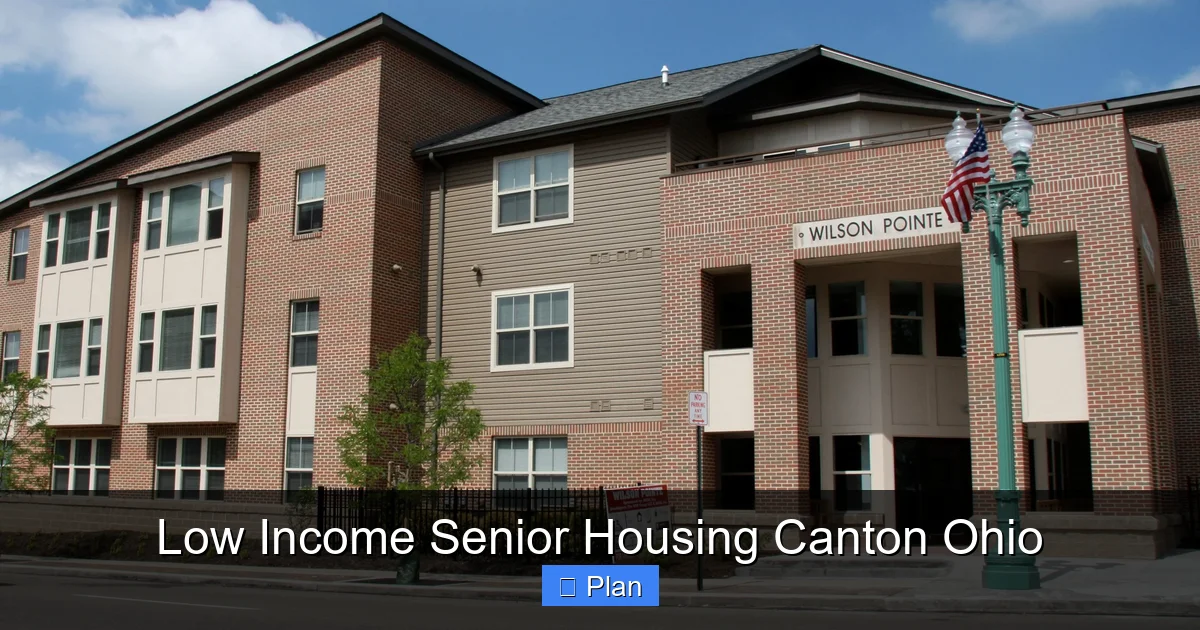
Visual guide about Low Income Senior Housing Canton Ohio
Image source: s3.amazonaws.com
HUD-Subsidized Apartments (Project-Based Section 8)
These are apartment buildings where the federal government provides funding directly to the owner to keep rents affordable for seniors. The rent is calculated based on your income, usually at 30%. You apply directly to the property management of that specific building. Examples in the Canton area include properties like Washington Presbyterian Apartments or St. Joseph’s Senior Apartments. These communities often have age restrictions (62+ or 55+ communities) and may offer supportive services or social activities. The major downside is that waitlists can be extremely long, sometimes 3-5 years.
Housing Choice Vouchers (Section 8) for Seniors
This is the classic “Section 8” program, but it’s specifically for seniors through the Stark County Metropolitan Housing Authority (MHA). If you receive a voucher, you pay 30% of your income in rent, and the voucher pays the rest directly to a landlord who accepts it. The huge advantage is choice—you can look for any apartment in the private market that meets the MHA’s inspection standards and the landlord agrees to the voucher. The disadvantage is that finding a landlord who accepts vouchers and has an available unit can be challenging, and the waitlist for the voucher itself is also years long in many areas.
Low-Income Housing Tax Credit (LIHTC) Properties
These are privately developed apartment complexes that receive tax credits for setting aside a percentage of units for low-income households, including seniors. Rents are set at an affordable level (often 30-50% of AMI), but they are not always income-based like HUD projects. They operate more like regular apartments with income limits. Many newer, well-maintained senior communities in Canton are LIHTC properties. You apply directly with the property manager. Examples might include Canton Senior Apartments or Maplewood Senior Living (hypothetical names for illustration; always verify current properties).
Non-Profit & Faith-Based Housing
Organizations like the Canton Stark County Urban League, local churches, or charities sometimes own and operate affordable senior housing. These can be smaller buildings with a community feel. They may have additional support services or meal programs. Availability is often not widely advertised, so networking and direct contact with these organizations is important.
Are You Eligible? Demystifying the Requirements
Eligibility is the gatekeeper. While specifics vary by program, the core pillars are age, income, and sometimes assets. Let’s break it down for Stark County.
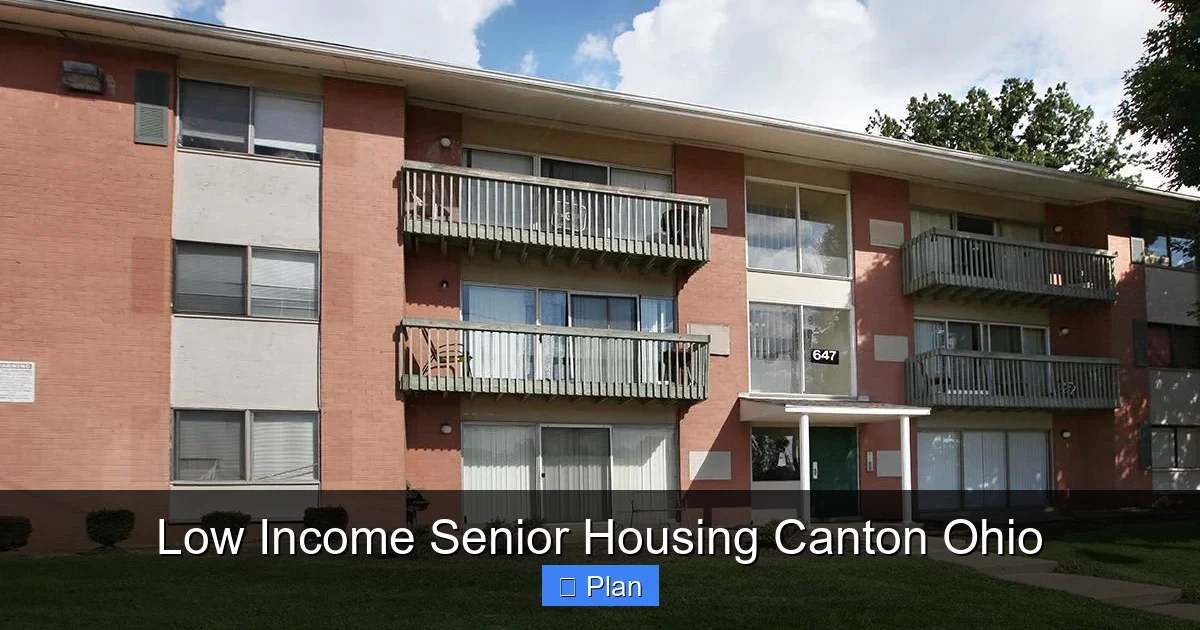
Visual guide about Low Income Senior Housing Canton Ohio
Image source: s3.amazonaws.com
The Age Requirement
For “senior” housing, you generally must be 62 years of age or older. Some “55+” communities may allow a small percentage of younger residents (often spouses under 55), but the primary tenant must meet the age threshold. Always confirm the specific property’s age policy.
Income Limits: The 50% and 80% AMI Rule
This is the most critical financial test. Your household income must fall below a certain percentage of the Area Median Income (AMI), which is set annually by HUD for the Stark County area. For most subsidized programs, you need to be at or below 50% of the AMI. For some LIHTC properties, the limit might be 60% or 80%. For a one-person household in 2024, 50% AMI for Stark County is approximately $36,300. These limits change yearly, so always check the current figures on the HUD website or ask the housing agency.
What Counts as Income?
It’s more than just your paycheck. Income includes:
- Social Security benefits
- Pensions and retirement account withdrawals
- Wages from part-time work
- Interest and dividends from investments
- Some types of public assistance
Certain types of income may be partially excluded or deducted, which is where a good application specialist can help. Understanding how to qualify for low income senior housing involves a precise calculation of these figures.
The Asset Test
Some programs, particularly HUD-subsidized apartments, have a net asset limit. This means the total value of your countable assets (like bank accounts, stocks, bonds) cannot exceed a certain amount (e.g., $75,000 for one person). Your primary home and one vehicle are usually exempt. This rule prevents high-net-worth individuals from accessing subsidized housing.
Citizenship and Background Checks
You must be a U.S. citizen or have eligible immigration status. All adult household members will undergo a criminal background check. Certain convictions, especially for violent crimes or methamphetamine production on federal property, can lead to denial. Eviction history is also scrutinized.
Your Canton, Ohio Resource Map: Where to Find Listings and Help
Knowing where to look is half the battle. Here are your starting points in Stark County.
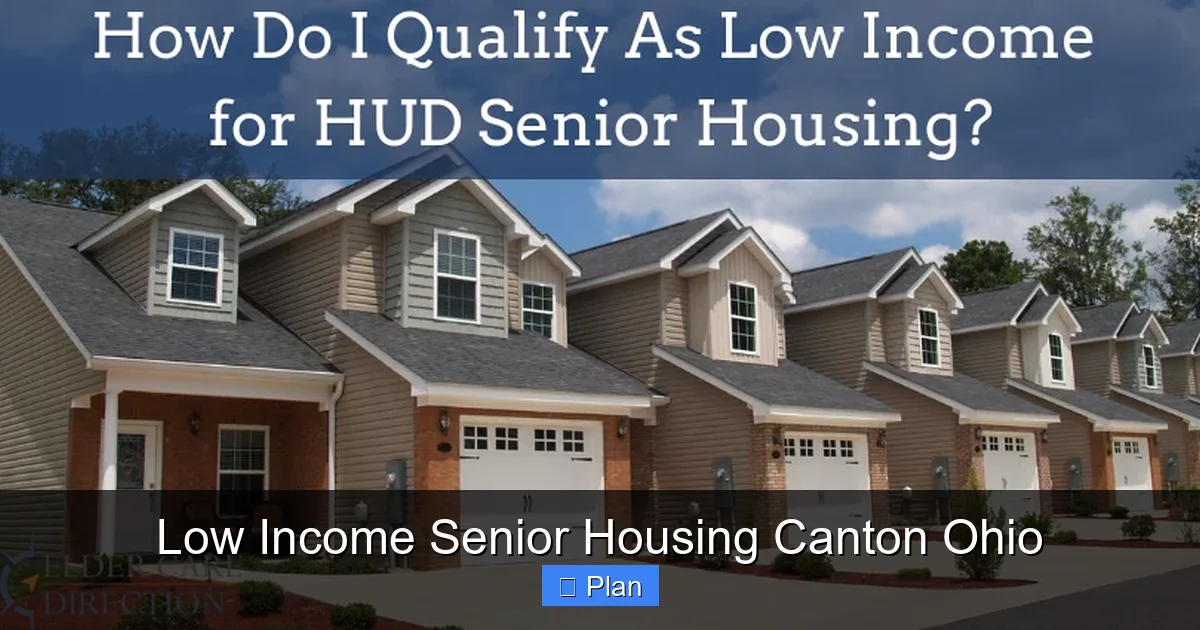
Visual guide about Low Income Senior Housing Canton Ohio
Image source: greatsenioryears.com
Stark County Metropolitan Housing Authority (MHA)
This is your most important local agency. They administer the Housing Choice Voucher program for the county and maintain a list of known affordable senior properties. They also have their own waitlists for public housing that may have senior-designated units.
- What they do: Voucher waitlist management, property inspections, tenant workshops.
- How to contact: Visit their office in Canton or website. Be prepared for long waitlists and to check in periodically to keep your application active.
Canton Stark County Urban League
A trusted community-based organization that provides housing counseling and assistance. They can help you understand your options, review applications, and may have information on smaller, non-profit housing opportunities not widely listed.
- What they do: One-on-one housing counseling, fair housing education, connections to local resources.
- How to contact: Call or visit their Canton office. They are an invaluable resource for personalized guidance.
Online Portals and Property Managers
You should also be proactive:
- Ohio Housing Locator: A state-run website where you can filter for “Senior” and “Income-Restricted” units in Canton.
- Property Management Company Websites: Search for “affordable senior housing Canton OH” and visit the sites of companies that manage these properties (e.g., National Church Residences, Mercy Housing, local management firms). They often have application portals.
- Senior Centers & Area Agency on Aging: The Stark County Senior Center and the Stark County Area Agency on Aging often have bulletin boards with listings and staff who know the local landscape.
Word of Mouth and Networking
Sometimes the best leads come from others. Talk to friends, neighbors, or your doctor’s office staff. A senior who is happily housed might know of an opening at their complex before it’s publicly listed.
The Application Journey: A Step-by-Step Plan
Applying is a marathon, not a sprint. Here’s a tactical plan to manage the process efficiently.
Step 1: Get Your Documents in Order NOW
Before you even find a property, create a “housing binder” with clear copies of:
- Birth certificate or driver’s license (proof of age)
- Social Security cards for all household members
- Most recent tax return
- Current award letters from Social Security, pension, etc.
- Bank statements (for asset verification)
- Proof of U.S. citizenship or eligible immigration status
Having these ready means you can submit a complete application immediately when you find an opening, which is critical.
Step 2: Apply, Apply, Apply (But Strategically)
Do not put all your eggs in one basket. Apply to the MHA voucher waitlist the moment it opens (they open periodically). Simultaneously, apply to 5-10 specific apartment buildings that fit your criteria (location, amenities). Each application is a separate ticket in the lottery. When you find a property you like, call the management office to ask if they are currently accepting applications. Some may have closed waitlists.
Step 3: The Waitlist: Patience and Persistence
Once applied, you get a confirmation and a position on the waitlist. This is where most people get discouraged. Wait times of 2-5 years are standard for the best-located or newest properties.
- Mark your calendar: Most agencies require you to “update” your information every 6 or 12 months. Missing this update can get you removed from the waitlist.
- Keep your contact info current: If you move, update your address and phone number with EVERY agency and property you applied to.
- Check in periodically: A polite phone call every 6 months to confirm your place on the list shows continued interest.
Step 4: The Interview and Documentation
When your name nears the top of a waitlist, you’ll be called for an interview. This is a formal meeting (in-person or sometimes by phone) where a caseworker will verify all your information. You will need to bring your original documents. They will calculate your income, assets, and expected rent. Be prepared to explain any unusual financial transactions or gaps in income history.
Step 5: Unit Inspection and Move-In
If you’re approved for a specific unit (common with project-based housing) or a voucher, there’s a final step. For HUD apartments, the unit must pass a health and safety inspection. For a voucher, the landlord must agree to the rent amount and pass an inspection. Once all paperwork is signed and the unit passes, you’ll pay your first month’s portion of the rent and move in!
Overcoming Common Challenges and Pitfalls
The path isn’t always smooth. Here’s how to navigate common hurdles.
The Long, Uncertain Wait
This is the biggest stressor. The key is managing expectations and having a backup plan.
- Have a Plan B: While on waitlists, look into other affordable options like senior apartments for low income that are not subsidy-based but simply have lower market rents. Consider shared housing or living with family temporarily.
- Explore all subsidies: Ask about the “Maintenance of Effort” or “Project-Based Voucher” programs, which are similar to project-based Section 8 but may have different waitlists.
Complex Paperwork and Verification
Forms can be confusing. Don’t be afraid to ask for help.
- Use free counseling: The Canton Stark County Urban League and the MHA often have housing counselors. Use them. They review applications for free.
- Be meticulously honest: Never misrepresent income or assets. It is considered fraud and can lead to permanent denial from all federal housing programs and even legal consequences.
Finding a Voucher-Accepting Landlord
If you get a Section 8 voucher, the next challenge is finding a landlord.
- Be a prepared tenant: Have your credit report (if required), references, and a solid rental history ready. Present yourself as a reliable, quiet, long-term tenant.
- Target newer buildings: Some newer apartment complexes built with LIHTC funds may be more familiar with the voucher process.
- Network: Let your housing counselor know you have a voucher; they sometimes have lists of participating landlords.
Health and Mobility Needs
Most affordable senior housing is “independent living.” It does not provide personal care, meals, or nursing.
- Plan for services: Research help for low-income seniors in Canton, such as PASSPORT (Medicaid waiver) for in-home care, or local senior centers that provide congregate meals and transportation.
- Ask about accessibility: Inquire about grab bars, step-less showers, and wheelchair accessibility when looking at units.
What’s Next? Taking Action Today
Information is power, but action is everything. Here is your immediate action plan:
- Contact the Stark County MHA. Get on their Section 8 waitlist if it’s open. Get their list of known affordable senior properties.
- Call the Canton Stark County Urban League. Schedule a housing counseling appointment. Bring your document binder.
- Start your online search. Use the Ohio Housing Locator and search for “senior” and “Canton, OH 447xx.” Note down 10-15 property names and phone numbers.
- Call those properties. Ask: “Do you have an open waitlist for income-restricted senior units? What is the current approximate wait time? What documents do I need to apply?”
- Apply. Complete and submit every single application you can. Keep a spreadsheet with property name, contact, application date, and waitlist position.
Finding low income senior housing in Canton, Ohio is a process that demands patience, organization, and resilience. It is a system built on waiting. But by understanding the rules, using your local resources, and casting a wide net, you can secure a stable, affordable home that allows you to enjoy your senior years with less financial stress. Start gathering your documents and making those calls today—your future self will thank you.
Conclusion: A Stable Home is Possible
The journey to secure low-income senior housing in Canton is rarely quick, but it is a well-trodden path with clear signposts. The combination of federal programs, local housing authority management, and dedicated nonprofit agencies creates a framework designed to help. The keys to success are early preparation, meticulous record-keeping, and leveraging the expertise of local housing counselors. Remember, applying to multiple programs and properties simultaneously is not gaming the system; it’s a necessary strategy to overcome long waitlists. Stay proactive, keep your information current, and don’t hesitate to ask for help from the Stark County Metropolitan Housing Authority or the Urban League. With persistence and the right guidance, an affordable, safe, and community-oriented senior home in Canton is an achievable goal.
Frequently Asked Questions
What is the maximum income to qualify for low-income senior housing in Canton, OH?
Income limits are based on the Area Median Income (AMI) for Stark County and household size. For most subsidized programs, a one-person household must earn at or below 50% of AMI, which is approximately $36,300 in 2024. Limits increase for larger households. Always verify the current year’s limits with the specific property or the MHA.
How long are the waitlists for these apartments?
Waitlists vary significantly by property and program. For the most desirable HUD-subsidized buildings and the Section 8 voucher, wait times are commonly 2 to 5 years. Less central or older properties may have shorter waits. Applying to multiple properties is the best way to potentially reduce your overall wait time.
Is there a list of all low-income senior apartments in Canton?
There is no single, always-up-to-date public list. Your best sources are the Stark County MHA, the Ohio Housing Locator website, and the Canton Stark County Urban League. You must also call property management companies directly, as availability and waitlist status changes frequently.
Does the rent include utilities?
It depends on the property. Some subsidized apartments include all utilities (heat, water, electric) in the rent calculation. Others require you to pay electricity or other utilities separately. This is a critical question to ask when you call a property for information.
Can a married couple under 62 live in senior housing?
Generally, no. To qualify for “senior” housing (62+ communities), at least one tenant must be 62 or older. Some “55+” communities may allow one spouse to be under 55 if the other is 55+, but this is not universal. All residents must still meet the age requirement for that specific community’s policy.
Can I apply if I have a poor rental or credit history?
A poor rental history (evictions) can be a major barrier, as landlords and housing authorities want stable tenants. Bad credit is less often a disqualifier for subsidized programs, as the primary concern is income and background. However, private landlords accepting vouchers may have their own credit requirements. It’s important to be upfront about past issues and provide context if asked.
