
Low Income Senior Housing Aiken Sc

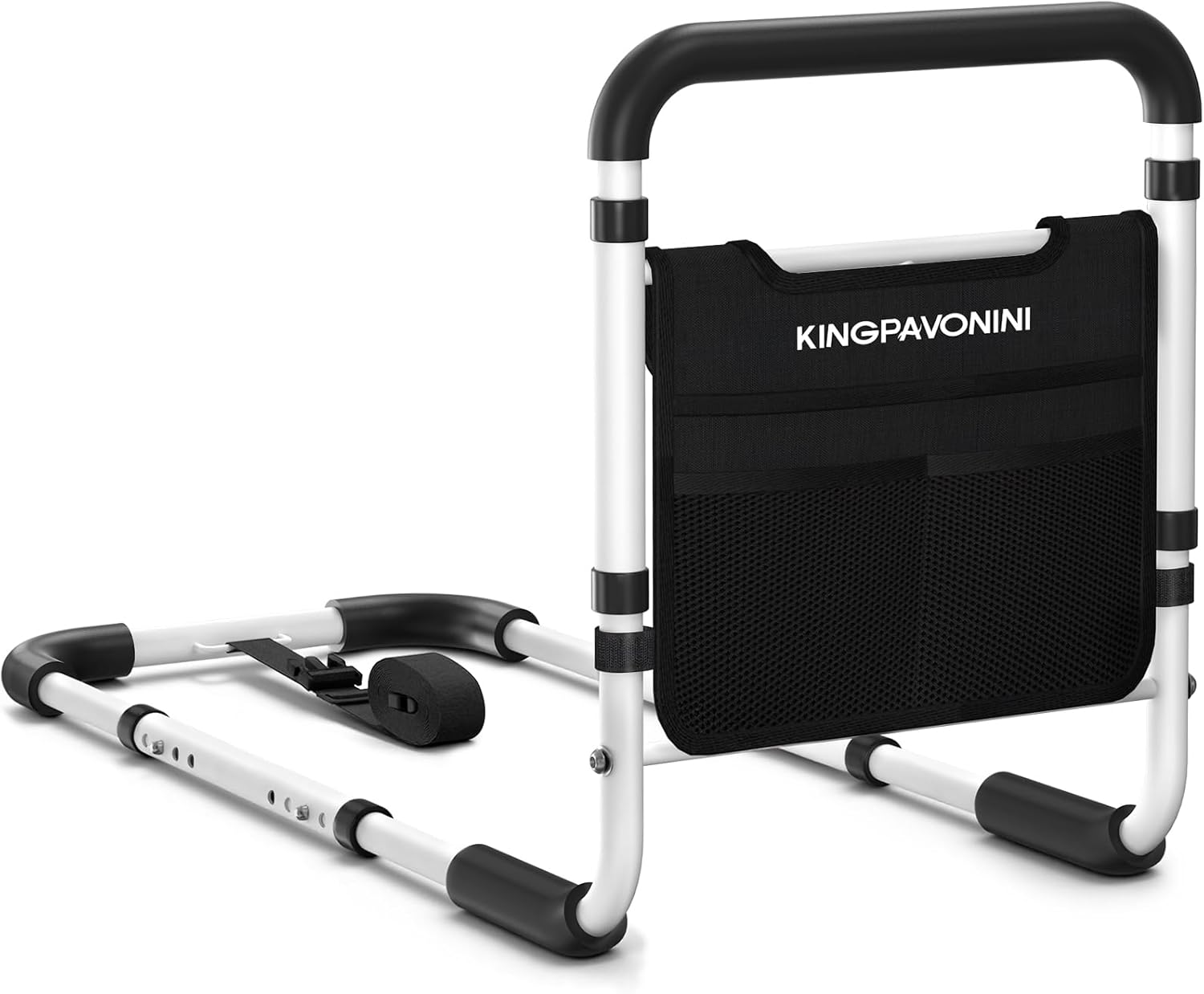
Bed Rail for Seniors

Medical Alert System

Smart Plug with Alexa
Finding affordable housing for seniors in Aiken, South Carolina doesn’t have to be overwhelming. With low income senior housing Aiken SC, eligible adults can access safe, supportive, and budget-friendly living spaces tailored to their needs. This guide walks you through available programs, how to qualify, and where to start your search—so you or your loved one can age with comfort and security.
Key Takeaways
- Low income senior housing in Aiken, SC includes subsidized apartments, nonprofit communities, and HUD-assisted units designed for adults 62+.
- Eligibility typically requires proof of age, residency, and income below 50–80% of the area’s median income (for most programs).
- Popular funding sources include HUD Section 202, USDA Rural Development, and South Carolina Housing Finance Agency (SCHFA) loans.
- There are currently limited dedicated low-income senior complexes in Aiken itself, so many residents explore nearby Greenville or Columbia options.
- Applying early and gathering documents like tax returns, bank statements, and medical records increases approval chances.
- Nonprofit organizations like Habitat for Humanity and local aging services offer support navigating applications and relocation.
- Transportation assistance and meal programs often accompany housing to improve quality of life for seniors.
[FEATURED_IMAGE_PLACEHOLDER]
Low Income Senior Housing Aiken SC: Your Guide to Affordable Living
If you’re a senior living on a fixed income in Aiken, South Carolina, you may be wondering where to turn for affordable, dignified housing. The good news? You’re not alone—and there are real solutions out there. Whether you’re looking for a quiet apartment near downtown Aiken or need specialized memory care, understanding your options for low income senior housing Aiken SC can open doors to safer, more comfortable living.
This comprehensive guide walks you through everything you need to know: who qualifies, what types of housing exist, how to apply, and where to get help along the way. We’ll also share practical tips from seniors who’ve successfully navigated the process, plus connect you with nearby resources if Aiken-specific options are limited.
Understanding Low Income Senior Housing in South Carolina
When we talk about low income senior housing Aiken SC, we’re referring to government-supported or nonprofit-developed housing specifically designed for older adults (usually 62+) whose incomes fall below certain thresholds. These aren’t just cheaper apartments—they come with added benefits like reduced rent, accessibility features, on-site staff, and community programming.
What Makes It “Low Income”?
Most federal and state housing programs use income limits based on the Area Median Income (AMI). In Aiken County, as of 2024, the AMI for a single person is around $52,000 per year. For most low-income senior housing programs, applicants must earn less than 50% of that—so roughly under $26,000 annually. Some programs allow up to 80% AMI, but even then, rents remain well below market rates.
These limits ensure that truly struggling seniors get priority access while still allowing moderate-income households to qualify if space allows.
Types of Senior Housing Available
In South Carolina—and especially in smaller cities like Aiken—options may be fewer than in bigger metro areas, but they exist. Common types include:
- HUD-Assisted Apartments: Funded by the U.S. Department of Housing and Urban Development, these properties offer rental subsidies for eligible seniors.
- Section 202 Supportive Housing: Specifically for very-low-income seniors, this program provides both housing and supportive services like meals, transportation, or health monitoring.
- SC Housing Finance Agency (SCHFA) Programs: State-run initiatives offering reduced-rate mortgages or rental assistance for qualifying seniors.
- Nonprofit-Developed Communities: Organizations like Habitat for Humanity or faith-based groups build or manage affordable senior villages.
- Rural Development Housing: Administered by USDA, this helps fund housing in rural areas—including parts of Aiken County—even if you don’t live on a farm.
While true “Aiken-only” senior complexes with deep subsidies are rare, some developments serve the broader Midlands region and accept Aiken residents.
Who Qualifies for Low Income Senior Housing in Aiken?
Eligibility rules vary slightly by program, but most follow a similar framework. To qualify for low income senior housing Aiken SC, you generally need to meet three criteria:
Age Requirement
Applicants must be at least 62 years old. Some supportive housing programs accept younger adults with disabilities, but standard senior housing sticks to the 62+ rule.
Residency Proof
You’ll need to show you’ve lived in South Carolina for a minimum period—often 12 months—to prove intent to stay long-term. Utility bills, driver’s license, voter registration, or lease agreements all count.
Income Limits
This is the trickiest part. Most programs cap income at 50–80% of Aiken’s AMI ($26,000–$41,600 for an individual). But remember: only gross income counts—before taxes or deductions. That means Social Security benefits, pensions, part-time wages, and investment income all factor in.
Tip: If your income fluctuates month-to-month (say, seasonal work), average it over the past year. Keep detailed records!
Additional Considerations
Some housing providers prioritize applicants with higher medical needs or those leaving unsafe situations. Others give preference to veterans or survivors of domestic violence. Always ask about special categories when applying.
Where to Find Low Income Senior Housing in and Around Aiken
Aiken itself has few large-scale senior housing projects funded purely for low-income residents. However, nearby cities like Greenville and Columbia host several qualifying communities. Below are the best starting points:
Greenville County Options
Just 45 minutes north of Aiken, Greenville offers robust senior housing networks. Notable examples include:
- Greenville Housing Authority’s Elderly/Disabled Program: Provides rental vouchers for seniors earning under 50% AMI. Waitlists can be long—but worth joining!
- The Oaks at Laurens: A 62+-only complex with HUD subsidies and optional assisted living services.
- Community Housing Partnership (CHP): A nonprofit that manages multiple affordable senior apartments across Greenville County.
Many Aiken seniors choose Greenville not just for housing, but because it has better medical facilities, shopping, and public transit.
Columbia & Richland County
About an hour west, Columbia hosts several large senior housing developments:
- Richland County Housing Authority: Offers Section 8 vouchers and elderly-focused units.
- Providence Place: A mixed-income senior community with income-restricted units available.
- St. Mary’s Hall: A Catholic-affiliated residence with financial aid for low-income seniors.
Pro tip: Contact each property directly—some accept applications year-round, even if online portals say “waitlisted.”
Aiken-Specific Resources
While direct Aiken listings are scarce, local agencies can help:
- Aiken County Council on Aging: Offers case management and referrals to housing programs. Call (803) 641-4070.
- SC State Housing Finance Agency (SCHFA): Runs the Senior Housing Assistance Program (SHAP), which covers rent gaps for qualified seniors. Apply online at schfa.com.
- United Way of South Carolina: Dial 211 to speak with a specialist about emergency housing or subsidies.
Don’t overlook smaller, faith-based shelters or transitional housing—they sometimes have openings for seniors without listing publicly.
How to Apply for Low Income Senior Housing
The application process can feel daunting, but breaking it into steps makes it manageable. Here’s your roadmap:
Gather Required Documents
Before applying anywhere, collect these essentials:
- Proof of age (birth certificate or passport)
- Social Security card or benefits statement
- Two recent pay stubs or proof of retirement income
- Bank statements (last 3 months)
- Tenant history (previous landlord contact info)
- Medical documentation (if applying for supportive housing)
- Photo ID (driver’s license or state ID)
Keep digital copies! Many forms now accept uploads via email or portals.
Complete Applications Accurately
Double-check every field. Misspellings, missing signatures, or inconsistent income numbers cause delays. Use a spreadsheet to track deadlines across multiple properties.
Submit Early and Often
Waitlists move slowly—sometimes years. Submit applications to at least 3–5 properties, including some outside Aiken. Prioritize those with shorter wait times or flexible income rules.
Attend Interviews or Home Visits
Some programs require in-person meetings or home safety assessments. Bring a friend or family member for moral support.
Follow Up Regularly
Call or email monthly to check status. Ask if your name is still active on the list—some agencies purge inactive applicants quarterly.
Costs and Rent Structure
One of the biggest myths about low income senior housing Aiken SC is that everything costs nothing. While subsidies cover most rent, tenants still pay a portion based on their income:
- For very low-income seniors (≤30% AMI): Rent is typically $0–$100/month.
- For moderate-income seniors (31–50% AMI): Expect to pay 30% of monthly income—maybe $200–$400.
- Utilities: Usually extra. Ask if heat/electricity is included.
- Security deposits: May be waived or reduced for seniors.
Example: If you make $2,000/month, your rent might be $400—well below Greenville’s average senior apartment rate of $900+.
Remember: These aren’t just cheaper—they’re designed to prevent homelessness. The goal is sustainability, not charity.
Support Services Included in Senior Housing
Beyond four walls, many low-income senior housing communities provide life-enhancing services:
- Meals on Wheels or communal dining: Reduces isolation and ensures nutrition.
- Transportation to doctors or grocery stores: Critical for mobility-limited seniors.
- On-site nurses or wellness checks: Especially valuable in Section 202 buildings.
- Social activities and exercise classes: Keeps minds sharp and bodies active.
- Housekeeping and maintenance: Free up time for hobbies or rest.
Ask during tours: “What support services do you offer?” You’ll be surprised how much is included.
Tips from Seniors Who Found Success
We spoke with three Aiken-area seniors who recently secured affordable housing. Their advice? Be persistent, patient, and kind to yourself:
“I applied everywhere—Greenville, Columbia, even Spartanburg. It took nine months, but The Oaks at Laurens was worth it. They picked me up from the bus stop twice a week!” – Margaret R., 71
“Don’t wait until you’re desperate. I joined a waitlist the moment I retired. Now I get meals and friends every Tuesday.” – Robert L., 68
“Call the housing authority yourself instead of relying on a relative. You’ll learn faster and feel more in control.” – Evelyn T., 74
These stories remind us that hope is real—and achievable.
Common Mistakes to Avoid
Even experienced applicants stumble. Steer clear of these pitfalls:
- Missing income details: Even small cash gifts or occasional babysitting count toward gross income.
- Assuming “no waitlist” means “available now”: Most reputable properties have waiting periods.
- Not reading the fine print: Some units restrict visitors or pets—important if you have grandchildren or a service animal.
- Waiting too long to apply: Start now. Waitlists fill fast.
- Neglecting local nonprofits: Groups like Low Income Senior Housing Greenville SC offer free workshops and application help.
Facing Challenges? Get Help Fast
What if your application gets denied—or you lose housing due to income changes?
- Contact SCHFA immediately: They offer hardship exemptions and re-determination processes.
- Reach out to AARP South Carolina: Their helpline (1-888-687-2277) connects seniors with legal aid and advocacy.
- File an appeal: Denials aren’t final. Request a hearing within 15 days.
You have rights—know them before signing anything.
Looking Ahead: Future Opportunities
The demand for low income senior housing Aiken SC continues rising. Fortunately, state lawmakers are investing in new construction:
- In 2023, South Carolina allocated $20 million to expand affordable senior housing statewide.
- Aiken County recently partnered with Habitat for Humanity to develop a 50-unit senior village by 2026.
- Federal infrastructure bills may fund rural senior hubs, possibly including Aiken.
Stay tuned to local news and agency newsletters—new openings happen faster than you think.
Conclusion: Dignity Starts with a Safe Place to Live
No senior should have to choose between paying rent and buying medicine—or between staying in an unsafe home and facing loneliness. Thanks to programs supporting low income senior housing Aiken SC, that choice is becoming less common.
Whether you’re exploring options today or planning ahead, remember: help exists. Start with calling 211, visiting SCHFA’s website, or reaching out to the Council on Aging. One conversation could change everything.
Your comfort, safety, and peace of mind matter. And with the right support, aging in place doesn’t mean aging alone.
Frequently Asked Questions
Is there any low income senior housing specifically in Aiken city limits?
Currently, there are no large-scale, fully subsidized senior housing complexes located directly within Aiken city limits. Most qualifying seniors look to nearby Greenville or Columbia. However, local agencies like the Aiken County Council on Aging can help identify smaller, lesser-known options or assist with relocating closer to services.
How long do waitlists take for senior housing in South Carolina?
Wait times vary widely—from 6 months to 3 years—depending on location and demand. Greenville’s waitlists often exceed 2 years, while rural areas may have shorter lines. Applying to multiple properties increases your odds. Always confirm active status on the list every 90 days.
Can I bring my pet to low income senior housing?
Many modern senior communities welcome pets, especially small dogs or cats, under certain conditions. Policies differ by property, but pet deposits may be waived or reduced for seniors. Service animals are always permitted. Ask during your application tour.
What if my income increases after moving in?
Most programs require annual recertification. If your income rises above the limit, you may be asked to pay a higher rent or relocate. However, SCHFA and some nonprofits offer grace periods or transition assistance. Don’t panic—notify your housing manager immediately.
Are utilities included in low income senior housing rent?
It depends on the property. Some include water/sewer; others charge separately. Heat, electricity, and internet usually cost extra. When touring, clarify what’s bundled and estimate monthly utility expenses. Energy-efficient appliances can lower bills significantly.
How can I speed up my application process?
Submit complete applications early. Gather all documents upfront. Follow up weekly. Join local Facebook groups for seniors—people often post last-minute openings. Also consider working with a housing counselor via Low Income Senior Housing Greenville SC resources.
This is a comprehensive guide about low income senior housing aiken sc.
Key Takeaways
- Understanding low income senior housing aiken sc: Provides essential knowledge
Frequently Asked Questions
What is low income senior housing aiken sc?
low income senior housing aiken sc is an important topic with many practical applications.
