
Low Income Senior Housing Greenville Sc


Tablet for Seniors

Digital Thermometer

Shiatsu Neck Massager
Finding affordable housing as a low-income senior in Greenville, SC, is possible with the right resources and support. This guide covers government-assisted programs like Section 202 and HUD-insured housing, nonprofit partnerships, and local assistance options tailored to South Carolina seniors. With waiting lists often long and income limits strict, knowing where to start makes all the difference.
Finding safe, dignified, and affordable housing is a top concern for many seniors across the country—especially those living on fixed incomes. In Greenville, South Carolina, the demand for low income senior housing Greenville SC has grown steadily over the past decade. Rising property taxes, inflation, and limited retirement savings have pushed many older adults into financial hardship. Fortunately, several state and federal programs are designed specifically to help seniors age in place without sacrificing quality of life.
This comprehensive guide walks you through every major option available in Greenville County, including government-funded housing, nonprofit-run communities, and local assistance programs. Whether you’re a current resident looking to downsize or a newcomer relocating to the Upstate, this article gives you real tools, names, and next steps to take control of your housing future.
Key Takeaways
- Section 202 Supportive Housing: The U.S. Department of Housing and Urban Development (HUD) funds Section 202 projects that provide rent-subsidized apartments for very low-income seniors (typically below 50% of area median income). These units include utilities and supportive services like meals or transportation.
- Local Nonprofits Play a Key Role: Organizations like the Greenville County Office on Aging and Southern Baptist Home Ministries help connect seniors with affordable housing and offer case management to assist with applications and eligibility.
- Income Limits Vary by Unit: Most low-income senior housing in Greenville uses HUD’s income guidelines—often $30,000–$45,000 annually for a one-person household—but some nonprofits offer sliding-scale rents based on need.
- Waiting Lists Are Common: Popular developments like Havenwood Senior Village and Parkside Place have multi-year waitlists, so early application is critical.
- Transportation & Healthcare Access Matters: Look for housing near medical centers like Greenville Health System and public transit routes to ensure ongoing care access.
- Other Options Include Congregate Housing & Shared Living: Some seniors benefit from congregate settings with communal dining and activities, while others explore shared housing through programs like SC’s Housing Choice Voucher Program.
- Free Application Assistance Is Available: Local agencies offer free help with completing complex HUD forms and gathering required documents like Social Security statements and tax returns.
📑 Table of Contents
- Understanding Low-Income Senior Housing in Greenville, SC
- Major Types of Low-Income Senior Housing Programs
- Top Affordable Senior Housing Communities in Greenville, SC
- How to Qualify and Apply for Low-Income Senior Housing
- Additional Resources for Seniors in Greenville, SC
- Practical Tips for Maximizing Your Chances
- Final Thoughts: Your Housing Journey Starts Now
Understanding Low-Income Senior Housing in Greenville, SC
Low-income senior housing refers to subsidized rental apartments or assisted living facilities designed for adults aged 62 and older who earn less than 80% of the area median income (AMI). In Greenville, the AMI for a single person is around $50,000, meaning most eligible seniors earn under $40,000 per year. These programs are not charity—they’re structured support systems funded by HUD, the U.S. Department of Agriculture (USDA), and nonprofit organizations.
Unlike private senior apartments, which may charge market-rate rent starting at $1,200/month, low-income senior housing Greenville SC often costs between $300 and $700 monthly—sometimes even less—depending on income and program rules. Utilities may be included, and residents typically pay only 30% of their adjusted gross income toward rent. That means someone making $25,000/year might pay just $650 annually in rent.
One common misconception is that these programs are only for the poorest seniors. In reality, eligibility is broad: many retirees on Social Security, veterans with modest pensions, and former service workers qualify. What matters most is meeting income thresholds and demonstrating need.
Major Types of Low-Income Senior Housing Programs
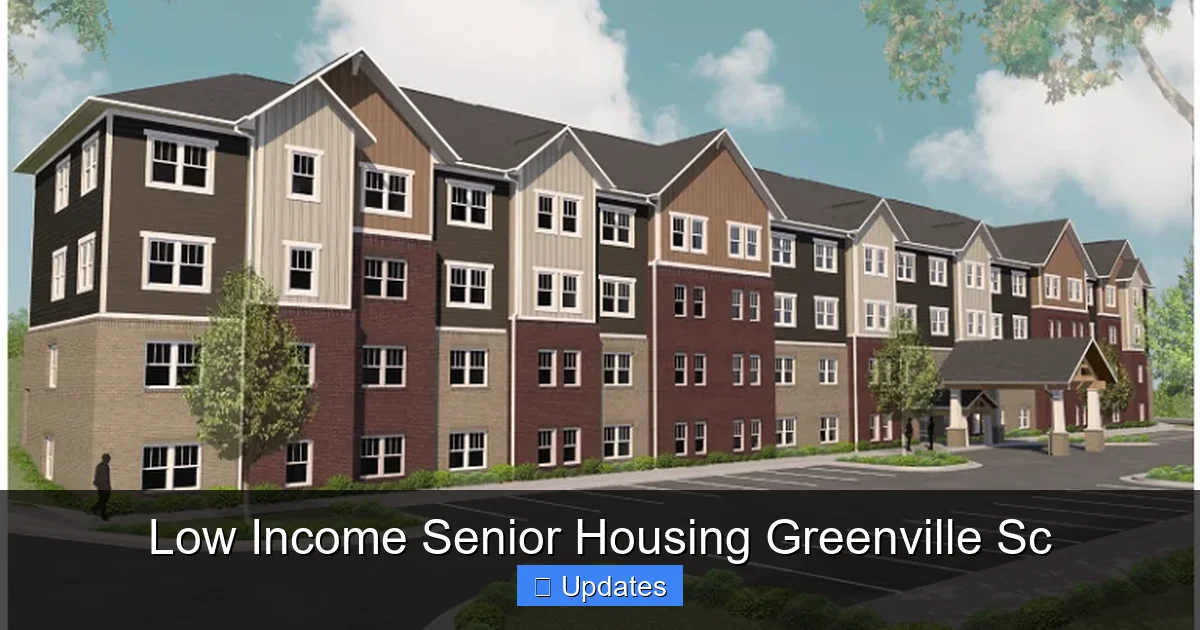
Visual guide about Low Income Senior Housing Greenville Sc
Image source: greenvillehousingfund.com
There are three primary models for low-income senior housing in Greenville:
1. HUD-Insured & Subsidized Properties
These are apartment complexes built and operated by private developers but funded and regulated by HUD. Residents pay reduced rents based on income, and the property owner receives a government subsidy to cover the difference. Units often feature accessibility features, community rooms, and sometimes on-site health screenings.
Examples in Greenville include Havenwood Senior Village and Parkside Place. Both have waiting lists exceeding two years, so persistence pays off.
2. Nonprofit & Faith-Based Communities
Organizations like Southern Baptist Home Ministries operate affordable senior housing with a focus on community, spiritual support, and holistic wellness. Rent is usually fixed and well below market rate, and many offer meal plans, transportation, and social events.
Southern Baptist Home Ministries runs multiple properties in Greenville County, including Village at St. Mary’s, which serves both Protestant and Catholic seniors regardless of denomination.
3. Public Housing & Housing Choice Vouchers
The Greenville Housing Authority (GHA) administers Section 8 vouchers that can be used toward rent in approved senior buildings. While GHA itself doesn’t own senior-specific housing, vouchers increase flexibility—allowing seniors to live anywhere in the city that accepts them.
However, voucher acceptance among landlords is inconsistent, especially in high-demand areas. Still, it’s worth applying if you’re open to exploring different neighborhoods.
Top Affordable Senior Housing Communities in Greenville, SC
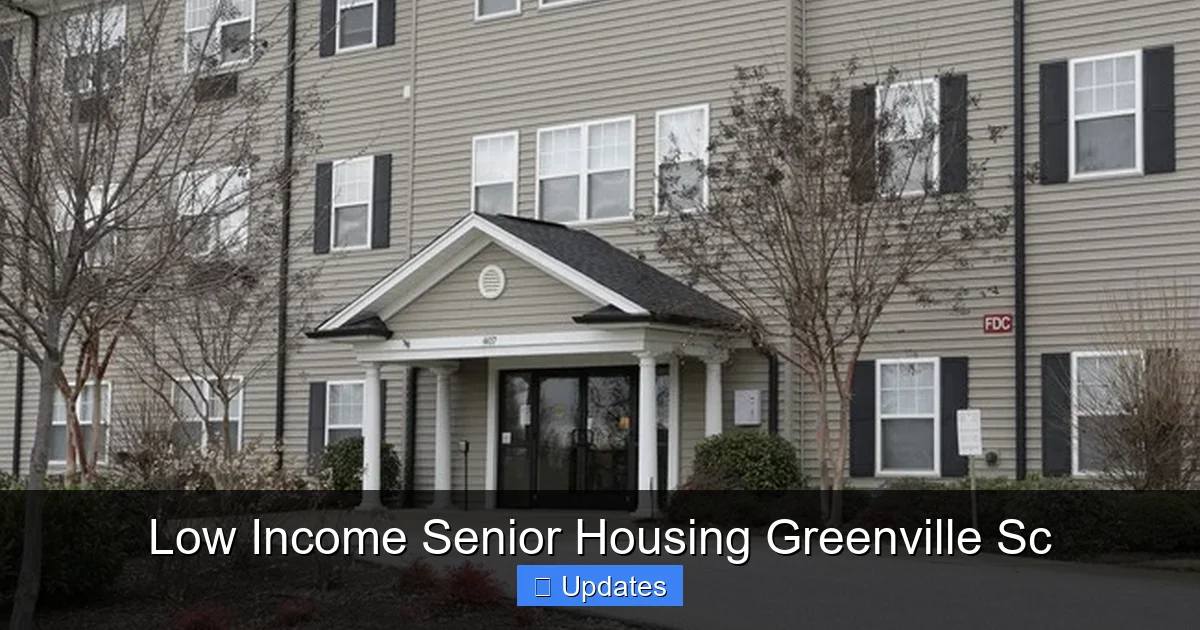
Visual guide about Low Income Senior Housing Greenville Sc
Image source: ahepaseniorliving.org
Let’s look at some of the most reputable and accessible options currently accepting applications or offering short-term stays:
Havenwood Senior Village
Located off Wade Hampton Boulevard, Havenwood offers one- and two-bedroom units with full kitchens, emergency call systems, and weekly housekeeping. Monthly rent ranges from $520 to $780 depending on income. Applications open twice yearly, usually in spring and fall.
Tip: Sign up for their email list immediately—spots fill fast.
Parkside Place
Managed by a nonprofit developer, Parkside Place provides barrier-free living with elevators, ramps, and ADA-compliant bathrooms. It includes a library, fitness center, and scheduled outings. Rent starts at $495/month for qualifying seniors.
Note: They prioritize applicants with documented mobility limitations.
Village at St. Mary’s (Southern Baptist Home Ministries)
This 60-unit complex blends affordability with faith-based community. Rent is $625/month flat, utilities included. Meals are served three times daily, and transportation is provided for medical appointments.
Ideal for seniors who value routine, fellowship, and low-maintenance living.
The Oaks at Heritage Woods
Though slightly more expensive ($850–$1,050), this property participates in HUD’s RAD (Rental Assistance Demonstration) program, allowing income-qualified seniors to receive subsidies reducing their share to under $700/month.
Pro tip: Ask about “income-restricted” units when touring—they’re often hidden gems.
How to Qualify and Apply for Low-Income Senior Housing
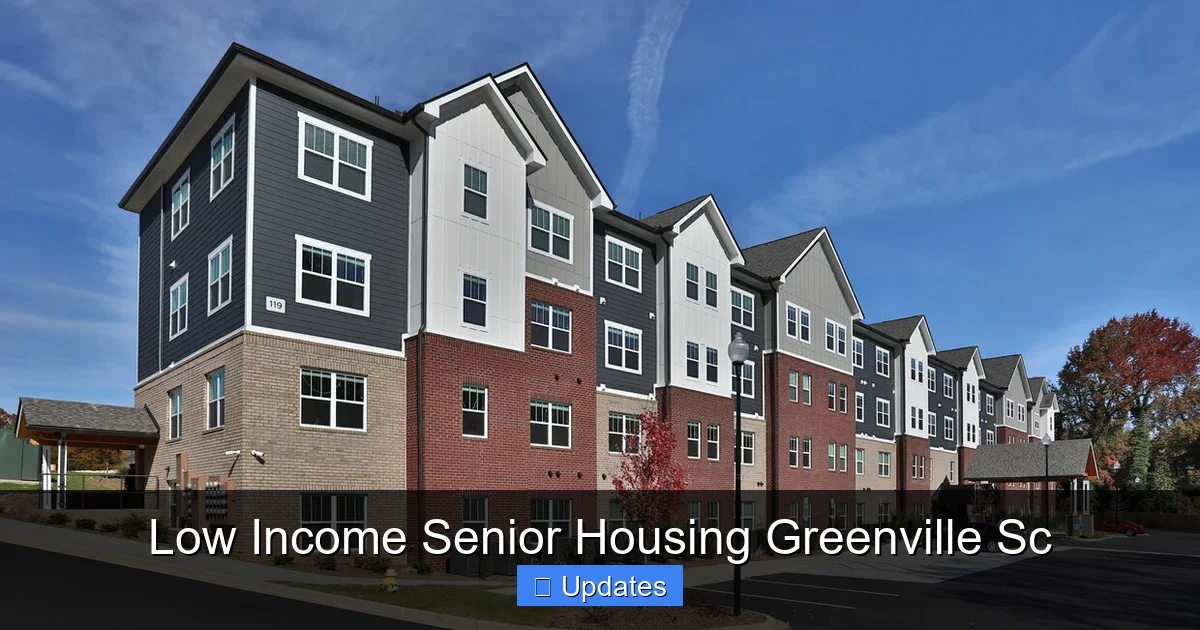
Visual guide about Low Income Senior Housing Greenville Sc
Image source: s3.amazonaws.com
Applying can feel overwhelming, but breaking it into steps makes it manageable:
Gather Required Documents
You’ll typically need:
– Proof of age (birth certificate or driver’s license)
– Social Security cards for all household members
– Recent tax returns or IRS Form 1099s
– Bank statements (last 2–3 months)
– Pay stubs or pension statements
– Medical records (if applying for supportive housing)
Check Income Eligibility
For a one-person household in Greenville County, the maximum income for most programs is $35,000–$40,000/year. Two-person households may qualify up to $45,000. Remember: this counts gross income before deductions.
Submit an Application
Applications are usually online or via mail. Don’t delay—many lists close within days of opening.
If you’re struggling with the process, contact the Greenville County Office on Aging. Their staff offers free application coaching and can submit documents on your behalf.
Attend an Interview (If Requested)
Some properties require a brief interview to assess needs and preferences. Be honest about health concerns, mobility issues, or social goals—this helps match you with the right community.
Additional Resources for Seniors in Greenville, SC
Beyond housing, staying independent requires wraparound support:
Greenville County Office on Aging
Phone: (864) 232-2010
Website: greenvillecounty.org
Services: Case management, utility assistance, meal delivery, transportation, and housing referrals.
South Carolina Department on Aging
Offers statewide benefits counseling, including help enrolling in Medicaid, SNAP, and Medicare Savings Programs. Call (800) 888-9996 for local office locations.
United Way of Greenville County
Dial 211 or visit unitedwaygc.org to access emergency rental assistance, food pantries, and legal aid.
Senior Resource Center at Bon Secours St. Francis Downtown
Provides free health screenings, flu shots, and chronic disease management. Located at 501 St. Francis Dr., open weekdays.
Practical Tips for Maximizing Your Chances
– Apply Early and Often: Even if a list isn’t open, ask to be placed on standby.
– Network with Peers: Join senior Facebook groups or attend community events—word travels fast.
– Consider Nearby Towns: Simpkins, Greer, or Mauldin may have shorter waitlists with similar amenities.
– Look for “No Waiting List” Opportunities: Occasionally, units turn over unexpectedly. Check bulletin boards at senior centers or call properties weekly.
– Explore Shared Housing: If solo living isn’t essential, consider room-sharing with another senior through platforms like Roomsters International or local church networks.
Remember: aging gracefully doesn’t mean aging alone. With planning and persistence, Greenville offers real solutions for seniors who want dignity, safety, and community.
Final Thoughts: Your Housing Journey Starts Now
Navigating low income senior housing Greenville SC doesn’t have to be frustrating. While the system is complex and competitive, thousands of seniors successfully secure affordable homes every year using the same strategies outlined here. Start by calling the Office on Aging or visiting a nonprofit housing site—take that first step today.
Affordable housing is more than shelter; it’s peace of mind. And in Greenville, that peace is closer than you think.
Frequently Asked Questions
What is the average rent for low-income senior housing in Greenville, SC?
Most low-income senior housing in Greenville costs between $300 and $700 per month, depending on income level and program rules. Utilities are often included, and residents typically pay only 30% of their adjusted gross income toward rent.
Are there any low-income senior housing options with no waiting list?
While rare, some smaller properties or newly developed units occasionally open up without long waits. Checking weekly with providers like Southern Baptist Home Ministries or calling the Greenville Housing Authority can reveal unexpected availability.
Can I apply for multiple senior housing programs at once?
Yes! Many seniors apply to several programs simultaneously to increase their chances. Just make sure each application is complete and submitted correctly—don’t duplicate efforts unnecessarily.
Does age matter when applying for low-income senior housing?
Most programs require applicants to be at least 62 years old. However, exceptions exist for disabled individuals under 62 who meet HUD’s definition of elderly or disabled housing.
Is transportation provided at these housing communities?
Many nonprofit and faith-based senior housing sites offer scheduled transportation for medical appointments and shopping. Government-subsidized properties may partner with local transit services but rarely guarantee door-to-door service.
What if my income exceeds the limit slightly?
Some programs allow a small cushion—up to 115% of the area median income—or offer “moderate-income” units at reduced rates. Contact the Greenville County Office on Aging for personalized guidance.
