
Long Handle Sponge vs Bath Brush for Seniors


Reading Light for Bed
Spill-Proof Adult Cup

Spill-Proof Travel Mug
Choosing between a long handle sponge vs bath brush can make a big change in daily shower safety. As we get older, reaching our back or feet gets much harder. A good washing tool helps older adults stay safe and independent in the tub.
Both tools add extra reach for those with stiff joints. But they feel and work in very different ways. Knowing how they differ helps you pick the right tool for your skin type and hand strength.
Quick Comparison
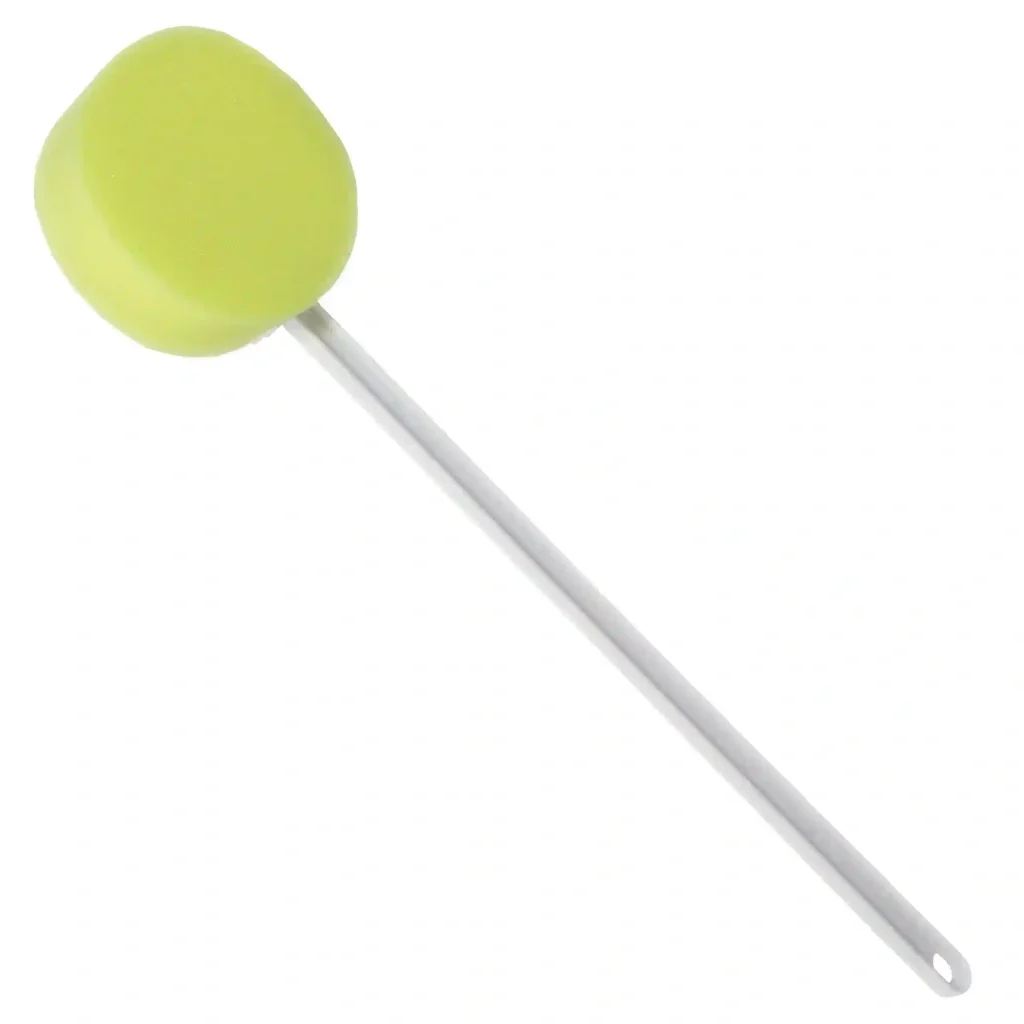
The main difference lies in skin care and daily upkeep. A long handle sponge is very soft and holds soap well, making it great for thin or frail skin. However, it can get heavy when wet and takes time to dry.
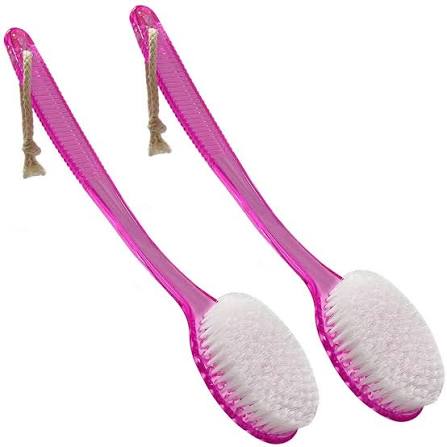
A bath brush has firm bristles that scrub dirt away and dry very fast. It works best for people with healthy skin who want a deep clean without lifting heavy, wet foam. If your skin tears easily, the sponge is the safer pick. If you have weak hands, the brush is easier to handle.
Long Handle Sponge vs Bath Brush At A Glance
Here is a quick look at how these two bathing tools compare. This simple chart shows the main traits of each item.
| Feature | Long Handle Sponge | Bath Brush |
| Skin Feel | Very soft and gentle | Firm to medium |
| Water Weight | Gets heavy when wet | Stays light all shower |
| Drying Time | Slow (needs squeezing) | Fast (shakes dry) |
Long Handle Sponge Review and Facts
A sponge on a stick is a classic tool for gentle washing. It brings a very soft touch to daily shower routines.
Ease of Use
A dry sponge is very light and easy to lift. The soft foam bends well against the body. It does not demand hard scrubbing. You just wipe it gently over the skin. But when it soaks up water, it gets quite heavy. Squeezing it out requires good hand strength. If you have bad arthritis, wringing it out can cause pain.
Key Strengths
- Very gentle on thin or frail skin.
- Makes rich soap lather very quickly.
- Bends easily around knees and shoulders.
- Will not scratch or scrape the body.
Potential Drawbacks
- Gains weight when soaked with water.
- Hard for weak hands to squeeze dry.
- Can grow mold if left damp.
Bath Brush Review for Shower Safety
A bath brush offers firm bristles for a deep scrub. It is a simple, sturdy tool that lasts a long time in a wet bathroom.
Ease of Use
A bath brush stays light even when wet. Water runs right off the plastic or nylon bristles. You do not have to squeeze it dry. Just give it a quick shake. The firm head does not bend, so you must angle your arm a bit more to wash curves. The handle is often stiff wood or hard plastic.
Key Strengths
- Does not get heavy in the shower.
- Dries very fast to stop mold growth.
- Great for dry skin and firm scrubs.
- Easy to rinse with a quick shake.
Potential Drawbacks
- Bristles may scratch very thin skin.
- Does not hold soap lather as well.
- Stiff head will not shape to the body.
Which Is Easier for Seniors to Use?
Ease of use depends heavily on hand strength and skin health. Here is how they match up for daily shower needs.
| Usability Factor | Long Handle Sponge | Bath Brush |
| Hand Strength Needed | High (for squeezing) | Low (just shake it) |
| Lather Effort | Low (foams easily) | Medium (needs rubbing) |
| Skin Safety | High (very gentle) | Medium (can scratch) |
The bath brush may be easier for seniors who have weak hands. You do not need to wring it out. It stays light the whole time. You will not strain your wrists trying to dry it.
But if an older adult has frail skin, the sponge is much safer. The soft foam glides smoothly without snagging or scratching. The sponge requires less arm pressure to feel soft against the body.
Performance Comparison
Both tools do a great job cleaning the back and lower legs. They just perform the task in different ways.
A sponge excels at holding soap and warm water. It acts like a thick, soft washcloth on a stick. It spreads body wash smoothly over large areas. This makes it a top choice for a soothing, warm wash. It holds heat well against sore muscles.
A bath brush is better for actual scrubbing. The bristles dig into dirt and dead skin. It takes less pressure to get a deep clean. However, the brush drops soap faster than the sponge. You might need to add more body wash during the shower to keep the lather going.
Comfort, Accessibility, and Senior-Friendly Design
Comfort in the shower is vital for a safe routine. Let us see how these designs support older adults.
“A good bathing tool should feel safe, light, and secure in soapy hands.”
Most sponges feature curved handles. This curve helps you reach your mid-back without bending your arms too far. The foam head is soft enough to wash tender spots safely. It moves well over bones and joints.
Brushes often have straight or slightly bent handles. They usually include rubber grips or a rope loop for the wrist. The loop stops the brush from falling if it slips. A dropped tool can cause a dangerous slip in the tub. The brush stays light, so it cuts down on shoulder strain during a long shower.
Features Comparison
Comparing specific traits shows which tool fits your bathroom setup best. This table breaks down common design parts.
| Key Feature | Long Handle Sponge | Bath Brush |
| Handle Shape | Usually curved | Often straight |
| Grip Type | Foam or rubber base | Rubber or bare wood |
| Storage | Hangs by string or hole | Hangs by string loop |
Price, Maintenance, and Long-Term Value
Cost and daily upkeep are key facts for any hygiene tool. Here is a look at what to expect for care.
| Maintenance Need | Long Handle Sponge | Bath Brush |
| Cleaning Task | Squeeze and air dry | Shake and hang up |
| Replacement Time | Every 1 to 2 months | Every 3 to 6 months |
| Mold Risk | Higher (stays damp) | Lower (dries fast) |
Both items are very low in price. You can find good options for under fifteen dollars. The real cost comes in replacing them. Sponges break down faster. They hold bacteria if they stay wet. You must buy new ones more often.
Brushes cost about the same but last much longer. The bristles do not trap water. This makes the bath brush a better long-term value. It takes less work to keep it clean.
Who Should Choose a Long Handle Sponge?
The sponge is best for specific health and skin needs. It offers a soft touch above all else.
- Choose the sponge if you have very thin, fragile, or torn skin.
- Choose the sponge if you bruise easily.
- Choose the sponge if you want thick soap lather.
- Choose the sponge if you have strong hands to wring it out.
- Choose the sponge if you want a warm, soothing wash.
Who Should Choose a Bath Brush?
The brush serves people who want a quick, easy tool. It shines in low-effort upkeep.
- Choose the brush if you have weak hands or arthritis.
- Choose the brush if you cannot squeeze a wet, heavy sponge.
- Choose the brush if you want to avoid mold and mildew.
- Choose the brush if your skin is healthy and intact.
- Choose the brush if you want to scrub away dry skin.
Final Verdict
Picking the right tool comes down to your personal health limits. Both items do a great job extending your reach.
Best for most seniors: The bath brush, because it stays light and will not mold easily.
Best for fragile skin: The long handle sponge, due to its soft foam head.
Best value: The bath brush, since it lasts longer before needing a swap.
Best for ease of use: The bath brush, as it needs no squeezing to dry.
Comparison Scoring Summary
This quick score guide rates both tools in key areas. It helps you see the whole picture.
| Category | Long Handle Sponge | Bath Brush |
| Ease of Use | 7/10 | 9/10 |
| Senior-Friendly Design | 8/10 | 8/10 |
| Skin Safety | 10/10 | 6/10 |
| Maintenance | 5/10 | 9/10 |
| Value | 6/10 | 9/10 |
How We Evaluate Products
We look closely at traits that matter most to older adults. Safety and daily comfort guide our review.
We check how much physical effort the item takes to use. We look at grip, water weight, and reach. We also think about daily upkeep, like cleaning and drying. We base our guide on product facts, practical design limits, and the common mobility needs of older adults in the shower.
Senior-Specific Buying Considerations
Keep these facts in mind when you shop for a new shower tool.
Physical Effort
Will the tool get too heavy when full of water? Check if it needs strong hands to clean and wring out.
Controls and Grip
Does the handle have a rubber grip? A bare plastic stick gets very slick and hard to hold with soapy hands.
Maintenance
Can it dry quickly in a damp bathroom? Slow drying leads to mold and bad smells.
Storage
Does it have a rope loop? You need to hang it safely out of the way so it does not sit in water.
Safety
Will the head scratch or tear the skin? Pick soft materials if your skin is getting thin.
Common Buying Mistakes
Avoid these errors when picking your new shower tool.
- Ignoring the heavy wet weight of a big foam sponge.
- Buying stiff nylon bristles that cause skin pain.
- Forgetting to check if the handle has a good rubber grip.
- Leaving a wet tool flat on the tub floor.
- Using the same sponge for too many months.
- Buying a stick that is too short for your arm reach.
Safety
Bathing can be a risky task as we age. A dropped tool can quickly lead to a bad fall.
Always look for a tool with a wrist strap. If the brush slips from your hand, the strap catches it. You will not have to bend down to grab it. Bending in a wet tub often causes falls. Also, hang the tool up to dry. A tool left on the floor is a major trip hazard. If you have severe skin issues or bad balance, ask a doctor for bathing tips before changing your routine.
Conclusion
The choice between a long handle sponge vs bath brush is about matching the tool to your body. The brush wins for overall ease and low upkeep. It stays light, scrubs well, and dries fast without extra work.
However, the sponge is the safest pick for very thin or frail skin. Take a good look at your hand strength and skin health before you buy. The right tool keeps your daily shower safe, easy, and relaxing.
