
List of Senior Centers in Philadelphia


Adjustable Walker with Wheels

Non-Slip Bathroom Mat

Slow Cooker Crock Pot
Philadelphia is home to over 50 senior centers that provide vital social, health, and recreational services for older adults. These centers offer everything from fitness classes to meal programs and transportation assistance. Whether you’re looking for daily activities or specialized care, this guide helps you find the perfect fit. Each center serves unique neighborhoods, ensuring accessibility and personalized support across the city.
Philadelphia stands out as one of the most senior-friendly cities in the United States, offering a rich network of resources designed specifically for older adults. With an aging population expected to grow significantly over the next decade, the need for accessible, high-quality senior centers has never been more important. These centers serve not just as gathering places but as lifelines—providing meals, medical support, educational workshops, and opportunities for social connection. For many seniors, especially those living alone or facing health challenges, these centers are essential to maintaining independence and dignity.
The city supports this mission through a mix of municipal agencies like the Department of Senior Services (DSenS) and independent nonprofits committed to enriching seniors’ lives. Each center reflects its neighborhood’s culture while delivering standardized core services such as nutritious meals, transportation, and recreational activities. Whether you’re a new resident seeking community or someone returning after years away, knowing where to go can make all the difference.
In this comprehensive guide, we’ll walk you through the top senior centers throughout Philadelphia, highlighting what makes each unique. From bustling downtown hubs to quiet suburban retreats, there’s something for every lifestyle and interest. We’ll also share practical tips on how to access services, what to expect when you visit, and how to get involved if you’re interested in volunteering or advocacy. Let’s dive into the heart of Philadelphia’s senior support system.
Key Takeaways
- Over 50 senior centers operate across Philadelphia—ranging from city-run facilities to nonprofit organizations.
- Services include meals, fitness, health screenings, and social events tailored to seniors’ needs.
- Many centers offer transportation options to help reduce mobility barriers for older adults.
- Financial assistance may be available through sliding scale fees or subsidies for low-income seniors.
- Programs vary by location—so checking specific offerings before visiting is recommended.
- Some centers partner with healthcare providers to deliver on-site wellness checks and chronic disease management.
- Volunteer opportunities exist at many centers, allowing younger adults to support their communities.
📑 Table of Contents
- Understanding Philadelphia’s Senior Center Network
- Top City-Run Senior Centers in Philadelphia
- Nonprofit and Faith-Based Senior Centers
- Specialized and Niche Senior Centers
- How to Access Services: Step-by-Step Guide
- Practical Tips for Maximizing Your Experience
- The Future of Senior Centers in Philadelphia
- Conclusion
Understanding Philadelphia’s Senior Center Network
Philadelphia’s approach to senior services blends public funding with community-driven initiatives. The City of Philadelphia’s Department of Senior Services oversees several key programs, including Meals on Wheels, the Area Agency on Aging, and grants that fund local centers. This structure ensures consistency in quality while allowing flexibility for neighborhood-specific needs.
Most senior centers operate under one of two models: city-operated or nonprofit-managed. City-run centers often have longer waitlists but benefit from stable government funding and integration with other municipal services. Nonprofit centers may offer more creative programming—like art therapy or technology training—but sometimes struggle with sustainability. Many successful centers fall somewhere in between, partnering with both the city and private donors to maintain operations.
Accessibility is a top priority. Centers are strategically located within walking distance of public transit, and many provide free or low-cost shuttle services for those who can’t drive. ADA compliance is standard, and staff members receive regular training in elder care and cultural sensitivity. This commitment to inclusion means seniors from diverse backgrounds—including immigrants, LGBTQ+ elders, and people with disabilities—feel welcome and supported.
Top City-Run Senior Centers in Philadelphia
Visual guide about List of Senior Centers in Philadelphia
Image source: pcacares.org
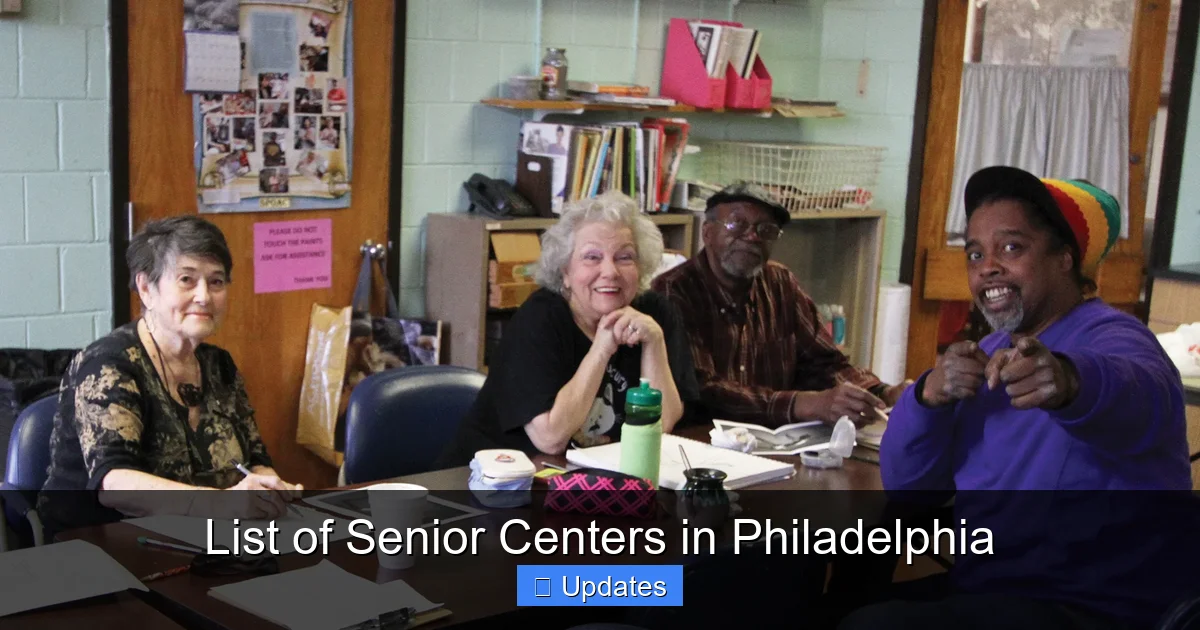
The City of Philadelphia operates several flagship senior centers that set the standard for service excellence. These facilities combine robust meal programs with dynamic activity schedules and strong outreach efforts.
Fairhill Senior Center
Located in the Fairhill neighborhood, this center has served North Philadelphia residents since 1972. It offers three hot meals daily, weekly fitness classes (including chair yoga and strength training), and a popular bingo night every Friday. One standout feature is its partnership with Temple University’s medical school, which brings student volunteers for blood pressure checks and health education monthly. Transportation is provided via the Fairhill Shuttle, making it easy for those without cars to attend. The center also hosts a monthly “Senior Social Hour” with live music and light refreshments.
St. Francis Community House
Nestled in the Kensington area, St. Francis is more than a senior center—it’s a full-service community hub. While primarily known for its early childhood programs, it dedicates significant space and resources to its senior wing. Seniors enjoy a rotating menu featuring culturally familiar dishes like Puerto Rican rice and beans, along with nutrition counseling from registered dietitians. The center also runs a computer lab where tech-savvy teens mentor seniors in using tablets and smartphones. Its proximity to the Broad Street subway makes it highly accessible.
Southwest Senior Center
Situated in Southwest Philadelphia, this center shines in arts programming. Seniors can take weekly pottery classes, join a choir, or participate in storytelling circles. The kitchen staff prepares healthy, budget-conscious meals using seasonal ingredients sourced from local farms. Notably, the center partners with Drexel University’s occupational therapy program, offering free hand exercises and fall-prevention workshops. Volunteers from nearby universities assist with tutoring grandchildren and helping with grocery shopping for homebound seniors.
Nonprofit and Faith-Based Senior Centers
Visual guide about List of Senior Centers in Philadelphia
Image source: libertylutheran.org
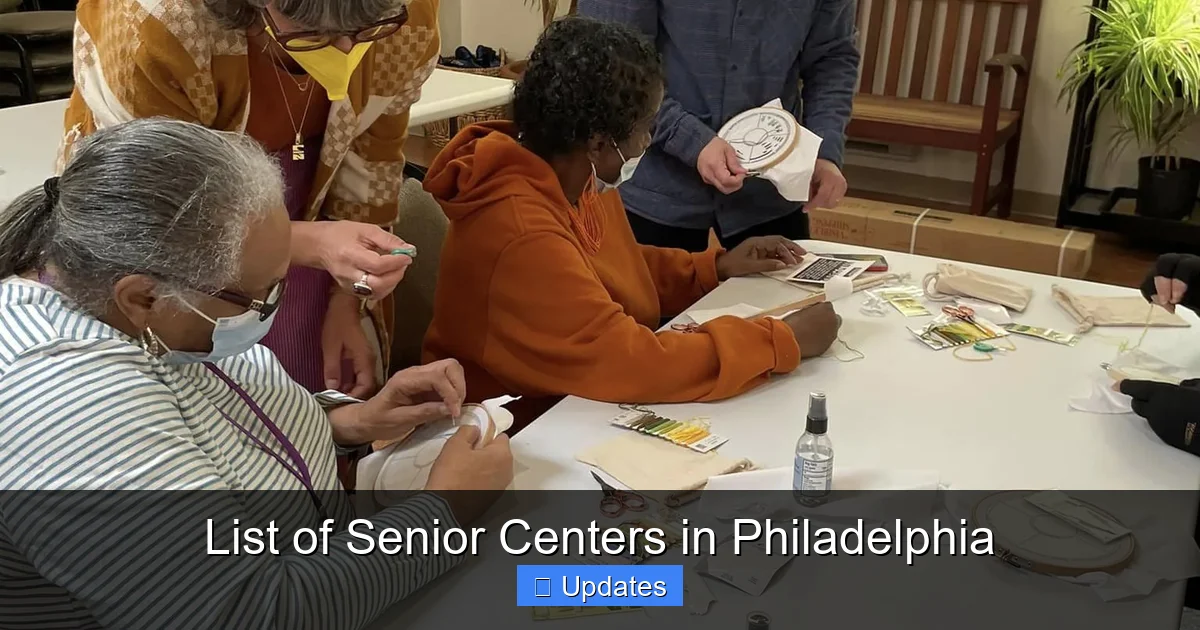
While city-run centers form the backbone of Philadelphia’s senior infrastructure, many impactful programs come from faith-based organizations and grassroots nonprofits. These centers often develop deep trust within tight-knit communities and tailor services to reflect local values and traditions.
Congreso de Latinos Unidos – Senior Services
This Northeast Philadelphia institution has been serving Latino families for decades, and its senior division is particularly beloved. The center provides bilingual staff, traditional holiday celebrations, and culturally relevant nutrition education. Seniors gather daily for coffee hour, Spanish conversation clubs, and health fairs featuring screenings for diabetes and hypertension. They also run a successful “Meals on Wheels” program that delivers food to homebound elders twice weekly. Their annual Fiesta del Adulto Mayor draws hundreds of attendees each spring.
Bethel African Methodist Episcopal Church Senior Ministries
Located in West Philadelphia, Bethel AME integrates spiritual care with practical support. Their senior ministry includes prayer groups, Bible study, and fellowship dinners. But beyond faith, they offer critical services like Medicaid enrollment assistance, legal aid referrals, and foot clinics staffed by podiatrists. The center’s “Walking Club” meets every morning outside the church, encouraging physical activity among neighbors. They also collaborate with Penn Medicine to host quarterly wellness days.
Arlington Community Association Senior Program
Though technically part of a larger community center, Arlington’s senior program operates with autonomy and creativity. Seniors here enjoy a wide array of options: from line dancing to bridge tournaments to woodworking workshops. Their “Grandparent Mentorship Initiative” pairs seniors with at-risk youth for academic tutoring and life coaching. Meals are subsidized based on income, and transportation is arranged through volunteer drivers. The center’s garden plot allows seniors to grow herbs and vegetables, promoting both physical activity and food security.
Specialized and Niche Senior Centers
Visual guide about List of Senior Centers in Philadelphia
Image source: resolvephilly.org
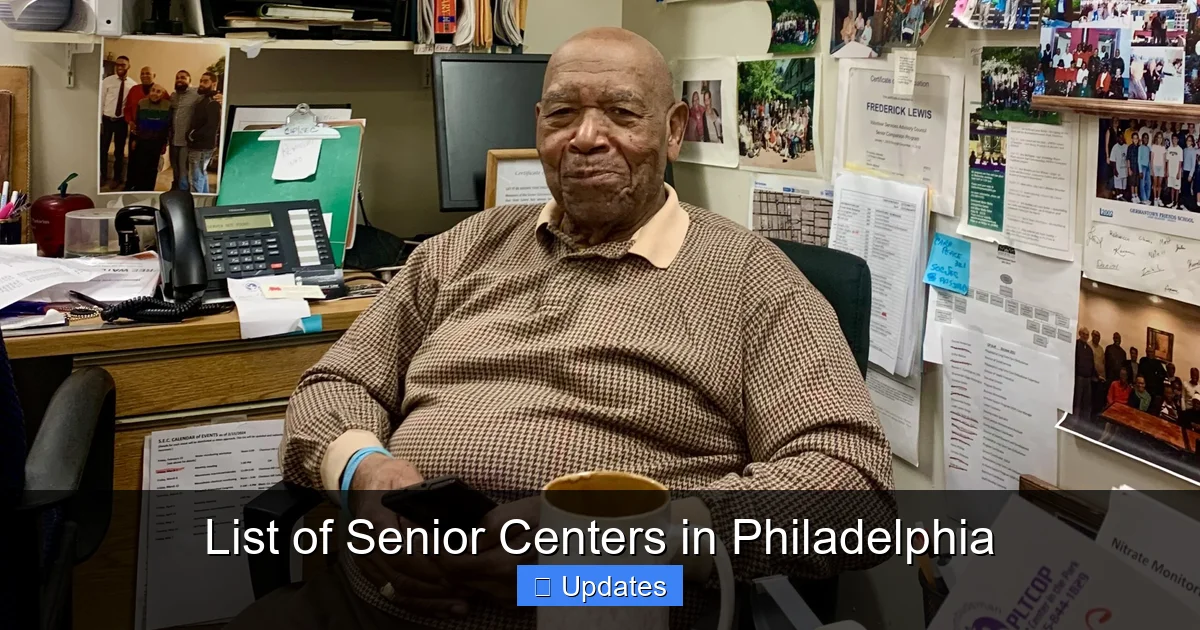
Not all senior centers follow the same model. Some focus on specific populations or offer highly specialized services that address unique needs within Philadelphia’s diverse senior community.
Philadelphia LGBT Center Senior Program
One of the first of its kind nationally, this center provides affirming space for LGBTQ+ seniors who may feel isolated due to discrimination or family estrangement. Programs include support groups led by peer counselors, transgender health workshops, and intergenerational film nights. They also host a monthly “Golden Gayz” mixer with drag performances and ballroom dancing. The center collaborates with Jefferson Health to offer discreet HIV testing and mental health counseling.
Jewish Family & Children’s Service – Senior Services
Serving Orthodox, Conservative, and Reform Jewish seniors across the city, this center emphasizes continuity of tradition alongside modern support. Shabbat dinners, Passover seders, and Hanukkah parties keep cultural ties strong. Beyond holidays, they provide kosher meal delivery, synagogue transportation, and end-of-life planning guidance. Their “Memory Café” offers a safe space for individuals with dementia and their caregivers, complete with sensory stimulation activities and respite breaks.
Center for Autism & Related Disorders – Senior Support Group
While not exclusively for seniors, this program recognizes that many adults with autism live into later life without adequate support. Their weekly meetings use visual schedules and structured routines to create predictability. Topics range from managing sensory overload to navigating Medicare. Caregivers are included in discussions about long-term housing and employment transitions. The group meets at the main facility in Bala Cynwyd but welcomes virtual participation.
How to Access Services: Step-by-Step Guide
Getting connected to a senior center doesn’t require a referral or complicated paperwork—just initiative and curiosity. Here’s how to get started:
First, identify your preferred neighborhood or area of the city. Walk or drive past potential centers during operating hours to observe the vibe and ask questions at the front desk. Most allow drop-in visits for tours or sample meals.
Next, call ahead to confirm current capacity limits, especially post-pandemic. Ask about required vaccinations, mask policies, and whether reservations are needed for meals or activities. Many centers now offer hybrid options—attending in person or joining virtually via Zoom.
To qualify for reduced-fee or free services, bring proof of income (such as a tax return or benefits statement). Financial aid forms are typically available onsite or online. Don’t hesitate to explain your situation—staff are trained to handle sensitive matters with empathy.
If transportation is a barrier, inquire about the city’s “Senior Ride” program, which provides subsidized trips to medical appointments and senior centers. Alternatively, volunteer driver networks like “Friends Helping Friends” offer rides for a small donation.
Finally, consider volunteering yourself. Even two hours a week can open doors to deeper involvement. Tutoring literacy classes, assisting with event setup, or simply chatting with lonely seniors can be incredibly rewarding.
Practical Tips for Maximizing Your Experience
Making the most of your time at a senior center starts with preparation. Wear comfortable shoes—many activities involve movement. Bring a water bottle and any necessary medications. If you use hearing aids or glasses, ensure they’re charged and ready.
Introduce yourself to staff and fellow attendees. Building relationships leads to invitations to special events, private groups, and insider knowledge about unadvertised services. Ask about upcoming workshops—perhaps on estate planning, pet care, or travel discounts for seniors.
Take advantage of free resources like resume writing help, voter registration drives, and tax preparation assistance. Many centers host partnerships with banks, law firms, and government offices.
Stay flexible. Programming changes seasonally, so check bulletin boards or websites regularly. Summer might bring outdoor movie nights; winter could feature craft fairs. Being open to new experiences enriches your social calendar and broadens your worldview.
And remember: silence isn’t failure. If a class feels too challenging, observe first, then try again later. Everyone progresses at their own pace. The goal isn’t perfection—it’s engagement.
The Future of Senior Centers in Philadelphia
As technology evolves and generational attitudes shift, Philadelphia’s senior centers are adapting quickly. Digital literacy classes are now mandatory at many locations, teaching seniors how to video-call grandchildren, shop online safely, and access telehealth services. Robotics labs introduce AI companionship tools, while virtual reality headsets transport users to historical sites or nature reserves.
Sustainability is another growing focus. Several centers have installed solar panels, compost bins, and rainwater harvesting systems. Urban gardening projects turn vacant lots into productive green spaces. These efforts reduce costs and foster environmental stewardship among older adults.
Policy-wise, advocates continue pushing for increased city funding and streamlined eligibility processes. Recent legislation expanded Medicaid coverage for preventive senior services, making screenings and vaccinations more accessible. Meanwhile, intergenerational programs—where children and seniors co-create art or play games together—are proving especially effective at combating ageism and loneliness.
Looking ahead, expect more centers to adopt hybrid models, blending physical presence with digital engagement. Mobile apps will likely integrate calendars, meal menus, and emergency alerts. Partnerships with ride-sharing companies may replace traditional shuttles, offering real-time tracking and fare discounts.
Most importantly, the ethos remains unchanged: dignity, respect, and belonging for all seniors. As Philadelphia ages, its commitment to this principle will determine whether its senior centers remain vibrant hubs or fade into obscurity.
Conclusion
Philadelphia’s senior centers are far more than buildings with chairs and tables—they are engines of connection, health, and hope. From the bustling energy of Fairhill to the serene warmth of Arlington’s garden, each facility tells a story of resilience and community. Whether you seek intellectual stimulation, physical activity, spiritual nourishment, or simply a friendly face at lunchtime, you’ll find it here.
The journey begins with a single step: calling, walking, or driving to the nearest center. Staff members greet newcomers with open arms, eager to help you navigate services and forge friendships. And once you’re in, you’ll discover that age is no barrier to joy, purpose, or contribution.
For caregivers, these centers offer respite and education. For policymakers, they demonstrate what compassionate urban planning looks like. For everyone else, they represent a reminder that growing older doesn’t mean growing apart—it means finding new ways to belong.
So go ahead. Explore. Engage. Belong.
Frequently Asked Questions
Are all senior centers in Philadelphia free to use?
No, most centers charge nominal fees based on income. Low-income seniors can apply for financial assistance, and many offer sliding scale pricing. Some activities like bingo or movie nights have small admission costs, but meals and basic services are often subsidized.
Can I visit a senior center without registering in advance?
Yes, most centers welcome drop-in visitors for tours, sample meals, or attending public events. However, certain programs like fitness classes may require pre-registration due to limited space.
Do senior centers offer transportation for homebound seniors?
Yes, many centers partner with city programs or volunteer networks to provide transportation. The Department of Senior Services’ “Senior Ride” program offers discounted fares, and some centers run their own shuttles from designated pickup points.
What types of health services are available at senior centers?
Common services include blood pressure checks, flu shots, vision and hearing screenings, diabetes education, and chronic disease management workshops. Some centers collaborate with local hospitals to offer on-site nurse consultations or physical therapy sessions.
Are pets allowed at senior centers?
Pet policies vary by center. Some welcome emotional support animals with proper documentation, while others prohibit pets due to allergies or liability concerns. It’s best to call ahead if you plan to bring a companion animal.
Can younger adults volunteer at senior centers?
Absolutely. Many centers rely on volunteers for tutoring, event coordination, administrative tasks, and even pet therapy. Youth programs often encourage high school students to earn community service hours through senior mentorship roles.
