
Leo Mahany / Harold Meininger Senior Community Center

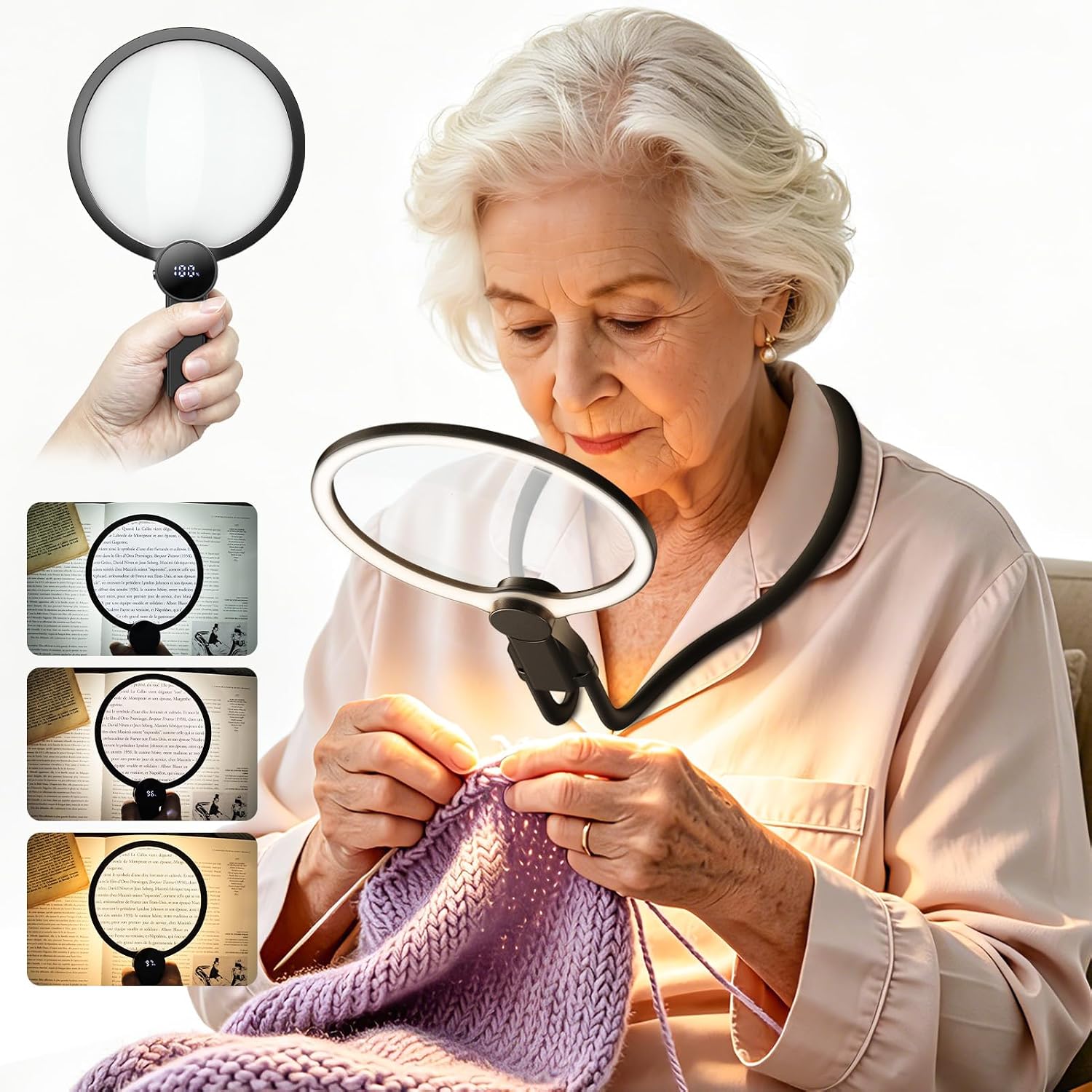
5X Large Rechargeable Hands Free Magnifying Glass with Light

OMRON Bronze Upper Arm Blood Pressure Monitor

REHAND Walking Cane - Foldable, Adjustable, Collapsible
The Leo Mahany / Harold Meininger Senior Community Center is a vibrant hub in Gardnerville, Nevada, dedicated to enriching the lives of older adults through wellness programs, social activities, and lifelong learning. Whether you’re looking for fitness classes, arts and crafts, or simply a place to connect with peers, this center offers something for everyone. With a focus on health, friendship, and purpose, it’s more than just a community center—it’s where seniors thrive.
Nestled in the heart of Douglas County, Nevada, the Leo Mahany / Harold Meininger Senior Community Center stands as a beacon of hope, activity, and belonging for older adults in Gardnerville and surrounding areas. Opened in 1998 and named after two beloved community advocates, the center was created to address the growing need for accessible, senior-focused programming in rural Nevada. Since its inception, it has grown from a modest space into a dynamic hub where generations connect, health thrives, and lifelong friendships flourish.
Today, the center serves over 400 members each month, offering a wide array of services designed to support physical, emotional, and social well-being. Whether you’re a lifelong resident or new to the area, this center welcomes you with open arms. It’s not just about attending events—it’s about finding your tribe, rediscovering joy, and staying engaged with life at every stage.
Key Takeaways
- Holistic Wellness Programs: The center offers fitness classes like water aerobics, tai chi, and strength training tailored for seniors, promoting physical health and mobility.
- Engaging Social Activities: From bingo nights to book clubs and holiday celebrations, residents enjoy regular events that foster connection and reduce isolation.
- Lunch Program & Nutrition Support: A hot, nutritious lunch is served daily, supporting seniors who may have limited access to healthy meals.
- Arts & Creative Expression: Art classes, music sessions, and craft workshops provide creative outlets and cognitive stimulation.
- Volunteer & Leadership Opportunities: Seniors can give back by volunteering as mentors, event helpers, or program assistants, staying active in their communities.
- Accessible & Inclusive Environment: The center is ADA-compliant and welcomes all abilities, ensuring everyone can participate comfortably.
- Community Partnerships: Collaborations with local healthcare providers and nonprofits enhance resources like health screenings and transportation assistance.
📑 Table of Contents
- A Legacy of Service: Honoring Leo Mahany and Harold Meininger
- Daily Life at the Center: What to Expect
- Special Events: Bringing the Community Together
- How to Get Involved: Membership and Volunteering
- Partnerships That Strengthen Impact
- Looking Ahead: Future Vision and Expansion Plans
- Conclusion: More Than a Center—A Second Home
A Legacy of Service: Honoring Leo Mahany and Harold Meininger
The center’s name pays tribute to two individuals whose dedication shaped the community. Leo Mahany was a local educator and advocate who believed in the power of lifelong learning. For decades, he championed programs that empowered seniors to remain active participants in civic and cultural life. Harold Meininger, a retired businessman and volunteer, focused on building bridges between generations. His work emphasized mutual respect and shared purpose.
When the center opened, it was envisioned as more than a facility—it was meant to be a living legacy. Today, that vision continues through programs that honor both men’s values: education, inclusion, and service. Every class, every meal, and every handshake reflects their enduring impact.
Daily Life at the Center: What to Expect
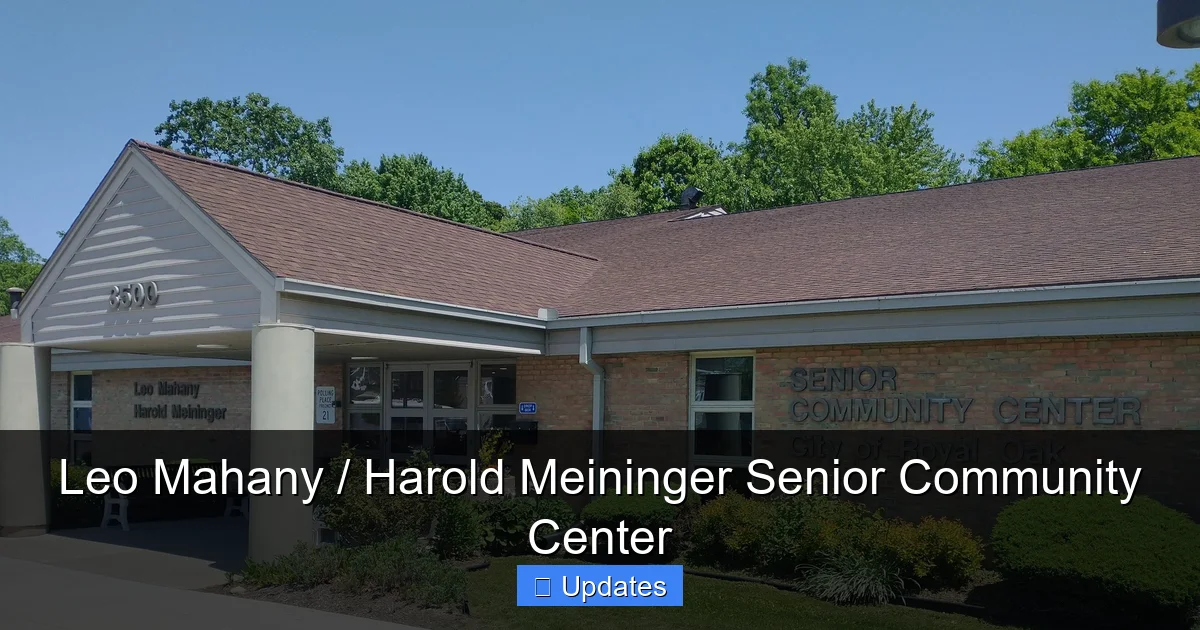
Visual guide about Leo Mahany / Harold Meininger Senior Community Center
Image source: romi.gov
Life at the Leo Mahany / Harold Meininger Senior Community Center is anything but ordinary. Each day brings new opportunities to learn, move, create, and connect. Morning begins with coffee and conversation in the lounge, followed by fitness classes like chair yoga or gentle stretching. Midday features the popular hot lunch program, where meals are prepared fresh daily using locally sourced ingredients.
Afternoons buzz with activity. You might find someone painting landscapes in the art studio, while another joins a bridge game in the multipurpose room. Evening often ends with live music or a movie night. The center operates Monday through Friday, with extended hours during special events. There’s always something happening—no one ever feels left out.
The Hot Lunch Program: Nourishing Body and Soul
One of the center’s most cherished services is its daily hot lunch. Served from 11:30 AM to 1:00 PM, the menu changes weekly and includes balanced options like grilled chicken salads, whole grain pasta dishes, and vegetarian chili. All meals meet USDA nutrition guidelines and are low in sodium and sugar.
For many seniors, this meal is the highlight of their week. Not only does it provide essential nutrients, but it also ensures they don’t eat alone. Dining together builds community and gives people something to look forward to. Volunteers help serve food, creating a warm, welcoming atmosphere.
If transportation is a barrier, the center partners with local ride-share programs to bring seniors safely to and from meals. This service has been especially vital since the pandemic, when isolation became a real concern.
Fitness for Life: Staying Strong and Mobile
Physical activity is key to healthy aging, and the center makes it fun and accessible. Classes like water aerobics (held at the nearby Douglas County pool), tai chi, and resistance training are led by certified instructors. These programs focus on balance, flexibility, and strength—critical for preventing falls and maintaining independence.
For those who prefer lower-impact movement, seated exercises and dance classes offer great alternatives. The center also hosts quarterly health fairs with free blood pressure checks, bone density scans, and flu shots. Partnering with local clinics, these events make preventive care convenient and affordable.
Tip: Always inform your instructor about any medical conditions before starting a new class. Safety first!
Crafting Connections: Arts and Culture Programming
Creativity doesn’t fade with age—it evolves. At this center, artistic expression is celebrated through weekly art classes, poetry readings, and seasonal craft workshops. Residents create pottery, knit blankets for charity, and even produce short films together.
The annual “Art of Aging” exhibit showcases member artwork at the Carson City Art Museum, giving seniors national recognition. Music is another passion point: a community choir rehearses monthly, and piano lessons are offered for beginners and advanced players alike.
These activities do more than build skills—they boost confidence and memory. Studies show that engaging in the arts reduces stress and enhances emotional well-being.
Special Events: Bringing the Community Together
Visual guide about Leo Mahany / Harold Meininger Senior Community Center
Image source: romi.gov
Beyond routine programming, the center hosts unforgettable events throughout the year. Holiday parties, potlucks, and talent shows draw large crowds. In winter, a tree lighting ceremony includes caroling and hot cocoa. Summer brings outdoor movie nights under the stars.
One standout tradition is the “Senior Olympics,” where participants compete in friendly games like shuffleboard, bowling, and trivia. Prizes are awarded, but the real win is the laughter and camaraderie. Local schools often volunteer, teaching students about intergenerational bonds.
These events reinforce the center’s mission: to create joy, reduce loneliness, and celebrate aging with dignity.
Health and Wellness Initiatives
Preventive care is a cornerstone of the center’s philosophy. Beyond fitness, staff coordinate regular screenings and workshops on topics like diabetes management, medication safety, and fall prevention. A registered dietitian visits monthly to offer personalized nutrition advice.
Mental health is equally prioritized. Weekly support groups address grief, anxiety, and caregiver stress. Mindfulness sessions and guided meditation help manage chronic pain and improve sleep quality.
Example: After Hurricane Maria, many seniors faced increased anxiety. The center introduced trauma-informed counseling, which helped dozens regain emotional stability.
How to Get Involved: Membership and Volunteering
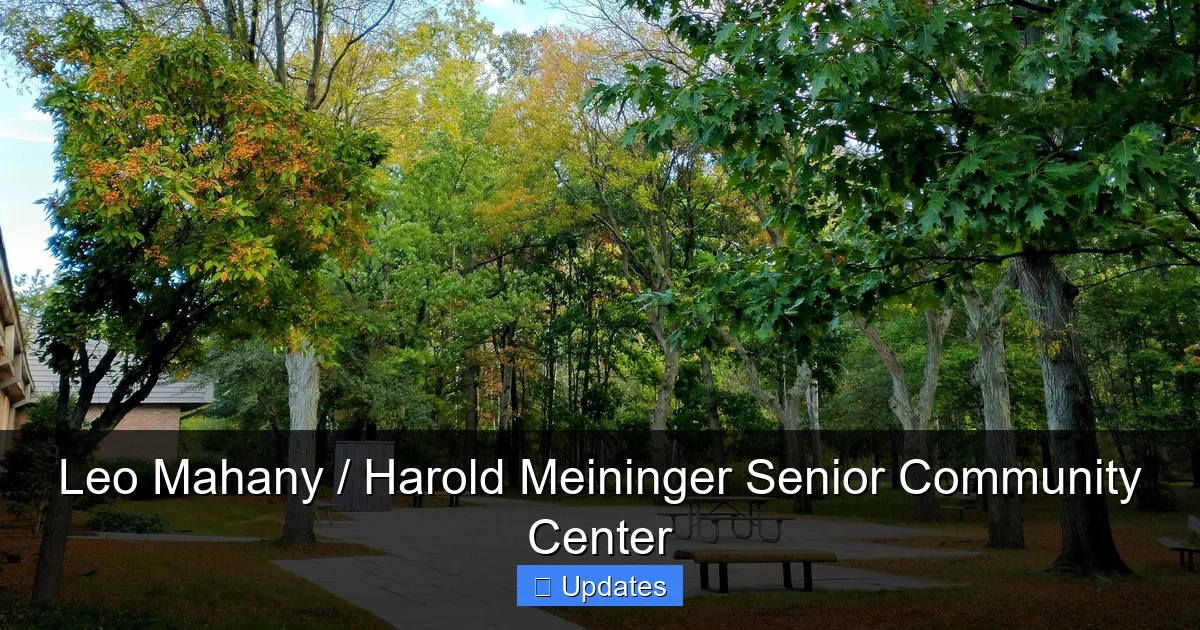
Visual guide about Leo Mahany / Harold Meininger Senior Community Center
Image source: romi.gov
Becoming a member is easy. Annual dues are $25 for individuals and $35 for couples, covering access to all programs. No one is turned away due to inability to pay—financial hardship waivers are available.
Volunteering is another powerful way to contribute. Positions range from serving meals to assisting with computer classes. Many former volunteers say it gave them renewed purpose. Training is provided, and schedules are flexible.
If you’re interested, stop by during operating hours or call the front desk. Staff will guide you through options based on your interests and availability.
Accessibility and Inclusion Efforts
The center is committed to being welcoming to all. Ramps, elevators, and wide doorways ensure wheelchair accessibility. Large-print materials, hearing loops, and sign language interpreters are available upon request.
Programs are adapted for those with dementia or cognitive challenges. Memory cafes—informal gatherings with soft music and simple games—provide safe socialization.
Pro Tip: Call ahead if you need accommodations. Staff are happy to help plan your visit.
Partnerships That Strengthen Impact
No organization thrives in isolation. The center collaborates with local businesses, nonprofits, and government agencies to expand its reach. Examples include:
– Dignity Health: Offers free health screenings twice a year.
– Douglas County Library: Hosts storytime for seniors with vision impairments.
– Nevada Department of Health and Human Services: Funds the nutrition program.
– Local Pharmacies: Provide discounted medications through outreach clinics.
These partnerships mean more resources, less duplication, and greater impact for every dollar spent.
Youth Engagement: Building Bridges Across Generations
Intergenerational programs are growing in popularity—and the center leads the way. High school students tutor seniors in technology, while college interns assist with arts projects. One memorable initiative paired teens with elders to document life stories, resulting in a published book.
Such exchanges benefit both sides. Youth gain empathy and perspective; seniors feel valued and heard. The center also hosts pen pal programs between local schools and veterans abroad.
This model mirrors successful efforts at places like City Center Village Senior Community, where cross-generational mentorship flourishes.
Looking Ahead: Future Vision and Expansion Plans
The center’s future is bright. Recent grants have funded a new wellness wing featuring a therapy pool and expanded counseling rooms. Plans are underway to launch a mobile app that tracks attendance, reminds users of upcoming events, and connects members virtually.
Long-term goals include adding a greenhouse for therapeutic gardening and expanding the volunteer coordinator role. Sustainability is key—solar panels and rainwater harvesting systems are being installed to reduce costs.
Despite these plans, the heart remains unchanged: serving seniors with compassion, dignity, and fun.
Real Stories: Voices from the Community
Meet Eleanor, 78, who joined after her husband passed away. “I was lonely,” she says. “Now, I look forward to Tuesdays for bingo and Thursdays for painting. My friends are my family.”
Then there’s Robert, 82, a former teacher who now leads history discussions. “Sharing stories keeps my mind sharp,” he explains. “And the kids who visit me? They remind me why learning never stops.”
These testimonials echo across the center. Members consistently cite reduced depression, improved mobility, and stronger social ties as top benefits.
Conclusion: More Than a Center—A Second Home
The Leo Mahany / Harold Meininger Senior Community Center is far more than a building with walls and chairs. It’s a living testament to what happens when communities invest in their elders. Through thoughtful design, inclusive policies, and passionate staff, it transforms lives one day at a time.
Whether you seek exercise, friendship, or a sense of purpose, this center offers it all. And with ongoing innovation and deep-rooted traditions, it will continue to be a cornerstone of Gardnerville’s spirit for years to come.
Come visit. Bring a friend. Or start as a visitor—you’ll quickly discover why so many call it home.
For more inspiring examples of senior centers making a difference, explore our guide to Forest Grove Senior and Community Center or learn how Douglas County Community Senior Center supports rural wellness initiatives.
Frequently Asked Questions
What are the operating hours of the Leo Mahany / Harold Meininger Senior Community Center?
The center is open Monday through Friday from 8:00 AM to 4:30 PM. Weekend hours vary by event, so check the calendar for updates. Most programs run during weekday mornings and afternoons.
Is there a fee to join the center?
Yes, annual membership is $25 for individuals and $35 for couples. Financial hardship waivers are available—just ask staff for assistance. No one is denied access due to cost.
Does the center offer transportation for meals or activities?
Yes. The center partners with local ride-share services to transport members to and from meals and select events. Call ahead to schedule a pickup.
Are classes suitable for beginners or people with limited mobility?
Absolutely. Classes are modified for all levels, including seated options. Instructors adapt exercises to individual needs. Let them know about any health concerns beforehand.
Can younger family members participate in center activities?
While primary focus is on seniors, intergenerational programs welcome youth volunteers and participants. Check the schedule for family-friendly events like movie nights or craft days.
How can I volunteer at the center?
Visit during business hours or call to speak with the volunteer coordinator. Roles include meal service, event setup, and tutoring. No experience required—training is provided.