
Las Cruces Senior Center Menu


Fall Detection Smart Watch

Book Holder Stand

Bathroom Grab Bar Set
The Las Cruces Senior Center menu is more than just a meal—it’s a cornerstone of community, health, and independence for local seniors. Designed with nutrition and taste in mind, the rotating menu offers affordable, balanced lunches that accommodate common dietary restrictions. Beyond the food, this program is a vital social connector, combating loneliness and promoting wellness in a welcoming, hub-like environment.
Key Takeaways
- Nutritious & Rotating Menu: The center provides a planned, balanced lunch program that changes daily, ensuring variety and meeting nutritional guidelines for older adults.
- Accommodates Special Diets: Menus are thoughtfully planned to accommodate common needs like low-sodium, diabetic-friendly, and textured-modified options.
- Social Hub, Not Just a Cafeteria: Sharing a meal here is a primary social activity, designed to reduce isolation and build community among attendees.
- Highly Accessible Pricing: Meals are offered on a donation basis (suggested $3-$5) for those 60+, making it an affordable option for all income levels.
- Integrated Wellness: Dining is part of a larger ecosystem of health, often linked with on-site wellness checks, nutrition education, and activity programming.
- Volunteer-Driven Spirit: The program relies heavily on community volunteers for meal service, fostering intergenerational connection and ownership.
- Gateway to Other Services: Regular attendees gain awareness of and access to other center services, from fitness classes to benefit assistance, much like the comprehensive hub model seen at places like the Edina Senior Center.
📑 Table of Contents
- The Heart of the Community: More Than Just Lunch
- A Day in the Life of the Menu: What’s on Your Plate?
- Special Dietary Accommodations: Eating Safely & Comfortably
- Pricing, Accessibility, and How to Participate
- Beyond the Meal: The Holistic Impact of the Dining Program
- Practical Tips for First-Time Visitors and Families
The Heart of the Community: More Than Just Lunch
When you think of a senior center menu, you might picture a simple, institutional-style cafeteria line. But in Las Cruces, New Mexico, the dining program at the city’s senior centers is the vibrant, beating heart of the community. It’s where the day’s news is shared over a plate of enchiladas, where friendships forged over decades are nurtured, and where the simple act of eating a hot, nutritious meal becomes a powerful act of self-care and social engagement. The Las Cruces Senior Center menu is a carefully crafted tool in the fight against senior isolation and malnutrition, wrapped in the welcoming aroma of home-cooked food.
This isn’t just about sustenance; it’s about connection. For many seniors, especially those living alone, the midday meal at the center is the highlight of their day. It provides structure, a reason to leave the house, and a guaranteed opportunity for conversation. The staff and volunteers understand this implicitly. They don’t just serve food; they create an atmosphere.Tables are often arranged to encourage mingling, with space for regulars to claim their “usual” spot. The clatter of trays is accompanied by laughter, shared stories, and the occasional impromptu celebration for a birthday or anniversary. This social dining environment has been shown to improve appetite and digestion, making the nutritional benefits of the meal even more effective. It’s a holistic approach to senior wellness that you can truly taste.
A Day in the Life of the Menu: What’s on Your Plate?
The cornerstone of the program is its commitment to the Dietary Guidelines for Americans and the specific nutritional needs of adults over 60. The menu is planned by a certified dietary manager or in consultation with a nutritionist, focusing on adequate protein, fiber, calcium, and vitamins while managing sodium, sugar, and saturated fats. A typical hot lunch includes a protein (meat, fish, or plant-based), two vegetables (often one leafy green), a whole grain or starchy vegetable, a fruit, and a fortified milk product.
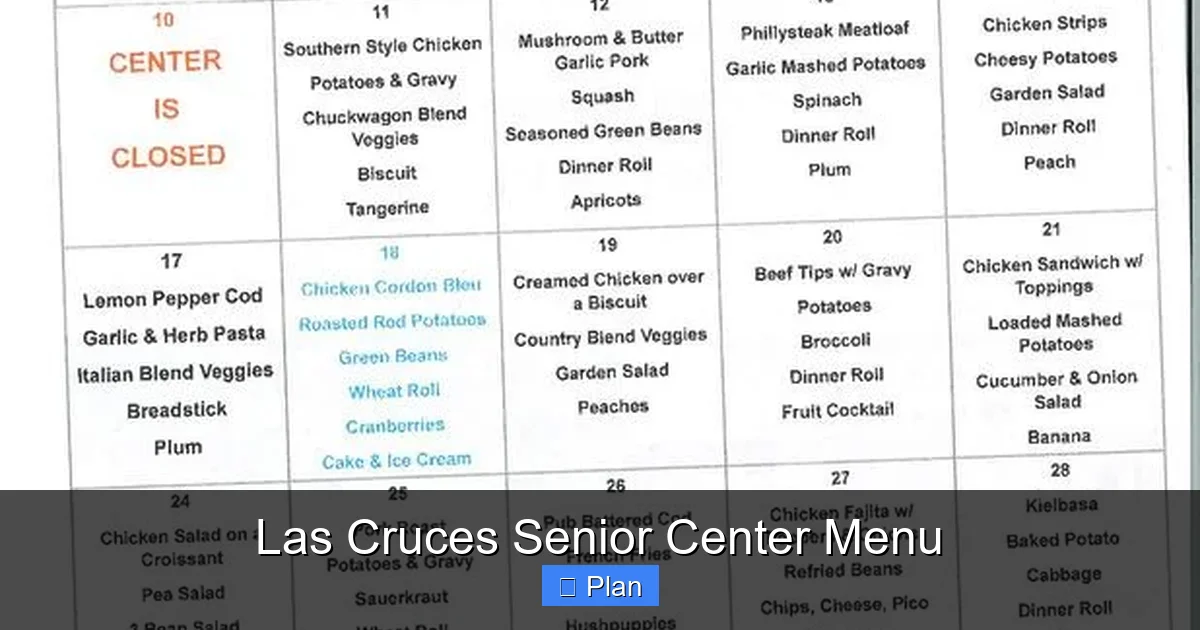
Visual guide about Las Cruces Senior Center Menu
Image source: sbhseniorcenter.weebly.com
Sample Menu Highlights & Seasonal Variations
While the menu rotates on a 4- to 6-week cycle, it embraces seasonal and local flavors. You might find:
- Monday: Chicken Enchiladas with Spanish rice, pinto beans, steamed broccoli, and a cinnamon apple.
- Tuesday: Baked Salmon with lemon dill sauce, roasted sweet potatoes, mixed vegetables, and a fresh orange.
- Wednesday: Beef and Vegetable Stew, whole wheat roll, coleslaw, and a pear.
- Thursday: Cheese and Spinach Lasagna, garlic bread, green beans, and a fruit cup.
- Friday: “Southwestern” themed day, which could be a pinto bean and cheese burrito with salsa, accompanied by corn, a side salad, and a banana.
Salad bars are often available daily, offering fresh greens, vegetables, and light dressings. The fruit selection changes with what’s ripe and affordable, sometimes featuring local New Mexico produce like melons or peaches in the summer. This focus on freshness and variety keeps the menu exciting and prevents “menu fatigue,” a common issue in long-term meal programs.
Special Dietary Accommodations: Eating Safely & Comfortably
A major strength of the Las Cruces Senior Center dining program is its proactive approach to special diets. The kitchen staff is trained to prepare meals that meet common medical and personal dietary needs without making the meal feel like a “special” or inferior version. This is crucial for dignity and adherence.
Common Accommodations Offered
- Low-Sodium: Meals are prepared with minimal added salt, using herbs, spices, and citrus for flavor. Condiments are often served on the side.
- Diabetic-Friendly: Carbohydrate counts are consistent and can be provided upon request. Sugary desserts are typically fruit-based or smaller portions of baked goods with reduced sugar.
- Texture-Modified: For those with chewing or swallowing difficulties (dysphagia), the center can provide mechanically altered foods—pureed, minced, or soft-cooked—upon advance notice. This service is vital and mirrors the thoughtful food prep seen in dedicated care settings.
- Allergy Awareness: While a commercial kitchen, they work to identify and avoid common allergens like nuts or shellfish in daily menus and can often provide alternatives.
Seniors or their caregivers are encouraged to communicate needs when making a reservation (more on that below). This allows the kitchen to prepare safely. For complex needs, a conversation with the center’s nutrition coordinator can ensure appropriate accommodations. This level of care transforms the center from a mere meal provider to a trusted partner in health management.
Pricing, Accessibility, and How to Participate
The funding model for senior center meals is designed to be barrier-free. The program is primarily supported by a combination of federal grants (like the Older Americans Act), state funding, local city contributions, and private donations. This allows for a suggested donation model rather than a set fee.
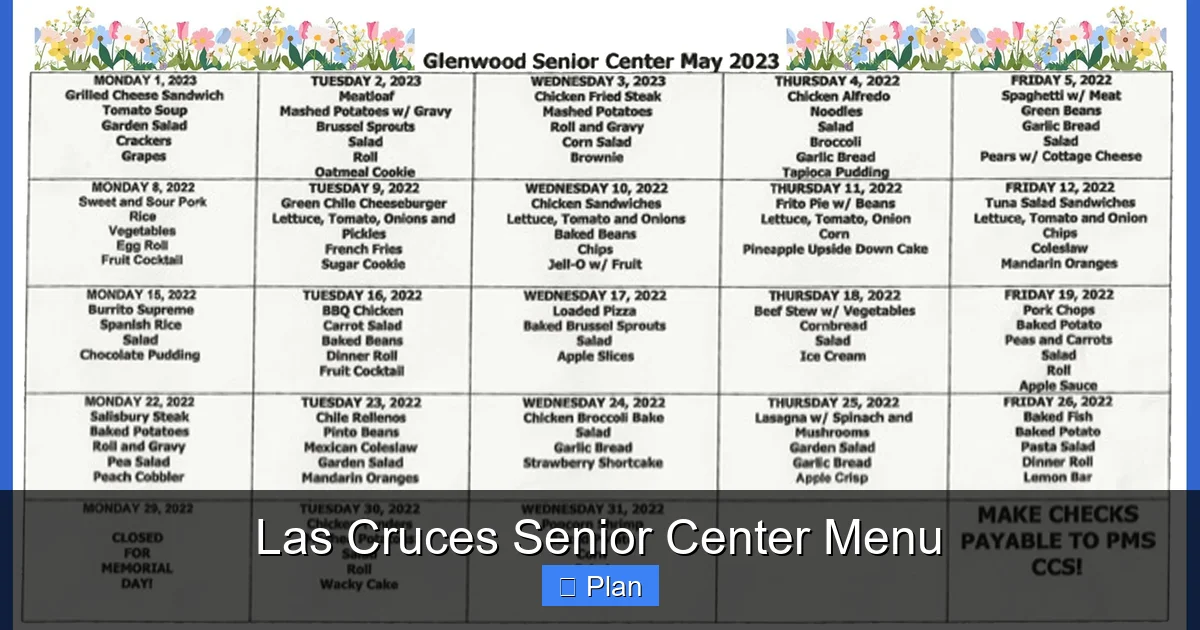
Visual guide about Las Cruces Senior Center Menu
Image source: glenwoodlibrary.com
The Donation-Based System
For individuals aged 60 and over, the suggested donation for a full hot lunch is typically between $3 and $5. This is a “pay-what-you-can” model. No one is turned away for inability to donate. For guests under 60 (like younger spouses or volunteers), there is usually a set fee, often around $6-$8, to cover the full cost. This system preserves the dignity of older adults while ensuring the program remains financially solvent.
Reservations and Logistics
To ensure accurate food preparation and minimize waste, reservations are generally required for the hot lunch meal. This is usually done by calling the center by a certain time the day before (e.g., by 10 AM for the next day’s lunch). Walk-ins are sometimes accommodated but are not guaranteed. Meals are served on-site during a designated lunch window, usually 11:30 AM to 1:00 PM. Some centers may also offer a “grab-and-go” or brown-bag option for those who cannot stay. It’s always best to call the specific Las Cruces senior center location (there are multiple, like the Mountain View Senior Center or Mesilla Valley Senior Center) for their exact procedures and current menu.
Beyond the Meal: The Holistic Impact of the Dining Program
To view the Las Cruces Senior Center menu solely as a list of entrees is to miss its profound impact. The dining room is the engine of the entire center’s activity. The routine of coming for lunch often leads seniors to discover other offerings. Someone who comes for the Tuesday stew might stay for the afternoon bingo game or the weekly blood pressure check. This “gateway effect” is a powerful, often unmeasured, benefit of integrated senior services.
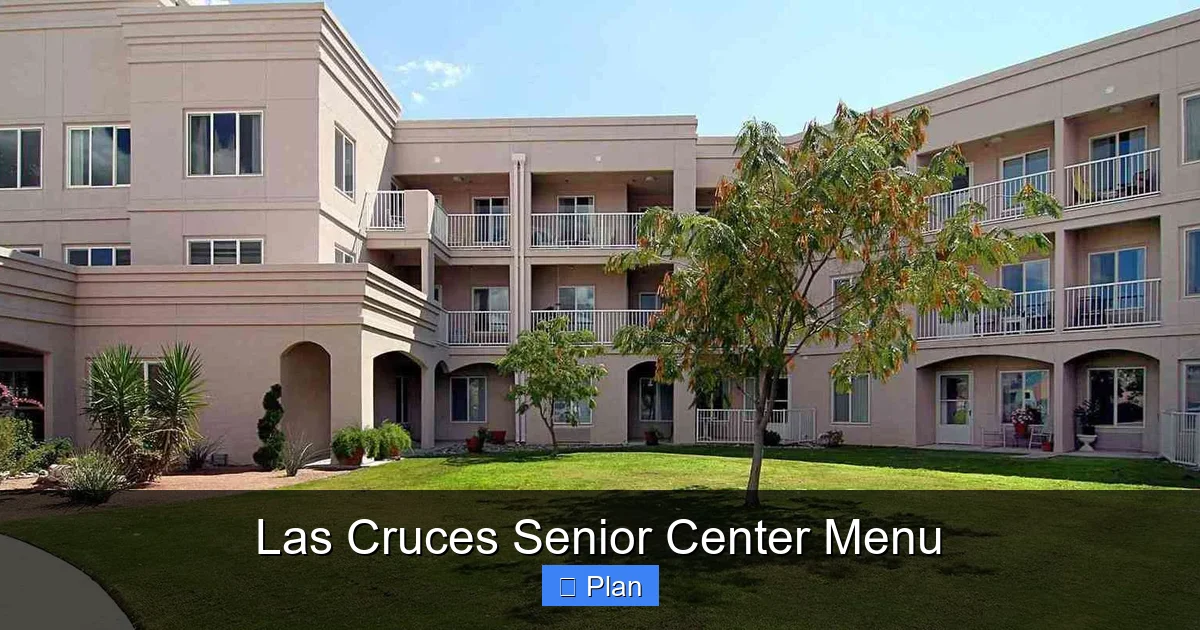
Visual guide about Las Cruces Senior Center Menu
Image source: d1qiigpe5txw4q.cloudfront.net
Combating Senior Isolation & Malnutrition
Studies consistently show that social isolation is a major health risk for seniors, equivalent to smoking 15 cigarettes a day. The communal meal directly attacks this. It provides predictable social contact and peer support. Furthermore, for seniors with a diminished appetite or those who find cooking for one burdensome, the promise of a hot, appealing meal in good company ensures better nutrition. Regular attendees often report improved energy and better management of chronic conditions. This integrated focus on social and physical health is a model that other thriving centers, like the Encinitas Community and Senior Center, have also perfected.
A Hub for Health Information & Outreach
The lunch period is also prime time for health outreach. Representatives from local hospitals, insurance counselors (like those helping with Medicare), public health nurses, and nutrition educators often set up tables during lunch to provide information and answer questions in an informal, trusted setting. This turns a meal into a potential health screening or benefits check-up opportunity, increasing access to critical services for a hard-to-reach population.
Practical Tips for First-Time Visitors and Families
If you’re a senior considering the program or a family member looking to support a loved one’s involvement, here’s how to make the most of it.
For the Senior: Your First Visit
- Call Ahead: Always call to reserve your meal and ask about any current dietary specials or changes.
- Arrive Early: Aim to arrive 10-15 minutes before lunch service to settle in, find a table, and maybe chat before the line forms.
- Bring a Friend: Don’t come alone if you’re nervous. The center is welcoming, and having a familiar face eases the transition.
- Explore the Space: After eating, take a look at the activity calendar posted near the dining room. See what else sparks your interest.
- Ask Questions: Staff and volunteers are there to help. Ask about nutrition, other programs, or how to get involved as a volunteer yourself.
For Families and Caregivers
- Discuss Preferences: Talk to your loved one about what they enjoy on the menu and help them make their first reservation.
- Attend Together: Offer to accompany them for the first few visits. Your presence can be a great comfort.
- Coordinate with Staff: If there are specific medical dietary needs (e.g., pureed foods, strict sodium limits), introduce yourself to the kitchen or program manager to ensure they are understood.
- Consider Volunteering: Serving meals is a popular and impactful volunteer opportunity. It’s a wonderful way to spend quality time with your loved one in a structured, helpful way while giving back to the community that supports them.
Frequently Asked Questions
Do I need to reserve a meal in advance?
Yes, reservations are typically required for the hot lunch program and must be made by a specific time (often 10 AM the day before). This helps the kitchen prepare the correct amount of food. Walk-ins may be accommodated if there are extras, but it’s not guaranteed.
What if I have specific dietary needs like low sodium or diabetes?
The center makes every effort to accommodate common dietary restrictions. You should note your needs when making your reservation. For more complex requirements, it’s best to call and speak directly with the nutrition coordinator to discuss your specific needs and ensure they can be met safely.
How much does a meal actually cost?
For those aged 60 and over, there is a suggested donation of $3-$5 per meal. No senior is denied a meal due to inability to donate. For guests under 60, there is a set fee, typically around $6-$8, to cover the full cost of the meal.
Can I get a meal to take home if I can’t stay to eat?
Many centers offer a “grab-and-go” or brown-bag meal option for those who cannot dine on-site. Availability and procedures vary by location, so you must call ahead to request this option when you make your reservation.
Can I volunteer to help serve meals?
Absolutely! Volunteer servers are the backbone of the dining program. Volunteering is a fantastic way to get involved, meet people, and support your community. Contact the senior center directly to inquire about volunteer orientation and meal service shifts.
Are donations tax-deductible?
Yes, monetary donations to the Las Cruces Senior Centers (often through the city’s Parks & Recreation department or a supporting non-profit foundation) are typically tax-deductible. You can request a receipt for your contributions. Ask the center staff for details on how to donate specifically to the meal program.