
John F. Kennedy Towers Senior Housing


Fall Detection Smart Watch

Book Holder Stand

Glucose Monitor Kit
John F. Kennedy Towers is a welcoming senior housing community located on Staten Island, New York, designed specifically for low-income older adults. This facility provides safe, comfortable, and affordable housing with access to essential services, social activities, and healthcare support. Residents enjoy a vibrant lifestyle in a caring environment that prioritizes dignity, independence, and community connection.
Nestled in the heart of Staten Island, the John F. Kennedy Towers Senior Housing stands as a beacon of hope and stability for low-income older adults seeking dignified, affordable housing. Opened decades ago with a mission rooted in compassion and community, this residential complex has become a trusted home for thousands of seniors who might otherwise face housing insecurity. With its blend of accessibility, supportive services, and vibrant communal life, JFK Towers embodies the spirit of inclusive aging—where every resident is valued and supported.
Living at John F. Kennedy Towers isn’t just about having a roof over your head. It’s about belonging to a community that respects your history, honors your independence, and helps you thrive. Whether you’re enjoying a morning coffee with neighbors, participating in a fitness class, or simply watching the sunset from the rooftop garden, life here is designed to nurture both body and soul. For many residents, this isn’t just a place to live—it’s a second chance to build meaningful connections, rediscover joy, and age with grace.
In an era where housing costs continue to rise and many seniors struggle to make ends meet, affordable senior housing options like JFK Towers are more important than ever. These communities serve as lifelines, offering not only shelter but also a foundation for healthy, fulfilling lives. As we explore what makes John F. Kennedy Towers special, you’ll learn how it supports residents physically, emotionally, and socially—creating a true sense of home for those who call it theirs.
Key Takeaways
- Affordable Senior Living: John F. Kennedy Towers offers subsidized housing for low-income seniors, helping reduce monthly expenses like rent, utilities, and groceries.
- Accessible Location: Situated in Staten Island, residents have easy access to public transportation, medical centers, shopping, and cultural attractions.
- On-Site Amenities: The community includes a dining hall, fitness center, library, game room, and outdoor spaces for relaxation and recreation.
- Supportive Services: Supportive services include case management, transportation assistance, wellness programs, and coordination with local health providers.
- Community Engagement: Regular events, clubs, and volunteer opportunities foster social connections and active aging among residents.
- Eligibility Requirements: Applicants must meet age, income, and residency criteria set by the U.S. Department of Housing and Urban Development (HUD).
- Application Process: Prospective residents can apply through the NYC Housing Authority or waitlist systems, which may involve income verification and background checks.
📑 Table of Contents
A Legacy Built on Compassion
The story of John F. Kennedy Towers begins with a simple yet powerful idea: every senior deserves a safe, affordable place to live with dignity. Named after America’s 35th president, the development carries forward Kennedy’s legacy of service and civic responsibility. When it opened in the late 1960s, it was one of the first large-scale senior housing projects in New York City funded through public-private partnerships aimed at addressing urban poverty among older adults.
Over the years, JFK Towers has evolved alongside the needs of its residents, adapting policies and upgrading facilities to reflect best practices in senior care. Today, it remains under the management of the New York City Housing Authority (NYCHA), which ensures compliance with federal regulations and HUD guidelines. But beyond bureaucracy and paperwork, what truly defines this community is its people—residents who have shared laughter, loss, triumphs, and quiet moments of peace within these walls.
What sets John F. Kennedy Towers apart from other senior housing options is its commitment to holistic well-being. While many assisted living communities focus primarily on medical or custodial care, JFK Towers emphasizes empowerment and self-determination. Residents maintain control over their daily routines, personal belongings, and social choices. This balance between support and autonomy fosters confidence and reduces feelings of helplessness often associated with aging.
Moreover, the building’s design reflects thoughtful consideration of seniors’ physical limitations. Wide doorways accommodate walkers and wheelchairs, grab bars are strategically placed in bathrooms, and elevators provide easy vertical access. Yet despite these practical features, the atmosphere remains warm and inviting—not institutional. From the cheerful murals adorning common areas to the scent of freshly baked bread drifting from the kitchen, JFK Towers feels less like a facility and more like an extended family.
Location and Accessibility in Staten Island
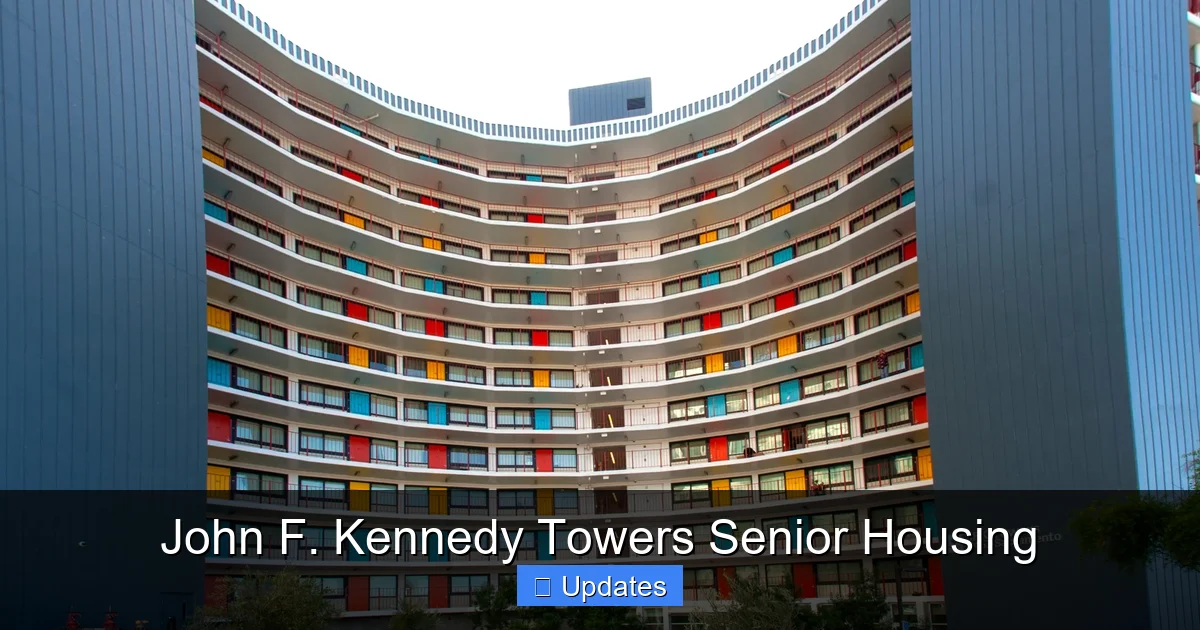
Visual guide about John F. Kennedy Towers Senior Housing
Image source: i0.wp.com
One of the greatest advantages of living at John F. Kennedy Towers is its prime location in Staten Island—a borough known for its suburban charm, green spaces, and tight-knit neighborhoods. Nestled near the Staten Island Expressway, residents benefit from quick commutes to Manhattan via the Staten Island Ferry or local buses. This proximity allows frequent visits to grandchildren, friends, or favorite restaurants without long travel times.
Staten Island itself offers a surprising array of amenities tailored to seniors. Nearby parks such as Clove Lakes Park provide scenic trails for walking or birdwatching, while the Staten Island Mall caters to shopping needs. Medical facilities like Richmond University Medical Center are within easy reach, ensuring prompt access to emergency care or routine check-ups. Public libraries, community centers, and religious institutions further enrich the area’s supportive ecosystem.
Accessibility is another key strength. Most streets feature curb cuts and sidewalk ramps, making navigation safer for those using mobility aids. Buses operated by the Metropolitan Transportation Authority stop just blocks away, connecting residents to broader transit networks. For drivers, parking is available on-site, though availability may vary depending on occupancy levels.
For non-drivers, JFK Towers offers scheduled shuttle services to pharmacies, grocery stores, and doctor appointments. These free or low-cost rides eliminate transportation barriers that often isolate seniors. Staff members also assist with trip planning and fare payment coordination, reducing stress and promoting independence.
On-Site Amenities and Community Spaces
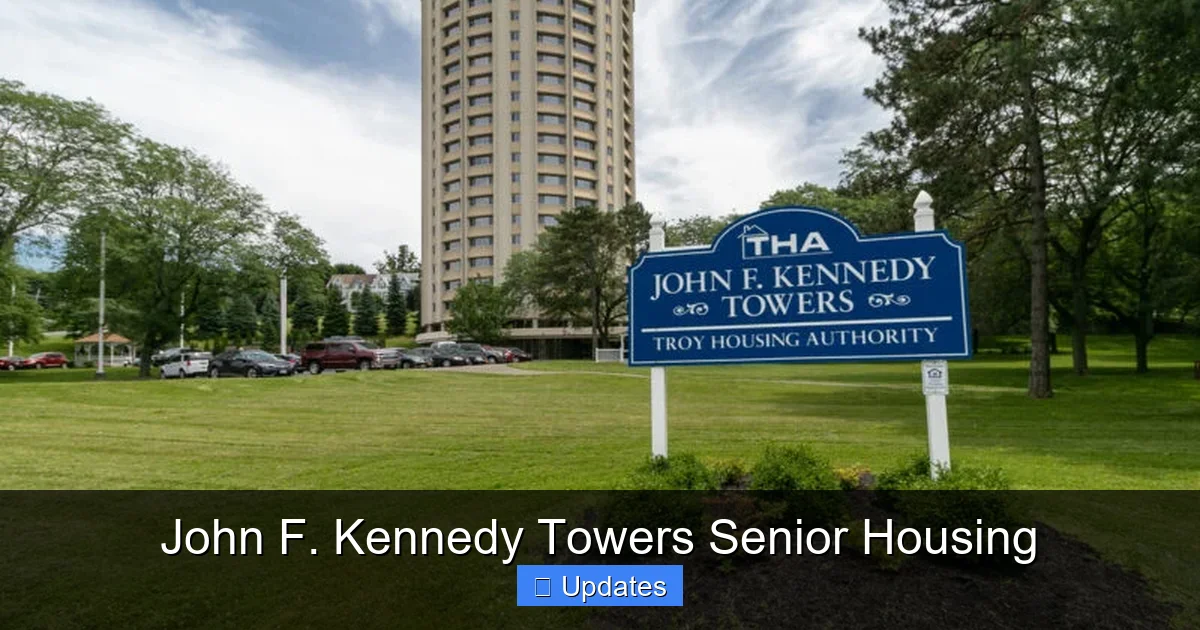
Visual guide about John F. Kennedy Towers Senior Housing
Image source: troyhousing.org
Life at John F. Kennedy Towers revolves around shared spaces that encourage interaction, learning, and leisure. The main lobby serves as a hub of activity, featuring comfortable seating, bulletin boards filled with event flyers, and a reception desk staffed by friendly attendants ready to answer questions or direct visitors.
The building’s central courtyard offers a peaceful retreat surrounded by manicured lawns and mature trees. Residents often gather here for bingo games, book clubs, or casual conversations over tea. During warmer months, outdoor seating areas host birthday parties and holiday celebrations, reinforcing the sense of community.
Inside, the multipurpose room hosts weekly movie nights, craft workshops, and guest lectures. Equipped with audio-visual technology, it’s also used for virtual doctor consultations or telehealth appointments—an increasingly vital resource since the pandemic. Adjacent to this space lies the fully stocked library, where residents can borrow books, play board games, or use computers for email or video calls with loved ones far away.
Fitness enthusiasts appreciate the on-site exercise room, which features treadmills, stationary bikes, and resistance machines suitable for various ability levels. Yoga and stretching classes led by certified instructors take place three times per week, emphasizing balance and flexibility over intensity. Health screenings, blood pressure monitoring, and flu shot clinics are also offered regularly through partnerships with local organizations.
Social engagement thrives in the game room, complete with pool tables, card tables, and chess sets. Monthly potlucks bring everyone together to share recipes and stories, while intergenerational programs connect seniors with schoolchildren for reading sessions or art projects. These initiatives combat loneliness and reinforce the value of lifelong learning.
Supportive Services Tailored to Seniors
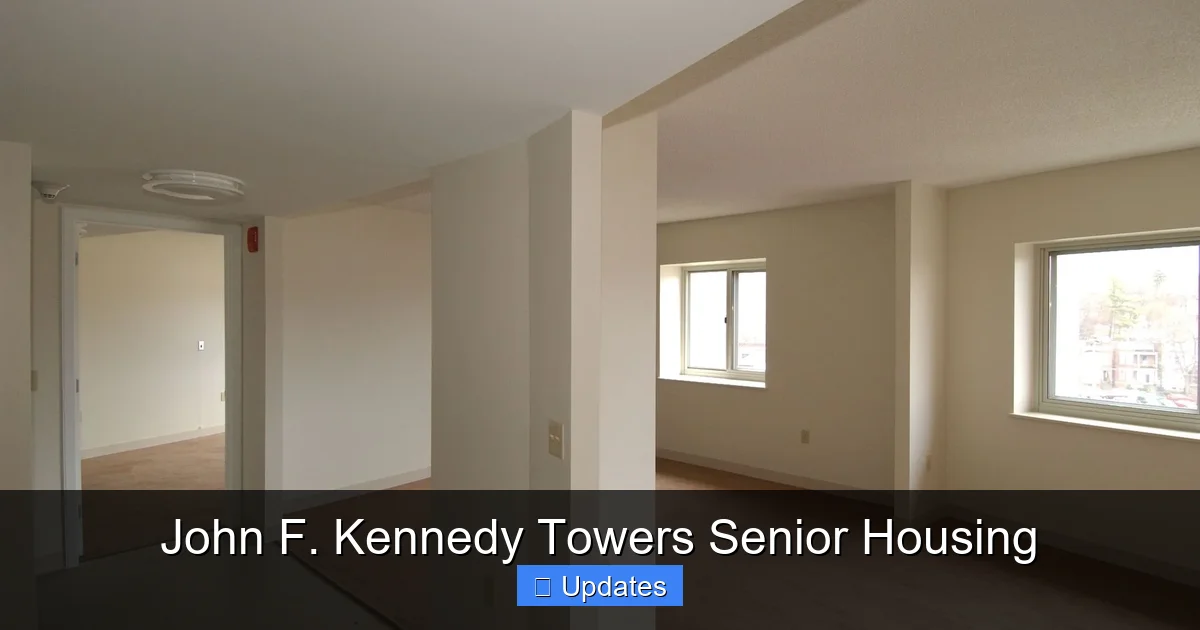
Visual guide about John F. Kennedy Towers Senior Housing
Image source: aplususa.com
While John F. Kennedy Towers doesn’t offer hands-on medical care like skilled nursing facilities, it provides robust supportive services designed to enhance quality of life. Case managers conduct regular wellness checks, assess changing needs, and help residents navigate external resources such as Medicaid, SNAP benefits, or home-delivered meals.
Nutrition plays a crucial role in healthy aging, so the building operates a full-service cafeteria serving breakfast and lunch five days a week. Meals follow dietary guidelines for sodium reduction, portion control, and heart-healthy ingredients. Special diets—including diabetic-friendly, gluten-free, or pureed options—are accommodated upon request. Volunteers from nearby churches and schools often assist with meal prep and service, adding a personal touch to dining experiences.
Transportation remains a top priority. In addition to scheduled shuttles, staff coordinate ride-sharing apps like Uber and Lyft when needed. Emergency response pendants are available for residents who require immediate assistance, though they aren’t monitored 24/7 like in some private assisted living settings.
Mental health support is integrated into daily programming. Counseling services are provided by licensed therapists affiliated with community mental health agencies. Support groups address topics ranging from grief and loss to managing chronic illness. Art therapy sessions allow residents to express emotions creatively, while music programs featuring live performances uplift spirits and spark memories.
Legal aid clinics visit quarterly to assist with advance directives, power of attorney documents, and estate planning. Financial literacy workshops teach budgeting, fraud prevention, and understanding Medicare/Medicaid options. These proactive measures empower residents to make informed decisions and avoid exploitation.
How to Apply and Eligibility Guidelines
Accessing John F. Kennedy Towers requires meeting specific eligibility criteria established by NYCHA and HUD. Prospective applicants must be at least 62 years old, reside in Staten Island (or have strong ties to the borough), and demonstrate financial need based on household size and income level. Preference is given to extremely low-income individuals—those earning no more than 30% of the Area Median Income (AMI)—though moderate-income applicants may qualify during vacancies.
The application process starts online via NYCHA’s portal or in person at designated offices. Required documentation includes proof of age (birth certificate or passport), residency (utility bill or lease), income verification (pay stubs, pension statements, Social Security letters), and identification. Background checks are conducted to ensure safety for all occupants.
Waitlists are common due to high demand, so early registration significantly improves placement chances. Applicants receive updates via mail or phone when spots open. Once accepted, new residents undergo orientation covering house rules, emergency procedures, and available services. Move-in typically occurs within 30 days of notification.
It’s worth noting that John F. Kennedy Towers does not accept pets, though emotional support animals may be considered under ADA guidelines with proper documentation. Smoking is prohibited indoors, including hallways and balconies, aligning with citywide anti-smoking ordinances.
Tips for Prospective Residents and Families
If you or a loved one is considering John F. Kennedy Towers, start by touring the facility during business hours. Observe cleanliness, staff-resident interactions, and overall ambiance. Ask current residents about pros and cons, especially regarding noise levels, maintenance responsiveness, and food quality.
Bring a checklist of must-have amenities—such as wheelchair accessibility, laundry facilities, or proximity to a pharmacy—and verify availability beforehand. Discuss medication management plans with on-site staff; while no clinical oversight is provided, they can remind you to take meds or contact your physician if symptoms arise.
Prepare emotionally for transition periods. Leaving a longtime home can be challenging, even when moving to a better-suited environment. Consider involving grandchildren in decorating your new unit or organizing a welcome party with fellow residents to ease the adjustment.
Stay connected post-move. Attend orientation sessions fully, join interest-based clubs early, and don’t hesitate to report maintenance issues or suggest improvements. Your feedback directly shapes community life, and your voice matters.
Lastly, explore nearby alternatives like other low-income senior housing options in Staten Island to compare wait times, unit sizes, and service offerings. While JFK Towers excels in many areas, personal fit varies widely—so thorough research ensures the best possible match.
Conclusion: A Home Where You Belong
John F. Kennedy Towers Senior Housing represents more than brick and mortar—it’s a sanctuary built on trust, respect, and shared humanity. For low-income seniors navigating life’s later chapters, this community offers stability, friendship, and hope. Its enduring legacy continues to inspire generations, proving that aging doesn’t mean fading away; instead, it means finding new ways to contribute, connect, and shine.
As housing affordability remains a national crisis, developments like JFK Towers remind us of our collective duty to protect vulnerable populations. By supporting policies that expand subsidized senior housing and volunteering time at local nonprofits, we can honor the wisdom and resilience of older adults everywhere.
Whether you’re exploring options for yourself or helping a parent secure safe housing, remember: the right senior community doesn’t just provide shelter—it restores dignity. And sometimes, all it takes is one warm smile, a shared laugh, or a helping hand to transform uncertainty into belonging.
Frequently Asked Questions
Is John F. Kennedy Towers Senior Housing only for low-income seniors?
Yes, John F. Kennedy Towers is a HUD-subsidized senior housing complex designed specifically for low-income residents aged 62 and older. Priority is given to those earning at or below 30% of the Area Median Income, though moderate-income applicants may qualify during vacancies.
Are pets allowed at John F. Kennedy Towers?
Pets are generally not permitted at John F. Kennedy Towers. However, emotional support animals may be accommodated under the Americans with Disabilities Act (ADA) with valid documentation from a licensed mental health professional.
How do I apply for residency at John F. Kennedy Towers?
Applications are submitted through the New York City Housing Authority (NYCHA) website or in person at NYCHA offices. You’ll need to provide proof of age, residency, income, and identification. Waitlists are common, so applying early increases your chances of acceptance.
Does John F. Kennedy Towers offer transportation services?
Yes, the facility provides scheduled shuttle services to pharmacies, grocery stores, and medical appointments. Ride-sharing options like Uber and Lyft are also coordinated by staff to assist residents without personal vehicles.
What types of social activities are available for residents?
Residents enjoy a wide range of activities including fitness classes, arts and crafts workshops, movie nights, book clubs, bingo, and seasonal celebrations. Intergenerational programs and guest speakers further enrich the calendar.
Can I visit John F. Kennedy Towers before moving in?
Absolutely! Tours are offered during regular business hours. Contact the management office to schedule a visit and speak with current residents to get a firsthand feel for the community atmosphere.