
James E Kinney Senior Center


Digital Blood Pressure Monitor

Electric Mobility Scooter

Lightweight Vacuum Cleaner
The James E Kinney Senior Center in Fremont, California, is a vibrant community cornerstone dedicated to enriching the lives of adults aged 50 and older. It combats isolation through a vast array of affordable health, social, educational, and recreational programs. This center empowers seniors to stay active, connected, and thriving in a welcoming, inclusive environment.
Imagine a place where the morning starts with a gentle water aerobics class, the afternoon is filled with the clatter of paintbrushes in an art studio, and the evening brings a lively dance with friends old and new. This isn’t a fantasy; it’s a daily reality at the James E Kinney Senior Center in Fremont, California. For decades, this facility has been more than just a building—it’s the beating heart of the senior community in the Tri-City area. It stands as a powerful testament to the idea that aging is not about slowing down, but about shifting gears into a new, vibrant chapter of life filled with purpose, connection, and joy. Whether you’re a retiree looking to fill your calendar, a caregiver seeking resources, or simply someone curious about what modern senior centers offer, the Kinney Center represents a gold standard in active aging programming.
The need for such a hub has never been greater. As our population ages, the challenges of isolation, mobility, and access to health resources become more pronounced. Senior centers like Kinney bridge these gaps with remarkable efficiency. They are, in essence, one-stop shops for well-being, strategically designed to address the social determinants of health—the conditions in which people are born, grow, live, work, and age. By providing structured activities, nutritional support, and a built-in social network, they do more than fill time; they enhance quality of life, improve health outcomes, and yes, they even save healthcare dollars by keeping seniors healthier and more engaged. Stepping into the James E Kinney Senior Center, you feel this mission in action. The buzz of conversation in the lobby, the focused energy in the fitness room, and the cheerful waves in the garden all communicate one clear message: you belong here.
This article is your complete guide to understanding everything the James E Kinney Senior Center has to offer. We’ll explore its rich history, dive deep into its diverse program catalog, share practical tips for getting involved, and highlight what makes it a model for senior centers everywhere. Think of this as your personal tour, delivered with the warmth of a conversation with a friendly local who knows all the best spots. Let’s discover how this center can become a vital part of your or your loved one’s life.
Key Takeaways
- Holistic Wellness Focus: The center prioritizes physical, mental, and social wellness through fitness classes, health screenings, and support groups, creating a comprehensive approach to healthy aging.
- Social Connection is Key: It actively fights loneliness with themed socials, club meetings, and group outings, fostering a strong sense of community and belonging among members.
- Accessibility & Affordability: Programs are designed to be low-cost or free, with a sliding scale for membership, ensuring all Fremont seniors can participate regardless of income.
- Lifelong Learning Hub: From technology workshops to art studios and lecture series, the center provides endless opportunities for cognitive stimulation and skill development.
- Essential Support Services: Beyond recreation, it offers critical resources like nutrition assistance (congregate meals), caregiver support, and benefits counseling.
- Volunteer-Driven Culture: A strong volunteer network, often led by seniors themselves, powers many programs, creating ownership and intergenerational mentorship opportunities.
- Community Anchor: It serves as a vital link between seniors and broader community resources, partnering with local health providers and organizations for enhanced services.
📑 Table of Contents
- A Legacy of Community: The Story of the Kinney Center
- Wellness & Health: The Foundation of a Thriving Life
- Social & Recreational Activities: Weaving the Social Fabric
- Educational & Creative Pursuits: Never Stop Learning
- Support Services & Resources: A Safety Net for Life’s Challenges
- Getting Involved: Membership, Volunteering, and Community
- The Indelible Impact: Stories and The Road Ahead
A Legacy of Community: The Story of the Kinney Center
To understand the soul of the James E Kinney Senior Center, you must know its origins. Named after James E. Kinney, a respected Fremont community leader and advocate for seniors, the center opened its doors in the late 20th century. It was born from a collective vision: that seniors deserved a dedicated, dignified space to call their own—a place designed specifically for their needs and aspirations. Over the years, it has evolved from a modest gathering spot into a sprawling, state-of-the-art facility, but its core mission has remained beautifully constant: to promote independence, dignity, and a high quality of life for older adults.
More Than a Name: The Philosophy of “Active Aging”
The center’s philosophy is rooted in the World Health Organization’s concept of “Active Aging,” which optimizes opportunities for health, participation, and security to enhance quality of life as people age. This isn’t just a buzzword on a brochure; it’s baked into every program. You won’t find a passive, bingo-only model here. Instead, the calendar is a dynamic tapestry of activities that challenge the body, stimulate the mind, and nourish the spirit. This philosophy recognizes that “activity” means different things to different people. For one member, it’s mastering a new software program in the computer lab. For another, it’s the gentle stretch of a chair yoga class. For another, it’s the leadership role of heading the gardening club. The Kinney Center embraces this spectrum, creating an environment where every individual can define their own active journey.
A Facility Designed for Connection
The physical space of the center is a critical part of its success. Walk through its doors, and you’re greeted by an airy, well-lit atrium with comfortable seating—a natural meeting point. The design encourages casual encounters. The fitness center is spacious and equipped with senior-friendly machinery. The multi-purpose rooms have flexible layouts, transforming from a dance floor one hour to a lecture hall the next. There’s a commercial-grade kitchen where nutritious meals are prepared, a beautiful patio garden, and an arts and crafts studio brimming with supplies and natural light. This intentional design minimizes barriers and maximizes opportunities for spontaneous interaction, which is the secret sauce of community building.
Wellness & Health: The Foundation of a Thriving Life
At its core, the James E Kinney Senior Center is a wellness engine. It understands that health is multidimensional, and its programming reflects that. The goal is to empower members to take charge of their health through prevention, education, and accessible activity.
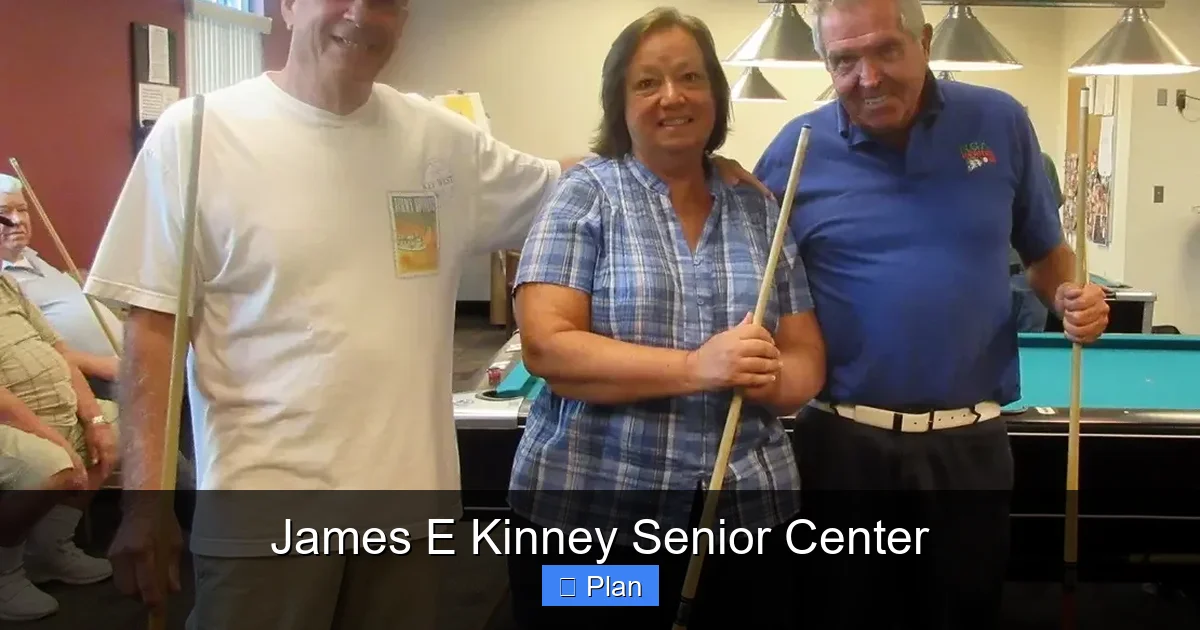
Visual guide about James E Kinney Senior Center
Image source: patch.com
Fitness for Every Ability and Interest
Forget the intimidating gym atmosphere. The fitness offerings at Kinney are tailored, supportive, and fun. The schedule reads like a wellness lover’s dream: low-impact aerobics, Zumba Gold, Tai Chi, water exercise in the therapy pool, strength and balance classes, and even chair yoga. Each class is led by certified instructors who specialize in senior fitness, understanding the nuances of arthritis, osteoporosis, and mobility limitations. They offer modifications for every level, ensuring a safe and effective workout for everyone. The fitness room itself is a model of accessibility, with equipment that is easy to get on and off, clear instructions, and staff always nearby to assist. A popular tip from regulars? Try the “Functional Fitness” class—it directly improves the strength needed for everyday tasks like carrying groceries or getting up from a chair.
Preventive Health and screenings
Staying on top of health metrics is made simple. The center regularly hosts free or low-cost health screenings in partnership with local hospitals and clinics. You can get your blood pressure checked, learn about your bone density, or have a flu shot during a dedicated clinic day. These aren’t just numbers on a sheet; they are often accompanied by brief consultations with nurses or pharmacists who explain the results in plain language and suggest next steps. This proactive approach is invaluable. For those managing chronic conditions like diabetes or hypertension, the center may offer specific support groups or educational workshops that dive deeper into management strategies. It’s a crucial link in the care continuum, complementing visits to a dedicated senior medical center by providing ongoing, community-based monitoring and education.
Nutrition and the Power of Shared Meals
Good nutrition is fundamental, and the center takes it seriously. The daily congregate lunch program is a highlight for many. For a suggested donation (often just a few dollars), members enjoy a hot, balanced meal prepared by a professional kitchen. But this is about more than food; it’s a social ritual. Members gather in the dining hall, sharing tables and stories, turning lunch into a daily social anchor. For homebound seniors, the center often coordinates with Meals on Wheels or similar programs. Additionally, nutrition workshops teach about heart-healthy eating, label reading, and cooking for one or two. The community garden on the patio even provides fresh herbs and vegetables that sometimes make their way into the kitchen or are shared among members, creating a beautiful loop from garden to table to community.
Social & Recreational Activities: Weaving the Social Fabric
If wellness is the foundation, social connection is the vibrant tapestry that makes life beautiful. The James E Kinney Senior Center is a master weaver of this tapestry, offering a staggering variety of ways to connect, play, and explore.
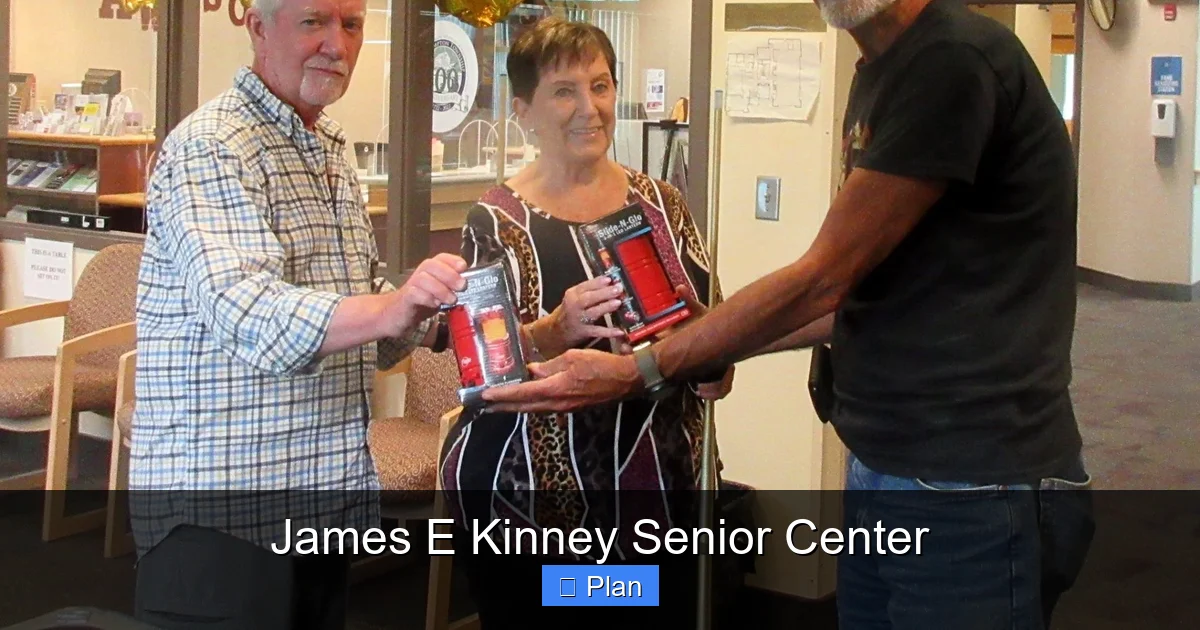
Visual guide about James E Kinney Senior Center
Image source: cdn.newspapermediagroup.com
Clubs, Special Interest Groups, and Hobbies
This is where passions are reignited and new ones discovered. The center is a hub of club activity. There’s likely a book club (sometimes with multiple genres), a gardening club that tends the patio plots, a photography group that goes on photo walks, a bridge club, a choir, and even groups for specific hobbies like model building or knitting. These clubs are member-led, which fosters deep ownership and leadership. Joining one is the fastest way to find your “people.” Beyond clubs, the calendar is packed with one-off events: themed parties (think Hawaiian Luau or 1950s sock hop), movie afternoons with popcorn, trivia contests, and holiday celebrations. These events break the monotony and create shared memories.
Trips and Adventures
The adventure doesn’t stop at the center’s doors. The travel program is exceptionally popular, organizing day trips and occasional overnight excursions. Imagine a chartered bus tour to a local museum, a winery, a botanical garden, or a theatrical performance in San Francisco. These trips are fully planned—transportation, tickets, and often a meal are included—removing all the logistical headaches. For many seniors, especially those who no longer drive, this program is a lifeline to the wider world, offering cultural enrichment and the simple joy of being out and about with friends. Sign-ups for popular trips can fill up fast, a testament to their quality and demand.
Games, Sports, and Friendly Competition
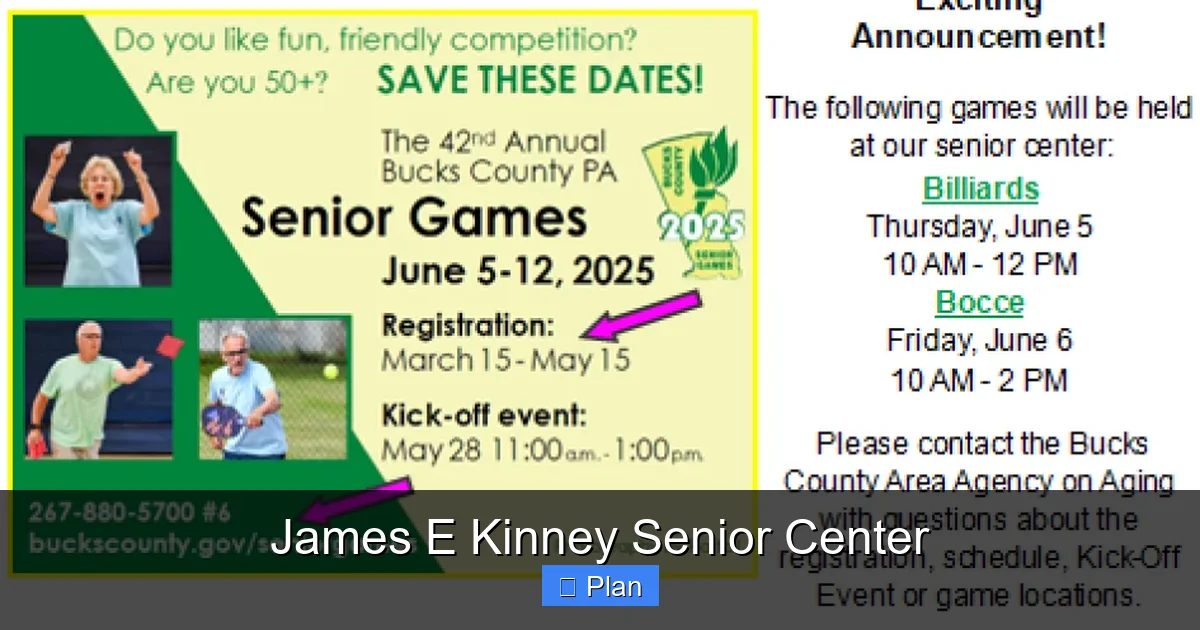
Games are serious business here, and in the best way. You’ll find dedicated rooms for cards (pinochle, bridge), board games, and dominos. There are also organized tournaments for horseshoes, bocce ball, and pickleball (often using outdoor courts). The weekly dance, with a live band or DJ, is a legendary institution where you can swing, waltz, or simply enjoy the music and socialize. This friendly competition and play are critical for cognitive health and provide a joyful, stress-relieving outlet. It’s not about winning; it’s about the laughter, the camaraderie, and the mental engagement of a good game.
Educational & Creative Pursuits: Never Stop Learning
The adage “you can’t teach an old dog new tricks” is decisively debunked at the James E Kinney Senior Center. Lifelong learning is a cornerstone, with a robust schedule of classes and workshops designed to spark curiosity and creativity.
Visual guide about James E Kinney Senior Center
Image source: uploads.weconnect.com
Technology: Bridging the Digital Divide
In today’s world, digital literacy is essential for connection, access to services, and entertainment. The center offers a patient, supportive environment to learn. Classes range from “Smartphone Basics” and “Email for Beginners” to more advanced topics like social media safety, online shopping, and using video calls to connect with family. There are often one-on-one “tech help” sessions where volunteers sit with members to troubleshoot specific problems. This is transformative. A senior who learns to use FaceTime can now see their grandchildren across the country. Another who masters online banking gains independence and security. These classes are often oversubscribed, highlighting a critical community need that the center fills beautifully.
The Arts: Unleashing Inner Creativity
The art studio is a hive of activity. Structured classes in watercolor, oil painting, drawing, ceramics, and jewelry making are taught by local artists. For those who prefer music, there may be ukulele or keyboard lessons. The center also hosts lectures on art history and opportunities to attend local performances. The annual art show, where members display their work, is a source of immense pride. The creative process is profoundly therapeutic, improving dexterity, focus, and providing a powerful outlet for expression. Many members discover a latent artistic talent after retirement, finding a new sense of purpose and accomplishment.
Lectures and “Encore” Education
From local historians and professors to experts on finance, health, and current events, the lecture series brings knowledgeable speakers directly to the community. Topics are diverse and timely: understanding Medicare changes, local history, estate planning basics, or the science of climate change. These sessions are intellectually stimulating and empower members with knowledge to make informed decisions about their lives and health. It’s like having a community college’s best lecture series, curated specifically for senior interests and schedules, often paired with a light lunch for a full, enriching experience.
Support Services & Resources: A Safety Net for Life’s Challenges
Beyond the enriching programs, the James E Kinney Senior Center serves as a critical access point for essential support services, acting as a trusted navigator for complex systems.
Information & Assistance
This is often the first stop for anyone with a question. The knowledgeable front desk and case management staff can provide information and referrals on virtually any topic affecting seniors: housing, transportation, legal aid, tax preparation, caregiver resources, and public benefits like SSI or CalFresh. They maintain an updated database of local services and can help members complete applications or make that first, daunting phone call. This service is invaluable, saving seniors and their families countless hours of research and confusion. It’s a confidential, no-wrong-door approach to getting help.
Caregiver Support
Recognizing that caregivers—often spouses or adult children—are also part of the senior ecosystem, the center frequently offers specific support. This might include a monthly caregiver support group, workshops on stress management and self-care, or respite care vouchers. Providing support to the supporter is a smart, compassionate strategy that helps prevent caregiver burnout, ultimately allowing seniors to stay in their homes longer. Resources on home health options, including comparisons of agencies like Hearts at Home Senior Care, might be available through these channels.
Benefits Counseling
Navigating Medicare, Social Security, and property tax exemptions is complicated. The center often hosts certified benefits counselors (sometimes from local non-profits or county offices) who provide free, unbiased one-on-one appointments. They can review Medicare plans to find the best fit, help appeal a claim denial, or ensure a senior is enrolled in all the savings programs they qualify for. This direct assistance can mean the difference between financial strain and stability, putting thousands of dollars back into a senior’s pocket.
Getting Involved: Membership, Volunteering, and Community
So, how do you plug into this vibrant community? The process is intentionally straightforward and welcoming.
Membership Made Simple
Becoming a member is easy. Fremont residents aged 50 and older can simply fill out a membership form. There is a nominal annual fee, often on a sliding scale based on income, making it accessible to all. Once you’re a member, you have access to the vast majority of programs—many are free with membership, while others have a small materials fee. Some special events or trips may have additional costs, but these are always clearly listed. The center is typically open Monday through Friday, with extended hours for special events. Ample parking and being located on public transit routes (like AC Transit) ensures accessibility for those who no longer drive.
The Power of Volunteering
Volunteers are the lifeblood of the Kinney Center, and many members find their greatest fulfillment in giving back. Opportunities abound: greeting at the front desk, assisting in the kitchen, leading a club, teaching a skill (like basic computer help or a craft), or helping with special events. Volunteering provides a powerful sense of purpose, structure, and social connection. It’s a two-way street; the center relies on its volunteers, and volunteers gain satisfaction and new skills. For those looking to re-enter the workforce or build a resume, volunteering here offers valuable experience in a supportive setting. Orientation and training are provided.
Building Partnerships for Greater Impact
The center doesn’t operate in a vacuum. It has cultivated strong partnerships with the City of Fremont, local hospitals (like Washington Hospital), non-profits, and service organizations. These partnerships bring specialized resources to the center, like physical therapy students offering free assessments or legal aid clinics. It also means the center can act as a trusted conduit, referring members to vetted, high-quality services in the community. This networked approach creates a seamless web of support for seniors, a model that has been successfully replicated at centers in places like Wallingford, CT and Brighton, MI, where similar community collaborations thrive.
The Indelible Impact: Stories and The Road Ahead
The true measure of the James E Kinney Senior Center isn’t in its square footage or program count, but in the stories of transformation it enables. It’s the widow who, after losing her spouse, found a new friend in the book club and now leads it herself. It’s the retired engineer who, after a stroke, regained mobility through the water therapy class and now volunteers to help others. It’s the immigrant who, through the English conversation class, gained confidence to navigate daily life and advocate for her family. These are the quiet, profound victories that happen every single day within these walls.
Looking forward, the center continues to adapt. Trends like intergenerational programming (partnering with schools), expanded telehealth support, and a greater focus on cognitive health and dementia-friendly initiatives are on the horizon. It remains a dynamic organism, listening to its members’ evolving needs. The challenge is always resources—funding, space, and staffing—but the community’s fierce loyalty and the proven value of the center ensure its continued vitality.
For anyone in the Fremont area, a visit to the James E Kinney Senior Center is highly recommended. Take a tour, pick up a calendar, sip a coffee in the lobby, and feel the energy. You’ll quickly understand why it’s considered one of the finest senior hubs in the region. It proves that the later years of life can be among the most connected, engaging, and fulfilling. It’s not just a place to go; it’s a place to grow, to give, and to belong. In a world that often marginalizes age, the Kinney Center stands as a joyful, defiant celebration of what it means to age with vitality, purpose, and community.
Frequently Asked Questions
Who can join the James E Kinney Senior Center?
Membership is open to all Fremont residents aged 50 and older. Non-residents may also be able to participate, often for a slightly higher fee, but it’s best to call the center directly for the most current policy and fee structure.
What are the operating hours?
The center is typically open Monday through Friday from 8:00 AM to 4:00 PM, with some evening and weekend programs for special events. Hours can vary for specific facilities like the fitness room or art studio, so checking the online calendar or calling ahead is recommended.
Is transportation available to get to the center?
The center is located on several AC Transit bus lines. For seniors with mobility challenges, some local paratransit services like Fremont’s Ride Share may be options. The center’s staff can provide information on these resources during your visit.
How can I volunteer at the center?
Volunteer opportunities are abundant! You can inquire at the front desk or check the center’s website for a volunteer application. Opportunities range from one-time event help to ongoing weekly roles, and training is provided for most positions.
Are the meals and programs really affordable?
Yes. The congregate lunch is offered for a suggested donation (typically $3-$4 for members, slightly more for non-members), making it very accessible. Most daily activities and classes are free with a low-cost annual membership. Some specialized workshops or trips have separate, modest fees to cover materials or tickets.
I have limited mobility. Can I still participate?
Absolutely. The facility is fully ADA-compliant, and the vast majority of programs are designed with varying ability levels in mind. Chair-based exercises, adaptive art tools, and social events in easily accessible spaces ensure everyone can join in. Staff are trained to assist and make reasonable accommodations.
