
Is Ymca Free for Senior Citizens


Lap Desk for Reading

Orthopedic Sandals

Medical Alert System
Many YMCAs offer discounted or even free memberships for senior citizens, depending on location and local funding. While not all branches provide completely free access, numerous programs exist to support active aging through affordable fitness, social activities, and wellness resources.
Key Takeaways
- Free YMCA memberships for seniors vary by location: Not every YMCA offers completely free access, but many have special rates or waivers for older adults.
- Senior-specific programs are widely available: Activities like water aerobics, chair yoga, and walking clubs cater specifically to seniors’ needs and abilities.
- Income-based assistance may apply: Some communities offer subsidized memberships through local government or nonprofit partnerships aimed at supporting low-income seniors.
- Transportation and accessibility matter: Many YMCAs provide shuttle services or partner with ride-share programs to help seniors get to the facility comfortably.
- Benefits go beyond exercise: Beyond physical health, YMCA programs foster social connections, mental wellness, and lifelong learning opportunities for older adults.
- Check your local branch directly: Policies differ significantly—calling ahead ensures you get accurate, up-to-date information about senior pricing and availability.
📑 Table of Contents
- Is YMCA Free for Senior Citizens?
- Understanding YMCA Membership Policies for Seniors
- Types of Free or Low-Cost YMCA Programs for Seniors
- Financial Assistance and Government-Supported Initiatives
- Real-Life Examples: What Seniors Are Saying
- Tips for Maximizing Your YMCA Experience as a Senior
- Common Misconceptions About YMCA Senior Programs
- Conclusion: Is It Worth Checking Out?
Is YMCA Free for Senior Citizens?
If you’re asking whether the YMCA is free for senior citizens, the short answer is it depends. While no national policy guarantees completely free YMCA memberships for all seniors across every branch in the United States, many local YMCAs do offer reduced rates, special senior programs, or even full waivers under certain conditions. The good news? There are more options than ever for older adults who want to stay active, engaged, and connected through their community’s YMCA.
The YMCA has long been committed to serving people of all ages and backgrounds. That includes adults over 50—often referred to as “active seniors”—who benefit greatly from regular physical activity, social interaction, and preventive care initiatives. Over the past decade, especially since the pandemic, many branches have expanded their outreach to make fitness more accessible and inclusive for aging populations. But before you pack your gym bag and head downtown, it pays to understand how these programs work and what you might qualify for.
Understanding YMCA Membership Policies for Seniors
What Defines a “Senior” at the YMCA?
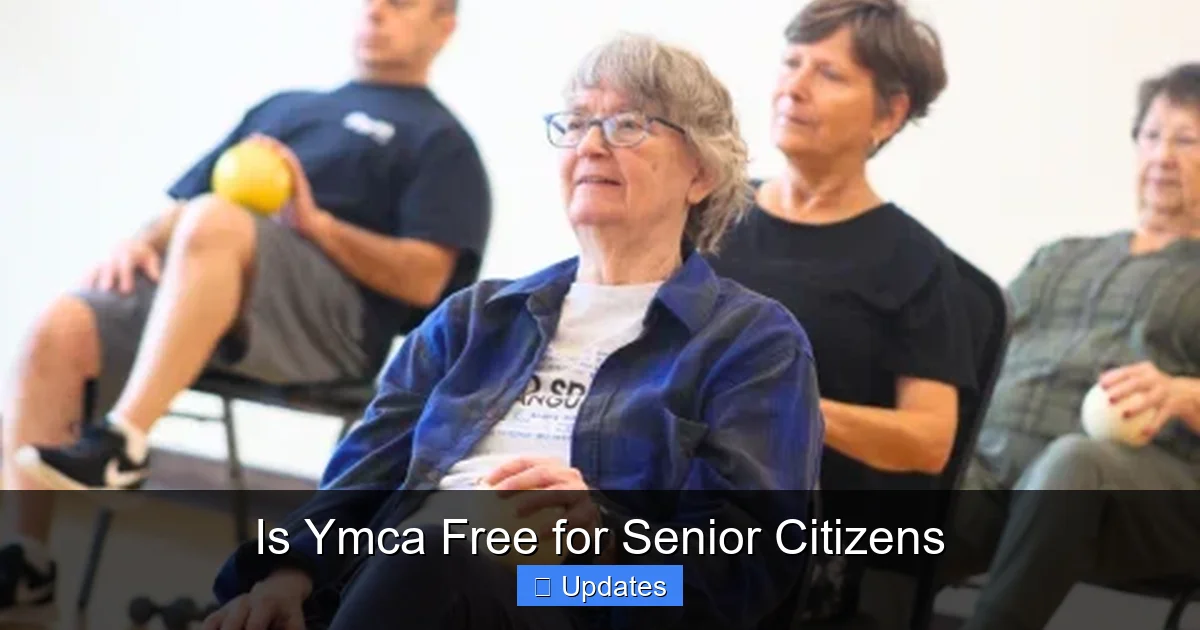
Unlike some organizations that use strict age cutoffs (like 60 or 65), the YMCA typically defines its senior programs starting around age 50–55. This reflects research showing that health and mobility benefits begin accruing well before traditional retirement age. However, exact age requirements vary by location. Some urban branches start discounts at 50, while rural centers might wait until 60. Always check with your local facility—they’re usually happy to explain their guidelines.
Visual guide about Is Ymca Free for Senior Citizens
Image source: ymcaharrisburg.org
Importantly, being labeled a “senior” doesn’t automatically mean free entry. Most branches still charge a modest monthly fee unless you meet additional criteria such as income level or participation in specific aid programs. That said, even if there’s a small cost, it’s often far less than standard adult membership—sometimes just $10–$25 per month.
How Do You Qualify for Senior Discounts?
To access senior-friendly pricing, you’ll generally need to:
- Be at least 50 years old (or older, depending on the branch)
- Provide proof of age (driver’s license, passport, etc.)
- Attend a brief orientation or intake session
- Sometimes agree to participate in health assessments or goal-setting interviews
Some locations also require residents to live within the YMCA’s service area. Non-residents may be charged higher rates, though exceptions sometimes exist for spouses or caregivers accompanying seniors.
Types of Free or Low-Cost YMCA Programs for Seniors
Free Community Events and Open Gyms
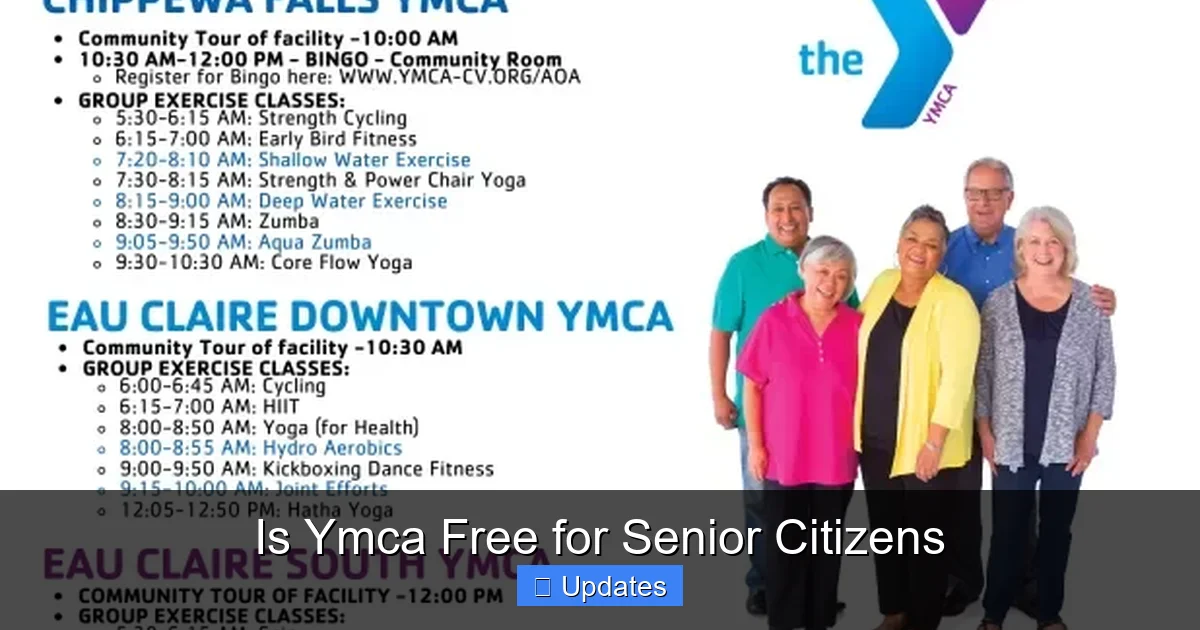
Many YMCAs host weekly “Open Gym” hours where seniors can use cardio equipment, treadmills, or light weights at no extra charge—provided they show valid ID and sign a liability waiver. These sessions are supervised but not instructor-led, making them ideal for independent exercisers.
Visual guide about Is Ymca Free for Senior Citizens
Image source: chippewachamber.org
Additionally, community nights focused on balance training, tai chi, or dance classes (like line dancing or ballroom) are frequently offered free of charge during off-peak hours. Keep an eye out for flyers posted near elevators or in senior center newsletters!
Subsidized Group Fitness Classes
While drop-in group classes usually require a small fee ($5–$8 per class), many YMCAs reserve certain timeslots exclusively for seniors at deeply discounted rates—or even include them in your base membership. For example:
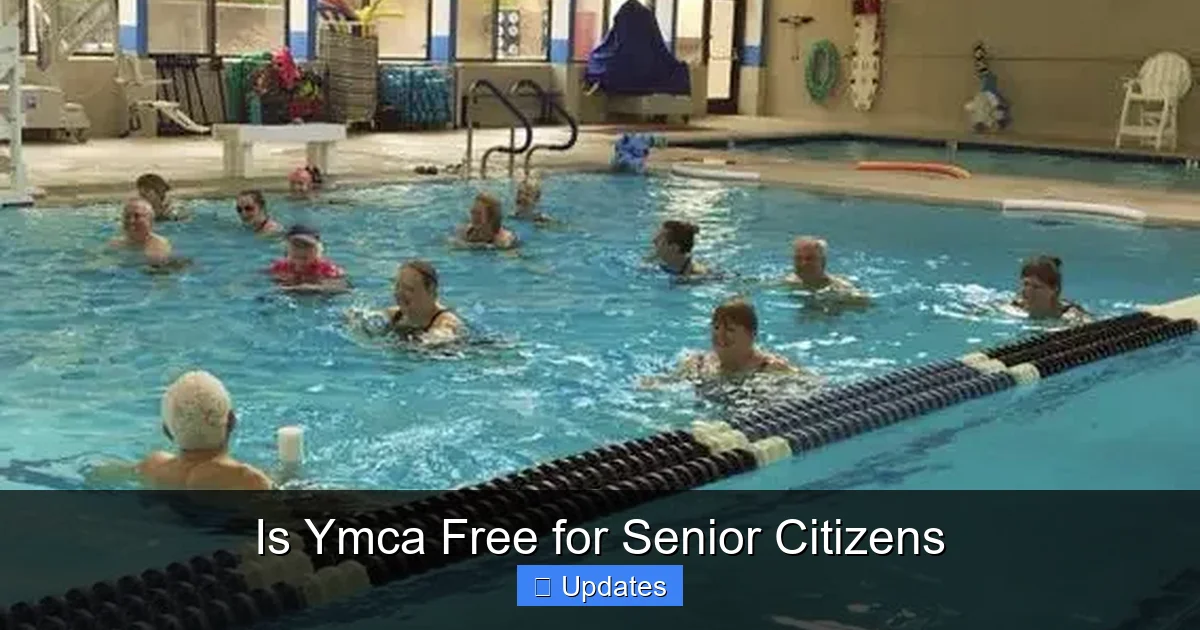
- Water Aerobics: Gentle on joints; often free for members 60+
- Chair Yoga & Pilates: Designed for limited mobility; sometimes included in senior packages
- Walking Clubs: Outdoor or indoor groups that meet several times weekly—often free with proof of age
Pro tip: Ask about “SilverSneakers®” partnerships! Though originally tied to Medicare Advantage plans, many standalone YMCAs now accept SilverSneakers as payment for eligible classes.
Wellness Workshops and Health Screenings
Beyond physical activity, YMCA branches frequently collaborate with healthcare providers to offer free screenings—such as blood pressure checks, glucose testing, or fall risk evaluations—during monthly wellness fairs. Nutrition seminars, medication management tips, and chronic disease self-management workshops are also common.
These events reinforce the Y’s mission: not just building stronger bodies, but healthier communities.
Financial Assistance and Government-Supported Initiatives
Income-Based Waivers
In underserved neighborhoods or areas with high poverty rates, local governments or nonprofits may fund YMCA memberships for seniors earning below a certain threshold (e.g., 200% of the federal poverty level). Eligibility varies widely—contact your city’s Office on Aging or Area Agency on Aging (AAA) to inquire.
Visual guide about Is Ymca Free for Senior Citizens
Image source: patch.com
Partnerships with Social Service Agencies
Agencies like Meals on Wheels or Adult Protective Services sometimes refer clients to the Y for safe, supervised exercise. In return, the Y may waive fees as part of broader reintegration efforts. Don’t hesitate to mention any external support you receive when applying.
Volunteer Opportunities = Free Access
Some branches allow volunteers to attend fitness classes at no cost as part of their contribution. If you enjoy helping others, ask if this path is open to seniors!
Real-Life Examples: What Seniors Are Saying
At the Westside YMCA in Los Angeles, retiree Margaret Chen pays only $12/month after turning 62. “I was worried it’d be too expensive,” she says, “but they asked about my budget and adjusted it right away.” Meanwhile, in suburban Atlanta, the Decatur Family YMCA runs a “Golden Years Pass” program giving unlimited access to fitness classes, swimming, and social events for just $20 annually to those 70+.
Even in smaller towns, stories abound. The Y in Rapid City, South Dakota, offers free senior swims every Tuesday morning—a lifeline for locals without transportation. And in Portland, Oregon, the Lloyd District YMCA partners with OHSU to provide free diabetes prevention classes for pre-diabetic seniors.
These examples highlight a growing trend: municipalities recognizing that active aging reduces long-term healthcare costs while boosting quality of life.
Tips for Maximizing Your YMCA Experience as a Senior
Bring Your ID Every Time
Always carry proof of age—even if you’ve registered before. Staff turnover means new faces daily, and verification ensures you keep getting the best rate.
Ask About Transportation Help
Many Ys run shuttles from senior housing complexes or partner with Uber Health/Lyft Access. Call ahead—they’ll often arrange pickup!
Join the Waitlist for Popular Programs
Water aerobics or tai chi can fill fast. Sign up early and bring a friend; some classes allow guest passes.
Stay Updated via Email or Text
Opt into the Y’s newsletter. They send alerts about free trials, holiday closures, and surprise promotions (yes—they occasionally give away full-year waivers!)
Consider Family Memberships
If grandchildren visit regularly, ask about “grandparent plus one” deals. It’s cheaper than two separate senior memberships and keeps everyone active together.
Common Misconceptions About YMCA Senior Programs
One myth is that “free” equals “no commitment.” In reality, most waived fees come with expectations: attend orientation, follow safety rules, and respect facility policies. Another false belief: only healthy seniors qualify. The truth? The Y welcomes people managing arthritis, heart conditions, or memory loss—just ask about adaptive equipment or modified routines.
Lastly, don’t assume all Ys operate identically. Urban branches tend to have more resources than rural ones, so always verify locally.
Conclusion: Is It Worth Checking Out?
So, is YMCA free for senior citizens? Not universally—but in many cases, yes, especially when factoring in subsidies, partnerships, and low-cost tiers. More importantly, the value extends far beyond dollar signs. For millions of Americans, the YMCA serves as a second home—where friendships flourish, confidence grows, and every workout feels like a vote for vitality.
If you’re 50 or older, take five minutes today to call your nearest branch. Ask about senior rates, free trial days, and upcoming events. You might just find your next favorite place to stretch, swim, or simply belong.
And remember: staying active isn’t selfish—it’s smart stewardship of the life you’ve built. The Y wants to help you keep moving forward, one step at a time.
Frequently Asked Questions
Does every YMCA offer free membership for seniors?
No, free memberships depend on local funding, partnerships, and policies. While many branches offer reduced rates or waivers for seniors, completely free access isn’t guaranteed everywhere. Always contact your local YMCA directly for accurate details.
What age qualifies me for senior YMCA programs?
Most YMCAs define seniors as starting at age 50 or 55, though some extend benefits to those 60+. Age requirements vary by location, so checking with your specific branch is essential.
Can I get financial aid if I’m on a fixed income?
Yes, many communities provide income-based subsidies through local governments or nonprofits. Contact your Area Agency on Aging or the YMCA’s membership desk to explore options based on your income level.
Are there free fitness classes for seniors?
Many YMCAs offer free or low-cost group classes like water aerobics, chair yoga, and walking clubs for seniors. Some branches include these in senior memberships or offer them during designated free hours.
Do I need to pay anything even with a senior discount?
Typically, yes—most senior memberships involve a small monthly fee ($10–$25), unlike fully paid adult plans. However, this is often much less than standard rates and may include access to multiple amenities.
How do I prove my age for senior rates?
Bring a government-issued photo ID such as a driver’s license, passport, or state ID card when registering. Some locations may accept other forms of identification, but official documents are safest.