
Is The Flex Card For Seniors Legit?

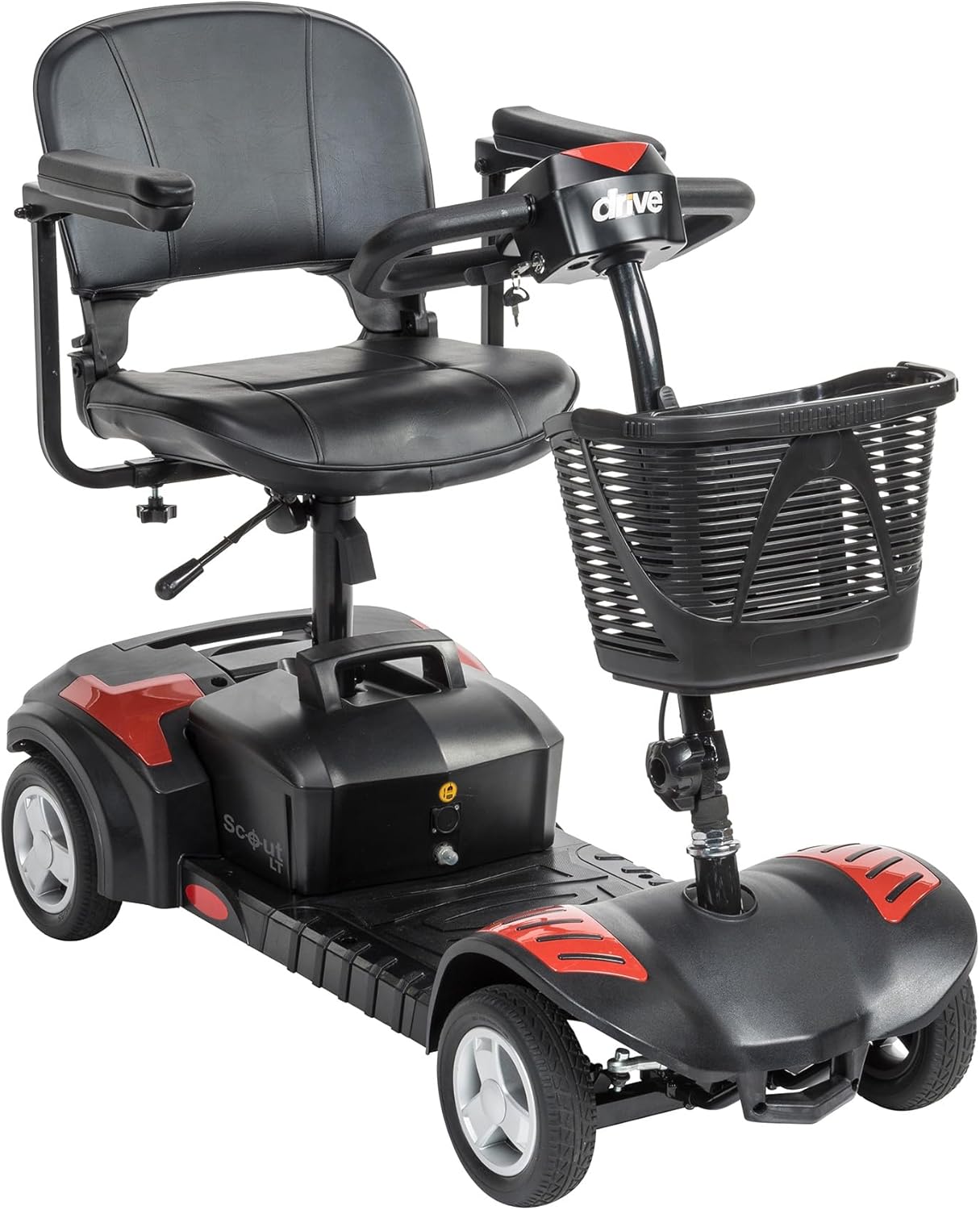
Electric Mobility Scooter

Sock Aid for Seniors

Big Button Mobile Phone
Yes, the Flex Card is a legitimate program designed to help seniors on Medicare Advantage plans afford healthy foods and household items. It’s a benefit offered by certain Medicare plans, not a standalone credit card.
Key Takeaways
- Flex Cards are a real Medicare benefit.
- They help seniors buy groceries and household goods.
- Specific plans offer this valuable perk.
- Check your Medicare Advantage plan details.
- Use it for approved healthy food items.
- It enhances well-being for eligible seniors.
Is The Flex Card For Seniors Legit? Your Guide to This Medicare Advantage Benefit
Navigating the world of healthcare benefits can feel like deciphering a secret code. If you’re a senior, or caring for one, you might have heard about something called the “Flex Card” and wondered, “Is the Flex Card for Seniors Legit?” It sounds almost too good to be true – a card that helps pay for groceries and everyday essentials. You’re not alone in your curiosity. Many seniors are looking for ways to stretch their budget, especially when it comes to healthy food and necessary household items. The good news is, the Flex Card is indeed a legitimate and valuable benefit for many individuals enrolled in specific Medicare Advantage plans. This guide will break down exactly what the Flex Card is, how it works, and who can benefit, so you can confidently understand this important program.
Understanding the Flex Card: What It Is and What It Isn’t
Let’s clear up any confusion right away: the Flex Card isn’t a credit card in the traditional sense. You won’t apply for it through a bank or build credit with it. Instead, the Flex Card, often called a Special Supplemental Benefits for the Chronically Ill (SSBCI) card, is a pre-loaded debit card provided by certain Medicare Advantage plans. Its primary purpose is to offer financial assistance for specific needs that contribute to the overall health and well-being of beneficiaries, particularly those with chronic conditions.
These cards are part of an expansion of benefits allowed by the Centers for Medicare & Medicaid Services (CMS). Initially, Medicare Advantage plans could offer benefits beyond what Original Medicare covers, but the SSBCI category has broadened the scope significantly. This allows plans to include coverage for things like:
- Healthy Foods: This is a major component, helping seniors afford fruits, vegetables, lean proteins, and other nutritious foods that are crucial for managing health conditions.
- Utilities: Some plans may help with costs like heating, cooling, or electricity, recognizing that a stable home environment is vital for health.
- Household Items: This can include things like cleaning supplies, air conditioners, or even transportation to medical appointments.
- Other Health-Related Needs: Depending on the plan, this could extend to things like non-medical transportation or even pest control.
It’s important to understand that not all Medicare Advantage plans offer the Flex Card. It’s an optional benefit that insurance companies can choose to provide. Therefore, whether you or a senior you know is eligible depends entirely on the specific plan they are enrolled in.
How the Flex Card Works: A Step-by-Step Overview
If you or a senior you know has a Medicare Advantage plan that includes the Flex Card benefit, the process is generally straightforward. Here’s a typical walkthrough:
- Eligibility Confirmation: First, you need to confirm that your Medicare Advantage plan offers the Flex Card and that you meet any specific eligibility criteria. This often involves having a qualifying chronic condition, as defined by CMS and the plan. You can find this information in your plan’s Summary of Benefits or by calling the member services number on your insurance card.
- Card Activation: Once confirmed, your plan will likely send you the pre-loaded Flex Card. It might arrive in the mail a few weeks after enrolling or after your eligibility is confirmed. You may need to activate the card by following the instructions provided.
- Understanding Approved Purchases: This is a crucial step. The Flex Card is not a free-for-all spending card. It’s designed for specific, health-related items. Your plan will provide a list of approved groceries and household items. Generally, this includes:
- Fruits and vegetables
- Lean meats, poultry, and fish
- Dairy products
- Whole grains
- Essential household supplies (e.g., cleaning products, personal hygiene items)
Items that are typically NOT covered include alcohol, tobacco, lottery tickets, and non-essential household goods.
- Making Purchases: You can use the Flex Card at participating retailers. Many grocery stores and pharmacies accept these cards. When you check out, you’ll typically swipe the card like a regular debit or credit card. The system will automatically deduct the cost of approved items. If you attempt to purchase an unapproved item, the transaction will likely be declined.
- Checking Your Balance: Most Flex Cards come with a website or a phone number where you can check your remaining balance and view your transaction history. This is important to keep track of your spending and ensure you’re using the benefit effectively.
- Monthly Reloads: The funds on the Flex Card are usually replenished monthly. The amount varies by plan, but it’s often a set dollar amount that’s added at the beginning of each month. Unused funds from previous months may or may not roll over, depending on the plan’s specific rules.
It’s always best to consult your specific plan documents or contact member services for the most accurate and up-to-date information on how your Flex Card works.
Who Benefits Most from the Flex Card?
The Flex Card is a targeted benefit, meaning it’s not universally available to all Medicare beneficiaries. It is primarily designed for individuals who are enrolled in Medicare Advantage plans and meet certain criteria, often related to chronic health conditions. Here’s a closer look at who stands to gain the most:
Seniors with Chronic Conditions
CMS allows Medicare Advantage plans to offer SSBCI benefits to enrollees who have been diagnosed with a qualifying chronic condition. These conditions often include:
- Diabetes
- Heart failure
- Chronic obstructive pulmonary disease (COPD)
- Kidney disease
- Stroke
- Dementia
The rationale here is that proper nutrition and a stable home environment are critical for managing these conditions, reducing hospitalizations, and improving quality of life. For example, access to fresh produce can help manage blood sugar levels in diabetics, while assistance with heating costs can prevent exacerbations of heart failure or COPD during cold months.
Low-Income Seniors
While not exclusively for low-income seniors, the Flex Card can be a significant financial relief for those on fixed incomes. The rising cost of groceries and utilities can strain a senior’s budget. This benefit helps ensure that essential needs are met, allowing them to allocate their limited funds to other critical areas like medications or rent.
Seniors Seeking Better Health Outcomes
Beyond just financial assistance, the Flex Card is fundamentally about improving health. By enabling seniors to purchase healthier foods and maintain a more comfortable living environment, the card supports proactive health management. This can lead to fewer doctor visits, fewer emergency room trips, and a generally higher level of well-being. It empowers individuals to take better control of their health through accessible resources.
Caregivers and Family Members
For those looking after elderly parents or relatives, the Flex Card can be a welcome support. It alleviates some of the financial burden and can provide peace of mind knowing that their loved one has access to necessary food and household items, especially if they are physically unable to shop easily or manage these expenses independently.
Comparing Flex Card Benefits with Original Medicare
It’s important to highlight how the Flex Card and the broader SSBCI benefits differ from what Original Medicare (Parts A and B) typically covers. This comparison can help clarify the unique value proposition of Medicare Advantage plans that offer these supplemental benefits.
| Feature | Original Medicare (Parts A & B) | Medicare Advantage Plans with SSBCI (e.g., Flex Card) |
|---|---|---|
| Primary Purpose | Covers medically necessary hospital stays, doctor visits, preventive services, and some medical equipment. | Includes all Original Medicare benefits plus additional services like vision, dental, hearing, and supplemental benefits for chronic illness management (SSBCI). |
| Food Coverage | Does not cover groceries or general food expenses. May cover special medically prescribed liquid diets in certain inpatient settings. | Often covers approved healthy foods, produce, lean proteins, etc., via the Flex Card. |
| Utility Assistance | Does not cover utility bills. | May cover utilities (e.g., heating, cooling) as part of SSBCI in some plans. |
| Household Items | Does not cover general household supplies. | May cover essential household items (cleaning, personal care) via the Flex Card. |
| Eligibility | Available to all individuals eligible for Medicare based on age or disability. | Requires enrollment in a specific Medicare Advantage plan that offers these extra benefits, often with an additional eligibility criterion (e.g., chronic condition). |
| Cost | Premiums for Part B, deductibles, and coinsurance apply. | May have a monthly premium (beyond the Part B premium), deductibles, and copayments, but often includes additional benefits with no extra cost or a lower out-of-pocket cost for specific services. |
As you can see, Original Medicare focuses on acute medical care. Medicare Advantage plans, particularly those offering SSBCI benefits like the Flex Card, aim to provide a more holistic approach to health, encompassing social determinants of health such as nutrition and home environment. This broader coverage is a key reason why many seniors choose Medicare Advantage.
Finding a Medicare Advantage Plan with Flex Card Benefits
If you’re interested in the Flex Card or similar benefits, the next step is to find a Medicare Advantage plan that offers them in your area. Here’s how you can go about it:
- Check Your Current Plan: If you are already enrolled in a Medicare Advantage plan, review your latest “Evidence of Coverage” or “Summary of Benefits.” You can also call the member services number on your insurance card and ask directly if your plan includes the Flex Card or a similar SSBCI benefit and what the eligibility requirements are.
- Use the Medicare.gov Plan Finder: The official Medicare website has a tool called the “Medicare Plan Finder.” You can enter your zip code and compare different Medicare Advantage plans available in your region. Look for plans that explicitly state they offer “Special Supplemental Benefits for the Chronically Ill” or mention food, grocery, or household allowances.
- Contact Insurance Brokers: Independent insurance brokers who specialize in Medicare can be a valuable resource. They have access to information about various plans from different insurance companies and can help you find one that meets your specific needs and includes the Flex Card benefit.
- Review Insurance Company Websites: Many insurance providers that offer Medicare Advantage plans will detail their benefits, including SSBCI, on their websites. Look for carriers like Humana, Aetna, UnitedHealthcare, and Alignment Health, as these are known to offer plans with such benefits in various regions.
- Read the Fine Print: Once you identify potential plans, it’s crucial to read all the plan documents carefully. Pay close attention to the eligibility requirements for the SSBCI, the list of approved items, participating retailers, and any spending limits or rollover policies.
Remember that plan availability and specific benefits can vary significantly by location. What’s available in one state or even one county might not be available in another.
Important Considerations and Potential Pitfalls
While the Flex Card is a legitimate and beneficial program, it’s wise to be aware of a few things to ensure you use it effectively and avoid any misunderstandings:
Network Restrictions
The card typically works only at specific retailers that have been approved by your plan provider. Ensure your local grocery stores or pharmacies participate in the network. Check your plan’s provider directory or ask the store if they accept your specific Flex Card.
Strict Purchase Guidelines
As mentioned, the card is for approved items only. Attempting to use it for non-approved items will result in the transaction being declined. This can be frustrating if you’re not clear on the guidelines. Always refer to your plan’s list of approved purchases.
Expiration Dates and Rollover Policies
Funds on the Flex Card are often replenished monthly, and some plans may have strict rules about when the funds expire if not used. Also, check if unused balances roll over to the next month. Understanding these policies can help you maximize the benefit.
Eligibility Recertification
If your eligibility for the Flex Card is based on a chronic condition diagnosis, your plan may require periodic recertification. Be sure to comply with any requests for updated medical information from your provider to maintain access to the benefit.
Potential for Misinformation
Because the Flex Card can sound too good to be true, there might be scams or misinformation circulating. Always rely on official sources like Medicare.gov, your insurance provider’s official website, or their member services for accurate information about the card and its benefits.
Pro Tip: Keep a running list of approved Flex Card items and participating stores handy. You can create a dedicated notebook or a digital note on your phone. This will help you quickly identify eligible purchases while shopping and save you time and potential frustration at the checkout.
Frequently Asked Questions About the Flex Card for Seniors
What exactly is the Flex Card?
The Flex Card, often called a Special Supplemental Benefits for the Chronically Ill (SSBCI) card, is a pre-loaded debit card provided by certain Medicare Advantage plans. It helps eligible seniors pay for approved healthy foods and eligible household items.
Is the Flex Card a real benefit, or is it a scam?
The Flex Card is a legitimate benefit offered by many Medicare Advantage plans as part of their supplemental offerings. It is not a scam, but it’s important to verify eligibility and understand the specific rules through your plan provider.
Who is eligible for the Flex Card?
Eligibility typically requires enrollment in a Medicare Advantage plan that offers the Flex Card benefit and a diagnosis of a qualifying chronic condition, as determined by CMS and the specific plan. Not all Medicare beneficiaries are eligible.
What can I buy with the Flex Card?
You can use the Flex Card to purchase approved healthy foods like fruits, vegetables, lean proteins, and dairy, as well as certain household items such as cleaning supplies. The exact list of approved items varies by plan.
Where can I use the Flex Card?
The card can typically be used at participating grocery stores, pharmacies, and other retailers that have been approved by your Medicare Advantage plan. You should check your plan’s list of participating locations.
How do I find out if my Medicare plan offers a Flex Card?
Review your Medicare Advantage plan’s “Summary of Benefits” or call the member services number on your insurance card. You can also use the Medicare Plan Finder tool on Medicare.gov to compare plans in your area and see which ones offer SSBCI benefits.
Is the Flex Card available in all states?
The availability of Flex Cards and the specific Medicare Advantage plans that offer them varies by state and even by region within a state. You need to check the plans available in your specific geographic area.
Conclusion: A Legitimate Resource for Senior Well-being
So, to circle back to our initial question: Is the Flex Card for Seniors Legit? Absolutely, yes. The Flex Card is a real and valuable benefit that can make a tangible difference in the lives of eligible seniors. It represents a shift in how healthcare benefits are viewed, recognizing that factors beyond direct medical treatment—like access to nutritious food and a stable home environment—play a critical role in overall health and well-being, especially for those managing chronic conditions.
While it’s not a universal benefit, and specific eligibility and usage rules apply, understanding how it works empowers seniors and their families to take advantage of this resource. By confirming eligibility with their Medicare Advantage plan, understanding approved purchases, and knowing where to use the card, seniors can effectively leverage the Flex Card to supplement their diet, manage household needs, and ultimately contribute to a healthier, more comfortable life. If you or a loved one is enrolled in a Medicare Advantage plan, it’s worth investigating if this powerful supplemental benefit is available to you.