
Independent Senior Living Marketing Ideas


LED Clip Reading Light
Robot Vacuum Cleaner

Electric Kettle with Auto Shutoff
Independent senior living marketing is all about building meaningful connections with older adults and their families. In this evolving landscape, communities must go beyond traditional ads and focus on authentic engagement through personalized outreach, community events, and digital storytelling. By leveraging the right mix of content, technology, and human connection, you can create a compelling brand that resonates deeply with seniors seeking independence, comfort, and purpose.
Key Takeaways
- Know your audience: Understand the unique needs, values, and communication preferences of older adults and their adult children.
- Leverage storytelling: Share real resident stories and community moments to build emotional connections and credibility.
- Optimize your website: Ensure your site is mobile-friendly, easy to navigate, and includes clear calls-to-action for tours and inquiries.
- Host engaging events: From health fairs to cultural gatherings, in-person and virtual events help showcase your lifestyle and build trust.
- Use social media wisely: Focus on platforms like Facebook where seniors are active—share photos, tips, and community highlights.
- Build local partnerships: Collaborate with healthcare providers, senior centers, and retirement planners to expand your reach.
- Measure what matters: Track lead sources, tour conversions, and resident satisfaction to refine your marketing strategy over time.
📑 Table of Contents
- Introduction: Why Independent Senior Living Marketing Matters More Than Ever
- Understanding Your Target Audience: The Heart of Effective Marketing
- Digital Marketing Strategies That Resonate With Seniors
- Organizing Impactful Events to Showcase Your Community
- Building Trust Through Testimonials and Storytelling
- Strategic Partnerships That Expand Your Reach
- Measuring Success: Tracking What Really Matters
- Conclusion: Marketing That Honors Independence and Dignity
Introduction: Why Independent Senior Living Marketing Matters More Than Ever
Let’s face it—marketing for independent senior living isn’t just about filling beds. It’s about creating a sense of belonging, safety, and possibility for older adults who are ready to enjoy their golden years on their own terms. As life expectancies rise and family structures shift, more seniors are choosing to age in place—or at least, age with dignity, choice, and connection. And that means communities offering independent living must stand out in a crowded market.
But here’s the thing: older adults aren’t just consumers. They’re people with rich histories, strong opinions, and deep emotional ties to their homes and routines. Traditional advertising—billboards, cold calls, generic brochures—just doesn’t cut it anymore. Today’s seniors (and their families) want authenticity, transparency, and personal attention. They want to know what life really looks like day to day before they make a decision that affects their health, finances, and independence.
That’s why effective independent senior living marketing is less about selling units and more about building relationships. It’s about showing up where your audience already spends time, speaking their language, and proving—not just telling—that your community is the right fit. Whether you’re promoting a luxury high-rise or a cozy neighborhood-style home, the goal remains the same: to attract residents who feel seen, valued, and excited about their future.
Understanding Your Target Audience: The Heart of Effective Marketing
Before you spend a dime on ads or plan your next event, take a step back and really think about who you’re trying to reach. Independent senior living residents aren’t a monolith. Their ages, backgrounds, lifestyles, and motivations vary widely—even within the same ZIP code.
Visual guide about Independent Senior Living Marketing Ideas
Image source: codedesign.org
Know the Generations You Serve
Most independent living communities welcome residents from the Baby Boomer generation (born 1946–1964) and even some younger seniors. But each group has different expectations:
- Baby Boomers: Often tech-savvy, socially active, and value experiences over possessions. They grew up during times of great change and tend to embrace innovation.
- Gen X Seniors (born 1965–1980): Practical, financially conscious, and often balancing caregiving duties for aging parents while also planning their own futures.
- Older Adults (75+): May prefer simplicity, routine, and low-tech solutions. They often rely on word-of-mouth and trusted advisors.
Understanding these generational nuances helps tailor your messaging. For example, a Gen X senior might respond well to emails highlighting financial transparency, while a Boomer might be drawn to a vibrant social calendar.
Consider the Family Perspective
Adult children are frequently the ones making the final call—even if the senior themselves is enthusiastic. These caregivers want peace of mind. They research online, read reviews, attend open houses, and ask tough questions. Your marketing should speak to both the resident’s desires and the caregiver’s concerns.
For instance, instead of saying “Luxurious amenities await!” try “Enjoy worry-free living with 24/7 support nearby and weekly wellness checks—so you can relax knowing Mom is safe.”
Listen to Feedback
Talk to current residents and their families. What do they love? What worries them? Are there features they wish were available? This insight is gold for shaping your marketing messages. Maybe your community has a beautiful garden but lacks shaded seating—a small detail that could be a big deal in summer months.
Use surveys, suggestion boxes, or casual coffee chats to gather feedback. Then, reflect those insights in your website copy, newsletters, and sales presentations.
Digital Marketing Strategies That Resonate With Seniors
In today’s world, having a strong digital presence isn’t optional—it’s essential. But don’t assume “digital” means TikTok dances or Instagram filters. For most seniors, digital marketing looks like a clean, easy-to-use website, helpful blog posts, and active Facebook pages.
Visual guide about Independent Senior Living Marketing Ideas
Image source: codedesign.org
Build a Senior-Friendly Website
Your website is your digital front door. Make sure it’s:
- Easy to navigate: Use large fonts, clear headings, and minimal clutter.
- Mobile-responsive: Many seniors browse on tablets or phones.
- Accessible: Include alt text for images and readable contrast ratios.
- Action-oriented: Have prominent buttons for scheduling a tour, downloading a floor plan, or calling for info.
Example: Instead of a generic “Learn More” button, use “See Our Garden Spaces – Schedule a Visit Today” to guide users toward next steps.
Create Valuable Content
Seniors and their families turn to blogs and videos for answers—not just ads. Topics that perform well include:
- “How to Choose the Right Senior Living Community”
- “Top 5 Benefits of Independent Living”
- “A Day in the Life at [Your Community Name]”
- “What to Expect When Moving In”
Share these through email newsletters, social media, and your website. Bonus: Repurpose blog content into short videos or infographics for wider appeal.
Use Social Media Strategically
Facebook is still the king of senior engagement. Post regularly—but not too often. Share:
- Photos of resident activities (book clubs, fitness classes)
- Seasonal updates (“Spring blooms in our courtyard!”)
- Testimonials from happy residents
- Links to helpful articles or local news
Avoid overly promotional tone. Instead, aim for warmth and authenticity. A simple caption like “Meet Margaret, who loves painting every Tuesday afternoon—come join her!” builds connection.
Invest in Local SEO
When families search “senior living near me” or “independent living options in [city],” you want your community to show up. Optimize your Google Business Profile, use location-specific keywords (like “independent senior living in Austin”), and encourage satisfied residents to leave positive reviews.
Tip: Create landing pages for each neighborhood or city you serve. For example, “Independent Senior Living in Portland” or “Luxury Apartments for Seniors in Denver.”
Organizing Impactful Events to Showcase Your Community
Nothing sells independent senior living like a live experience. Events allow potential residents and their families to meet staff, see common areas, and get a true feel for the atmosphere. Plus, they’re fantastic opportunities to collect leads and build relationships.
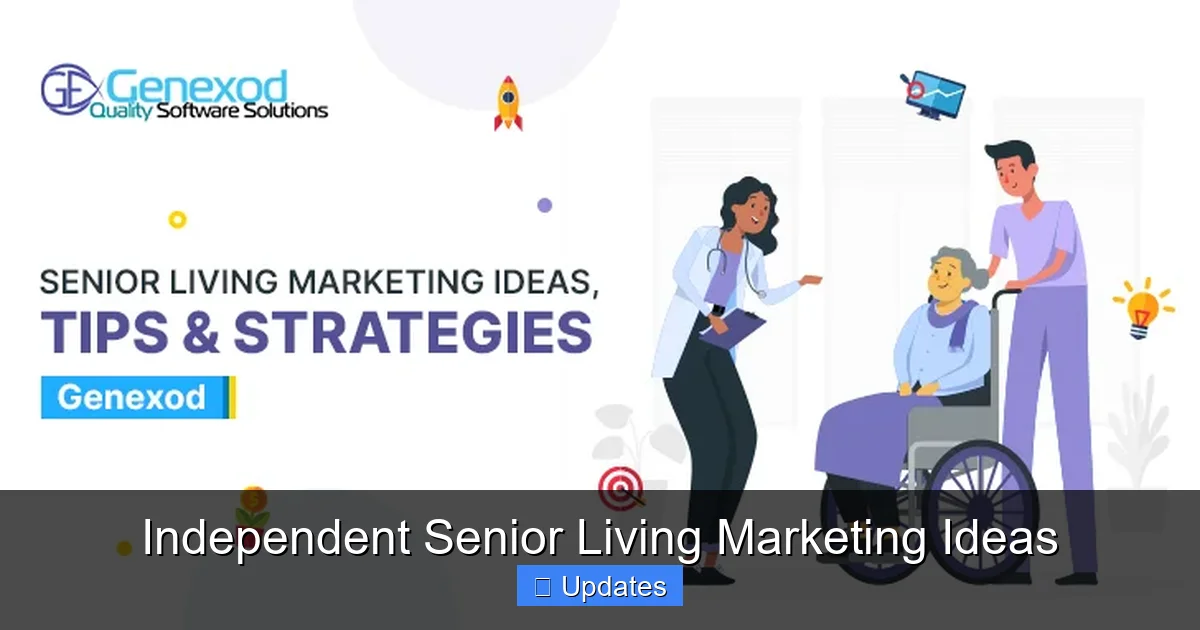
Visual guide about Independent Senior Living Marketing Ideas
Image source: genexod.com
Host Open Houses with a Twist
Instead of a passive open house, turn it into an immersive experience. Offer:
- Guided tours with current residents
- Lunch served in the dining room
- Live music or poetry readings
- Health screenings or flu shots (partner with a local clinic)
These touches make the event memorable and practical. Families appreciate the convenience; residents love the social interaction.
Partner with Community Organizations
Collaborate with senior centers, churches, retirement planners, or medical offices. Co-host events like:
- Financial planning workshops
- Memory care awareness seminars
- Gardening or cooking demonstrations
This positions your community as a trusted resource—not just a place to live. It also expands your reach through existing networks.
Go Virtual When Needed
Not everyone can attend in person. Offer live-streamed tours or Zoom Q&A sessions. Record them and post them on your website so families can watch at their leisure.
Example: During the pandemic, many communities successfully used virtual tours to maintain momentum. Some even kept these videos up afterward—they’re still being viewed today!
Turn Events Into Lead Generators
At every event, have a clear way for people to sign up for more info. Use QR codes linking to a contact form, offer a free booklet, or host a raffle for attendees who complete a quick survey.
Follow up within 24 hours with a personalized email thanking them for attending and answering any questions.
Building Trust Through Testimonials and Storytelling
People don’t buy what you say—they buy how it makes them feel. That’s why testimonials and real-life stories are among the most powerful tools in your marketing arsenal.
Feature Resident Voices
Ask current residents (with permission) to share their experiences. Do interviews, write guest columns, or film short video clips. Highlight specific benefits: “I love the weekly bingo nights—I’ve made lifelong friends,” or “The transportation service lets me visit my grandkids without stress.”
Display these stories prominently on your website, in brochures, and on social media. Authenticity builds credibility.
Highlight Lifestyle Benefits
Move beyond square footage and pricing. Paint a picture of what daily life looks like:
- “Wake up to birdsong and sunlight streaming through your window.”
- “After lunch, stroll through our rose garden or play chess with neighbors.”
- “Evenings might include trivia night or a movie screening in the community lounge.”
These vivid descriptions help families visualize happiness—not just housing.
Address Concerns Proactively
Many seniors worry about losing independence, feeling isolated, or being a burden. Address these fears head-on in your messaging. Say things like:
- “You’ll always have support when you need it—without losing control.”
- “Our social calendar is designed so you never have to be alone.”
- “We believe aging well starts with living fully.”
These reassurances ease anxiety and position your community as compassionate and forward-thinking.
Strategic Partnerships That Expand Your Reach
You don’t have to do everything alone. Forming alliances with complementary businesses amplifies your message and brings in qualified prospects.
Work With Healthcare Providers
Doctors, nurses, and physical therapists often refer patients to senior communities. Build relationships by inviting them to give talks at your facility or co-hosting health education events.
Example: Host a “Fall Prevention Workshop” with a local geriatric specialist. Attendees get valuable info—and learn about your community as a safe, supportive environment.
Team Up With Retirement Planners
Financial advisors specializing in retirement often encounter clients exploring housing options. Offer them a referral incentive and provide educational materials they can share.
Pro tip: Create a simple one-pager titled “5 Questions to Ask Before Choosing a Senior Living Community” to hand out at advisory meetings.
Engage With Adult Children’s Networks
Support groups for adult children of aging parents, online forums, and caregiver blogs are fertile ground for outreach. Participate respectfully—don’t pitch. Instead, offer help: “Here’s a checklist we use to compare communities.”
Over time, your reputation as a helpful, non-pushy resource will grow.
Collaborate With Local Businesses
Partner with restaurants, pharmacies, or boutiques near your community. Offer joint promotions like “Dine out this week and get 10% off at our café next month.”
This strengthens your role as part of the local ecosystem—making your community feel integrated and welcoming.
Measuring Success: Tracking What Really Matters
Great marketing isn’t guesswork. It’s data-driven. Set clear goals and track metrics that matter—not just clicks or likes, but actual outcomes like tours scheduled or move-ins.
Define Your KPIs
Start by identifying key performance indicators (KPIs). Examples include:
- Number of website visits from organic search
- Tours booked per week
- Conversion rate (leads to move-ins)
- Social media engagement rate
- Email open and click-through rates
Use tools like Google Analytics, CRM software, or marketing automation platforms to monitor these.
Track Lead Sources
Ask every prospect how they heard about you: “Was it an event, a friend, a Google search, or a Facebook ad?” This helps you double down on what works.
If 60% of your leads come from open houses, invest more in event marketing. If referrals spike after partnering with a retirement planner, nurture that relationship.
Gather Resident Feedback
Satisfaction surveys aren’t just for HR—they inform marketing too. If residents complain about Wi-Fi speed, update your website’s amenities list accordingly.
Adjust and Improve
Marketing is iterative. Review your results monthly. Try new tactics. Drop what’s underperforming. Stay agile—and keep your audience at the center.
Conclusion: Marketing That Honors Independence and Dignity
Effective independent senior living marketing isn’t flashy or formulaic. It’s thoughtful, human-centered, and rooted in empathy. It recognizes that behind every inquiry is a person—someone who deserves respect, clarity, and genuine care.
By focusing on storytelling, community-building, and smart partnerships, your marketing won’t just attract residents—it will inspire confidence. Families will feel reassured. Seniors will feel hopeful. And your community will stand out not because it’s the biggest or the cheapest, but because it truly understands what makes life fulfilling in later years.
Remember: the best marketing happens when people feel seen, heard, and invited. So go ahead—host that event, share that story, answer that question. Because when you put dignity first, your marketing does the rest.
Frequently Asked Questions
What are the best social media platforms for marketing independent senior living?
Facebook is the top platform for reaching older adults due to its user-friendly interface and widespread adoption. Consider YouTube for video tours and LinkedIn for B2B outreach to retirement planners or healthcare partners.
How can I improve my website for senior visitors?
Use large fonts (at least 16px), high-contrast colors, simple navigation, and clear calls-to-action. Avoid jargon and ensure the site works well on tablets and smartphones—many seniors prefer browsing on larger screens.
Are virtual tours worth the investment?
Absolutely. Virtual tours make your community accessible to out-of-town families, busy caregivers, or those hesitant to travel. Recorded versions can also serve as evergreen content on your website.
How often should I send email newsletters?
Twice a month is ideal. Keep them concise, visually appealing, and focused on resident stories, upcoming events, or helpful resources. Testimonials and seasonal updates work especially well.
Can independent living communities benefit from local partnerships?
Yes! Partnering with doctors, retirement planners, or senior centers builds trust and expands your reach. Co-hosting workshops or offering joint promotions creates win-win opportunities.
How do I measure the success of my marketing efforts?
Track metrics like website traffic, tour bookings, conversion rates, and resident satisfaction scores. Also monitor which channels bring in the most qualified leads—then focus your budget there.