
How to Get Senior Dog to Gain Weight

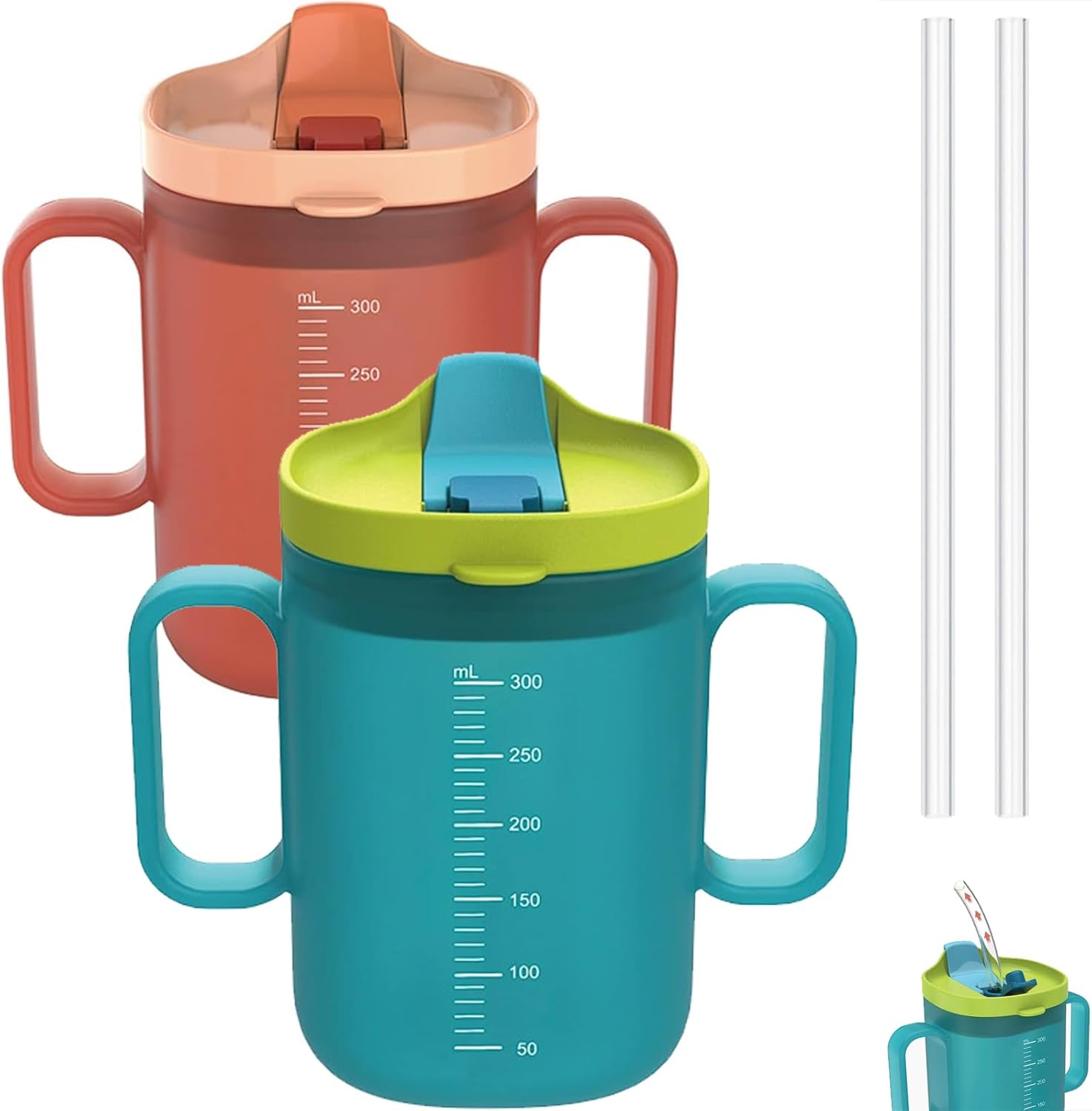
Spill-Proof Adult Cup

Adjustable Bed Wedge Pillow

Electric Recliner Lift Chair
Helping a senior dog gain weight requires patience, the right nutrition, and understanding their changing needs. As dogs age, metabolism slows, appetite may decrease, and underlying health issues can contribute to weight loss. With a balanced approach that includes high-calorie foods, frequent meals, and veterinary guidance, you can support your aging companion’s health and vitality.
When our furry friends enter their golden years, they undergo many physical changes. Their energy levels dip, their sense of smell and taste may fade, and sometimes, they start losing weight despite eating normally. If your senior dog seems thinner than usual or you’ve noticed a decline in muscle tone, it might be time to focus on helping them gain weight safely and effectively.
Senior dogs are more vulnerable to malnutrition because their bodies become less efficient at absorbing nutrients and maintaining lean mass. But don’t worry—this isn’t something you have to accept as inevitable. With the right approach, you can support your aging pup in regaining strength, improving coat condition, and enhancing overall quality of life.
In this guide, we’ll walk through practical steps—from dietary tweaks to behavioral tips—that make all the difference when trying to get a senior dog to gain weight. Whether your dog is underweight due to illness, picky eating, or just slower metabolism, these strategies will help you turn things around.
Key Takeaways
- Consult your vet first: Always rule out medical causes like dental disease or organ dysfunction before adjusting diet.
- Choose calorie-dense foods: Opt for senior-specific dog foods rich in healthy fats and proteins to support weight gain.
- Feed smaller, more frequent meals: Older dogs often lose interest in large portions but thrive on 3–4 small meals daily.
- Add healthy fats and supplements: Ingredients like fish oil, coconut oil, or probiotics can boost calories and improve digestion.
- Monitor progress weekly: Weigh your dog regularly and adjust portions based on gains—ideally 1–2% of body weight per week.
- Encourage gentle exercise: Light activity helps maintain muscle mass without overexertion.
- Be patient and consistent: Weight gain in senior dogs takes time; celebrate small victories along the way.
📑 Table of Contents
- Why Senior Dogs Struggle to Gain Weight
- Step 1: Visit Your Veterinarian
- Step 2: Choose the Right Food for Weight Gain
- Step 3: Increase Calories Without Overfeeding
- Step 4: Add Healthy Fats and Supplements
- Step 5: Encourage Eating Through Environment and Routine
- Step 6: Monitor Progress and Adjust
- When to Seek Emergency Help
- Conclusion: Patience, Persistence, and Love
Why Senior Dogs Struggle to Gain Weight
As dogs age, several biological shifts occur that can interfere with weight management. One major factor is **decreased metabolic rate**. Just like humans, older dogs burn fewer calories throughout the day simply because they’re less active and their organs function slightly less efficiently.
Another common issue is **reduced appetite**. Senior dogs may eat less due to dental problems (like gum disease or missing teeth), which make chewing painful. Others lose interest in food because their taste buds aren’t as sensitive anymore. Some even develop gastrointestinal issues that reduce hunger signals.
Chronic conditions such as arthritis, kidney disease, or hormonal imbalances can also lead to unintended weight loss. In some cases, medication side effects suppress appetite. That’s why it’s essential to rule out serious health concerns before making significant changes to your dog’s routine.
If your senior dog has lost more than 10% of their body weight in six months, schedule a vet visit immediately. Sudden weight loss can signal an underlying problem that needs treatment.
Step 1: Visit Your Veterinarian

Visual guide about How to Get Senior Dog to Gain Weight
Image source: media.christinas.vn
Before launching into any weight-gain plan, take your dog to the veterinarian for a full check-up. This step cannot be overstated—many owners assume weight loss is just part of aging, only to discover treatable causes like thyroid issues or intestinal parasites.
Your vet will perform bloodwork, possibly an abdominal ultrasound, and assess your dog’s dentition and mobility. They may also recommend specific tests depending on symptoms. For example, if your dog drinks more water or urinates frequently, kidney function should be evaluated.
Based on findings, your vet might prescribe medication, suggest dietary modifications, or refer you to a veterinary nutritionist. Never start giving supplements or switching foods without professional input—especially in seniors, where liver or kidney strain is a real risk.
Once medical issues are ruled out or managed, you’ll have a clear roadmap for supporting healthy weight gain.
Step 2: Choose the Right Food for Weight Gain

Visual guide about How to Get Senior Dog to Gain Weight
Image source: instagrammernews.com
Not all dog foods are created equal—and for senior dogs needing to bulk up, you need one packed with quality ingredients and extra calories.
Look for formulas labeled “high calorie” or “weight gain” designed specifically for adult or senior dogs. These typically contain higher fat content (around 18–25%) compared to standard kibble (which averages 10–15%). Healthy fats like chicken fat, fish oil, or flaxseed provide dense energy without overwhelming digestion.
Protein quality matters too. Aim for meats listed first on the ingredient panel—such as deboned chicken, turkey, or lamb—rather than vague terms like “meat meal” or “animal by-products.” High-quality protein supports muscle repair and keeps your dog feeling full longer.
Avoid fillers like corn, wheat, and soy unless your dog tolerates them well. Instead, choose limited-ingredient diets if your pet has sensitivities.
Some popular brands offering excellent weight-gain options include Hill’s Science Diet Senior Mobility+, Royal Canin Senior + Mobility Support, and Purina Pro Plan Senior Adult 7+ Prime Plus. Always transition slowly over 7–10 days to avoid upset stomach.
Wet Food vs. Dry Food: Which Is Better?
Many owners wonder whether wet or dry food is better for helping a senior dog gain weight. The truth is, **wet food often wins** for several reasons:
– It contains up to 78% moisture versus 10% in dry kibble, which means more volume and palatability.
– Most senior dogs prefer the softer texture, especially if they have dental pain.
– Wet food usually has higher fat and protein levels, contributing directly to caloric intake.
That said, combining both types can work wonders. Try mixing half wet and half dry at first, then gradually increase the proportion of wet food as your dog adjusts.
You can also add warm water or low-sodium bone broth to enhance flavor and hydration.
Step 3: Increase Calories Without Overfeeding

Visual guide about How to Get Senior Dog to Gain Weight
Image source: m.media-amazon.com
Simply increasing portion size won’t always do the trick—your dog must actually consume those extra calories. But how do you add more fuel without causing digestive upset?
Start by calculating your dog’s current daily caloric needs using a reliable online calculator or asking your vet. Then, add 25–50% more calories gradually over two weeks. For instance, if your dog needs 900 calories normally, aim for 1,100–1,350 initially.
Here’s a simple method:
– Weigh your dog every week.
– If they’ve gained 0.5–1 pound per week, keep the same feeding plan.
– If no change after 10 days, increase portions by 10%.
– If weight drops further, consult your vet again.
Use measuring cups—not free-feeding—to ensure accuracy. Overfeeding can cause obesity-related problems like joint stress or pancreatitis, so precision is key.
Practical Examples
Let’s say your 30-pound senior dog currently eats 1 cup of regular senior kibble twice a day (about 600 calories total). To promote weight gain:
– Switch to a high-calorie formula (e.g., 1,200 calories per 2-cup serving).
– Feed ¾ cup morning and evening (total ~900 calories).
– Top each meal with ½ teaspoon of canned pumpkin (not pie filling) for fiber and moisture.
– Offer a small handful of cooked chicken breast between meals as a treat.
Track what works and adjust accordingly. Remember, every dog is unique!
Step 4: Add Healthy Fats and Supplements
Healthy fats are nature’s most concentrated calorie source—perfect for reluctant eaters or metabolically slow seniors. Incorporating omega-rich oils into your dog’s diet can significantly boost energy intake.
**Fish oil** (look for DHA/EPA blends) supports brain health and reduces inflammation from arthritis. Start with ¼ teaspoon per 10 pounds of body weight daily, increasing gradually.
**Coconut oil** contains medium-chain triglycerides (MCTs), easily digested fats that convert quickly to energy. Begin with ½ teaspoon per 10 pounds and watch for loose stools.
**Eggs**—especially boiled or scrambled—are another fantastic addition. Rich in complete protein and choline, they’re highly palatable and easy on the stomach.
Other helpful supplements include:
– **Probiotics**: Improve gut flora and nutrient absorption.
– **Digestive enzymes**: Aid breakdown of proteins and fats.
– **Glucosamine & chondroitin**: Support joint health during weight gain efforts.
Always introduce new items one at a time and monitor for adverse reactions. When in doubt, ask your vet about safe dosages.
Step 5: Encourage Eating Through Environment and Routine
Sometimes, the problem isn’t the food—it’s the atmosphere. Senior dogs benefit greatly from calm, predictable mealtimes.
Try feeding in a quiet room away from loud appliances or other pets. Keep water bowls nearby but not right next to food—this prevents dilution of appetite.
Maintain a consistent schedule: feed at the same times each day, even on weekends. Dogs thrive on routine, and knowing when to expect meals can stimulate hunger.
If your dog lives indoors, consider warming their food slightly (to body temperature) to release aromas that trigger appetite. Microwave for 10–15 seconds, stir, and test before serving.
For outdoor dogs, ensure their eating area is sheltered from wind, rain, or extreme temperatures.
Tips for Picky Eaters
Some older dogs become super selective. If yours refuses new foods, try these tricks:
– Mix familiar old food with the new gradually (75/25 ratio).
– Hand-feed occasionally to build trust and anticipation.
– Use puzzle feeders or lick mats filled with soft pâté to make eating fun.
– Avoid forcing meals—stress reduces appetite.
Patience pays off. Even if progress feels slow at first, consistency builds momentum.
Step 6: Monitor Progress and Adjust
Tracking is crucial. Weigh your dog weekly using a pet scale or human scale (place carrier on bathroom scale, subtract tare weight).
Record observations too: coat shine, stool quality, activity level, and behavior. Sometimes visible improvement lags behind actual gains, so data helps stay on course.
Aim for steady, modest increases—1–2% of body weight per week is ideal. Rapid gains can strain joints or organs.
If your dog plateaus or declines, revisit your strategy. Maybe they need smaller meals more often, or perhaps an underlying condition flared up.
Don’t forget to celebrate milestones! A little extra belly rub or favorite toy goes a long way in boosting morale.
When to Seek Emergency Help
While most weight-loss cases respond well to supportive care, certain red flags demand immediate attention:
– Loss of appetite lasting over 48 hours
– Vomiting repeatedly
– Lethargy or collapse
– Difficulty breathing
– Swollen abdomen
These could indicate emergencies like bloat, infection, or organ failure. Call your vet right away.
Also, if your dog hasn’t eaten for more than two days, seek urgent care. Prolonged fasting risks hepatic lipidosis—a dangerous liver condition even in otherwise healthy seniors.
Trust your instincts. If something feels wrong, act fast.
Conclusion: Patience, Persistence, and Love
Helping your senior dog gain weight isn’t just about numbers on a scale—it’s about restoring comfort, confidence, and joy to their later years. Every pound regained brings back wagging tails, brighter eyes, and deeper bonds.
Remember, this journey requires empathy, not pressure. Celebrate tiny improvements, adapt as needed, and lean on your vet for guidance. With time, love, and smart choices, you’ll give your aging companion the nourishment they deserve.
And who knows? You might find yourself smiling more too—because watching your dog thrive, even in small ways, is one of life’s greatest rewards.
Frequently Asked Questions
How much weight should a senior dog gain per week?
Aim for 1–2% of your dog’s body weight per week. For a 40-pound dog, that’s about 0.4–0.8 pounds weekly. Gains should be steady, not rapid, to protect joints and organs.
Can I use human food to help my senior dog gain weight?
Yes, but only safe options like plain cooked chicken, eggs, or peanut butter in moderation. Avoid garlic, onions, grapes, and anything salty or sugary. Always consult your vet first.
Is it normal for senior dogs to lose weight?
No, not without cause. While appetite changes happen with age, unexplained weight loss signals a potential health issue. Schedule a vet visit promptly if your dog loses >5–10% body weight in 6 months.
Should I feed my senior dog wet or dry food for weight gain?
Wet food is usually better—it’s more palatable, hydrating, and calorie-dense. Mix with dry kibble if needed, or add warm broth to dry food to entice eating.
How do I know if my senior dog is eating enough?
Check for sustained weight gain, shiny coat, firm muscles, and normal energy. Weigh weekly and note any vomiting, diarrhea, or lethargy. Adjust portions based on progress.
Can supplements alone help my senior dog gain weight?
Supplements assist but aren’t enough alone. They boost calories and digestion, but real weight gain requires increased food intake. Combine supplements with a high-calorie diet and vet guidance.