
How to Apply for Senior Housing in Nj


Moen 18 Inch Shower Grab Bar

Levoit Classic 300S Cool Mist Humidifier

Kindle Paperwhite 16GB (2024)
Finding senior housing in New Jersey can feel overwhelming, but it doesn’t have to be. This guide walks you through the entire process—from understanding eligibility requirements to submitting applications and managing waitlists. Whether you’re looking for subsidized housing, assisted living, or independent senior communities, we break down each step so you can make informed decisions with confidence.
Key Takeaways
- Eligibility is key: Most senior housing in NJ requires applicants to be at least 62 years old, though some programs accept younger seniors with disabilities.
- Financial need matters: Income limits vary by program, so check specific thresholds for Section 8, HUD, and state-funded options before applying.
- Waitlists are common: Popular senior housing communities often have long waiting periods—apply early and stay proactive.
- Documentation is essential: Gather income statements, ID, medical records, and proof of residency to avoid delays in processing your application.
- Local agencies help: Contact NJ Division on Aging Services or Area Agencies on Aging (AAA) for personalized support and application assistance.
- Explore all options: Consider not just public housing but also nonprofit senior communities, co-ops, and tax-abated developments for more choices.
[FEATURED_IMAGE_PLACEHOLDER]
📑 Table of Contents
- How to Apply for Senior Housing in NJ: Your Complete Guide
- Understanding Senior Housing Options in New Jersey
- Who Qualifies for Senior Housing in NJ?
- Where to Find Senior Housing Listings in NJ
- Step-by-Step: How to Apply for Senior Housing in NJ
- Common Challenges and How to Overcome Them
- Additional Resources for NJ Seniors
- Final Thoughts: Start Early and Stay Proactive
How to Apply for Senior Housing in NJ: Your Complete Guide
If you’re a senior citizen in New Jersey looking for safe, affordable, and supportive housing, you’re not alone. Millions of older adults across the U.S. face similar challenges when trying to find quality senior housing. In New Jersey—a state with a rapidly aging population and high real estate costs—accessing affordable senior housing can feel like navigating a maze. But don’t worry. With the right information and a clear plan, you can successfully apply for senior housing in NJ that meets your needs.
This guide will walk you through every step of the process—from determining your eligibility to submitting applications, understanding waitlists, and accessing additional support services. Whether you’re seeking public housing, subsidized apartments, or private senior communities, we’ve got you covered. Let’s get started.
Understanding Senior Housing Options in New Jersey
Before diving into the application process, it helps to know what types of senior housing are available in NJ. The term “senior housing” covers a wide range of living arrangements designed specifically for older adults. These include:
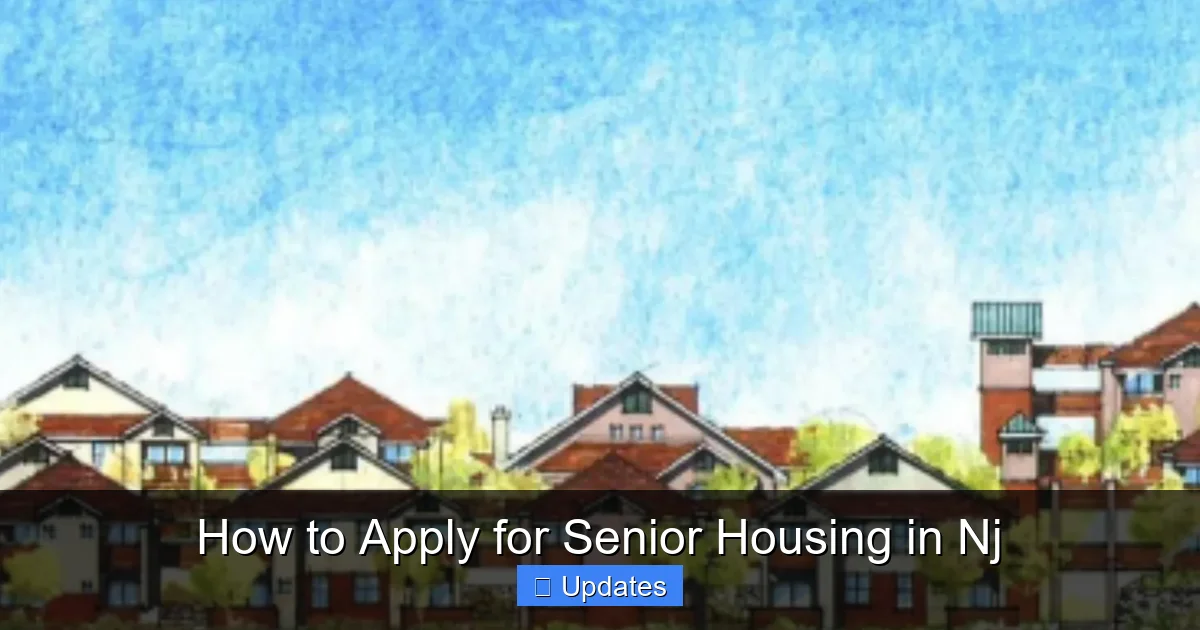
Visual guide about How to Apply for Senior Housing in Nj
Image source: lirp.cdn-website.com
Public and Subsidized Housing
These are government-supported housing units funded by federal or state programs like HUD’s Section 8 and Low-Income Home Energy Assistance Program (LIHEAP). Many of these properties have age restrictions—usually 62 or older—and prioritize residents with limited income.
Assisted Living Facilities
While not always government-subsidized, assisted living offers help with daily activities such as bathing, medication management, and meal preparation. Some facilities in NJ participate in Medicaid waivers or veteran benefits to reduce costs.
Continuing Care Retirement Communities (CCRCs)
CCRCs offer a full continuum of care—independent living, assisted living, and skilled nursing—all within one community. These tend to be more expensive but provide long-term security. Some NJ CCRCs offer sliding-scale fees based on income.
Nonprofit and Faith-Based Senior Housing
Organizations like the Catholic Charities or local senior centers often sponsor affordable housing projects. These communities may have religious affiliations but typically welcome anyone 62+ regardless of belief.
Senior Co-ops and Condominiums
Some NJ seniors live in cooperative housing where residents own shares instead of individual units. These can be very affordable if you qualify for low-income status or senior discounts.
Each option has different application rules, wait times, and cost structures. That’s why researching your choices early is crucial.
Who Qualifies for Senior Housing in NJ?
Not everyone automatically qualifies for senior housing in NJ. Eligibility depends on several factors, including age, income, disability status, and residency. Here’s what you need to know:
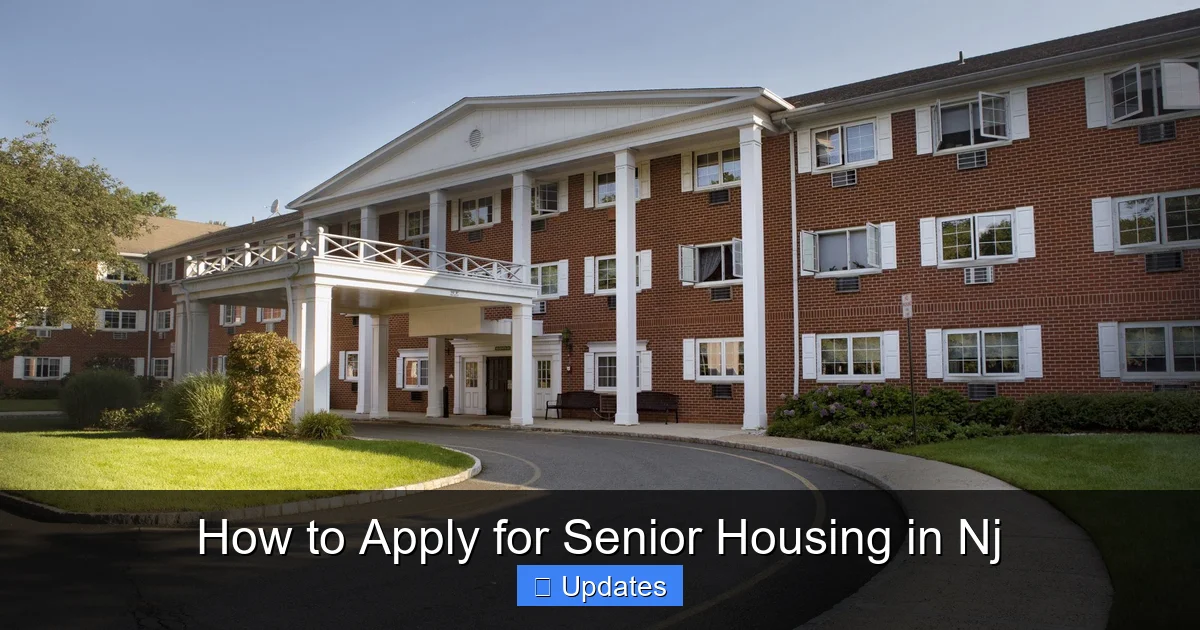
Visual guide about How to Apply for Senior Housing in Nj
Image source: westfieldnj.gov
Age Requirements
The most common age cutoff is 62 years old, which applies to most HUD-funded senior housing developments. However, some communities accept applicants as young as 55 or even 50, especially those with mobility issues or chronic conditions. Always verify the minimum age requirement with the property manager or agency handling applications.
Income Limits
Most subsidized senior housing uses income thresholds set by HUD. For example:
- For a one-person household in NJ, the 2024 income limit for HUD-assisted housing is typically $47,100 annually.
- Two-person households usually max out around $53,900 per year.
- Three-person households may qualify up to $60,700.
These limits increase slightly each year due to inflation. If your income exceeds the threshold, you might still qualify under “extremely low income” categories (e.g., under 30% of area median income).
Residency and Citizenship
You must be a legal resident of New Jersey or provide documentation proving you intend to reside there long-term. U.S. citizenship isn’t always required—some programs accept permanent residents or refugees, though priority may go to citizens.
Disability and Medical Needs
Seniors with disabilities or chronic illnesses often receive priority placement, especially in assisted living or memory care units. Be sure to include relevant medical documentation when applying.
Veteran Benefits
Veterans may qualify for reduced rents or full subsidies through the U.S. Department of Veterans Affairs (VA). Contact your local VA office or visit va.gov to learn more about housing grants like Aid and Attendance.
Keep in mind: even if you don’t meet all criteria today, some programs allow reapplications later or offer “preferred applicant” status based on urgency of need.
Where to Find Senior Housing Listings in NJ
Once you understand eligibility, the next step is finding available housing. Fortunately, NJ has multiple resources to help seniors locate suitable options:
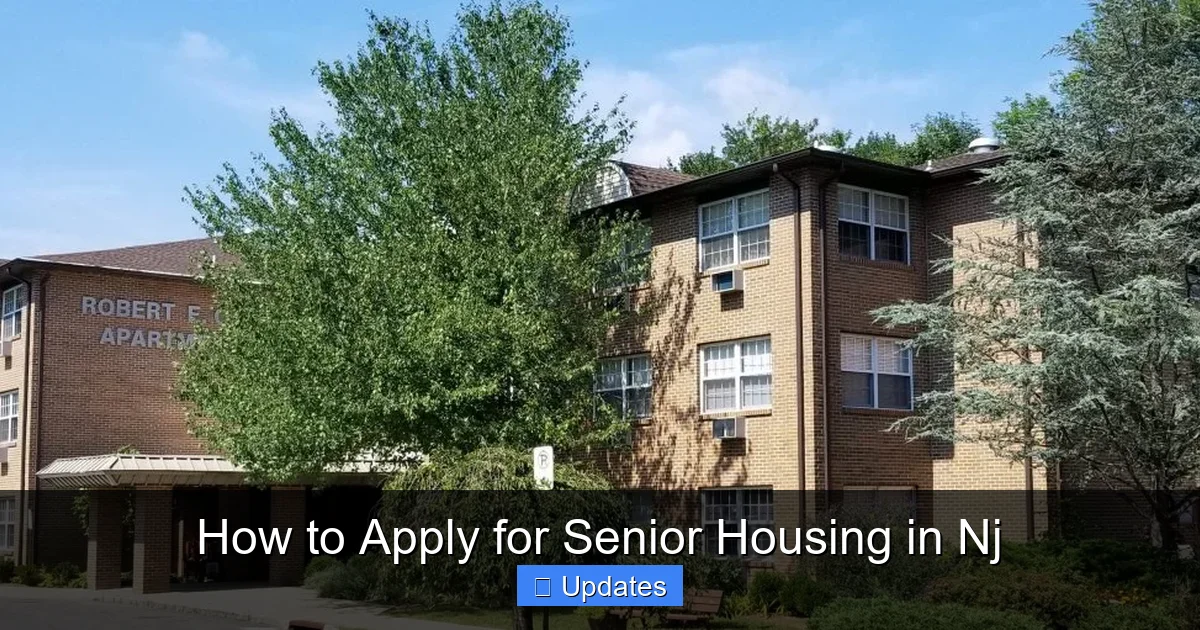
Visual guide about How to Apply for Senior Housing in Nj
Image source: chesterareaseniorhousing.org
NJ Division on Aging Services
The official state agency oversees senior housing initiatives and maintains a statewide directory of subsidized properties. Visit their website at nj.gov/doas to search for housing by county or city.
Area Agencies on Aging (AAA)
Each of NJ’s 21 counties operates an AAA that provides free counseling, application assistance, and referrals to senior housing. For instance, Bergen County AAA offers walk-in hours at their Hackensack office where trained staff review your situation and match you with open units.
HUD’s Affordable Housing Search Tool
The U.S. Department of Housing and Urban Development hosts a user-friendly database (huduser.gov) where you can filter results by location, rent amount, accessibility features, and whether pets are allowed.
Local Nonprofits and Community Boards
Groups like New Jersey Council of Churches or Jewish Family & Children’s Service sponsor affordable senior housing in urban areas like Newark or Trenton. Check their websites or call directly to ask about upcoming openings.
Online Platforms
Sites like A Place for Mom, SeniorLiving.org, and AARP’s Housing Finder aggregate listings from private and public sources. While some require subscription fees, many offer free basic searches and connect you with local advisors.
Pro tip: Sign up for email alerts! Many housing authorities send notifications when new units become available—don’t miss out by checking only once.
Step-by-Step: How to Apply for Senior Housing in NJ
Now that you’ve identified potential housing options, here’s how to submit your application:
Step 1: Gather Required Documents
Before filling out any forms, collect these essentials:
- Proof of identity (driver’s license, passport, or state ID)
- Social Security cards for all household members
- Recent pay stubs or retirement benefit statements (last 3 months)
- Bank statements (checking/savings for past 2–3 months)
- Tenant history (if applicable) or references
- Medical records (for disability-related requests)
- Lease agreement from current home (if moving)
Having everything ready prevents back-and-forth with agencies and speeds up approval.
Step 2: Complete the Application Form
Application forms vary by program, but they generally ask for:
- Personal details (name, DOB, contact info)
- Household composition (number of people, ages, relationships)
- Income sources and amounts
- Current living situation
- Preferences (location, amenities, roommate wishes)
Be honest and thorough. Omitting details can lead to disqualification.
Step 3: Submit Your Application
Submit completed forms via mail, email, or in person—whichever method the housing authority specifies. Some AAAs offer online portals; others require paper copies. Confirm receipt by asking for a confirmation number or email.
Step 4: Wait for Screening
After submission, expect background checks, income verification, and possibly home visits. This process takes 2–8 weeks depending on demand.
Step 5: Attend Interviews (If Requested)
Some communities interview applicants to assess compatibility with neighbors or facility culture. Dress professionally and bring extra documents.
Step 6: Accept an Offer or Stay on the Waitlist
If selected, you’ll receive a formal offer letter outlining move-in dates and lease terms. Decline politely if it doesn’t fit your needs. If placed on a waitlist, note your position and follow up monthly.
Remember: applying to multiple properties increases your chances significantly.
Common Challenges and How to Overcome Them
Many seniors face hurdles during the application process. Here’s how to tackle them:
Long Waitlists
Popular NJ senior housing communities like Riverfront Commons in Hoboken or Briarwood in Cherry Hill often have waitlists exceeding two years. To improve your odds:
- Apply to multiple properties simultaneously.
- Consider lesser-known neighborhoods where turnover is higher.
- Ask about preferred applicant lists for urgent cases (e.g., health decline).
Complex Paperwork
If English isn’t your first language or you have cognitive impairments, seek help. NJ AAAs offer free translation services and caregiver advocacy. You can also bring a trusted friend or family member to assist.
Limited Availability
With rising construction costs, new senior housing units are scarce. Explore alternatives like room-sharing, rental assistance vouchers, or modifying existing homes with grab bars and ramps.
Rejection or Denial
If denied, request a written explanation. Sometimes it’s due to outdated income info or missing signatures. Reapply after correcting errors.
Don’t give up—persistence pays off.
Additional Resources for NJ Seniors
Beyond housing, NJ offers numerous support services to make life easier:
- NJ SNAP (Food Stamps): Apply online at njhsa.org to supplement food expenses.
- Property Tax Reimbursement: Seniors 65+ earning under $15,000/year may qualify for partial tax relief.
- Transportation Programs: NJ Transit offers discounted passes for seniors; local AAA-run shuttles serve medical appointments.
- Utility Assistance: LIHEAP helps pay heating bills during winter months.
These programs reduce financial strain and free up funds for housing deposits or rent.
Final Thoughts: Start Early and Stay Proactive
Applying for senior housing in NJ is a marathon, not a sprint. The sooner you begin gathering documents, researching options, and submitting applications, the better your chances of securing a spot in a safe, affordable home. Remember, you’re entitled to dignity, comfort, and independence in your golden years—and there are people and programs ready to help you achieve that.
If you’re feeling overwhelmed, reach out to your local AAA. They don’t just hand out keys—they walk alongside you through every step. And if this article helped, share it with fellow seniors. Knowledge is power, especially when it comes to housing security.
Frequently Asked Questions
What is the minimum age to apply for senior housing in NJ?
Most subsidized senior housing in New Jersey requires applicants to be at least 62 years old. However, some communities accept seniors as young as 55 or even 50, particularly those with qualifying disabilities or medical conditions. Always confirm the specific age requirement with the housing provider or Area Agency on Aging.
Can I apply for senior housing if I have a high income?
Possibly, but high income may disqualify you from most public and subsidized senior housing programs. These options prioritize individuals with low to extremely low incomes (typically below 50% of area median income). If your income exceeds limits, consider private senior communities or explore other support services like property tax relief or utility assistance.
How long does it take to get approved for senior housing in NJ?
Approval times vary widely. Basic screening may take 2–4 weeks, but many popular NJ senior housing developments have waitlists lasting 1–3 years due to high demand. Applying early and maintaining communication with housing authorities improves your timeline.
Do I need to be a US citizen to apply for NJ senior housing?
No, you do not always need to be a U.S. citizen. Many HUD-funded and state-sponsored senior housing programs accept lawful permanent residents, refugees, or asylum seekers. Priority may go to citizens, but non-citizens can often qualify if they meet income, age, and residency requirements.
Are there pet-friendly senior housing options in NJ?
Yes! Several NJ senior housing communities allow pets, though policies differ. Some charge pet deposits or restrict breed/size. Always ask about pet rules when touring or applying. Organizations like the NJ Humane Society also offer resources for seniors with animal companions.
What should I do if my application is denied?
If denied, request a written explanation from the housing authority. Common reasons include incomplete paperwork, exceeding income limits, or criminal background checks. Correct any issues and reapply. You can also appeal the decision through your local Area Agency on Aging, which provides free advocacy services.