
How Long Can a Senior Dog Go Without Eating

Drive Medical Shower Chair with Back

Bed Rails for Elderly Adults Safety, 380 LBS

Fixodent Complete Denture Adhesive Cream, Original, 2.4 oz (3-Pack)
Senior dogs can typically survive 24–72 hours without food, but this varies based on health, hydration, and underlying conditions. Watch for lethargy, vomiting, or weakness—these are red flags. Always consult your vet if your senior dog skips meals for over 12 hours.
Key Takeaways
- Senior dogs can usually go 1–3 days without eating, but individual health plays a big role in how long they last without food.
- Lack of appetite (anorexia) is common in aging dogs due to dental issues, illness, or medication side effects—but it’s not always normal.
- Dehydration worsens the risks; even without eating, water intake is critical for organ function.
- Vomiting or diarrhea after going without food can cause rapid dehydration and electrolyte imbalance.
- Know the warning signs: lethargy, sunken eyes, cold limbs, or confusion mean immediate veterinary help is needed.
- Chronic conditions like kidney disease or cancer often reduce a senior dog’s tolerance for fasting.
- Always consult your vet before making dietary changes or offering supplements to an undernourished senior dog.
📑 Table of Contents
- How Long Can a Senior Dog Go Without Eating?
- Why Do Senior Dogs Stop Eating?
- How Long Is Too Long? Understanding the Risks
- Signs That Your Senior Dog Needs Immediate Veterinary Care
- Practical Tips: Helping Your Senior Dog Stay Nourished
- When to Consider Nutritional Support at Home
- Preventing Future Appetite Loss in Senior Dogs
- Conclusion: Love, Vigilance, and Timely Vet Visits
- FAQS
How Long Can a Senior Dog Go Without Eating?
If you’re caring for a senior dog who suddenly stops eating, you’re likely feeling worried, confused, and maybe even guilty. After all, food is more than just fuel—it’s comfort, routine, and a sign that our furry companions are thriving. But when your older dog skips meals, it’s natural to wonder: how long can a senior dog go without eating before it becomes dangerous?
Unlike younger dogs with robust metabolisms and faster recovery times, senior dogs have slower digestive systems, weaker immune responses, and often multiple health issues that compound the risks of prolonged fasting. While a healthy adult dog might bounce back from missing one meal, a senior dog with arthritis, dental pain, or early-stage kidney disease may struggle significantly longer without proper nutrition.
In general, most senior dogs can survive up to 3 days without food, but this timeframe depends heavily on hydration, overall health, and whether they’re still drinking water. However, even within that window, serious complications can arise—especially if vomiting, diarrhea, or underlying illness kicks in. The key is understanding the difference between temporary loss of appetite and a medical emergency.
Why Do Senior Dogs Stop Eating?
Before we dive into how long your senior dog can go without food, it’s important to understand why they might stop eating in the first place. Aging brings physical and emotional changes that affect appetite in many ways:
Visual guide about How Long Can a Senior Dog Go Without Eating
Image source: petvblog.com
Dental and Oral Health Issues
One of the most common reasons senior dogs lose interest in food is dental pain. Just like humans, dogs suffer from gum disease, broken teeth, and painful oral infections as they age. Chewing becomes uncomfortable, and swallowing may hurt. Even dry kibble—once a favorite—can feel too abrasive or hard to process.
If your dog used to gulp down meals happily but now turns away from food or chews slowly, it could be a sign of tooth decay or gingivitis. Regular dental checkups and soft or wet senior dog food can help ease discomfort. In some cases, your vet may recommend dental cleaning under anesthesia or prescribe pain relief.
Chronic Illnesses Common in Older Dogs
Senior dogs are more prone to diseases that directly impact their appetite. Conditions like kidney disease, diabetes, liver problems, and cancer often cause nausea, fatigue, and reduced hunger. For example, dogs with advanced kidney failure frequently develop uremia—a buildup of waste products in the blood—which leads to vomiting and loss of appetite.
Diabetes can also confuse a dog’s sense of taste or energy levels, making food seem unappealing. Similarly, dogs with cognitive dysfunction syndrome (similar to dementia in humans) may forget to eat or lose interest in their surroundings altogether. These conditions aren’t just about hunger—they’re systemic issues requiring veterinary attention.
Medications and Side Effects
Many senior dogs take medications for joint pain, heart conditions, or anxiety. Unfortunately, some drugs suppress appetite as a side effect. If your dog started a new prescription around the time their eating habits changed, talk to your vet about alternatives or supportive treatments.
Environmental or Behavioral Changes
Stress, boredom, or even changes in routine—like moving to a new home or having a new pet introduced—can make a senior dog hesitant to eat. Some older dogs become picky eaters simply because they’ve developed preferences over the years. Others may feel less motivated due to reduced activity levels.
It’s also worth noting that depression or loneliness in aging pets can lead to skipped meals. If your dog seems sad or withdrawn, consider enrichment activities like puzzle feeders or gentle playtime to spark their interest in food again.
How Long Is Too Long? Understanding the Risks
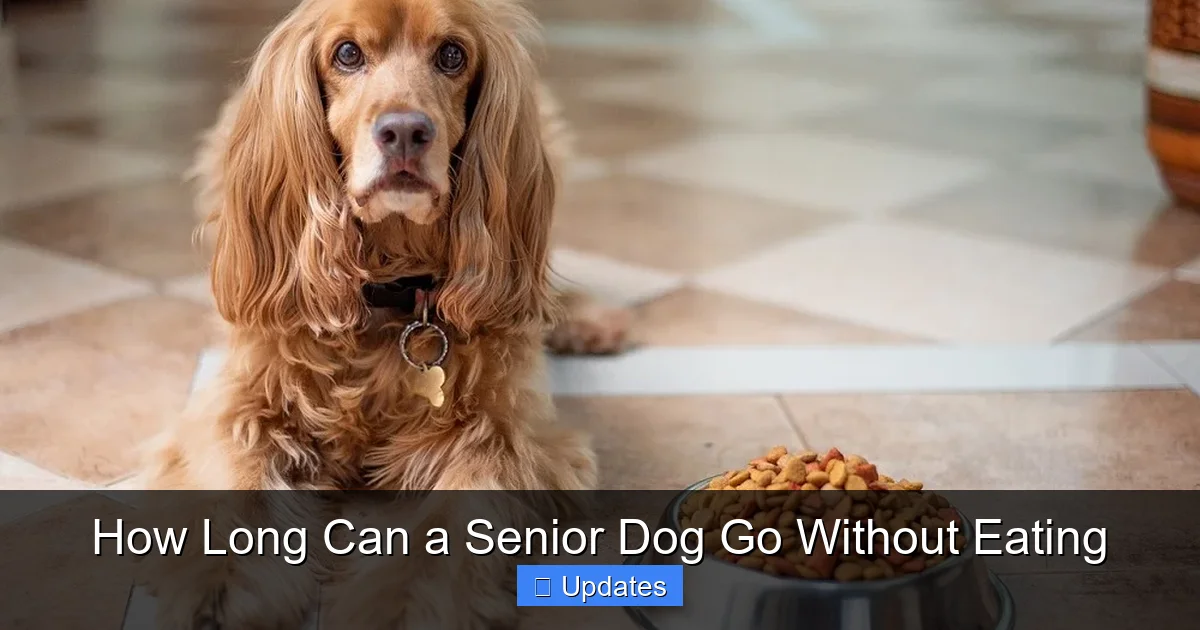
While every dog is different, there’s a general timeline for how long it’s safe—or unsafe—for a senior dog to go without food. Most veterinarians agree that a healthy senior dog can typically survive 24 to 72 hours without eating, provided they’re still drinking water and showing no other symptoms.
Visual guide about How Long Can a Senior Dog Go Without Eating
Image source: dogguidereviews.com
However, once you cross the 48-hour mark, risks increase significantly. Prolonged fasting triggers muscle breakdown, weakens the immune system, and impairs vital organ function—especially the liver and kidneys, which rely on consistent nutrient intake to detoxify the body.
The Role of Hydration
Water is just as important as food, especially for senior dogs. Dehydration accelerates the negative effects of fasting. Signs of dehydration include:
- Dry gums that don’t spring back when pressed
- Sunken eyes
- Lethargy or weakness
- Loss of skin elasticity (pinch test: gently lift the skin on the back of your dog’s neck—it should snap back quickly)
If your dog hasn’t eaten but is still drinking water normally, they may be okay for a short period. But if they’re refusing both food and water, seek veterinary care immediately. Electrolyte imbalances from vomiting or diarrhea can become life-threatening within hours.
When Vomiting or Diarrhea Occurs
This is where things get tricky. If your senior dog goes without food and then starts vomiting or having diarrhea, the situation escalates fast. Emptying the stomach and intestines while also not replacing fluids leads to rapid dehydration and nutrient loss.
A dog who hasn’t eaten in two days but vomits afterward is at high risk for gastric ulcers, which are painful and can cause internal bleeding. Diarrhea adds another layer of stress on already compromised organs. In these cases, even a day without food can feel like a week.
Signs That Your Senior Dog Needs Immediate Veterinary Care
You know your dog better than anyone else. Trust your instincts. If your senior dog has gone without eating for more than 12 hours and shows any of the following symptoms, contact your vet right away:

Visual guide about How Long Can a Senior Dog Go Without Eating
Image source: ncraoa.com
- Lethargy or extreme weakness—your dog won’t get up, walk, or respond to toys
- Sunken eyes or dry mucous membranes
- Cold ears or paws (signs of poor circulation)
- Labored breathing or rapid heartbeat
- Vomiting repeatedly or inability to keep water down
- Abdominal pain** (whining, hunching, guarding the belly)
- Seizures or disorientation
Even if your dog seems “okay” but hasn’t touched food in 18–24 hours, it’s wise to call the vet. Early intervention can prevent serious complications like hepatic lipidosis (fatty liver disease), which is common in cats but also possible in dogs who go without food for too long.
Practical Tips: Helping Your Senior Dog Stay Nourished
If your senior dog is struggling with appetite, don’t panic. There are gentle, effective strategies to encourage eating while supporting their overall well-being:
Warm Up Their Food
Heat wet canned food slightly in warm water or microwave for 10–15 seconds. This releases enticing aromas that appeal to older dogs with diminished smell. You can also mix in a little low-sodium chicken broth (no onions or garlic!) to make it more appealing.
Offer Smaller, More Frequent Meals
Instead of two large meals, try three or four small ones throughout the day. This reduces strain on the digestive system and makes eating feel less overwhelming. Use a syringe (without a needle!) to gently feed liquidized food if your dog refuses solid food.
Try Different Textures and Flavors
Some senior dogs prefer softer foods due to dental issues. Brands like Hill’s Science Diet Senior Soft-Moist or Royal Canin Senior Loaf offer tender textures. Others love the rich taste of real meat—consider warming cooked chicken, turkey, or fish (boneless and skinless).
Use Puzzle Feeders or Food Toys
Mental stimulation can reignite interest in eating. Try Kong Easy Treat or snuffle mats filled with kibble soaked in broth. These slow-feed options also promote healthy chewing and digestion.
Check Medications and Supplements
Ask your vet if any current medications are suppressing appetite. Sometimes switching brands or adding appetite stimulants like mirtazapine can help. Omega-3 fatty acids (from fish oil) also support brain function and reduce inflammation—making your dog more alert and interested in food.
Create a Calm Eating Environment
Eating shouldn’t be stressful. Choose a quiet spot away from loud noises, other pets, or distractions. Hand-feeding or using a raised bowl (to reduce neck strain) might encourage better appetite.
When to Consider Nutritional Support at Home
If your senior dog consistently refuses food for more than 24 hours despite your best efforts, discuss nutritional support options with your veterinarian. They may recommend:
- Appetite stimulants like cyproheptadine or mirtazapine
- Prescription diets designed for picky eaters or specific illnesses
- Intravenous fluid therapy to combat dehydration and provide calories
- Tube feeding (esophagostomy tube) as a last resort if oral intake isn’t possible
Never force-feed a dog unless instructed by a vet. Swallowing while stressed can cause aspiration pneumonia—a serious lung infection.
Preventing Future Appetite Loss in Senior Dogs
Prevention is always better than crisis management. Here’s how to keep your senior dog eating well:
- Schedule regular wellness exams—at least twice a year for dogs over seven
- Monitor weight weekly and note sudden losses immediately
- Maintain good dental hygiene with brushing, chews, or professional cleanings
- Keep a consistent feeding schedule and avoid free-feeding
- Store food properly** to preserve freshness and aroma
- Address chronic conditions early—don’t wait for full-blown illness
Remember, a senior dog’s needs change over time. What worked at age five might not work at age twelve. Stay observant, flexible, and proactive.
Conclusion: Love, Vigilance, and Timely Vet Visits
So, how long can a senior dog go without eating? The honest answer is: usually 1 to 3 days, but never ignore persistent loss of appetite. Every dog is unique, and underlying health issues can turn a manageable setback into a medical emergency overnight.
As a caregiver, your role is crucial. By recognizing early warning signs, offering gentle encouragement, and knowing when to call the vet, you give your senior dog the best chance to enjoy their golden years with strength, comfort, and dignity. Don’t hesitate to reach out to your trusted veterinarian—they’re there to help, not judge.
And if you’re wondering whether certain foods are appropriate, like puppy food for seniors (see our guide on Can A Senior Dog Eat Puppy Food), always consult your vet first. Nutrition matters—even more so as our dogs age.
FAQS
Can a senior dog survive without food?
Yes, a healthy senior dog can typically survive 1–3 days without eating if they’re still drinking water. However, prolonged fasting increases risks of organ damage, dehydration, and muscle loss. Always monitor closely and seek vet advice if appetite loss persists beyond 24 hours.
What happens if a senior dog doesn’t eat for two days?
If a senior dog hasn’t eaten in 48 hours but is still drinking water and acting normal, they may be okay temporarily. But beyond that, the body begins breaking down muscle tissue for energy, weakening immunity and impairing liver/kidney function. Watch for lethargy, vomiting, or cold extremities—these require immediate vet attention.
Is it normal for a senior dog to skip meals?
Occasional skipping (e.g., one missed meal) is usually fine. But consistent refusal to eat for more than 12–24 hours isn’t typical and warrants investigation. Dental pain, illness, or behavioral changes could be behind it. Never assume it’s “just being picky”—especially in older dogs.
How do I get my senior dog to eat again?
Start by warming their food, offering smaller portions, and trying new textures or flavors. Use appetite-stimulating additives like low-sodium broth or consult your vet about medications. Ensure their environment is calm and free from stress. If they refuse for over 24 hours, contact your vet promptly.
When should I take my senior dog to the vet for not eating?
Take your senior dog to the vet immediately if they haven’t eaten for more than 12–24 hours and show signs of illness—vomiting, diarrhea, lethargy, sunken eyes, or abdominal pain. Even without symptoms, persistent anorexia in senior dogs often indicates an underlying issue needing treatment.
Can fasting harm a senior dog?
Short-term fasting (under 3 days) is generally not harmful if the dog stays hydrated. However, long-term or repeated fasting weakens organs, depletes nutrients, and lowers resistance to infection. Chronic conditions like kidney disease or cancer make senior dogs far more vulnerable to the dangers of fasting.
Frequently Asked Questions
What is how long can a senior dog go without eating?
how long can a senior dog go without eating is an important topic with many practical applications.