
Homestead Estates Senior Living of Wichita


Large Display Clock with Date

Motion Sensor Night Lights

LED Clip Reading Light
Homestead Estates Senior Living of Wichita offers a vibrant, resort-style community for older adults seeking independent living, assisted care, or memory support. With beautifully appointed apartments, chef-inspired dining, and a full calendar of engaging activities, residents enjoy an active, fulfilling lifestyle. Located in the heart of Wichita, the community provides easy access to healthcare, shopping, and cultural attractions while fostering a close-knit, family-like atmosphere. Personalized care plans, 24/7 staff, and a commitment to dignity and independence make it a trusted choice for families across Kansas.
Key Takeaways
- Multiple Care Levels: The community seamlessly transitions residents through independent living, assisted living, and memory care on one campus, eliminating the stress of future moves.
- Active, Resort-Style Lifestyle: Emphasis is on engagement with amenities like a fitness center, indoor pool, multiple dining venues, and a constantly updated activities calendar.
- Prime Wichita Location: Situated for convenience with nearby medical centers, shopping districts like Old Town, and cultural sites, keeping residents connected to the city.
- Dining as an Experience: Restaurant-style dining with flexible menus, chef-prepared meals, and accommodating dietary needs turns every meal into a social event.
- Holistic Wellness Focus: Programs address physical, mental, and social wellness through fitness classes, lifelong learning, and spiritual care options.
- Strong Community Reputation: Known for compassionate, trained staff and a family-oriented environment that prioritizes resident choice and dignity.
📑 Table of Contents
- Finding Your Place: The Journey to Senior Living
- Understanding the Senior Living Spectrum: More Than Just “A Home”
- The Homestead Estates Difference: A Philosophy of “Home”
- A Day in the Life: Amenities and Lifestyle
- The Wichita Advantage: Location and Community Connections
- Navigating Costs and Value: Is It Affordable?
- Making the Decision: Is Homestead Estates Right for You?
Finding Your Place: The Journey to Senior Living
Let’s talk about something many of us face but don’t always discuss openly: helping our parents or loved ones find the right place to live as they age. It’s a big decision, filled with emotion, questions, and sometimes worry. You want a place that feels like home, not just a facility. A place where life is full, not just managed. In Wichita, Kansas, one name consistently comes up in these conversations: Homestead Estates Senior Living of Wichita. It’s more than just apartments for older adults; it’s a vibrant community designed to support independence, foster connections, and provide peace of mind for families.
Maybe you’re starting this search for yourself, or perhaps you’re a son or daughter looking from afar. Either way, you’re likely wondering: What makes one community stand out? Is it the floor plan? The food? The staff? The answer is all of that and something harder to define—a feeling. At Homestead Estates, that feeling is cultivated intentionally. This guide will walk you through everything you need to know, from the philosophy behind the community to the nitty-gritty of daily life and costs. Our goal is to give you a clear, honest picture so you can decide if this is the right next chapter.
Understanding the Senior Living Spectrum: More Than Just “A Home”
Before we dive into Homestead Estates specifically, it’s helpful to understand the landscape. Senior living isn’t one-size-fits-all. It’s a spectrum of care and lifestyle options. The beauty of a continuing care retirement community (CCRC) or a life plan community like Homestead Estates is that it offers multiple levels on one campus. This is crucial because needs can change. Today, Mom might be fiercely independent, but in a few years, she might appreciate a little help with medications or dressing. Moving to a new city or state for a higher level of care is incredibly stressful. Having it all in one familiar place is a massive benefit.
Visual guide about Homestead Estates Senior Living of Wichita
Image source: seniorliving.com
Independent Living: Freedom with a Safety Net
Think of independent living as apartment living for active seniors. You have your own private residence—often with full kitchens, balconies, and modern finishes—but you’re part of a community. No more worrying about lawn mowing, snow shoveling, or major home repairs. Maintenance is handled. You trade homeownership chores for more free time to travel, pursue hobbies, or simply relax. At Homestead Estates, independent living apartments are designed for ease of living, with features like step-less showers and well-lit corridors. It’s about maintaining your lifestyle without the burdens of a large house.
Assisted Living: Support for Daily Routines
When tasks like bathing, dressing, managing medications, or meal preparation become challenging, assisted living provides the perfect bridge. It’s not a nursing home. Residents still have their own apartments, but they have access to 24/7 compassionate staff who provide personalized help with activities of daily living (ADLs). The support is tailored. One resident might need help only in the morning and evening, while another might have more consistent needs. The key is that support is available, promoting safety and well-being while preserving as much independence as possible. This level of care is ideal for those who are still socially active but need a physical helping hand.
Memory Care: Specialized, Secure Support
For individuals living with Alzheimer’s disease or other forms of dementia, specialized memory care is essential. This is a secured environment within the community, designed with intuitive layouts to reduce confusion and anxiety. Staff are extensively trained in dementia care, using therapeutic techniques to engage residents, manage behaviors, and maintain cognitive function as much as possible. Programs are structured yet flexible, focusing on validation, reminiscence therapy, and creating moments of joy. It’s a compassionate, expert-led approach that provides immense relief to families who previously bore the full weight of caregiving.
The Homestead Estates Difference: A Philosophy of “Home”
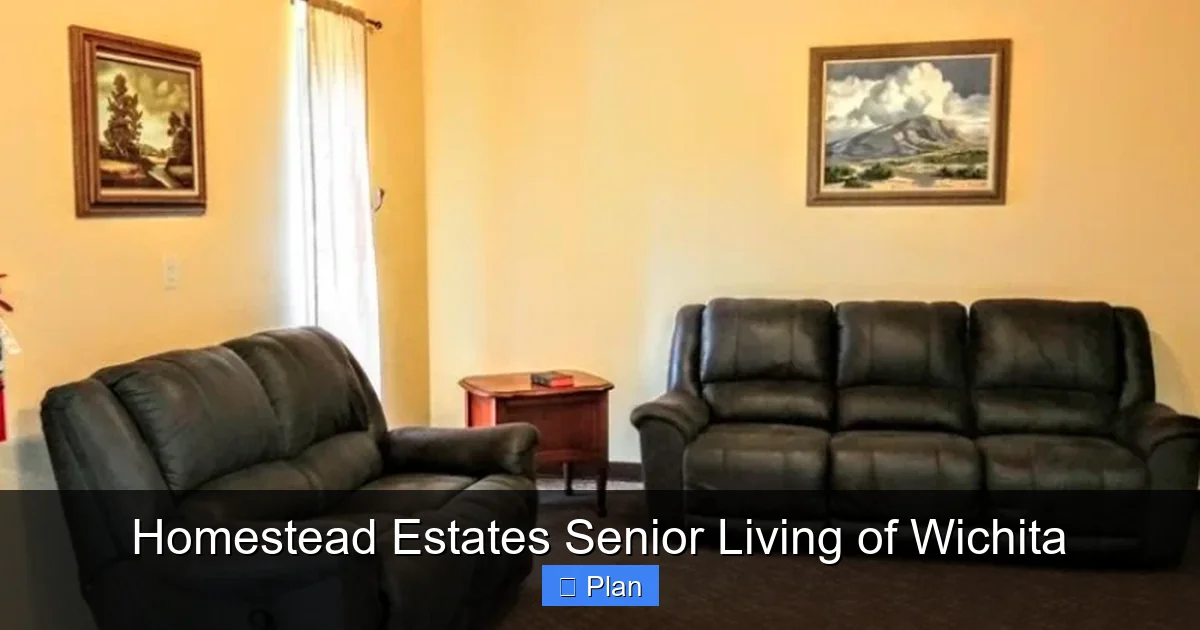
So, what sets Homestead Estates Senior Living of Wichita apart from other options in the area? It starts with their foundational belief that this is a home, not an institution. The physical design reflects this. You won’t find long, sterile, hospital-like hallways. Instead, the architecture often features cozy, residential-style wings, plenty of natural light, and communal spaces that feel like a friend’s upscale living room or a family dining room. There’s a deliberate effort to create warmth and familiarity.
Visual guide about Homestead Estates Senior Living of Wichita
Image source: seniorliving.com
Design That Cares
From the moment you walk in, the environment tells a story. Common areas are furnished comfortably, with inviting seating clusters, fireplaces, and local artwork. Hallways are lined with memory boxes—personalized cubbies for residents to fill with photos and mementos—which help with wayfinding and personal identity. Outdoor spaces are not an afterthought; they are lush, secured gardens, walking paths, and patios where residents can garden, sit with a book, or enjoy a concert on the lawn. This biophilic design (connecting people with nature) is proven to reduce stress and improve mood.
The Heart of It All: Staff Culture
You can have the most beautiful building, but without a stellar team, it’s just a shell. Homestead Estates invests heavily in staff training, retention, and culture. They look for employees with empathy and a genuine desire to serve seniors. Many staff members have been there for years, creating deep, trusting relationships with residents. This consistency is vital, especially in memory care. You’ll often hear about “the caregiver who knows exactly how Dad likes his coffee” or “the nurse who remembers Mom’s favorite hymn.” This isn’t just service; it’s companionship. When families see their loved one light up for a specific team member, they know they’ve found the right place.
Family-Like Atmosphere
Residents and staff often describe the community as a family. This is fostered through team-building, resident councils, and an open-door policy for family members. Management is visible and accessible. There’s a sense of shared responsibility for the community’s happiness. Celebrations are communal—birthdays, holidays, and even small wins are recognized together. This collective spirit combats the isolation that can so often accompany aging. For a deeper look at how different communities cultivate this atmosphere, guides like the one for Celebrate Senior Living of Niles highlight similar values in action.
A Day in the Life: Amenities and Lifestyle
What does a typical day look like? The beauty is, there is no “typical.” The schedule is a menu of options, and you choose what fills your cup. However, let’s paint a picture of what’s possible at Homestead Estates.

Visual guide about Homestead Estates Senior Living of Wichita
Image source: seniorlivingwichita.com
Dining: More Than Just Meals
Forget the idea of bland, institutional food. Dining is a cornerstone of the social experience. Residents can choose between a main dining room with wait service, a bistro for casual snacks, or even in-apartment dining for those who prefer privacy. Menus are seasonal, chef-driven, and often feature locally sourced ingredients. There are always healthy options, and special diets are handled with expertise and care. Imagine starting your day with an omelet station, having a salad and soup for lunch with friends, and then enjoying a roast beef dinner with all the trimmings—all while your dishes are cleared away. It’s one less chore and one more reason to gather.
Activities: A Calendar Bursting with Choice
The activities director is a key role. Their job is to curate a calendar that appeals to diverse interests. You might find:
- Fitness & Wellness: Morning stretch, water aerobics in the indoor pool, chair yoga, and walking clubs.
- Learning & Creativity: Book clubs, art classes, computer tutorials, and guest lecturers from local universities.
- Social & Entertainment: Happy hours with live music, movie nights, bus trips to local attractions, and themed dances.
- Spiritual & Purposeful: Interfaith services, meditation groups, and volunteer opportunities with local charities.
The key is choice. Some residents love the structured schedule; others prefer to dip in and out. There’s no pressure. For those with mobility or interest limitations, staff bring activities to them, ensuring no one is left out.
Wellness and Health On-Site
Proactive health is a priority. Many communities, including Homestead Estates, have partnerships with local healthcare providers to offer on-site services like physical therapy, podiatry, and even primary care visits. This means residents don’t always need to arrange complex transportation for routine check-ups. There’s also a dedicated wellness director who creates individualized exercise plans and monitors resident progress. It’s about maintaining function and independence for as long as possible. A holistic approach to wellness—physical, mental, and social—is what makes communities thrive. This model is echoed in well-regarded places like Tallgrass Creek Senior Living Community, where integrated wellness is a central pillar.
The Wichita Advantage: Location and Community Connections
Choosing a senior living community isn’t just about the four walls; it’s about the world outside. Homestead Estates’ location in Wichita is a strategic asset. Wichita is a major regional hub with excellent healthcare, including the Wesley Medical Center and Ascension Via Christi hospitals, often just minutes away. This proximity is a huge comfort for families and allows for easy coordination with doctors.
Staying Engaged with the City
The community actively encourages residents to remain engaged with the wider Wichita area. Regularly scheduled buses take residents to museums like the Wichita Art Museum, performances at the Century II Performing Arts & Convention Center, shopping at Bradley Fair, and even to the airport for visits from out-of-town family. This connection to the city’s cultural heartbeat prevents the feeling of being “institutionalized.” It reinforces that life is still happening, and they are part of it. For residents who love sports, trips to see the Wichita State Shockers or local minor league games are often on the calendar.
Local Partnerships and Intergenerational Programs
Homestead Estates builds bridges with local schools and organizations. You might find preschoolers visiting for story time, high school students performing a concert, or residents volunteering at a nearby food pantry. These intergenerational interactions are magical, bringing energy and fresh perspective to residents while teaching young people about aging and wisdom. It’s a two-way street of enrichment that strengthens the social fabric for everyone involved.
Navigating Costs and Value: Is It Affordable?
Let’s address the elephant in the room: cost. Senior living is an investment in lifestyle, care, and peace of mind. The structure at Homestead Estates typically involves a monthly fee that covers rent, utilities, meals, housekeeping, transportation, and access to all amenities and activities. For assisted living and memory care, the fee is tiered based on the level of care needed. There is often an initial entrance fee (sometimes called a deposit or community fee) for independent living, which can be substantial but is sometimes partially refundable to the resident or their estate upon departure or at the end of life.
Breaking Down the Numbers
It’s crucial to compare apples to apples. When you look at the monthly fee, ask: What does it include? At Homestead Estates, the all-inclusive nature is a major value point. For independent living, you’re not writing separate checks for water, trash, cable, or gym membership. For assisted living, you’re not paying per hour for care—it’s built into the base rate up to a certain level, with additional fees only if needs increase significantly. This predictability is valuable for financial planning. Always ask for a clear, written fee schedule that outlines what’s included and what costs extra (like guest meals, certain therapies, or beauty salon services).
Financial Planning and Assistance
Many families use a combination of resources: personal savings, proceeds from selling a family home, long-term care insurance (if they have it), and sometimes veterans’ benefits (the Aid and Attendance pension). The financial counselor at Homestead Estates is a valuable resource. They can help you understand the contract, explain the fee structure, and discuss potential payment options. They should never pressure you but provide information to help you make an informed choice. Remember, this is a long-term commitment, so understanding the financial stability of the operator and the terms of the contract (especially regarding refunds and rate increases) is non-negotiable.
Making the Decision: Is Homestead Estates Right for You?
After touring, having lunch, and meeting staff and residents, you’ll have a gut feeling. But here are some final questions to ask yourself and your family. Does the environment feel warm and inviting, or clinical? Do the residents seem engaged and happy? Does the staff interact with residents warmly and by name? Are the apartments spacious and well-lit? Does the activity calendar offer things your loved one would genuinely enjoy? Is the location convenient for regular family visits?
Homestead Estates Senior Living of Wichita excels in creating a holistic environment. It’s not just about providing shelter and care; it’s about enabling a rich, purposeful life. It understands that the transition to senior living can be scary, and it works to replace fear with familiarity, loneliness with camaraderie, and worry with confidence. It’s a place where your loved one can thrive, and you can rest easy knowing they are in a community that truly cares. For many families in Wichita and across Kansas, it has become that trusted “next home.”
Frequently Asked Questions
What is the average cost for independent living at Homestead Estates?
Costs vary based on apartment size, view, and floor plan. Independent living typically involves a monthly fee covering rent, utilities, dining, and amenities. For precise pricing, it’s best to contact their sales office directly as rates change periodically. They can provide a detailed rate card during a tour.
Are pets allowed at Homestead Estates?
Yes, Homestead Estates is generally considered a pet-friendly community. They often welcome cats and small dogs, typically with a deposit and weight limit policy. Specific rules about pet areas, noise, and vaccinations apply. Always confirm the current pet policy with the community before planning to bring a pet.
How does the community handle medical emergencies?
The community has 24/7 staff on-site who are trained in first aid and CPR. In a medical emergency, staff will call 911 immediately. They are also equipped to assist with minor health issues and can coordinate with local emergency services and the resident’s personal physicians. Proximity to Wichita’s major hospitals ensures rapid hospital transport when needed.
What are the visiting hours for family members?
Homestead Estates maintains an open-door policy for family visitors. While there are no strict “visiting hours,” guests are asked to be respectful of residents’ routines, especially during meal times and late evening. It’s always a good idea to check with the specific resident’s caregiver or the front desk if you plan a visit during typical sleeping hours.
What is the staff-to-resident ratio in assisted living and memory care?
Ratios fluctuate based on time of day and overall resident needs, but the community ensures sufficient staffing 24/7 to meet care requirements. They do not publish a fixed ratio as it can vary. The best approach is to ask during a tour about their staffing model, how they adjust staffing based on acuity, and the average caseload for caregivers in each neighborhood.
Can residents from other senior living communities easily transition to Homestead Estates?
Yes, the team is experienced in facilitating smooth transitions from other communities or private homes. They assist with the logistics of moving, coordinate care plans, and help new residents and their families acclimate. The key is open communication about current needs and expectations to ensure the appropriate level of care is set from day one.
