
Home Safety Assessment for Seniors Near Me Made Easy


Upright Walker
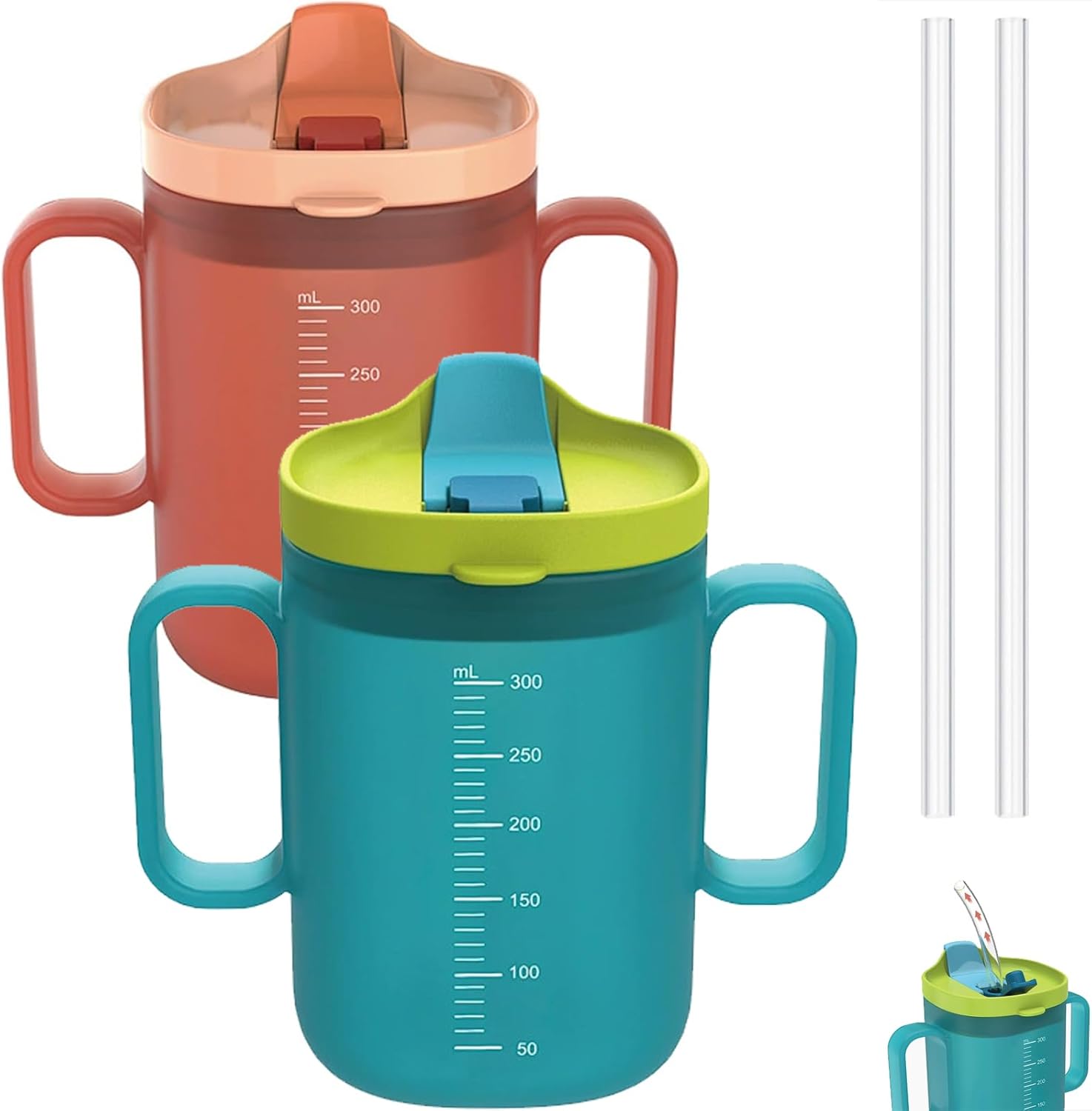
Spill-Proof Adult Cup

Memory Foam Seat Cushion
A home safety assessment for seniors near me helps identify fall risks, mobility barriers, and everyday hazards in the home. The best local option depends on the senior’s needs, health changes, and whether you want a basic checklist or a more detailed professional review.
If you are searching for a home safety assessment for seniors near me, you are likely trying to make a home safer without turning it into a hospital room. A good assessment looks at real-life risks in the places older adults use every day and gives practical changes that support comfort, confidence, and independence.
In 2026, local assessments may be offered by occupational therapists, home care agencies, nonprofits, or community safety programs. The right visit can help families spot hazards early, reduce fall risks, and plan sensible updates that fit the senior’s health, budget, and routine.
- Room-by-room review: Entryways, stairs, bathrooms, bedrooms, kitchen, and lighting matter most.
- Right provider: Occupational therapists often give the most detailed senior-focused assessments.
- Timing matters: Don’t wait for a fall or hospital discharge to act.
- Costs vary: Free community programs and paid professional visits offer different levels of support.
- Best results: Choose changes that fit the senior’s routine and comfort level.
What a Home Safety Assessment for Seniors Near Me Actually Includes in 2026
A home safety assessment is usually a room-by-room review of how safely an older adult can move, rest, cook, bathe, and get around the home. The goal is not to judge the house. It is to find barriers that may become a problem as balance, eyesight, strength, or memory changes.
Some visits are simple walkthroughs. Others are more detailed and may include questions about mobility, recent falls, medications, vision, and daily habits. If a health condition is changing, talk to your doctor before making major changes, especially if the person uses a walker, oxygen, or has dizziness.
Room-by-room checks: entryways, stairs, bathrooms, bedrooms, kitchen, and lighting
Assessors often begin at the front door and work through the home in the same order the senior uses it. Entryways are checked for steps, loose mats, poor lighting, and clutter that can make it hard to enter safely. Stairs are reviewed for sturdy handrails, even step height, and clear walking space.
Bathrooms get close attention because wet floors and tight spaces can raise fall risk. Bedrooms are checked for easy access to the bed, clear paths to the bathroom, and reachable lights or switches. Kitchens are reviewed for safe reach, stable footing, and items that do not require climbing or stretching.
Lighting matters in every room. A good review looks for dark hallways, glare, burned-out bulbs, and switches that are hard to reach at night. For some homes, adding brighter bulbs or motion-sensor lights can make a noticeable difference.
Common hazards assessors look for in older adults’ homes
Common hazards include loose rugs, cords across walkways, slippery bathroom floors, crowded furniture, and poor contrast between steps and flooring. Assessors also watch for doors that are hard to open, narrow paths for walkers or wheelchairs, and storage that forces bending or climbing.
They may also notice signs that the home is not matching the person’s current abilities. For example, a senior who now tires easily may need a chair in the shower or a different bedroom setup. A person with low vision may need better contrast, brighter lighting, and fewer visual distractions.
A safety review should fit the person, not just the house. A home can look neat and still be unsafe if the layout no longer matches the senior’s strength, balance, or memory.
Why Families Search for Local Senior Home Safety Assessments
Families often search locally because home safety needs can feel urgent and personal. If someone lives alone, has had a recent health setback, or is starting to need more help, a nearby assessor can often respond faster and give advice that fits the local home and climate.
Local help is also easier to coordinate with family caregivers, neighbors, and home care services. In some areas, a home visit may be part of a broader plan that includes transportation, meal support, or in-home senior care providers.
Preventing falls, improving mobility, and supporting aging in place
Many families want to prevent falls before they happen. Falls can lead to pain, fear of moving, and a loss of confidence, even when no serious injury occurs. A thoughtful assessment can identify changes that make walking, bathing, and using stairs less risky.
It can also support aging in place, which means staying in the home as long as possible with the right supports. That may include a shower chair, grab bars, better lighting, or rearranging furniture so a walker fits more easily.
Small home changes often matter more than major renovations. Simple fixes like removing clutter and improving lighting can make daily movement feel safer right away.
When a recent health change makes a home review urgent
A home review becomes more urgent after a hospital stay, a new diagnosis, a change in walking ability, or new confusion. Even a short decline in strength or balance can make familiar rooms harder to manage.
Medication changes can also affect safety. Some medicines may cause sleepiness, dizziness, or slower reactions. If you notice this, consult your pharmacist or healthcare provider, and ask whether the home setup should be adjusted too.
Examples of situations that often trigger a search “near me”
Families often start looking for a local assessment after a fall, a near-fall, or a scare on the stairs. Other common triggers include trouble getting in and out of the bathtub, difficulty reaching the kitchen safely, or a senior beginning to forget where items are kept.
People also search when a spouse caregiver is getting tired, when a walker no longer fits well in the home, or when winter weather makes entryways and driveways more dangerous. In those moments, a nearby visit can be more practical than trying to guess what changes are needed.
How to Find the Right Home Safety Assessment for Seniors Near Me
Not every provider offers the same kind of visit. Some focus on basic hazard checks, while others give a more detailed functional review tied to health needs. It helps to compare options before booking so the assessment matches the senior’s situation.
When possible, ask whether the provider understands older adults, mobility limits, and common home risks. If the senior has a medical condition, talk to your doctor about whether an occupational therapy review or another professional is the best fit.
Who provides assessments: occupational therapists, home care agencies, geriatric specialists, nonprofits, and fire departments
Occupational therapists often provide the most detailed assessments because they look at how a person moves through daily tasks. Home care agencies may offer safety visits as part of broader care planning. Geriatric specialists may recommend a review after a health change or memory concern.
Some nonprofits and local fire departments also offer home safety checks, especially for fall prevention, smoke alarms, and emergency readiness. These programs can be very helpful, but the scope may be narrower than a private professional visit.
| Option | Best For | Note |
|---|---|---|
| Occupational therapist | Detailed daily-living safety review | Often best for mobility, bathing, and routine concerns |
| Home care agency | Families planning ongoing support | May connect safety findings with care services |
| Nonprofit or fire department | Basic hazard and emergency checks | Good starting point, but may be limited in scope |
How to compare local providers by credentials, scope, and response time
Start by checking what the provider actually does during the visit. Some only use a checklist, while others observe how the senior gets up from a chair, uses the bathroom, or moves through the kitchen. That difference matters if the person has balance problems or uses mobility aids.
Also ask about credentials, response time, and follow-up support. A faster appointment may be helpful after a fall or discharge, but speed should not replace proper training. If the senior has a complex health history, a more specialized provider may be worth the wait.
Questions to ask before booking an assessment
Ask whether the assessor will visit the whole home or only certain rooms. Find out if family members can attend, whether photos or notes will be provided, and whether the recommendations are general or personalized to the senior’s abilities.
It is also wise to ask what is included after the visit. Will there be a written report, product suggestions, or help prioritizing changes? If the senior uses Medicare, supplemental insurance, or private insurance, ask what may or may not be covered, since coverage varies by plan and location.
What Happens During a Senior Home Safety Visit
A typical visit starts with a conversation about the senior’s daily routine, recent changes, and any concerns the family has noticed. The assessor then walks through the home, looking at how the person actually uses each space rather than how it looks on paper.
The best visits are respectful and practical. They should not feel rushed or judgmental. The goal is to make the home work better for the senior, not to remove every sign of normal living.
Walkthrough of the home with the senior and family caregiver
Whenever possible, the senior should be part of the walkthrough. That helps the assessor see where the person feels unsteady, what tasks are tiring, and which habits are hard to change. A family caregiver can add helpful details, especially if there have been recent falls or confusion.
During the walkthrough, the assessor may watch how the senior opens doors, turns on lights, climbs steps, or gets into bed. These simple observations can reveal problems that are not obvious from a quick glance.
Mobility, vision, balance, and daily routine considerations
Good assessments consider more than the floor plan. They also look at mobility, vision, balance, and routine. For example, a person with arthritis may need easier-to-use handles, while someone with low vision may need stronger lighting and clearer contrast.
Daily habits matter too. If the senior often gets up at night, the path to the bathroom should be especially clear. If meals are prepared independently, the kitchen setup should reduce reaching, lifting, and carrying heavy items.
Practical recommendations: grab bars, non-slip flooring, better lighting, and decluttering
Recommendations are usually simple and specific. Common suggestions include grab bars in the bathroom, non-slip flooring or mats, brighter lights, removing loose rugs, and clearing walkways. In some homes, a bed height change or a chair with arms can also help.
Decluttering is often one of the easiest first steps. Fewer items on the floor and fewer obstacles in hallways can make daily movement smoother, especially for someone using a cane, walker, or oxygen tubing.
- Clear walkways and secure rugs
- Bright lighting in halls, stairs, and bathrooms
- Safe bathroom support, such as grab bars
- Easy access to bed, chair, and toilet
- Space for walkers, canes, or wheelchairs
Cost, Value, and What Local Assessments May Include
Costs can vary widely depending on who performs the visit and how detailed it is. Some community programs are free or low-cost, while private assessments may charge more for a comprehensive review and written recommendations.
Because home safety is not a standard medical benefit in every situation, Medicare and insurance coverage can vary. Before booking, ask whether the visit is billable, what documentation is needed, and whether any part of the assessment might be covered under a therapy or care plan.
Free community programs vs. paid professional assessments
Free programs can be a good first step for basic hazard checks, smoke alarm support, or general fall prevention tips. They are often helpful for families who need quick guidance and do not yet know where to start.
Paid professional assessments may offer more detail, more time, and more personalized recommendations. If the senior has complex mobility issues, recent hospitalization, or memory concerns, that added depth can be worth the expense.
Typical cost factors in 2026: home size, depth of review, and follow-up support
Several factors can affect the price. Larger homes may take longer to review, and multi-level homes often require more detailed stair and bathroom planning. The cost may also change if the provider includes a written report, product recommendations, or a follow-up call.
Some providers may offer a simple checklist visit, while others include a more complete plan with priorities and next steps. When comparing estimates, ask what is included so you are not surprised later.
Comparing a basic checklist visit with a comprehensive occupational therapy assessment
A basic checklist visit is useful for spotting obvious hazards like poor lighting, loose rugs, and clutter. It can be a good first step if the home seems mostly safe and the family wants quick reassurance.
A comprehensive occupational therapy assessment goes further by linking the home setup to the senior’s abilities and routines. That can be especially helpful after a fall, a stroke, surgery, or a noticeable change in strength or memory.
- Matches changes to the senior’s real needs
- Helps prevent avoidable falls
- Supports safer aging in place
- More detailed visits may cost more
- Some programs have limited availability
- Not every recommendation is affordable right away
Common Mistakes Families Make When Choosing a Safety Assessment
One common mistake is waiting until after a fall or hospital discharge. By then, the home may already have caused an injury or near-injury. A proactive review is usually easier, calmer, and more useful.
Another mistake is assuming the cheapest option is the best. Low cost matters, but qualifications, scope, and follow-up support matter too. A brief visit may miss the real issue if the senior has multiple health concerns.
Waiting until after a fall or hospital discharge
Many families only think about home safety after something goes wrong. That can leave very little time to make changes before the senior returns home. A safer plan is to review the home before a crisis, especially if the person is already unsteady.
If discharge is coming soon, ask the hospital team, social worker, or rehab staff what home changes may be needed. They can often help you decide whether a professional home safety assessment should happen right away.
Choosing the cheapest option without checking qualifications
Price matters, but the person doing the assessment should understand older adults and common mobility risks. A low-cost visit is not useful if it gives only generic advice that does not fit the senior’s home or condition.
Ask about training, what rooms are included, and whether the provider has experience with walkers, bath safety, or memory-related concerns. That information is often more important than the lowest price.
Ignoring the senior’s preferences and daily habits
Safety changes work best when the senior can live with them. If a recommendation is too difficult, too expensive, or too disruptive, it may never be used. The best plans fit the person’s habits and respect their comfort level.
For example, a senior may prefer a shower chair over a full bathroom remodel, or may want furniture rearranged rather than removed. Listening carefully helps the changes feel manageable instead of overwhelming.
When to Call a Professional or Emergency Help for Immediate Home Safety Concerns
Some situations need immediate attention, not a routine appointment. If the home already seems unsafe, or if the senior is suddenly struggling to move or think clearly, do not wait for a standard assessment slot.
If there is any doubt about medical symptoms, call a healthcare professional. If the person may be in immediate danger, use emergency services right away.
Warning signs that the home is already unsafe
Warning signs include repeated stumbles, visible clutter blocking walkways, broken handrails, poor lighting, or a bathroom that is hard to use without help. If the senior is avoiding parts of the home because they feel unsafe, that is also a concern.
Another red flag is when family members are doing constant watching because they worry about a fall. That level of concern often means the home needs a prompt review, not a “wait and see” approach.
If the senior has chest pain, trouble breathing, a sudden change in speech, new weakness on one side, or a serious injury after a fall, call emergency services right away.
Situations involving frequent falls, confusion, or major mobility decline
Frequent falls, new confusion, or a major drop in walking ability should be taken seriously. These changes can signal a medical issue, a medication problem, or a need for more support at home.
Do not assume it is “just aging.” Talk to your doctor promptly, and if medications may be involved, consult your pharmacist or healthcare provider to review side effects and interactions.
When to involve medical professionals, social workers, or emergency services
Medical professionals can help determine whether the problem is caused by illness, medication, pain, or weakness. Social workers can help connect families with services, equipment, or community support. Emergency services are appropriate when the person is unsafe right now or cannot be kept safe at home.
If falls, dizziness, confusion, or new weakness are happening, get medical advice before making major home changes. The right plan depends on the senior’s diagnosis, medications, and overall health.
Final Recap: Making a Home Safer and Aging in Place with Confidence
A good home safety assessment for seniors near me should do more than point out hazards. It should help your family understand what is risky, what can be improved quickly, and what changes will best support the senior’s day-to-day life.
Whether you choose a local occupational therapist, a community program, or a home care agency, the best assessment is one that is practical, respectful, and matched to the person’s current needs. Small changes can make a big difference in confidence and independence.
Key takeaways for choosing a local assessment and acting on the results
Choose a provider who understands older adults, asks about daily routines, and gives specific recommendations. Make sure the assessment is not just a checklist if the senior has balance, vision, or memory concerns.
Then act on the findings in order of importance. Start with the changes that reduce immediate fall risk, like lighting, clutter, and bathroom safety.
Simple next steps families can take today
Walk through the home with the senior and notice the hardest places to move safely. Make a short list of concerns, gather questions for the assessor, and talk with the senior about what changes feel acceptable.
If the situation feels urgent, contact a professional sooner rather than later. A timely review can help the senior stay safer at home and give the whole family more peace of mind.
Frequently Asked Questions
It usually checks entryways, stairs, bathrooms, bedrooms, kitchens, and lighting. The assessor looks for fall risks, poor access, clutter, and other barriers to safe daily living.
Occupational therapists, home care agencies, geriatric specialists, nonprofits, and some fire departments may offer assessments. The best choice depends on how detailed you want the review to be.
Costs vary by provider, home size, and how detailed the visit is. Some community programs are free, while private assessments may charge more; Medicare and insurance coverage can vary by plan and location.
Book one after a fall, hospital stay, new mobility problem, or any major health change. It is also smart to schedule one before a crisis if the home already feels harder to manage.
Common recommendations include grab bars, non-slip flooring, better lighting, decluttering, and safer furniture placement. The exact advice depends on the senior’s mobility, vision, and daily routine.
A basic checklist can help with obvious hazards, but it may not be enough for seniors with balance, memory, or complex health concerns. A more detailed occupational therapy assessment is often better in those cases.