
High Alp in Senior Dog


Bedside Commode Chair

Air Fryer for Easy Cooking

Indoor Security Camera
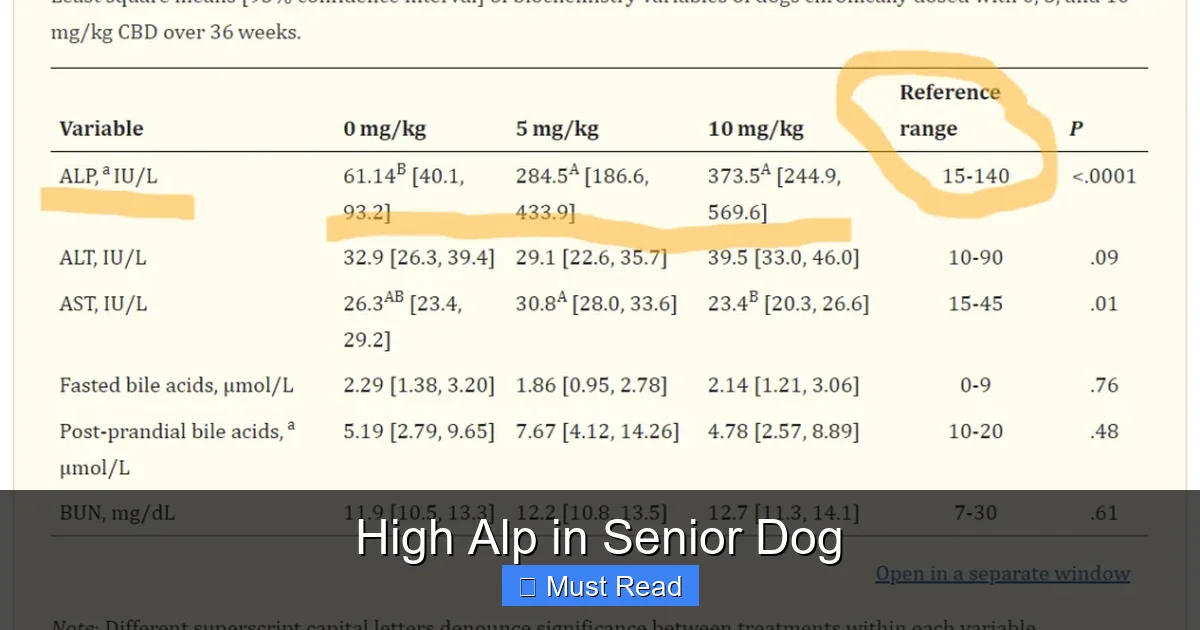
High ALP (alkaline phosphatase) in senior dogs is a common blood marker that often signals liver or bone issues, but it doesn’t always mean serious disease. Understanding what causes elevated ALP, how it’s diagnosed, and what you can do at home helps ensure your older dog stays comfortable and healthy.
Key Takeaways
- ALP is an enzyme found in the liver, bones, and other tissues: Elevated levels in senior dogs often point to liver dysfunction, Cushing’s disease, or bone disorders.
- Age-related changes increase ALP naturally: Older dogs may show mildly elevated ALP without underlying disease due to slower metabolism and reduced organ efficiency.
- Symptoms can be subtle or absent: Many dogs with high ALP show no obvious signs, making regular vet checkups crucial for early detection.
- Diagnosis involves more than just a blood test: Vets often use imaging (ultrasound), additional blood work, and physical exams to pinpoint the cause.
- Treatment depends on the root cause: Managing conditions like Cushing’s, liver disease, or steroid use can help normalize ALP levels.
- Lifestyle and diet play a supportive role: High-quality nutrition, hydration, and gentle exercise can support liver and overall health in senior dogs.
- Monitoring is key: Regular follow-up blood tests help track progress and adjust treatment as needed.
📑 Table of Contents
What Is ALP and Why Does It Matter in Senior Dogs?
As our beloved dogs age, their bodies go through natural changes—just like ours. One of the ways veterinarians monitor these changes is through routine blood work, which often includes checking levels of an enzyme called alkaline phosphatase, or ALP for short. While ALP might sound like a complex medical term, it’s actually a simple marker that can tell us a lot about your dog’s internal health—especially when they’re in their golden years.
ALP is produced primarily in the liver, bile ducts, bones, and intestines. In healthy dogs, it plays a role in breaking down proteins and helping with bone growth and liver function. But when ALP levels rise above normal on a blood test, it’s a red flag that something might be off. In senior dogs—typically those over seven years old, depending on breed and size—elevated ALP is fairly common. However, that doesn’t mean it should be ignored. It could signal anything from a mild, age-related shift to a more serious condition like liver disease or Cushing’s syndrome.
The key is understanding that high ALP alone isn’t a diagnosis—it’s a clue. Think of it like a smoke alarm going off in your kitchen. It doesn’t tell you exactly what’s burning, but it definitely means you need to investigate. For senior dogs, who are more vulnerable to chronic diseases, catching issues early can make a huge difference in their quality of life and longevity.
Common Causes of High ALP in Senior Dogs

Visual guide about High Alp in Senior Dog
Image source: toegrips.com
So, what’s really behind that elevated ALP number? There are several possible causes, and they range from benign to serious. Let’s break down the most common ones you might encounter.
Liver Disease or Dysfunction
The liver is one of the main sources of ALP, so it’s no surprise that liver problems often lead to high levels. Conditions like hepatitis (inflammation of the liver), cirrhosis (scarring), or even liver tumors can cause ALP to spike. In senior dogs, chronic liver disease may develop slowly over time, with few early symptoms. That’s why routine blood work is so important—it can catch liver stress before your dog shows obvious signs like vomiting, jaundice, or lethargy.
For example, a 12-year-old Labrador named Max started acting a little more tired than usual. His owner noticed he wasn’t as interested in walks, but otherwise, he seemed fine. A routine senior wellness panel revealed elevated ALP and other liver enzymes. Further testing showed mild liver inflammation, likely due to long-term medication use. With dietary changes and liver-supportive supplements, Max’s levels improved within a few months.
Cushing’s Disease (Hyperadrenocorticism)
Cushing’s disease is one of the top culprits behind high ALP in older dogs. This condition occurs when the body produces too much cortisol, a stress hormone. It’s often caused by a tumor in the pituitary gland or, less commonly, the adrenal glands. One of the hallmark signs of Cushing’s is elevated ALP—sometimes dramatically so—because cortisol stimulates the liver to produce more of the enzyme.
Dogs with Cushing’s may also drink and urinate excessively, have a pot-bellied appearance, lose fur on their sides, or develop thin skin. A 10-year-old Beagle named Daisy was diagnosed with Cushing’s after her owner noticed she was constantly thirsty and had a rounded belly. Her ALP was over three times the normal range. With medication to regulate cortisol, her symptoms improved, and her ALP levels gradually decreased.
Steroid Use (Iatrogenic Cushing’s)
Sometimes, high ALP isn’t due to a disease—it’s a side effect of treatment. Long-term use of corticosteroids like prednisone (often prescribed for allergies, arthritis, or immune disorders) can cause a condition known as iatrogenic Cushing’s. This mimics natural Cushing’s disease and leads to elevated ALP, even if the dog doesn’t have a tumor.
If your senior dog is on steroids, your vet will likely monitor ALP levels regularly. In many cases, adjusting the dosage or switching to alternative treatments can help bring levels back down.
Bone Disorders
Although less common, bone diseases can also raise ALP. This is because ALP is involved in bone formation and remodeling. Conditions like osteosarcoma (a type of bone cancer), hyperparathyroidism, or even healing fractures can increase ALP production. In senior dogs, bone tumors are a concern, especially in large breeds like German Shepherds or Great Danes.
For instance, a 9-year-old Rottweiler named Bruno had a sudden limp and was found to have a bone lesion. His ALP was significantly elevated, prompting further imaging that revealed osteosarcoma. While this is a serious diagnosis, early detection allowed for prompt treatment and pain management.
Age-Related Changes
Not all high ALP in senior dogs points to disease. As dogs age, their metabolism slows, organs work less efficiently, and enzyme production can shift. Mild elevations in ALP may simply reflect normal aging—especially if other blood values are normal and the dog shows no symptoms.
Think of it like a car that’s been driven for many years. The engine might not run as smoothly as it once did, but it’s still functional. Regular checkups help distinguish between normal aging and early disease.
Symptoms to Watch For
Visual guide about High Alp in Senior Dog
Image source: championofmyheart.com
One of the tricky things about high ALP is that it often doesn’t come with obvious warning signs—especially in the early stages. Many senior dogs continue to eat, play, and act normally even when their ALP is elevated. That’s why routine blood work is so valuable: it catches problems before they become severe.
However, there are some symptoms you can watch for that might suggest an underlying issue:
- Increased thirst and urination: This is a classic sign of Cushing’s disease or kidney problems.
- Lethargy or weakness: If your dog seems more tired than usual or reluctant to move, it could indicate liver or metabolic issues.
- Loss of appetite or weight loss: These can signal liver disease, cancer, or other chronic conditions.
- Vomiting or diarrhea: Gastrointestinal upset may point to liver or pancreatic problems.
- Jaundice (yellowing of gums, eyes, or skin): This is a clear sign of liver dysfunction and requires immediate attention.
- Abdominal swelling or bloating: A pot-bellied appearance is common in Cushing’s or liver disease.
- Hair loss or thinning coat: Especially on the sides of the body, this can be linked to hormonal imbalances.
Keep in mind that these symptoms can overlap with many conditions, so they don’t confirm high ALP on their own. But if you notice any of them—especially in combination—it’s time to schedule a vet visit.
How Is High ALP Diagnosed?

Visual guide about High Alp in Senior Dog
Image source: toegrips.com
If your vet finds elevated ALP on a blood test, they won’t jump to conclusions. Instead, they’ll take a step-by-step approach to figure out what’s really going on.
Comprehensive Blood Panel
The first step is usually a full chemistry panel and complete blood count (CBC). This gives a broader picture of your dog’s health, including liver enzymes (like ALT and AST), kidney values, blood sugar, and red and white blood cell counts. For example, if ALT (alanine aminotransferase) is also high, it suggests active liver damage. If blood sugar is elevated, it might point to diabetes or Cushing’s.
Urine Testing
A urinalysis can reveal kidney function, hydration status, and signs of infection or protein loss. In Cushing’s disease, dogs often have dilute urine due to excessive water intake.
Imaging Studies
Ultrasound of the abdomen is one of the most useful tools for evaluating the liver, adrenal glands, and other organs. It can detect tumors, cysts, or structural changes that might explain high ALP. X-rays may also be used, especially if bone disease is suspected.
Specialized Hormone Tests
If Cushing’s is suspected, your vet may recommend tests like the ACTH stimulation test or low-dose dexamethasone suppression test. These measure how your dog’s body responds to hormones and can confirm or rule out the disease.
Biopsy (If Needed)
In rare cases, a liver biopsy may be necessary to determine the exact cause of liver dysfunction. This is usually done under sedation or anesthesia and involves taking a small tissue sample for analysis.
Throughout this process, your vet will consider your dog’s age, breed, medical history, and current medications. For example, a small breed dog on long-term steroids is more likely to have medication-induced ALP elevation, while a large breed with bone pain may need imaging for cancer.
Treatment and Management Options
Once the cause of high ALP is identified, treatment can begin. The approach depends entirely on the underlying condition, but the goal is always to improve your dog’s comfort, slow disease progression, and support overall health.
Medications
For Cushing’s disease, drugs like trilostane or mitotane are commonly prescribed to regulate cortisol production. These require careful monitoring and regular blood tests to ensure the right dosage. Liver disease may be managed with medications like SAM-e, silymarin (milk thistle), or ursodiol, which support liver function and reduce inflammation.
If your dog is on steroids, your vet may adjust the dose or switch to a different treatment to lower ALP levels.
Dietary Changes
Nutrition plays a huge role in managing high ALP, especially when liver or metabolic issues are involved. A high-quality, easily digestible diet with moderate protein and healthy fats can reduce the liver’s workload. Some vets recommend prescription diets like Hill’s Prescription Diet l/d or Royal Canin Hepatic, which are formulated for liver support.
Avoiding high-fat treats, table scraps, and processed foods is important. Instead, opt for fresh, whole ingredients like cooked chicken, sweet potatoes, and green beans—always in moderation and with your vet’s approval.
Supplements
Natural supplements can be a helpful addition to conventional treatment. Milk thistle (silymarin) is one of the most researched liver-supportive herbs and has been shown to protect liver cells and reduce inflammation. SAM-e (S-adenosylmethionine) is another popular supplement that supports liver detoxification and may improve enzyme levels.
Always consult your vet before starting any supplement, as some can interact with medications or worsen certain conditions.
Lifestyle Adjustments
Keeping your senior dog active—within their limits—supports overall health. Gentle walks, mental stimulation, and regular vet checkups help maintain mobility and catch new issues early. Hydration is also key; make sure your dog always has access to fresh water, especially if they’re drinking more than usual.
Monitoring and Follow-Up
High ALP isn’t a one-and-done issue. Regular blood tests every 3–6 months help track progress and adjust treatment as needed. For dogs with chronic conditions, consistent monitoring is essential for long-term management.
When to Worry—and When to Stay Calm
It’s natural to feel anxious when you see an abnormal lab result, but remember: high ALP doesn’t always mean something serious. In many cases, especially in senior dogs, it’s a manageable finding with the right care.
You should be concerned if:
- ALP is extremely high (more than 3–5 times the normal range)
- Other liver enzymes (like ALT or bilirubin) are also elevated
- Your dog shows multiple symptoms (lethargy, vomiting, jaundice)
- There’s a known history of liver disease or cancer
On the other hand, mild elevations with no symptoms and normal other values may simply require watchful waiting. Your vet will help you decide the best course of action based on the full picture.
Prevention and Long-Term Care
While you can’t prevent all causes of high ALP, there are steps you can take to support your senior dog’s health and reduce risk:
- Schedule regular wellness exams: Annual or biannual checkups with blood work are essential for early detection.
- Maintain a healthy weight: Obesity stresses the liver and increases disease risk.
- Limit unnecessary medications: Only use steroids or other drugs when absolutely needed and under veterinary supervision.
- Provide a balanced diet: Choose high-quality dog food appropriate for senior needs.
- Encourage gentle exercise: Daily walks and playtime support metabolism and organ function.
- Stay up to date on dental care: Poor oral health can lead to systemic inflammation and liver stress.
By being proactive, you give your senior dog the best chance at a long, comfortable life—even if their ALP is a little high.
Final Thoughts
High ALP in senior dogs is a common finding, but it’s not something to panic about. With the right diagnosis, treatment, and care, many dogs continue to live happy, active lives. The key is staying informed, working closely with your vet, and paying attention to your dog’s behavior and needs.
Remember, your senior dog relies on you to be their advocate. Regular checkups, a loving home, and a little extra attention can go a long way in keeping them healthy and comfortable through their golden years.
Frequently Asked Questions
What does high ALP mean in senior dogs?
High ALP in senior dogs usually indicates liver or bone issues, but it can also be caused by Cushing’s disease, steroid use, or normal aging. It’s a sign that further investigation is needed, not a diagnosis on its own.
Can high ALP be reversed in older dogs?
Yes, in many cases. If the cause is treatable—like Cushing’s disease or medication side effects—ALP levels can improve with proper management. However, chronic conditions may require ongoing monitoring.
Is high ALP always a sign of liver disease?
Not always. While liver disease is a common cause, high ALP can also stem from bone disorders, hormonal imbalances, or even age-related changes. Additional tests are needed to determine the exact cause.
Should I stop giving my dog steroids if ALP is high?
No—never stop medications without consulting your vet. Steroids may be essential for managing other conditions. Your vet can adjust the dose or explore alternatives if needed.
How often should my senior dog’s ALP be checked?
Most vets recommend checking ALP annually during senior wellness exams. If levels are elevated or your dog has a chronic condition, more frequent testing (every 3–6 months) may be advised.
Can diet help lower ALP in senior dogs?
Yes, a liver-supportive diet with high-quality protein, healthy fats, and limited processed ingredients can help reduce liver stress and improve enzyme levels over time.
