
Grants for Senior Citizens in Georgia


Sudoku Puzzle Book

Kindle E-Reader

Cane with LED Light
Georgia offers a variety of grants and assistance programs designed specifically for senior citizens to help with housing, healthcare, nutrition, and daily living expenses. These grants are often underutilized, but with the right information, seniors and their families can access life-changing support—many with no repayment required.
Key Takeaways
- Multiple grant types available: Georgia seniors can access grants for housing, medical care, food, transportation, and home repairs through state and federal programs.
- No repayment required: Unlike loans, most grants for senior citizens in Georgia do not need to be paid back, making them ideal for fixed-income individuals.
- Eligibility based on income and age: Most programs require applicants to be 60 or older and meet specific income thresholds, often tied to federal poverty guidelines.
- Apply through trusted agencies: Programs are administered by state departments, nonprofits, and Area Agencies on Aging (AAA), ensuring safe and legitimate access.
- Assistance with application process: Free help is available through local senior centers, social workers, and nonprofit organizations to guide seniors through applications.
- Time-sensitive opportunities: Some grants have limited funding or seasonal application windows, so early action is key.
- Combine with other benefits: Many seniors qualify for multiple programs simultaneously, such as Medicaid, SNAP, and utility assistance, increasing overall support.
📑 Table of Contents
Understanding Grants for Senior Citizens in Georgia
As we age, financial stability can become a growing concern—especially for those living on fixed incomes like Social Security or pensions. In Georgia, thousands of seniors face challenges covering basic needs such as housing, healthcare, and groceries. Fortunately, the state and federal government, along with nonprofit organizations, offer a range of grants for senior citizens in Georgia designed to ease these burdens.
Unlike loans, grants do not need to be repaid. This makes them one of the most valuable forms of financial assistance available. Whether you’re a senior looking to stay in your home, afford medical treatments, or simply put food on the table, there are programs tailored to help. The key is knowing where to look and how to apply.
Many seniors don’t realize that help is available—or they assume they won’t qualify. But the truth is, many grants are designed specifically for low- to moderate-income individuals over 60. With rising healthcare costs, utility bills, and housing expenses, these programs can make a real difference in quality of life. From emergency home repairs to prescription drug assistance, Georgia’s support network is more robust than most people think.
Types of Grants Available for Georgia Seniors
Visual guide about Grants for Senior Citizens in Georgia
Image source: grantsformedical.com
Georgia offers a diverse range of grants and assistance programs for older adults. These are typically divided into categories based on need, such as housing, healthcare, nutrition, and daily living support. Understanding the different types can help seniors and their families identify which programs best fit their situation.
Housing and Home Repair Grants
One of the biggest expenses for seniors is housing. Many older adults own their homes but struggle with maintenance, property taxes, or utility costs. Fortunately, several grants help seniors stay in their homes safely and affordably.
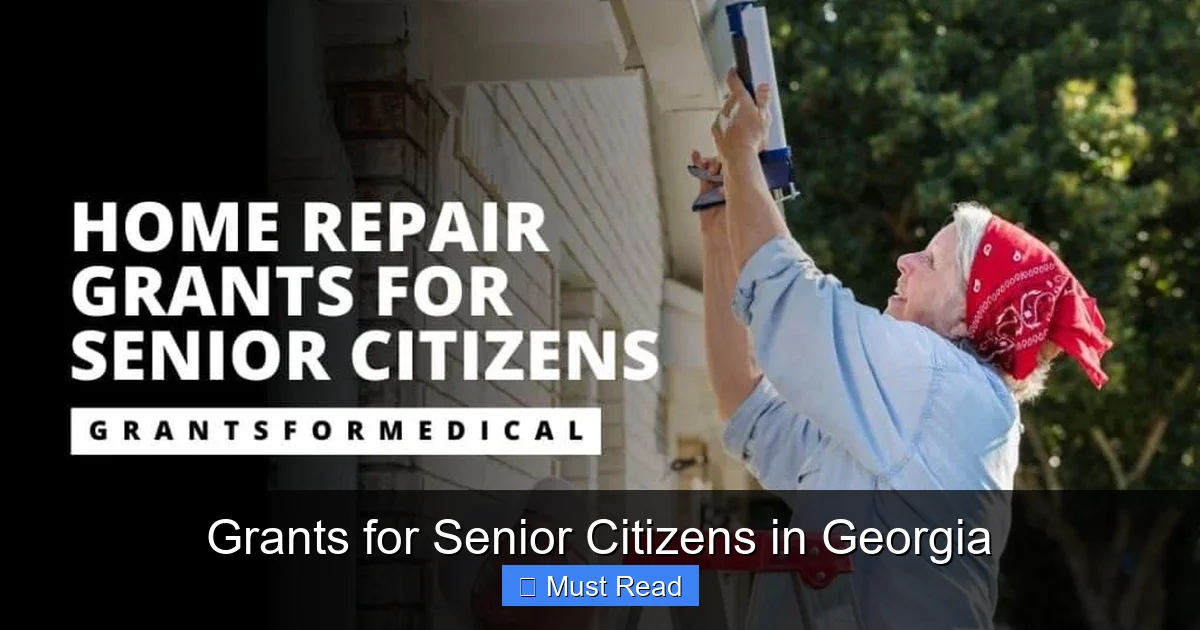
The Georgia Department of Community Affairs (DCA) offers the Homeowner Rehabilitation Program, which provides grants to low-income seniors for essential home repairs like roof replacements, plumbing fixes, and accessibility upgrades such as ramps or grab bars. These improvements not only increase safety but can also prevent costly medical issues related to falls or poor living conditions.
Another option is the U.S. Department of Agriculture’s (USDA) Single Family Housing Repair Loans & Grants, also known as Section 504. While it includes loans, it also offers grants specifically for seniors aged 62 and older who cannot secure affordable credit elsewhere. These grants can cover up to $10,000 for critical repairs, making them ideal for urgent home improvements.
For seniors struggling with property taxes, Georgia offers a Homestead Exemption program. While not a cash grant, this reduces the taxable value of a primary residence, lowering annual tax bills. Seniors 65 and older with a household income under $30,000 may qualify for the Standard Senior Exemption, which can save hundreds of dollars each year.
Healthcare and Medical Assistance Grants
Healthcare costs are a top concern for older adults. Prescription drugs, doctor visits, and long-term care can quickly drain a fixed income. Fortunately, Georgia has several programs to help seniors manage these expenses.
Medicaid is one of the most important resources. While not a grant in the traditional sense, Medicaid covers medical services for low-income individuals, including seniors. In Georgia, seniors may qualify for full Medicaid coverage if their income and assets fall below certain limits. This can include hospital stays, nursing home care, home health services, and prescription medications.
For those who don’t qualify for full Medicaid, the Georgia Cares program offers assistance with Medicare premiums, deductibles, and co-payments through the Medicare Savings Program (MSP). This can save seniors hundreds of dollars annually on out-of-pocket medical costs.
Additionally, the State Health Insurance Assistance Program (SHIP) provides free counseling to help seniors navigate Medicare, Medicaid, and other insurance options. SHIP counselors can help compare plans, understand benefits, and even assist with enrollment—ensuring seniors get the most out of their coverage.
Nutrition and Food Assistance Programs
Proper nutrition is essential for healthy aging, but many seniors struggle to afford enough food. Georgia offers several programs to ensure older adults have access to nutritious meals.
The Supplemental Nutrition Assistance Program (SNAP), commonly known as food stamps, is available to low-income seniors. In Georgia, individuals over 60 may qualify if their gross monthly income is at or below 130% of the federal poverty level. As of 2024, that’s about $1,580 per month for a single person. SNAP benefits are loaded onto an EBT card and can be used at grocery stores, farmers’ markets, and some online retailers.
For homebound seniors, the Meals on Wheels program delivers hot, nutritious meals directly to their doors. Administered by local Area Agencies on Aging, this service is often free or offered on a sliding scale based on income. It not only provides food but also offers a friendly check-in, reducing isolation and promoting safety.
Seniors can also access the Commodity Supplemental Food Program (CSFP), which provides monthly food packages containing items like canned fruits, vegetables, meats, and grains. To qualify, individuals must be 60 or older and meet income guidelines. These packages are distributed through local food banks and senior centers.
Utility and Energy Assistance
Heating and cooling costs can be overwhelming, especially during Georgia’s hot summers and chilly winters. The Low Income Home Energy Assistance Program (LIHEAP) helps low-income seniors pay their utility bills and avoid service disconnection.
Administered by the Georgia Division of Aging Services, LIHEAP offers one-time financial assistance for heating or cooling costs. Eligibility is based on household income, family size, and energy usage. In 2024, a single senior with an income under $2,250 per month may qualify for up to $600 in assistance.
Additionally, some utility companies in Georgia, such as Georgia Power and Atlanta Gas Light, offer senior discounts or payment plans. Seniors can contact their provider to inquire about special rates or budget billing options that spread costs evenly throughout the year.
Transportation and Mobility Support
Losing the ability to drive can be isolating, but Georgia offers transportation grants and services to help seniors stay mobile and connected.
The Georgia Department of Transportation (GDOT) funds the Senior Ride Program through local transit agencies. This service provides discounted or free rides to medical appointments, grocery stores, and senior centers. Rides are typically arranged in advance and operated by vans or volunteer drivers.
Some Area Agencies on Aging also offer transportation vouchers or gas cards for seniors who need to travel for medical care but lack reliable transportation. These are often distributed on a first-come, first-served basis, so it’s important to apply early.
For seniors with disabilities, the Paratransit service offers door-to-door transportation for those who cannot use regular public transit. Eligibility is determined through an application process, and rides must be scheduled in advance.
Home Care and Personal Assistance Grants
Many seniors prefer to age in place, but they may need help with daily tasks like bathing, dressing, or meal preparation. Georgia offers grants and programs to support in-home care.
The Community Care Services Program (CCSP) and Service Options Using Resources in a Community Environment (SOURCE) are Medicaid waiver programs that allow seniors to receive care at home instead of in a nursing facility. These programs cover services like personal care aides, homemaker services, and adult day care.
To qualify, seniors must meet Medicaid eligibility requirements and be assessed as needing nursing home-level care. The goal is to help seniors remain independent and safe in their own homes for as long as possible.
Additionally, some nonprofit organizations, such as the Alzheimer’s Association Georgia Chapter, offer small grants for respite care. These funds can help family caregivers take a break by paying for temporary in-home help or adult day services.
How to Apply for Grants in Georgia

Visual guide about Grants for Senior Citizens in Georgia
Image source: grantsformedical.com
Applying for grants can seem overwhelming, but the process is often simpler than people think. Most programs have clear guidelines and offer free assistance to help seniors navigate the application.
Step 1: Determine Eligibility
Start by reviewing the eligibility requirements for each program. Most grants for senior citizens in Georgia require applicants to be 60 or older and meet income limits. Some programs also consider assets, household size, and residency status.
For example, to qualify for LIHEAP, a single senior must have a monthly income below $2,250. For the Homeowner Rehabilitation Program, income must be at or below 80% of the area median income, which varies by county.
Step 2: Gather Required Documents
Common documents needed include:
– Proof of age (birth certificate or driver’s license)
– Proof of income (Social Security statements, pension letters, tax returns)
– Proof of residency (utility bill or lease agreement)
– Medical records (for healthcare-related grants)
– Homeownership documents (for housing grants)
Having these ready can speed up the application process and reduce delays.
Step 3: Submit Applications
Applications can usually be submitted online, by mail, or in person. Many programs allow seniors to apply through their local Area Agency on Aging (AAA). Georgia has 12 AAAs covering all 159 counties, each offering free counseling and application assistance.
For example, seniors in Atlanta can contact the Atlanta Regional Commission’s AAA for help with SNAP, Medicaid, or home repair grants. In rural areas, local senior centers often serve as application hubs.
Step 4: Follow Up and Stay Informed
After submitting an application, follow up with the agency to check the status. Some programs have waiting lists, especially for housing or in-home care. Staying in touch ensures your application doesn’t get lost and helps you learn about new opportunities.
It’s also wise to reapply annually for programs like LIHEAP or SNAP, as eligibility can change with income or household size.
Where to Find Help and Resources
Visual guide about Grants for Senior Citizens in Georgia
Image source: livingtricky.com
Navigating the world of grants can be confusing, but Georgia offers many free resources to help seniors and their families.
Area Agencies on Aging (AAA)
These local agencies are the best starting point. They provide free information, counseling, and application assistance for a wide range of programs. Each AAA has trained staff who understand the unique needs of seniors in their community.
To find your local AAA, visit the Georgia Division of Aging Services website or call the Georgia Senior Hotline at 1-866-552-4464.
Senior Centers and Community Organizations
Local senior centers often host workshops on benefits enrollment, financial planning, and health topics. They may also offer free meals, transportation, and social activities.
Nonprofits like AARP Georgia, the United Way, and local food banks frequently partner with state agencies to distribute information and assist with applications.
Online Tools and Portals
The Georgia Gateway portal (gateway.ga.gov) allows seniors to apply for multiple benefits online, including SNAP, Medicaid, and LIHEAP. It’s a one-stop shop for state assistance programs.
The BenefitsCheckUp tool from the National Council on Aging (benefitscheckup.org) is another excellent resource. It asks a few questions and generates a list of programs you may qualify for, including grants for senior citizens in Georgia.
Tips for Maximizing Your Chances of Approval
While many seniors qualify for assistance, a few simple steps can improve your chances of approval and speed up the process.
Apply Early
Some grants have limited funding and are awarded on a first-come, first-served basis. For example, LIHEAP typically opens applications in November and closes when funds run out. Applying early increases your chances of receiving help.
Be Honest and Accurate
Providing false information can lead to denial or even penalties. Double-check all details on your application, especially income and household size.
Seek Help When Needed
Don’t hesitate to ask for assistance. Social workers, AAA counselors, and nonprofit advocates are there to help. Many offer free one-on-one support, either in person or over the phone.
Keep Records
Save copies of all applications, correspondence, and approval letters. This helps if you need to appeal a decision or reapply in the future.
Combine Programs
Many seniors qualify for multiple programs. For example, you might receive SNAP benefits, LIHEAP assistance, and home repair grants all at once. Combining support can significantly reduce financial stress.
Real-Life Examples of Grant Success
To illustrate how these programs work, consider a few real-life scenarios:
Maria, 72, Atlanta: Maria lives on a fixed income from Social Security. Her roof began leaking, and she couldn’t afford repairs. After contacting her local AAA, she applied for the Homeowner Rehabilitation Program and received a $7,500 grant to fix her roof and install energy-efficient windows. She now saves on utility bills and feels safer at home.
James, 68, Savannah: James has diabetes and struggles to afford insulin and doctor visits. He enrolled in Medicaid through Georgia Gateway and now receives free prescriptions and regular check-ups. He also joined Meals on Wheels, which delivers healthy meals three times a week.
Eleanor, 75, Macon: Eleanor’s heating bill spiked during a cold snap. She applied for LIHEAP and received $500 to cover her natural gas bill. She also qualified for the Senior Ride Program, which now takes her to medical appointments at no cost.
These stories show how grants for senior citizens in Georgia can transform lives—providing not just financial relief, but peace of mind.
Conclusion
Aging shouldn’t mean financial hardship or isolation. In Georgia, a wide range of grants and assistance programs exist to support seniors in maintaining their independence, health, and dignity. From housing repairs to medical care, nutrition, and transportation, help is available—often at no cost and with no repayment required.
The key is awareness and action. Many seniors don’t apply because they don’t know these programs exist or assume they won’t qualify. But with income limits designed for fixed-income individuals and free help available through local agencies, the path to support is clearer than ever.
If you or a loved one is over 60 and facing financial challenges, take the first step today. Contact your local Area Agency on Aging, visit Georgia Gateway, or call the Georgia Senior Hotline. You’ve spent your life contributing to your community—now let Georgia give back to you.
Grants for senior citizens in Georgia aren’t just about money. They’re about safety, health, and the freedom to age with grace and security. Don’t wait—help is closer than you think.
Frequently Asked Questions
What qualifies as a grant for senior citizens in Georgia?
A grant is financial assistance that does not need to be repaid. In Georgia, grants for senior citizens include funds for home repairs, medical care, food, utilities, and transportation. These are typically offered by state agencies, nonprofits, or federal programs.
Do I have to pay back grants received in Georgia?
No, most grants for senior citizens in Georgia do not require repayment. Unlike loans, grants are designed to provide support without creating debt. However, you must use the funds for their intended purpose, such as home repairs or medical expenses.
How do I find out if I qualify for senior grants in Georgia?
Eligibility is usually based on age (60 or older), income, and residency. You can check your eligibility by visiting the Georgia Division of Aging Services website, calling the Georgia Senior Hotline, or contacting your local Area Agency on Aging for a free assessment.
Can I apply for multiple grants at the same time?
Yes, many seniors qualify for several programs simultaneously. For example, you might receive SNAP benefits, LIHEAP utility assistance, and a home repair grant all at once. Combining programs can provide comprehensive support for daily living needs.
Where can I get help filling out grant applications?
Free help is available through Area Agencies on Aging, senior centers, social workers, and nonprofit organizations. These groups offer one-on-one counseling, application assistance, and follow-up support to ensure your application is complete and accurate.
Are there grants for seniors who rent their homes?
While most housing grants are for homeowners, renters may qualify for utility assistance (LIHEAP), food programs (SNAP), and transportation services. Some local nonprofits also offer emergency rental assistance or security deposit help for low-income seniors.
