
Golf Club Shafts Senior Flex


Page Magnifier Sheet

Electric Recliner Lift Chair

Adjustable Bed Frame
Senior flex golf club shafts are designed for golfers with slower swing speeds, typically those over 55 or with reduced flexibility. They offer more flexibility to help generate greater clubhead speed, improve launch angle, and increase distance—without sacrificing control. Choosing the right senior flex shaft can transform your game, making it easier to hit longer, straighter shots with less effort.
Key Takeaways
- Senior flex shafts are ideal for slower swing speeds: Typically under 85 mph with the driver, senior flex helps golfers generate more power and distance.
- They improve launch and ball flight: The extra flex helps get the ball airborne easier, especially for players struggling with low launch angles.
- Not just for seniors: Any golfer with a moderate swing speed—regardless of age—can benefit from senior flex shafts.
- Material matters: Graphite is the most common material for senior flex shafts due to its lightweight and vibration-dampening properties.
- Proper fitting is essential: A professional club fitting ensures the shaft matches your swing mechanics, tempo, and physical condition.
- Senior flex can reduce injury risk: The softer flex places less stress on joints and muscles, making it a great option for players with physical limitations.
- Modern senior flex shafts offer advanced technology: Many now feature low torque, high launch designs, and optimized weight distribution for better performance.
📑 Table of Contents
- What Is a Senior Flex Golf Club Shaft?
- Why Swing Speed Matters
- Benefits of Senior Flex Shafts
- Graphite vs. Steel: Which Is Better for Senior Flex?
- How to Choose the Right Senior Flex Shaft
- Common Myths About Senior Flex Shafts
- Top Senior Flex Shaft Recommendations
- Conclusion: Is Senior Flex Right for You?
What Is a Senior Flex Golf Club Shaft?
When you hear the term “senior flex” in golf, it’s easy to assume it’s only for older players. But in reality, senior flex golf club shafts are designed for anyone with a moderate swing speed—typically under 85 miles per hour with the driver. These shafts are softer and more flexible than regular or stiff flex options, allowing golfers to generate more clubhead speed with less effort.
Think of a golf shaft like a fishing rod. A stiff rod doesn’t bend much and requires strong, fast movements to cast far. A softer rod bends more easily, helping you cast farther with a slower, smoother motion. That’s exactly how senior flex shafts work. They “whip” through the ball more efficiently, helping golfers launch the ball higher and farther—even if their swing isn’t as powerful as it used to be.
Senior flex shafts are most commonly made from graphite, which is lighter than steel. This reduced weight helps players swing faster without straining their arms or shoulders. The combination of flexibility and lightness makes senior flex ideal for golfers who want to maintain distance and accuracy without overexerting themselves.
Who Should Use Senior Flex Shafts?
While the name suggests they’re for seniors, senior flex shafts are suitable for a wide range of golfers. If you’re over 55 and noticing your drives aren’t as long as they used to be, senior flex could be a game-changer. But younger players with slower swings—due to injury, fitness level, or natural swing tempo—can also benefit.
For example, a 45-year-old golfer recovering from a shoulder injury might find that a senior flex driver shaft helps them return to the course without re-aggravating their condition. Similarly, a beginner or high-handicap player with a smooth, controlled swing often performs better with senior flex because it matches their natural rhythm.
It’s not about age—it’s about swing speed and mechanics. If your driver swing speed averages between 70 and 85 mph, senior flex is likely the right choice. Golfers swinging faster than 85 mph may find senior flex too soft, leading to inconsistent ball flight and reduced control.
Why Swing Speed Matters
Swing speed is the single most important factor in choosing the right shaft flex. It directly affects how much the shaft bends during the swing—a concept known as “loading” and “unloading.” When you swing, the shaft bends backward (loads) and then snaps forward (unloads) at impact. The right amount of flex ensures maximum energy transfer to the ball.
Visual guide about Golf Club Shafts Senior Flex
Image source: m.media-amazon.com
If your swing speed is too slow for a stiff shaft, the shaft won’t load properly. This means less energy is stored and released, resulting in shorter, lower shots. On the other hand, if your swing speed is too fast for a senior flex shaft, the shaft may bend too much, causing the clubface to close or open unpredictably—leading to slices, hooks, or reduced distance.
Here’s a simple way to think about it: imagine throwing a ball with a slingshot. If the bands are too tight (like a stiff shaft), you need a lot of strength to stretch them. If they’re too loose (like an extra-stiff shaft for a slow swing), the ball won’t go far. Senior flex is like a slingshot with just the right amount of give—perfect for moderate force.
How to Measure Your Swing Speed
The best way to determine your swing speed is through a professional club fitting or a launch monitor at a golf store or driving range. These devices measure how fast the clubhead is moving at impact. Most fittings include a range of shaft options, so you can test different flexes and see which one performs best.
If you don’t have access to a launch monitor, you can estimate your swing speed based on your average driving distance. Here’s a rough guide:
- Average drive: 200–220 yards → Swing speed: ~75–80 mph → Senior flex likely ideal
- Average drive: 220–240 yards → Swing speed: ~80–85 mph → Senior or regular flex
- Average drive: 240+ yards → Swing speed: 85+ mph → Regular or stiff flex
Keep in mind, these are estimates. Factors like ball type, course conditions, and swing efficiency can affect distance. That’s why a professional fitting is always recommended.
Benefits of Senior Flex Shafts
Switching to a senior flex shaft can have a dramatic impact on your game—especially if you’ve been using a shaft that’s too stiff. The benefits go beyond just distance. Let’s break down the key advantages.
Visual guide about Golf Club Shafts Senior Flex
Image source: m.media-amazon.com
Increased Distance
The primary reason golfers choose senior flex is to gain distance. Because the shaft is more flexible, it helps generate more clubhead speed, especially in the downswing. This extra speed translates directly into longer shots. Many golfers report gaining 10 to 20 yards off the tee after switching to senior flex.
For example, a 68-year-old golfer with a 78 mph swing speed was averaging 195 yards with a regular flex driver. After switching to a senior flex graphite shaft, his average increased to 215 yards—and his fairways hit improved because the ball launched higher and straighter.
Higher Launch Angle
Senior flex shafts naturally promote a higher launch angle. This is crucial for golfers who struggle to get the ball airborne. A higher launch helps the ball stay in the air longer, increasing carry distance and reducing the effect of ground conditions.
Modern senior flex shafts are often designed with low spin and high launch in mind. This combination maximizes distance by optimizing the ball’s flight path. Instead of a low, running shot that rolls out, you get a soaring trajectory that lands softly.
Improved Forgiveness and Consistency
Softer shafts tend to be more forgiving on off-center hits. Because they flex more, they can help “correct” minor swing flaws, such as coming over the top or hitting the ball on the toe. This means even mishits can travel farther and straighter than they would with a stiffer shaft.
Consistency is another big win. When the shaft matches your swing tempo, you’re more likely to strike the ball cleanly and repeat your swing. This leads to tighter shot dispersion and lower scores.
Reduced Strain and Injury Risk
Golf should be enjoyable, not painful. Senior flex shafts are lighter and more flexible, which reduces the stress on your hands, wrists, elbows, and shoulders. This is especially important for golfers with arthritis, joint pain, or previous injuries.
The lighter weight of graphite senior flex shafts also means less fatigue over 18 holes. You can maintain your swing speed and form longer, which helps performance on the back nine.
Graphite vs. Steel: Which Is Better for Senior Flex?
When it comes to senior flex shafts, graphite is the clear winner. While steel shafts are available in senior flex, they’re rare and generally not recommended for this flex level. Here’s why graphite is the preferred choice.
Visual guide about Golf Club Shafts Senior Flex
Image source: golfercraze.com
Weight and Swing Speed
Graphite shafts are significantly lighter than steel—often 50 to 100 grams lighter. This reduced weight allows golfers to swing faster without extra effort. For players with slower swings, that extra speed can make a huge difference in distance.
For example, a typical steel shaft weighs around 120–130 grams, while a graphite senior flex shaft might weigh only 50–60 grams. That’s a 50% reduction in weight, which directly translates to increased clubhead speed.
Vibration Dampening
Graphite absorbs vibration much better than steel. This means less shock is transferred to your hands and arms on impact—especially important for players with joint pain or sensitivity. A smoother feel can also improve confidence and swing rhythm.
Customization and Technology
Modern graphite shafts come in a wide range of designs tailored to different swing types. Many senior flex graphite shafts feature:
- Low torque (resistance to twisting) for better control
- Mid-to-high kick points for optimal launch
- Optimized weight distribution for balance and feel
- Multi-material construction (e.g., carbon fiber blends) for durability and performance
Brands like Fujikura, Mitsubishi, Project X, and UST Mamiya offer senior flex options with advanced engineering. These aren’t just “soft” shafts—they’re precision tools designed to maximize performance for moderate swing speeds.
When Steel Might Make Sense
While graphite dominates the senior flex market, there are rare cases where steel could be considered. For example, a golfer with a very smooth, controlled swing and excellent tempo might prefer the feedback and consistency of steel. However, this is uncommon and usually only applies to highly skilled players.
In most cases, the benefits of graphite—lightweight, vibration dampening, and enhanced launch—make it the superior choice for senior flex shafts.
How to Choose the Right Senior Flex Shaft
Not all senior flex shafts are created equal. Just like shoes, one size doesn’t fit all. Choosing the right senior flex shaft involves more than just picking “senior” off the shelf. Here’s how to make the best choice for your game.
Get Professionally Fitted
The most important step is getting a professional club fitting. A certified fitter will analyze your swing speed, tempo, angle of attack, and release point. They’ll test multiple shafts and recommend the one that maximizes your distance, accuracy, and consistency.
During a fitting, you might try shafts with different weights, kick points, and torque ratings—all while maintaining senior flex. For example, a 55-gram shaft with a low kick point might launch the ball higher than a 65-gram shaft with a mid kick point, even though both are senior flex.
Consider Your Swing Tempo
Swing tempo—the rhythm of your backswing and downswing—also affects shaft performance. Golfers with a quick, aggressive tempo may need a shaft with slightly more stability (lower torque), even in senior flex. Those with a smooth, rhythmic swing can benefit from a softer, more responsive shaft.
For instance, a golfer who “rips” the club down from the top might close the face too quickly with a very soft shaft, leading to hooks. A fitter can recommend a senior flex shaft with a bit more stiffness in the tip section to prevent this.
Match the Shaft to Your Clubs
Senior flex isn’t just for drivers. It can be used in fairway woods, hybrids, and even irons. However, the ideal shaft may vary by club. For example:
- Driver: Lightweight, high-launch senior flex (50–60 grams)
- Fairway woods: Slightly heavier (60–70 grams) for better control
- Hybrids: Mid-weight senior flex for balance and forgiveness
- Irons: Senior flex graphite shafts (60–70 grams) for easier launch and reduced fatigue
Many golfers benefit from a full set of senior flex graphite irons, especially if they struggle with long iron distance. The lighter weight and higher launch make it easier to get the ball airborne from the fairway or rough.
Test Before You Buy
Whenever possible, test shafts on the range or during a fitting session. Pay attention to:
- Ball flight: Is it higher and longer?
- Feel: Does it feel smooth and responsive?
- Sound: A crisp, solid sound often indicates good contact
- Consistency: Are your shots tighter and more predictable?
If a shaft feels “whippy” or unpredictable, it might be too soft—even for senior flex. Conversely, if it feels dead or unresponsive, it could be too stiff. The right shaft should feel like an extension of your swing.
Common Myths About Senior Flex Shafts
Despite their popularity, senior flex shafts are surrounded by misconceptions. Let’s clear up some of the most common myths.
Myth 1: Senior Flex Is Only for Old People
As we’ve discussed, senior flex is about swing speed, not age. A 30-year-old with a 75 mph swing can benefit just as much as a 70-year-old with the same speed. Golf is a game of mechanics, not birthdays.
Myth 2: Senior Flex Sacrifices Control
While extremely soft shafts can reduce control, modern senior flex shafts are engineered for stability. Many feature low torque and optimized weight distribution to maintain accuracy. In fact, many golfers find their control improves because the shaft matches their natural swing.
Myth 3: You’ll Lose Distance If You Switch
The opposite is usually true. Most golfers gain distance with senior flex because it helps them generate more clubhead speed and launch the ball optimally. The key is choosing the right shaft—not just any senior flex will do.
Myth 4: Senior Flex Is for Weak Golfers
Using the right equipment isn’t a sign of weakness—it’s smart golf. Just like a runner wears shoes designed for their stride, a golfer should use clubs that match their swing. Senior flex allows players to perform at their best, regardless of physical limitations.
Myth 5: All Senior Flex Shafts Are the Same
There’s a huge range of senior flex shafts available, with different weights, materials, and designs. A $50 senior flex shaft won’t perform the same as a $200 premium model. Investing in a quality shaft can make a noticeable difference in your game.
Top Senior Flex Shaft Recommendations
If you’re considering upgrading to senior flex, here are some of the best options on the market today. These shafts are popular among fitters and golfers for their performance, feel, and value.
Fujikura Senior Flex Graphite Shafts
Fujikura offers several senior flex options, including the Fujikura Senior Flex 50 and Fujikura Air Speeder. These shafts are lightweight (around 50–55 grams), promote high launch, and have low torque for better control. They’re a favorite among seniors and players with moderate swing speeds.
Mitsubishi Tensei Red Senior Flex
The Tensei Red series includes a senior flex option that’s designed for high launch and low spin. It’s slightly heavier (around 60 grams) than some competitors, offering a bit more stability without sacrificing speed. Great for golfers who want a premium feel.
UST Mamiya Recoil Senior Flex
Known for their innovative design, UST Mamiya’s Recoil shafts use a unique construction to reduce vibration and improve energy transfer. The senior flex version is ideal for players seeking a smooth, responsive feel with added distance.
Project X EvenFlow Senior Flex
Project X is known for precision engineering, and the EvenFlow senior flex shaft delivers consistent performance across the set. It’s a great option for golfers who want a balanced, reliable shaft that works well in drivers and fairway woods.
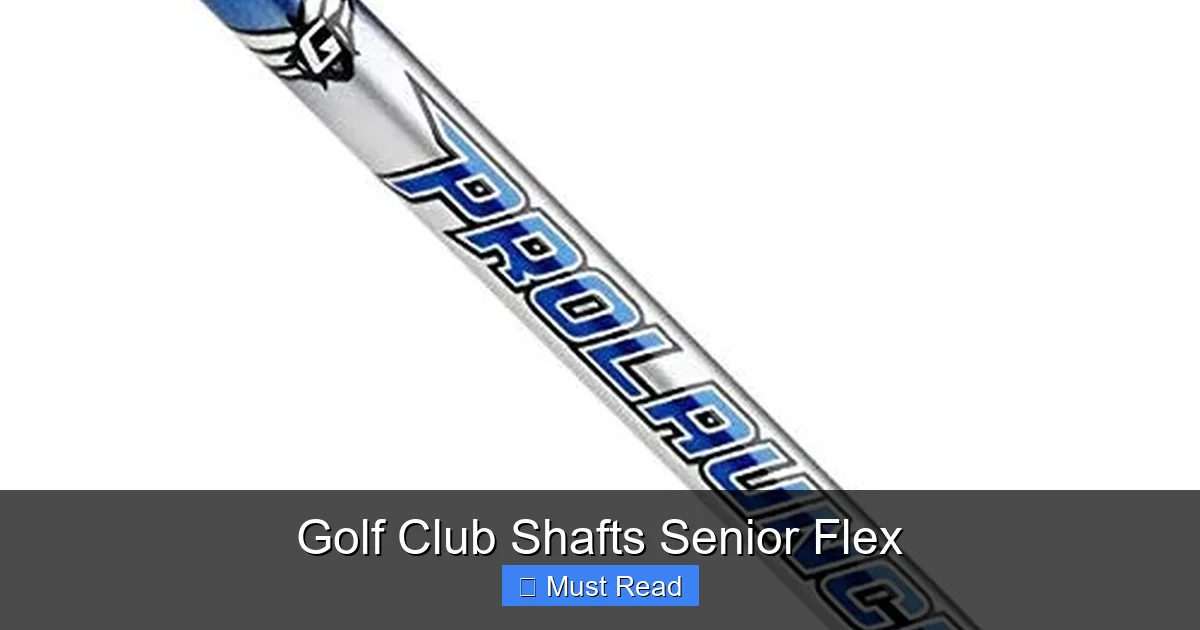
Value Options: Grafalloy ProLaunch Senior Flex
For budget-conscious golfers, the Grafalloy ProLaunch offers excellent performance at a lower price point. It’s lightweight, high-launching, and widely available through custom club builders.
Conclusion: Is Senior Flex Right for You?
If you’re a golfer with a swing speed under 85 mph—whether you’re 40, 60, or 80—senior flex shafts could be the key to unlocking more distance, higher launch, and greater enjoyment on the course. They’re not a compromise; they’re a smart choice based on physics and performance.
The best way to know for sure is to get fitted by a professional. Try different shafts, pay attention to how they feel, and let data guide your decision. With the right senior flex shaft, you might just find that your best golf is still ahead of you.
Frequently Asked Questions
What is senior flex in golf shafts?
Senior flex refers to a type of golf club shaft that is softer and more flexible than regular or stiff flex options. It’s designed for golfers with slower swing speeds, typically under 85 mph, to help generate more clubhead speed and distance.
Can younger golfers use senior flex shafts?
Yes, absolutely. Senior flex is based on swing speed, not age. Younger golfers with moderate swing speeds—due to injury, fitness, or natural tempo—can benefit just as much as older players.
Do senior flex shafts reduce accuracy?
Not necessarily. Modern senior flex shafts are engineered for stability and control. When properly fitted, they can improve accuracy by matching your swing mechanics and promoting consistent ball flight.
Are graphite shafts better than steel for senior flex?
Graphite is generally preferred for senior flex because it’s lighter, reduces vibration, and helps increase swing speed. Steel senior flex shafts are rare and usually not recommended for most players.
How do I know if I need senior flex?
The best way is to measure your swing speed with a launch monitor or get a professional club fitting. If your driver swing speed is between 70 and 85 mph, senior flex is likely a good match.
Can I install senior flex shafts in my existing clubs?
Yes, but it’s best done by a professional club builder. They can remove your current shafts and install new senior flex ones while ensuring proper length, lie angle, and grip size.
