
Google Nest vs Apple HomePod Smart Speaker for Seniors: Which?


LED Clip Reading Light

GPS Tracker for Elderly

Page Magnifier Sheet
Google Nest vs Apple HomePod smart speaker for seniors is mainly a choice between Google’s broader smart-home approach and Apple’s strong sound and Apple-device integration. Both offer voice control, hands-free operation, and physical controls.
For older adults, the better choice depends less on raw speaker power and more on the phone, services, and smart-home devices already used at home. Google Nest Audio is also an older model that Google no longer sells directly, while the HomePod 2 remains an active Apple product.
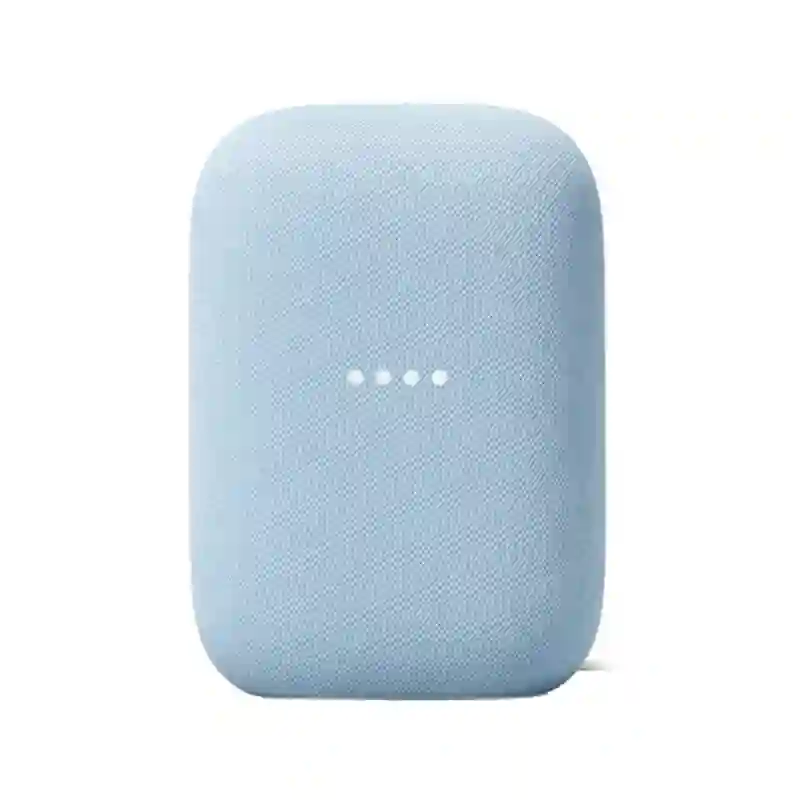
Google Nest vs Apple HomePod at a Glance
Both speakers can work well for seniors, but they suit different households. Nest Audio is the more flexible choice for Google users, while HomePod 2 is a better fit for people already using Apple devices.
| Feature | Google Nest Audio | Apple HomePod 2 |
|---|---|---|
| Voice assistant | Google Assistant | Siri |
| Weight | 1.2 kg | 2.3 kg |
| Microphones | 3 far-field mics | 4 microphones |
| Main smart-home platform | Google Home | Apple Home |
| Wi-Fi | 2.4/5 GHz | Wi-Fi |
| Bluetooth | Bluetooth 5.0 | Bluetooth 5.0 |
| Physical controls | Touch controls | Touch controls |
| Sound focus | Balanced smart speaker | Strong premium audio |
| Phone ecosystem | Android and iOS | Best with Apple devices |
| Power | Wired | Wired |
Google lists Nest Audio at 175 × 124 × 78 mm and 1.2 kg, with a 75 mm woofer, 19 mm tweeter, three far-field microphones, Bluetooth 5.0, and Google Assistant. Apple lists HomePod 2 at 168 × 142 mm and 2.3 kg, with a 4-inch woofer, five tweeters, four microphones, and Siri.
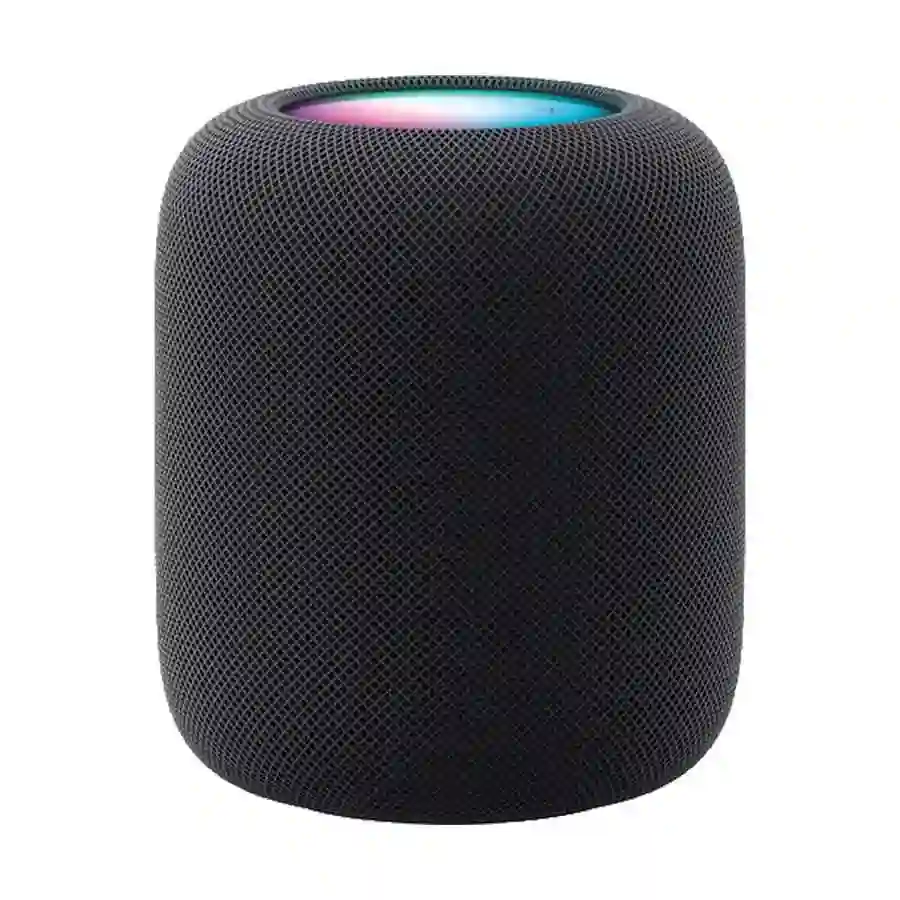
Google Nest Audio Review for Seniors
Nest Audio is appealing if the senior wants simple voice control and already uses Google services. Its three far-field microphones are designed for hands-free commands, while touch controls provide another way to adjust the speaker.
Ease of Use
Nest Audio is fairly simple to operate. A user can speak to Google Assistant rather than reaching for a phone.
That can be useful for:
- Playing music
- Asking questions
- Controlling compatible smart-home devices
- Adjusting volume
- Using voice-based routines
- Checking information
The speaker also has three touch areas, so basic controls do not have to be done entirely by voice. Google includes a hardware microphone switch as well.
Key Strengths
- Lighter than HomePod 2
- Three far-field microphones
- Google Assistant built in
- Works with Google Home
- Supports Google Cast
- Android and iOS support
- Physical touch controls
- Hardware microphone mute
Potential Drawbacks
- It is an older speaker model.
- Google Store currently marks Nest Audio as no longer available.
- It may be less attractive for a household built around Apple devices.
- Availability and pricing may depend on remaining retail stock.
Apple HomePod 2 Review for Seniors
HomePod 2 is the stronger choice when sound quality and Apple integration are high priorities. Apple designed it around Siri, Apple Home, AirPlay, and the wider Apple ecosystem.
Ease of Use
HomePod can be controlled with Siri or with touch controls on the top. Users can tap to play or pause, double-tap to skip, triple-tap to go back, and use touch controls for volume.
This gives seniors two simple ways to interact with the speaker.
Voice control can reduce the need to reach for a phone. However, setup is more dependent on having a compatible Apple device. Apple says HomePod 2 requires an iPhone or compatible iPad running the latest supported software for setup.
Key Strengths
- Excellent audio hardware
- Strong Apple ecosystem integration
- Siri voice control
- Four microphones
- Temperature and humidity sensing
- Sound Recognition for smoke and carbon monoxide alarm sounds
- AirPlay multiroom audio
- Accessibility features such as VoiceOver and Touch Accommodations
Potential Drawbacks
- Much heavier than Nest Audio
- Requires an Apple device for setup
- Less appealing for households centered on Android
- Usually makes the most sense inside an Apple-focused home
Which Is Easier for Seniors to Use?
Ease of use depends heavily on the user’s existing technology.
For an Android or mixed-device household, Nest Audio may be easier to fit into the existing setup. Google supports the Nest Audio with Android and iOS devices, and its Google Home ecosystem can control compatible smart-home products.
For an iPhone household, HomePod can feel more natural. Siri, AirPlay, Apple Home, and other Apple features work together within the same ecosystem.
The simplest smart speaker is often the one that matches the phone and smart-home system the user already understands.
HomePod 2 is also almost twice the weight of Nest Audio. That does not matter much if the speaker stays on one shelf, but it matters if a caregiver or senior needs to move it.
Ease-of-use winner: Google Nest Audio for mixed or Android households; HomePod 2 for Apple households.
Performance Comparison
The two speakers take different approaches to audio.
Nest Audio has a 75 mm woofer and 19 mm tweeter. HomePod 2 uses a 4-inch high-excursion woofer and an array of five horn-loaded tweeters. Apple also includes room sensing and computational audio for real-time tuning.
| Performance Area | Google Nest Audio | Apple HomePod 2 |
|---|---|---|
| Music | Good all-around performance | Stronger premium audio focus |
| Bass hardware | 75 mm woofer | 4-inch high-excursion woofer |
| High frequencies | 19 mm tweeter | Five tweeters |
| Room tuning | Google processing | Room sensing and computational audio |
| Multiroom | Google Cast ecosystem | AirPlay |
| Best fit | Smart-home use | Music and Apple ecosystem |
For someone who mainly wants music, HomePod 2 has the stronger hardware specification. For someone who wants a smart assistant and connected-home functions, Nest Audio remains a practical option.
Comfort, Accessibility, and Senior-Friendly Design
Neither speaker requires a user to hold or carry it during normal operation. Both can be controlled by voice, which can reduce the need for repeated phone interaction.
Nest Audio has the advantage of lower weight at 1.2 kg. HomePod 2 weighs 2.3 kg.
HomePod 2 has a particularly strong accessibility feature set. Apple lists VoiceOver, Touch Accommodations, Siri, Home app features, and Intercom transcriptions among its accessibility features.
For a senior with specific accessibility needs, those features may be more important than speaker specifications alone.
Features Comparison
The biggest difference is not the number of features. It is the ecosystem behind them.
| Feature | Google Nest Audio | Apple HomePod 2 |
|---|---|---|
| Voice assistant | Google Assistant | Siri |
| Smart-home system | Google Home | Apple Home |
| Voice Match | Yes | Apple personal requests |
| Multiroom audio | Google Cast | AirPlay |
| Microphone mute | Hardware switch | Siri/privacy controls |
| Room sensing | Not listed in Nest Audio specs | Yes |
| Temperature/humidity sensor | Not listed | Yes |
| Sound Recognition | Not listed | Smoke and CO alarm sounds |
| Accessibility | Voice-based controls | VoiceOver, Touch Accommodations, Siri |
HomePod 2 includes temperature and humidity sensing and can recognize smoke and carbon monoxide alarm sounds.
Price, Maintenance, and Long-Term Value
Price is harder to compare directly because Nest Audio is no longer available through the Google Store. Remaining retail stock may vary in price and availability.
That makes the buying decision slightly unusual.
Nest Audio can make sense if a good price is available from a reliable retailer and the buyer prefers Google services. But availability should be checked before treating it as a normal current-generation product.
HomePod 2 is the clearer long-term choice for someone committed to Apple products. Apple continues to document and support the second-generation HomePod, including setup, software updates, and service information.
| Cost Factor | Google Nest Audio | Apple HomePod 2 |
|---|---|---|
| Current availability | Limited / no longer sold directly by Google | Current Apple product |
| Replacement parts | Check retailer/service availability | Apple service options |
| Subscription | Depends on services used | Depends on services used |
| Long-term fit | Best when purchased at a good price | Strong Apple ecosystem choice |
| Value | Strong if discounted | Better for Apple households |
Who Should Choose Google Nest Audio?
Choose Nest Audio if:
- The senior uses Android phones.
- The home already uses Google Home devices.
- Voice control is more important than premium audio.
- A lighter speaker is preferred.
- Google services are already part of the daily routine.
- You find Nest Audio at a reasonable price from a reliable seller.
Its biggest advantage is ecosystem flexibility.
Who Should Choose Apple HomePod 2?
Choose HomePod 2 if:
- The senior uses an iPhone or iPad.
- The household is already invested in Apple products.
- Music quality is a major priority.
- AirPlay is useful.
- Apple Home smart-home control is preferred.
- Accessibility features such as VoiceOver or Touch Accommodations matter.
HomePod 2 is especially compelling when the speaker will remain in one place and its heavier weight is not an issue.
Google Nest vs Apple HomePod — Final Verdict
Best for most Android or mixed-device seniors: Google Nest Audio
Best for Apple users: Apple HomePod 2
Best for music-focused use: Apple HomePod 2
Best for lower weight: Google Nest Audio
Best for Apple accessibility features: Apple HomePod 2
There is no universal winner. Nest Audio is easier to justify for a Google household, while HomePod 2 is the more natural choice for an Apple household.
Scoring Summary
The scores below are editorial judgments based on the features and practical differences discussed above. They are not laboratory test results.
| Category | Google Nest Audio | Apple HomePod 2 |
|---|---|---|
| Ease of Use | 9/10 | 9/10 |
| Senior-Friendly Design | 8/10 | 9/10 |
| Audio Performance | 8/10 | 10/10 |
| Smart-Home Use | 9/10 | 9/10 |
| Accessibility | 8/10 | 9/10 |
| Long-Term Value | 7/10 | 9/10 |
The lower Nest Audio value score reflects its current availability situation rather than poor basic functionality.
How We Evaluate Products
This comparison focuses on practical factors that can affect everyday senior use.
We considered:
- Ease of operation
- Voice control
- Physical controls
- Accessibility
- Weight and handling
- Audio performance
- Smart-home compatibility
- Setup requirements
- Maintenance
- Availability
- Long-term practicality
The comparison uses current manufacturer information where available. It does not claim hands-on testing or laboratory testing. Google lists the technical specifications for Nest Audio, while Apple provides the specifications and accessibility information for HomePod 2.
Senior-Specific Buying Considerations
A few simple checks can prevent an inconvenient purchase.
Phone Compatibility
Check the senior’s phone first. An iPhone user may find HomePod more natural, while an Android user may prefer Google’s ecosystem.
Voice Control
Think about what the speaker will actually be used for. Music, questions, reminders, smart lights, and other voice tasks may have different ecosystem requirements.
Physical Handling
If the speaker will stay on a table, weight is not very important. If it needs to be moved often, Nest Audio has a clear weight advantage.
Smart-Home Compatibility
Check existing smart lights, plugs, thermostats, and other devices before buying. The speaker should fit the home’s existing system.
Accessibility
If the senior has specific accessibility needs, look at the actual accessibility tools rather than assuming one platform is automatically better.
Common Buying Mistakes
Avoid these mistakes when choosing between the two:
- Choosing the speaker without checking the user’s phone ecosystem
- Buying an older Nest Audio without checking availability
- Focusing only on audio specifications
- Ignoring smart-home compatibility
- Assuming every voice command works the same way
- Forgetting accessibility needs
Safety
Both speakers are mains-powered devices and should be placed where the power cable will not create a trip hazard.
HomePod 2 also offers Sound Recognition for smoke and carbon monoxide alarm sounds. This can be useful, but it should not be treated as a replacement for properly installed and maintained safety alarms.
Keep either speaker on a stable surface with adequate ventilation, and follow the manufacturer’s setup and electrical guidance.
Frequently Asked Questions
Is Google Nest Audio easier for seniors than HomePod?
It can be, especially for Android users or households already using Google Home. Apple users may find HomePod simpler because it fits their existing ecosystem.
Which sounds better, Nest Audio or HomePod 2?
HomePod 2 has the stronger audio hardware on paper, including a 4-inch woofer, five tweeters, room sensing, and computational audio.
Can seniors use HomePod without touching it?
Yes. Siri allows voice-based control, so many common tasks can be performed hands-free.
Is Nest Audio still available?
Google’s current Google Store page marks Nest Audio as no longer available, although Google’s support documentation still lists its specifications.
Which speaker is better for an iPhone user?
HomePod 2 is generally the more natural choice for an iPhone-centered household because of its Apple integration and setup requirements.
Which is lighter, Nest Audio or HomePod?
Nest Audio is lighter. Google lists it at 1.2 kg, while Apple lists HomePod 2 at 2.3 kg.
Conclusion
Google Nest vs Apple HomePod smart speaker for seniors is really an ecosystem decision. Nest Audio is a practical choice for Google and Android households, especially when its lower weight and Google Home features are useful.
HomePod 2 is the better fit for Apple users who want stronger audio, Apple Home integration, and a broader set of Apple accessibility features. For most buyers, choosing the speaker that matches the senior’s existing phone and smart-home setup will matter more than choosing the speaker with the longest feature list.
