
Games to Play with Senior Citizens


Reading Light for Bed

Lightweight Aluminum Walker

Smart Doorbell Camera
Games to play with senior citizens aren’t just entertaining—they support cognitive health, reduce loneliness, and strengthen relationships. Whether you’re caring for an aging parent or organizing a community event, these simple, inclusive activities bring laughter and connection. From classic board games to creative card tricks, there’s something for every interest and ability level.
Key Takeaways
- Cognitive Benefits: Many games to play with senior citizens improve memory, focus, and problem-solving skills, helping maintain mental sharpness.
- Social Connection: Group games reduce isolation and foster meaningful conversations, especially important for seniors living alone.
- Adaptability: Most games can be modified to suit physical or cognitive limitations, ensuring inclusivity for all participants.
- Joy and Engagement: Simple, low-stakes games like charades or trivia spark happiness and create lasting memories.
- Accessibility: Many games require only household items—no special equipment needed for easy setup.
- Family Bonding: Playing together strengthens intergenerational relationships and gives families shared experiences.
- Routine Enrichment: Incorporating regular game time into daily life adds structure and purpose to senior routines.
📑 Table of Contents
- Why Games Matter for Senior Citizens
- Classic Board Games That Bring Generations Together
- Card Games That Fit Every Skill Level
- Active and Outdoor Games for Energetic Seniors
- Creative and Brain-Training Games
- Group Games for Community Settings
- How to Choose the Right Game
- Conclusion: Play Is Powerful
Why Games Matter for Senior Citizens
Have you ever watched someone lose themselves in a good game of cards or light up at the sound of a familiar tune from their youth? That moment captures more than just fun—it shows how powerful games can be for older adults. Games to play with senior citizens do far more than pass the time. They support brain health, encourage social interaction, and bring genuine joy. In a world where many seniors face isolation or declining mobility, these simple activities become lifelines to connection and meaning.
The benefits go beyond entertainment. Research shows that mentally stimulating games help build cognitive reserve, which may delay the onset of dementia and other age-related decline. Social games, on the other hand, lower stress, improve mood, and even reduce the risk of depression. Whether it’s a weekly bridge night with neighbors or a family game marathon on Sunday afternoon, games create shared moments that matter.
And here’s the best part: you don’t need expensive equipment or complex rules. With creativity and a little preparation, almost any game can be adapted to suit different abilities and interests. The goal isn’t perfection—it’s presence, participation, and pleasure.
Classic Board Games That Bring Generations Together
Visual guide about Games to Play with Senior Citizens
Image source: pic1.zhimg.com
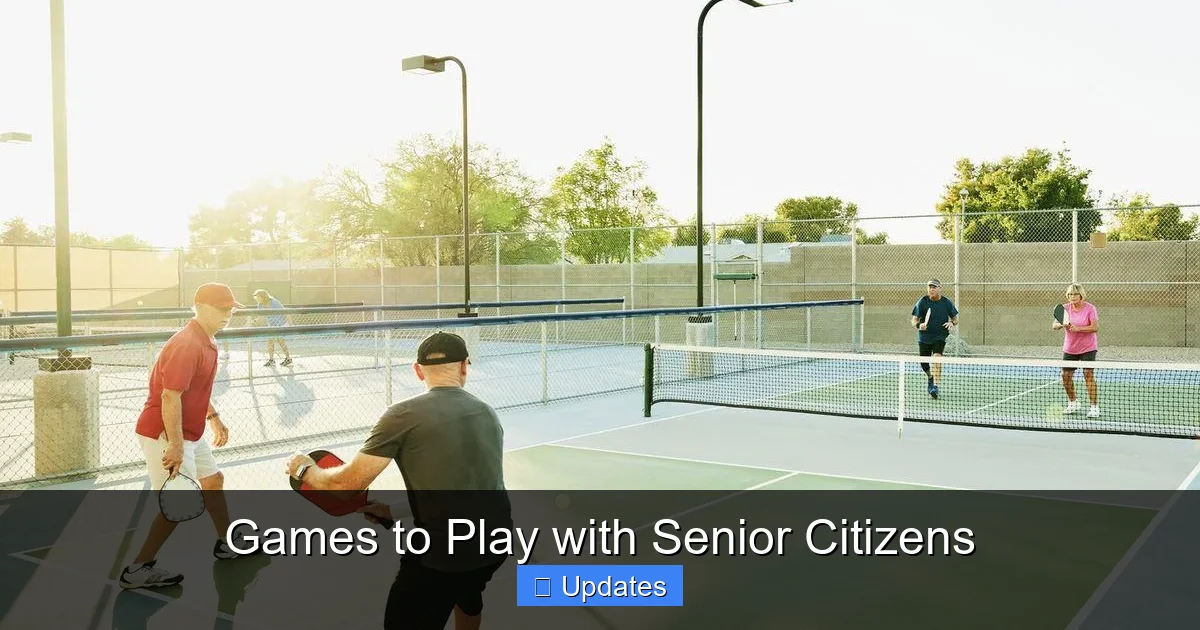
When it comes to timeless fun, few things beat a well-loved board game. These classics have stood the test of time for a reason: they’re easy to learn, require minimal setup, and spark friendly competition or cooperation. Plus, many of them encourage conversation and strategy, making them ideal games to play with senior citizens in group settings.
Scrabble: A Word Lover’s Delight
If your loved one enjoys language or puzzles, Scrabble is a fantastic choice. Players take turns forming words on a grid using letter tiles, scoring points based on word length and letter values. For seniors who may struggle with fast-paced gameplay, consider setting a relaxed timer or allowing dictionary use. You might even turn it into a team activity, pairing younger family members with older ones to build collaboration.
To make it more engaging, try themed rounds—like naming words related to nature or family—or award bonus points for creative spellings. This not only keeps things fresh but also celebrates each player’s unique voice.
Checkers and Chess: Mind Over Moves
These two games are staples for a reason. Checkers is simpler and moves faster, while chess offers deeper strategy. Both require planning, foresight, and patience—skills that keep the mind active. For seniors with mild arthritis or limited dexterity, larger-piece versions or digital adaptations can be helpful.
Playing regularly with the same person builds rapport and routine. You might schedule a weekly “chess club” at the local library or senior center. Even if someone loses, the real win is the conversation that follows—about past games, childhood memories, or favorite movies.
Monopoly: The Game of Real Estate Dreams
Monopoly brings out the inner entrepreneur in everyone. Players buy properties, collect rent, and try to bankrupt their opponents. While the full version can take hours, shorter versions or simplified house rules make it accessible. Focus on fun over finance—let players name their streets after pets or favorite foods!
For groups with mixed energy levels, consider rotating roles. One person manages money, another draws cards, and a third narrates events. This keeps everyone involved without overwhelming anyone.
Card Games That Fit Every Skill Level
Cards are portable, inexpensive, and endlessly versatile. Whether played solo or in teams, card games offer instant engagement and adaptability. Here are some top picks as games to play with senior citizens:
Go Fish and Crazy Eights
These beginner-friendly games are perfect for first-time players or those with limited mobility. Go Fish involves asking others for specific cards to complete sets, while Crazy Eights lets players discard eights to change the suit. Both are quick, interactive, and great for sparking conversation.
To keep things lively, introduce silly rules—like only saying “fish” in a pirate accent during Go Fish, or drawing a penalty card if you forget the rule. Laughter is always welcome.
Hearts and Spades
These trick-taking games require attention but aren’t overly complex. Hearts focuses on avoiding high-point cards, while Spades uses bidding to predict how many tricks you’ll win. Both work well in pairs or small groups.
For seniors with hearing challenges, use visual cues or written scorecards. And don’t worry about strict scoring—just enjoy the rhythm of play and the chance to chat between hands.
Rummy and Canasta
More advanced but still rewarding, Rummy and Canasta involve melding sets of cards. They’re excellent for building concentration and pattern recognition. Beginners can start with simpler versions or watch a few rounds before jumping in.
Pair these with tea or coffee breaks to stretch legs and share stories. The pause between hands gives everyone a breather and deepens connections.
Active and Outdoor Games for Energetic Seniors
Visual guide about Games to Play with Senior Citizens
Image source: x0.ifengimg.com
Not all games to play with senior citizens need to be sedentary. Light physical activity improves circulation, balance, and mood. Outdoor games are especially beneficial—fresh air and sunshine add extra value.
Red Light, Green Light
A classic playground favorite, this game teaches listening and self-control. One player acts as the traffic light; others walk toward them when it’s green and freeze when it turns red. If caught moving, they go back to the start.
Modify it by having seniors sit on benches instead of walking, or use verbal cues like “stop” and “go” instead of colors. It’s inclusive, simple, and always ends with smiles.
Musical Chairs
This energetic game promotes coordination and laughter. Arrange chairs in a circle (one fewer than players), play music, and have everyone walk around while it plays. When the music stops, scramble to find a seat.
For safety, use sturdy chairs and clear the floor of obstacles. You can also slow the music or let players choose whether to sit or stand. The focus is on participation, not speed.
Giant Jenga
Using oversized wooden blocks, players take turns stacking and removing pieces without toppling the tower. It builds fine motor control and patience. Unlike the small version, giant Jenga allows standing or seated play and reduces frustration from accidental collapses.
Add a storytelling twist: each block removal must be followed by a short sentence about a memory or dream. This blends physical play with emotional sharing.
Creative and Brain-Training Games
Mental agility thrives when challenged gently and consistently. These games sharpen memory, vocabulary, and reasoning—all while feeling like play, not work.
Trivia Quizzes
Tailor questions to personal histories—birthdays, hometowns, favorite songs—for maximum engagement. Use picture prompts or audio clips to vary formats. Keep rounds short (5–10 minutes) and reward effort, not just accuracy.
You can create custom quizzes online or print them from free resources. Invite grandchildren to join in—they often know surprising facts about grandparents!
Memory Matching Games
Flip-card games like Concentration test recall under pressure. Place pairs of cards face-down and have players flip two at a time trying to match them. Themed decks (animals, landmarks, family photos) make it more personal.
For those with visual impairments, use large-print cards or tactile markers. Digital versions with voice prompts are also available.
Puzzles and Crosswords
Sudoku, crossword puzzles, and jigsaw puzzles engage different parts of the brain. Start with easier grids or larger puzzle pieces. Celebrate completion with a small treat or photo of the finished product.
Many libraries offer free puzzle books or host weekly challenge days. Consider making it a family tradition—work on a puzzle together over weekend mornings.
Group Games for Community Settings
When multiple seniors gather—at centers, churches, or care facilities—group games shine brightest. They encourage mingling, reduce shyness, and create collective energy.
Bingo
A beloved staple, Bingo brings instant excitement. Use large-number boards and callers who announce numbers slowly. Offer small prizes like candy or trinkets to boost motivation.
For accessibility, provide magnifying glasses or high-contrast cards. You can also play “bingo bingo” (marking letters) for simpler gameplay.
Charades and Pictionary
These acting and drawing games rely on imagination and humor. Write down phrases on slips—some silly, some nostalgic (“dancing in the rain,” “first day of school”). Teams guess while others act or draw.
Keep rounds brief and rotate roles so everyone gets a turn. Laughter is guaranteed, and the shared experience creates bonds.
Two Truths and a Lie
Each person shares three statements about themselves—two true, one false. Others guess which is the lie. It’s lighthearted, revealing, and sparks curiosity.
Encourage honesty and celebrate quirks. This game works especially well for icebreakers at new gatherings.
How to Choose the Right Game
Picking the perfect game starts with understanding your audience. Consider physical abilities, cognitive function, hearing/vision, and personal interests. Don’t assume—ask! A quiet retiree may love gentle word games, while an active widower might prefer outdoor challenges.
Start simple. Introduce one game per session and let feedback guide next steps. Rotate options weekly to keep things fresh. And remember: the best game is the one everyone wants to play again.
Safety matters too. Ensure good lighting, clear pathways, and seating options. Hydration stations nearby help prevent fatigue. Most importantly, keep the tone positive—celebrate effort, not victory.
Conclusion: Play Is Powerful
Games to play with senior citizens are more than recreation—they’re tools for dignity, connection, and joy. In a society that sometimes overlooks older adults, these moments affirm their worth and spark happiness. Whether it’s a weekly Scrabble night, a backyard game of tag, or a collaborative puzzle, play nurtures the spirit.
As caregivers, family members, or friends, our role isn’t to fix or entertain—it’s to show up, participate, and savor the now. The memories created around a table full of laughter will outlast any prize or score.
So roll the dice, shuffle the deck, or simply sit down and chat. Because when we play together, we heal together.
Frequently Asked Questions
What types of games are best for seniors with limited mobility?
Sit-down or tabletop games like Scrabble, card games such as Go Fish, or puzzle-based activities like matching games work well. These require minimal movement but still engage the mind and allow social interaction. Always ensure seating is comfortable and surfaces are stable for safety.
Can games help prevent cognitive decline in older adults?
Yes. Regularly playing mentally stimulating games has been shown to build cognitive reserve, which may delay symptoms of dementia and improve memory, attention, and problem-solving skills. Activities like chess, trivia, or word games are particularly effective.
How often should seniors play games for maximum benefit?
Aim for at least 2–3 sessions per week, ideally 30–60 minutes each. Consistency matters more than duration. Short, frequent play supports retention and enjoyment better than rare, long sessions.
Are electronic or app-based games suitable for seniors?
Simple apps with large text and intuitive controls can be helpful, especially for those with vision or dexterity challenges. However, prioritize human interaction—apps should supplement, not replace, face-to-face play.
How can I modify games for seniors with hearing loss?
Use visual cues like hand signals or written scorecards. Speak clearly and directly, facing the speaker. Consider using amplifiers or captioning tools for digital games. Keep noise levels moderate to avoid confusion.
Where can I find free or low-cost game materials for seniors?
Libraries often loan board games and host game nights. Community centers, senior hubs, and retirement communities may offer free access. DIY options include creating custom trivia with family photos or printing bingo cards online at no cost.