
Foam Mattress vs Hospital Mattress for Seniors


Handheld Shower Head

Reacher Grabber Tool

Reading Light for Bed
Choosing between a foam mattress vs hospital mattress is a big step for aging in place. Many older adults and their families face this choice when health needs change. A standard foam bed feels like home. But a hospital bed offers strict clinical support.
Sleep needs change as we get older. A good bed must ease joint pain and keep the user safe. It must also help caregivers do their jobs well without back strain. You want a bed that makes daily life easier for everyone in the home.
This guide breaks down both options in simple terms. We look at daily comfort, safety, and caregiver needs. You will learn which bed helps you or your loved one rest safely and sleep best.
For most healthy seniors, a quality foam mattress is the better choice. It offers deep comfort and great pressure relief. It feels cozy and looks normal in a standard bedroom setting. Mobile seniors love how it hugs the joints.
However, a hospital mattress is the clear winner for seniors with low mobility. It is also best for those who need daily in-bed care. The medical cover and firm edges make caregiving much easier and safer. Do not force a winner if the user has strict medical needs; the medical bed always wins for home health safety.
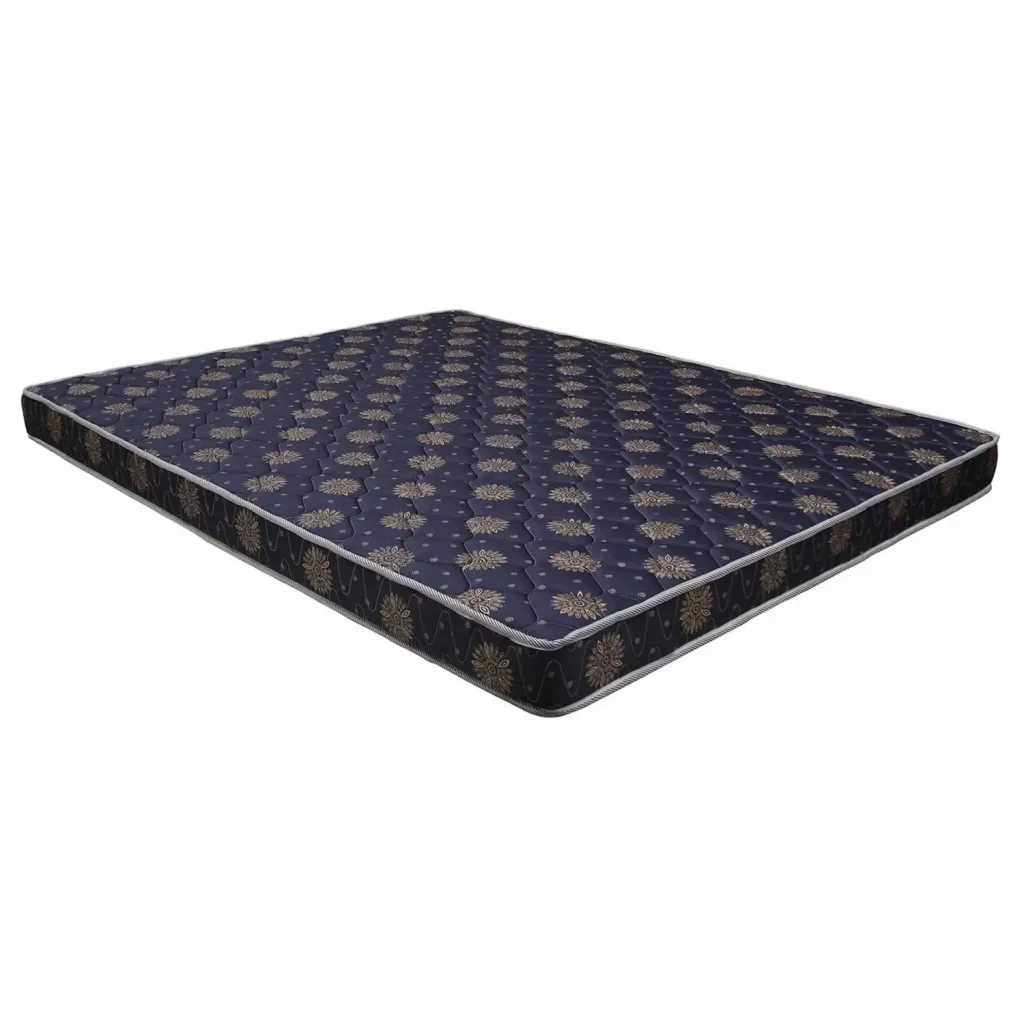
Foam Mattress vs Hospital Mattress At A Glance
Here is a quick look at how these two beds compare. This table covers the main differences in daily use.
| Feature | Foam Mattress | Hospital Mattress |
| Best For | Active seniors | Low mobility |
| Edge Support | Often weak | Very firm |
| Cleaning | Hard to wash | Wipes clean fast |
Foam Mattress: Comfort and Support
Foam mattresses are very popular for standard home use. They use thick layers of soft material to ease joint pain.
Ease of Use
Foam beds need very little work once you set them up. You just make the bed as usual with standard sheets. They are very easy to sleep on if you can move well. But they can be hard to get out of since they lack a firm edge.
Key Strengths
Here are the top reasons to pick a foam bed. They focus mostly on pure rest and joint health.
- Hugs the body to stop joint pain fast.
- Looks great in a normal home bedroom.
- Fits perfectly on standard home bed frames.
- Does not make loud squeaks when you move.
- Keeps partners from waking each other up at night.
Potential Drawbacks
Foam beds have some flaws for older adults. You should know these limits before you buy one.
- Edges can sink fast when you sit on them.
- Very hard to clean if a bad spill happens.
- Can trap body heat and make you sweat.
- Makes rolling over hard for weak users.
- Lacks the firm support needed to stand up easily.
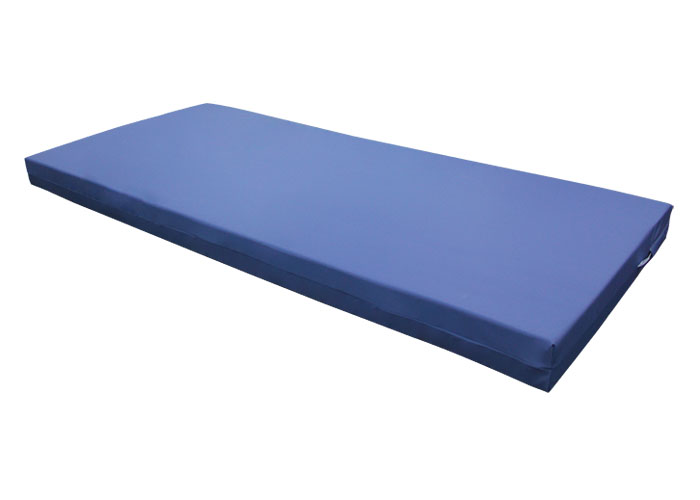
Hospital Mattress: Care and Safety
Hospital mattresses are built strictly for health and daily care needs. They sit on adjustable frames to help users sit up or raise their feet.
Ease of Use
These beds are meant for heavy daily care. They bend easily with mechanical frames to lift the head or feet. Caregivers can wipe them clean in seconds. This saves hours of hard work and endless laundry.
Key Strengths
Medical beds excel at keeping people safe at home. They are powerful tools for health and caregiving.
- Firm edges help users stand up safely.
- Tough vinyl covers stop spills from soaking in.
- Bends easily on adjustable medical bed frames.
- Firm surface helps caregivers slide or turn users.
- Helps stop bedsores for very weak patients.
Potential Drawbacks
Medical beds are not perfect for everyone. They have a strict clinical feel that some people dislike.
- Can feel too stiff or hard for active users.
- Looks like a hospital room, not a cozy home.
- Needs special stretch sheets to fit right.
- Can be costly if you buy the whole mechanical frame.
- May make noise when the frame moves up or down.
Which Is Easier for Seniors to Use?
Daily use matters deeply for older adults. You must think about getting in and out of bed safely every single day. The wrong bed can make mornings a real struggle.
Foam beds are great if you can move well. They let you rest in deep comfort all night. However, they lack firm edges. This makes standing up hard for some seniors. You might sink in when you try to push up with your hands.
Hospital beds have firm edges built into the sides. They pair well with side rails on the frame. This helps seniors grab on and stand up with much less effort. The firm surface also makes it easy to roll over in the middle of the night without getting stuck.
Performance Comparison
Both beds must support the body well. Here is how they handle the job of daily rest and care. Performance means different things depending on your health.
Foam beds excel at reducing pressure points. They hug the hips and shoulders perfectly. This gives a deep, restful sleep for mobile adults. But they can trap heat. This might make sleep poor for those who sleep hot.
Hospital beds focus on pure medical function. They bend well on adjustable frames without breaking down. They also block fluids from soaking into the core padding. They may not feel as plush, but they perform perfectly for strict health needs.
Comfort, Accessibility, and Senior-Friendly Design
A bed must feel good and keep the user safe at the same time. Design choices make a huge impact on daily life and mood.
“A good bed does more than provide sleep. It keeps you safe when you try to stand up or roll over.”
Foam options feel much softer to the touch. They feel like a true home bed. This helps seniors feel normal, calm, and happy.
Medical beds feel stiff by design. But the firm surface helps caregivers slide or turn the user easily. This stops caregiver back strain. The easy-clean cover is a huge design win for dealing with daily messes or health leaks.
Features Comparison
Let us compare the specific traits of both options. This table highlights what you actually get when you buy one.
| Feature | Foam Mattress | Hospital Mattress |
| Cover Type | Soft cloth blend | Tough medical vinyl |
| Edge Support | Soft to medium sink | Firm foam side rails |
| Flexibility | Fair on most frames | High on medical frames |
Price, Maintenance, and Long-Term Value
Cost and upkeep are big factors for families. You want a bed that lasts without too much daily work. Upkeep can drain a caregiver if the bed is wrong.
Foam beds vary wildly in price. You can buy them almost anywhere. But they are hard to clean if accidents happen. You might have to throw the bed away if it gets stained badly. This makes them a poor value for seniors with bladder issues.
Medical beds cost more up front, especially with the frame. However, the vinyl cover wipes clean in seconds. This saves caregivers hours of laundry and stress. They offer true long-term value for heavy home care.
Here is a quick look at how the costs and upkeep compare over time.
| Value Factor | Foam Mattress | Hospital Mattress |
| Base Price | Varies widely | Often much higher |
| Cleaning Time | High if badly stained | Very fast to wipe down |
| Life Span | Five to eight years | Five to ten years |
Who Should Choose a Foam Mattress?
A foam bed is perfect for active, healthy living. Look for these signs that it fits your needs well.
- Choose a foam bed if you want soft, deep comfort.
- Choose a foam bed if you can get out of bed with no help.
- Choose a foam bed if you want your room to look like a normal home.
- Choose a foam bed if joint pain is your only main health issue.
- Choose a foam bed if you share the bed with a partner.
- Choose a foam bed if you sleep on your side and need soft shoulder support.
Who Should Choose a Hospital Mattress?
A medical bed is best when care needs rise fast. It handles illness and low mobility safely.
- Choose a medical bed if you need help rolling over at night.
- Choose a medical bed if you eat most of your meals in bed.
- Choose a medical bed if bed wetting or spills are a daily risk.
- Choose a medical bed if you use a mechanical lift to get out of bed.
- Choose a medical bed if your caregiver has bad back pain.
- Choose a medical bed if a doctor says you need strict head elevation.
Foam Mattress vs Hospital Mattress Final Verdict
The right choice depends entirely on mobility and care needs. Both beds serve very different types of seniors.
Best for most active seniors: Foam Mattress.
Best for low mobility and care: Hospital Mattress.
Best for easy cleaning: Hospital Mattress.
Best for soft home comfort: Foam Mattress.
If both products seem good, think about the future. Health needs can change fast as we age. A medical bed might be a safer long-term choice if mobility is already dropping.
Comparison Scoring Summary
We rate both options on key senior needs. This quick score helps you see the daily trade-offs clearly.
| Category | Foam Mattress | Hospital Mattress |
| Ease of Use | 8/10 | 9/10 |
| Senior Design | 7/10 | 9/10 |
| Soft Comfort | 9/10 | 5/10 |
How We Evaluate Products
We look at what really matters to older adults. Real daily use drives our reviews. We focus on practical aging in place, not just fancy marketing words.
We check safety, edge support, and ease of cleaning first. We also look at how caregivers interact with the bed. Comfort is key, but safety always comes first when dealing with low mobility and home care.
Senior-Specific Buying Considerations
Keep these core factors in mind before you buy. They will guide you to a safe and smart choice.
Physical Effort
Will the bed make it hard to stand up? A soft edge can cause slips and falls. You need a firm edge to push off from safely.
Maintenance Needs
Does the user face daily bladder issues? A cloth cover will soak up spills fast and ruin the foam. A vinyl cover saves time and keeps the room clean.
Safety Rules
Are there any major fall risks? Medical beds pair easily with strong side rails. Standard foam beds do not work well with medical rails.
Caregiver Strain
Can the caregiver reach the user without pain? Medical beds raise up so the caregiver does not have to bend over. This stops back injuries for the helper.
Common Buying Mistakes
Avoid these traps when shopping for a senior bed. A wrong choice can cause bad falls or daily stress.
- Choosing based only on a cheap price tag.
- Ignoring how hard it is to clean a standard cloth cover.
- Buying a bed that is too tall or too thick for short legs.
- Forgetting that weak legs need a very firm edge to stand up safely.
- Overlooking the physical stress on the caregiver’s back and arms.
- Not checking if health insurance will pay for a prescribed medical bed.
Safety Considerations
Bed safety is vital for older adults. Falls and skin issues are real risks that you must plan for. You cannot ignore bed safety as mobility drops.
Foam beds can sag deeply at the edges. This makes slipping to the floor much more likely. If you use a foam bed, make sure the frame is not too high. Your feet should touch the floor flatly when you sit on the edge.
Medical beds use strong rails and firm edges to stop falls. They also help stop bad bedsores if you choose a special air-flow model. Always talk to a doctor if skin health is a worry. A healthcare professional can help you choose the safest option for your exact medical needs.
Conclusion
Picking a bed changes how a senior lives each day. It deeply affects sleep quality, daily mood, and overall health. The foam mattress vs hospital mattress choice comes down to strict care needs versus simple comfort.
A standard foam bed is great for active seniors who want soft comfort. It keeps the bedroom feeling like a real home. A medical bed is a strict tool for daily care. It keeps users safe and gives family caregivers total peace of mind. Choose the option that matches the daily reality of your home.
