
Family Caregiver Long Distance Planning Made Easy

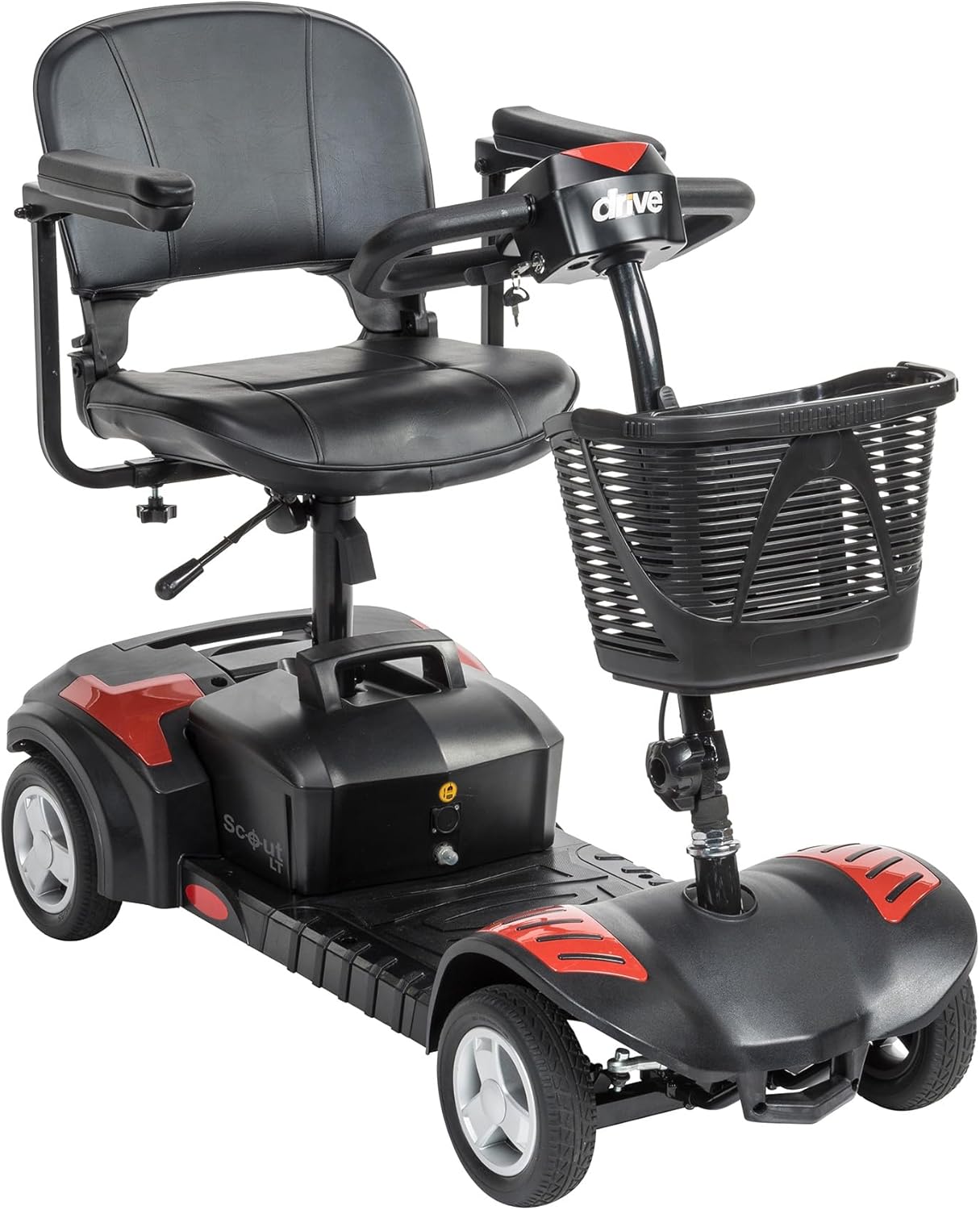
Electric Mobility Scooter

Lightweight Vacuum Cleaner

Folding Walking Stick with Seat
Family caregiver long distance planning means setting up a clear system for care, communication, and backup support when you live far away from an older loved one. Start with a needs assessment, then organize daily routines, paperwork, local help, and costs before a crisis happens.
Family caregiver long distance planning can feel overwhelming at first, especially when you want to help a parent, spouse, or relative who lives hours or states away. The good news is that a clear plan can reduce stress, improve safety, and help everyone know what to do before a problem turns into a crisis.
This guide from the SeniorsProTalk Editorial Team walks through the most practical steps: assessing needs, building routines, arranging local support, organizing paperwork, and protecting your own energy along the way. If you are starting from scratch, it may help to also use a senior caregiver daily checklist template to keep tasks organized.
- Start with needs: Check daily living, safety, mobility, and medical support first.
- Keep it simple: Use one communication system and clear weekly routines.
- Use local help: Family, neighbors, and paid caregivers can fill distance gaps.
- Handle paperwork early: Permissions and documents prevent delays in emergencies.
- Protect yourself: Share tasks and set boundaries to avoid caregiver burnout.
What Family Caregiver Long Distance Planning Means in 2026
In 2026, family caregiver long distance planning means setting up a system that lets you support an older loved one even when you cannot be there in person every day. It is part communication plan, part safety plan, and part backup system for the unexpected.
This kind of planning is especially useful when travel is limited, work keeps you away, or the older adult lives in another city or state. The goal is not to control every detail. It is to make sure important needs are covered and that someone local can step in when needed.
Why this planning matters for adult children, spouses, and relatives living away
Distance can make small issues harder to see. A missed meal, a late prescription refill, or a slow change in memory may not be obvious during short phone calls. Planning ahead helps you catch problems earlier and respond with less panic.
It also lowers the chance that one person carries the whole burden. When everyone knows their role, caregiving becomes more manageable and less emotionally draining.
Common long-distance caregiving situations: aging parents, post-hospital recovery, dementia support
Many families begin long-distance caregiving after a parent starts needing help with meals, rides, or medication reminders. Others step in after a hospital stay, surgery, or fall, when recovery requires closer monitoring.
Dementia support is another common situation. Memory loss can make it hard for an older adult to follow routines, pay bills, or stay safe alone. In these cases, talk to your doctor or healthcare provider about what level of help is appropriate, because needs can change quickly.
Start with a Realistic Care Needs Assessment
Before you build a plan, you need a clear picture of what kind of help is actually needed. Many families guess based on a single phone call, but a better approach is to look at daily living, medical needs, mobility, and home safety together.
- Can your loved one bathe, dress, and eat independently?
- Are medications being taken correctly?
- Is the home safe for walking, bathing, and nighttime trips?
- Are bills, mail, and appointments being managed?
How to identify daily living, medical, mobility, and safety needs from afar
Ask direct but respectful questions. For example: “Do you need help getting groceries?” “Have you missed any medications?” “Have you had trouble getting up from a chair or using the bathroom at night?”
If possible, ask a local relative, neighbor, or paid helper to observe the home. A second set of eyes can reveal clutter, poor lighting, expired food, or other risks that are easy to miss on the phone.
Practical example: building a weekly care checklist for a parent in another state
Imagine a parent who still lives alone but has arthritis, takes several prescriptions, and no longer drives at night. A weekly checklist might include a medication review, grocery delivery, a ride to one appointment, a quick home safety check, and a Sunday family call.
That list does not need to be fancy. It just needs to be realistic, repeatable, and easy for everyone involved to follow.
Common mistake: assuming “independent” means “needs no support”
Many older adults are truly independent in some areas but still need help with others. Someone may cook simple meals but forget to refill medicine. Another person may handle finances well but struggle with stairs or falls.
Assuming “independent” means “no support needed” can delay help until a crisis. It is better to plan early than to wait for an emergency room visit or a sudden hospitalization.
Build a Long-Distance Care Plan That Works Day to Day
A good long-distance care plan should be simple enough to use every day. If the plan is too complicated, people stop following it. Keep the routine clear, written down, and easy to update.
Setting up routines for medications, meals, transportation, and home safety
Start with the most important daily tasks. Medication reminders, regular meals, safe transportation, and basic home safety are often the first areas where support makes a difference.
Use pill organizers only if they are appropriate for the person’s prescriptions. Some medicines should not be split or mixed without guidance, so consult your pharmacist or healthcare provider before changing how medications are managed.
A simple written routine on the refrigerator or near the phone can be more useful than a complicated app if your loved one prefers paper reminders.
Choosing the right communication system: phone calls, shared calendars, care apps, and check-ins
Choose one main system for updates so important information does not get lost. Some families use phone calls plus a shared calendar. Others prefer a care app, a group text, or a notebook kept in the home.
The best system is the one that everyone can actually use. If your loved one is not comfortable with technology, keep the process simple and add digital tools only where they truly help.
Assigning local backup contacts for emergencies and errands
Every long-distance plan should include at least one local backup contact. That person might be a neighbor, friend, nearby relative, faith community member, or paid caregiver who can check in quickly.
Local help is useful for urgent needs like a lockout, a missed delivery, a minor fall, or a ride to urgent care. Make sure those contacts know when to call 911, when to call family, and when to call the doctor.
Backup contacts should have the right phone numbers, gate codes if needed, and basic instructions for home access, but only share private information with people you trust.
Coordinate Local Support and Professional Help
Long-distance caregiving usually works best when family support and local services are combined. Family can provide oversight, emotional support, and decision-making. Local helpers can handle the hands-on tasks that distance makes difficult.
When to use family, neighbors, paid caregivers, or home care agencies
Family members are often the first line of support, especially for phone check-ins, organizing records, and planning visits. Neighbors or friends can help with small, time-sensitive tasks when trust is strong.
Paid caregivers and home care agencies may be the better choice when hands-on help is needed with bathing, dressing, meal prep, medication reminders, or transportation. If you are unsure what level of help is appropriate, talk to your doctor or healthcare provider for guidance based on the person’s health and mobility.
Comparing care options: in-home help, adult day programs, assisted living support, and remote monitoring
In-home help can support someone who wants to stay at home but needs regular assistance. Adult day programs may help people who need supervision and social activity during the day while family works or lives far away.
Assisted living may be worth considering when daily support is becoming too much for family alone. Remote monitoring tools, such as motion alerts or medication reminders, can also help, but they do not replace human care when direct help is needed.
| Option | Best For | Note |
|---|---|---|
| In-home help | Daily support while staying at home | Coverage and services vary by location and plan |
| Adult day program | Daytime supervision and social time | May reduce isolation and give family a break |
| Assisted living support | More regular hands-on help | Good to compare services carefully before choosing |
| Remote monitoring | Extra oversight from a distance | Helpful, but not a substitute for direct care |
Expert warning: signs the situation is becoming unsafe without hands-on help
Warning signs include repeated falls, confusion about medications, spoiled food in the kitchen, unpaid bills, poor hygiene, wandering, or frequent missed appointments. A sudden change in behavior or memory should also be taken seriously.
If your loved one is falling often, seems confused, is not eating, or is unable to manage basic tasks safely, do not wait. Contact a healthcare provider promptly and consider urgent local help.
Handle Legal, Medical, and Financial Planning Early
Paperwork is not the most pleasant part of caregiving, but it is one of the most important. Without the right documents, it can be hard to speak with doctors, manage money, or make decisions in an emergency.
Essential documents: power of attorney, advance directives, HIPAA releases, and emergency contacts
A power of attorney can allow someone to handle financial or legal matters, depending on how it is written and what state laws apply. Advance directives explain medical wishes, while a HIPAA release may allow healthcare teams to share information with approved family members.
These documents vary by state and situation, so it is wise to consult a lawyer, healthcare provider, or care coordinator for help understanding what is needed. Do not assume one form covers everything.
Managing bills, insurance, prescriptions, and appointment records from a distance
Set up a simple system for bills, insurance statements, prescription refills, and appointment summaries. A shared folder, binder, or secure digital file can keep everything in one place.
It also helps to keep a list of current doctors, pharmacies, medication allergies, and insurance contacts. If your loved one uses Medicare or another insurance plan, coverage rules and out-of-pocket costs can vary, so review benefit details carefully before arranging services.
Common mistake: waiting until a crisis to get permissions and paperwork in place
Families often wait until a hospital stay, fall, or sudden confusion before gathering documents. By then, it may be too late to avoid delays or confusion.
Getting permissions early makes it much easier to speak with providers, coordinate care, and make calm decisions when time matters.
Budget for Long-Distance Caregiving Costs
Long-distance caregiving has real costs, even when family members do much of the work themselves. Planning for those expenses early can prevent financial strain and reduce last-minute decisions.
Typical expenses: travel, respite care, home modifications, paid support, and technology tools
Common expenses may include flights or gas for visits, short-term respite care, paid local help, safety upgrades like grab bars or better lighting, and communication tools that help family stay connected.
Some services may be covered partly by insurance, while others may not be covered at all. Medicare coverage for home care, equipment, or monitoring-related services can vary, so check with the plan and the provider before assuming something will be paid for.
Cost comparison: informal family support vs. professional caregiving services
Informal family support may seem less expensive, but it can still carry hidden costs such as time away from work, travel, stress, and missed rest. Professional caregiving services cost more directly, but they can provide consistency and peace of mind.
There is no one right answer for every family. The best choice often blends both: family oversight plus targeted paid help where it matters most.
How to reduce costs without sacrificing safety and consistency
Look for ways to simplify. Combine errands, use automatic bill payments when appropriate, and focus paid help on the tasks that are hardest to manage from a distance.
Also ask about community resources, local senior centers, and family resource programs. For example, some families find it helpful to explore a senior family resource center when they need guidance, referrals, or local support options.
Avoid Burnout and Stay Effective as a Remote Caregiver
Distance does not protect you from caregiver stress. In some ways, remote caregiving can be harder because you may feel responsible but unable to act quickly when something changes.
Setting boundaries, sharing responsibilities, and preventing caregiver overload
Set realistic limits on what you can do. You may not be able to handle every task, but you can organize the system, schedule check-ins, and coordinate help.
Share responsibilities when possible. One sibling can handle finances, another can manage appointments, and a local contact can handle urgent errands. That division of labor prevents one person from becoming overwhelmed.
- Less stress for the main caregiver
- Fewer missed tasks and appointments
- Better follow-through during busy weeks
How to keep everyone aligned during family disagreements
Family disagreements are common, especially when relatives have different views about safety, money, or living arrangements. Try to focus on facts, not blame.
Use the care plan, doctor recommendations, and documented needs as your guide. If conflict continues, a geriatric care manager, social worker, or elder law professional may help the family move forward more calmly.
Practical example: a monthly family care meeting agenda for long-distance siblings
A monthly meeting can keep everyone on the same page. Start with a quick update on health changes, then review medications, appointments, home safety, finances, and any new concerns.
Share any new symptoms, falls, confusion, or doctor visits.
Confirm who is handling calls, bills, rides, and local errands.
List the top three things to do before the next meeting.
Keep the meeting short and practical. A simple agenda makes it easier for busy siblings to stay involved without feeling drained.
Final Recap: The Smartest Next Steps for Long-Distance Family Caregivers
Family caregiver long distance planning works best when you move step by step: assess needs, build daily routines, arrange local help, organize legal and medical paperwork, and review the budget. The earlier you start, the easier it is to prevent confusion and keep your loved one safer.
If the situation is changing quickly, if falls or memory problems are increasing, or if you are unsure what level of help is needed, seek professional guidance. Talk to your doctor, consult your pharmacist or healthcare provider, and ask for local care resources before the next crisis arrives.
Frequently Asked Questions
It is the process of organizing care, communication, and backup support for an older loved one who lives far away. The goal is to keep daily needs covered and respond quickly if something changes.
Include medication routines, meal support, transportation, home safety, emergency contacts, and a clear communication system. It also helps to list who handles bills, appointments, and local errands.
Watch for falls, missed medications, spoiled food, unpaid bills, confusion, or trouble with bathing and dressing. If safety is becoming an issue, contact a healthcare provider and arrange local help.
Common documents include power of attorney, advance directives, HIPAA releases, and emergency contacts. Rules vary by state, so it is wise to review them with a lawyer or healthcare professional.
Families often combine personal savings, family contributions, community resources, and paid services as needed. Insurance and Medicare coverage can vary, so check benefits before assuming a service will be covered.
Set boundaries, share tasks with siblings or local helpers, and keep a simple monthly check-in schedule. If stress is becoming too heavy, ask for professional guidance or respite support.