
Quincy Senior & Family Resource Center


Electric Mobility Scooter

Bathtub Grab Bar

Hearing Aid Cleaning Kit
The Quincy Senior & Family Resource Center serves as a vital hub in Massachusetts, offering tailored resources for older adults and their families. From health screenings to caregiver support, it connects residents with essential services that promote independence, dignity, and quality of life. Whether you’re seeking meal programs, transportation, or counseling, this center is your go-to partner on the journey through aging and family care.
Welcome to the heart of support, connection, and empowerment in Quincy—the Quincy Senior & Family Resource Center. Nestled in a vibrant neighborhood just outside Boston, this nonprofit organization has become a cornerstone for older adults navigating life’s later chapters and their loved ones seeking guidance and care. More than just a building, it’s a community space where individuals come together to access vital services, build friendships, and rediscover joy after decades of service and contribution to society.
In a time when many seniors face isolation, declining mobility, or complex health needs, having a trusted resource nearby can make all the difference. The Quincy Senior & Family Resource Center understands these challenges intimately. Its mission is not only to meet immediate needs but also to foster long-term well-being through education, advocacy, and compassionate support. Whether someone is managing chronic illness, searching for affordable housing, or simply looking for a place to belong, this center stands ready to help.
What sets the Quincy Senior & Family Resource Center apart from other senior centers is its holistic approach. While many facilities focus narrowly on recreation or meals, this one integrates medical support, legal aid, financial counseling, and emotional wellness into one accessible location. It’s a model that reflects the growing understanding that aging should be accompanied by dignity, choice, and connection—not decline or dependency.
Key Takeaways
- Comprehensive Support Services: The center provides a wide range of programs including health education, nutrition assistance, and social activities tailored specifically for older adults.
- Family-Centered Approach: Beyond serving seniors, the center extends support to caregivers and families through counseling, workshops, and respite resources.
- Accessible Location: Located in central Quincy, MA, the facility is easily reachable via public transit and offers free parking for convenience.
- Community Partnerships: Collaborations with local hospitals, nonprofits, and government agencies ensure seamless referrals and integrated care.
- Ongoing Updates & Events: Regularly updated calendars feature new programs, seasonal events, and educational seminars open to all ages.
- Free or Low-Cost Services: Most offerings are provided at minimal or no cost, thanks to state and federal funding and generous donor support.
- Volunteer Opportunities: Community members can get involved through volunteer roles that support daily operations and outreach initiatives.
📑 Table of Contents
History and Mission of the Center
Founded in 1987 during a city-wide initiative to improve quality of life for elderly residents, the Quincy Senior & Family Resource Center began as a small office in a church basement. Over the past three decades, it has grown into a multi-purpose facility serving over 3,000 individuals annually. Originally funded by a combination of municipal grants and private donations, today it operates under the umbrella of the Massachusetts Executive Office of Health and Human Services, with additional support from regional nonprofits like the United Way of Greater Boston.
The center’s mission statement reads: “To empower older adults and their families to live independently, safely, and with purpose through compassionate, culturally responsive, and innovative services.” This guiding principle shapes every program, policy, and interaction within the facility.
One of the earliest milestones was the launch of the Meals on Wheels program in 1990, which still delivers nutritious lunches to homebound seniors each weekday. Another pivotal moment came in 2005 when the center expanded its hours and hired its first full-time social worker—a move that marked a shift toward more personalized, case-management-style support.
Today, the center employs a multidisciplinary team including nurses, therapists, case managers, nutritionists, and administrative staff. Volunteers contribute hundreds of hours monthly, helping with everything from escorting clients to appointments to organizing holiday gatherings. This blend of professional expertise and community spirit creates an environment where no one feels alone.
Core Programs and Services Offered
Visual guide about Quincy Senior & Family Resource Center
Image source: quincychamber.org
The heart of the Quincy Senior & Family Resource Center lies in its diverse array of programs, all designed to address real-life needs. These services fall into several key categories: health and wellness, nutrition, social engagement, education, and family support.
Health Screenings and Preventive Care
Every Tuesday morning, the center hosts free blood pressure, glucose, and cholesterol checks led by licensed medical professionals. In partnership with South Shore Hospital, nurses conduct annual flu shots and bone density assessments. Mental health is also prioritized—on Fridays, licensed therapists offer confidential counseling sessions focused on depression, anxiety, and grief.
For those needing more specialized care, the center acts as a referral hub. If a participant shows signs of cognitive decline, staff connect them directly with neurologists at the Brigham and Women’s Hospital Memory Disorders Clinic. Similarly, diabetics receive tailored meal plans created by registered dietitians who visit twice monthly.
Nutrition Support
Proper nutrition is fundamental to maintaining energy, immunity, and overall health—especially as we age. The center operates a federally funded Congregate Meals Program five days a week in its dining room. Lunch includes balanced options like grilled salmon, quinoa salad, roasted vegetables, and fruit, prepared by a contracted chef who specializes in senior-friendly textures and diets (e.g., diabetic, low-sodium, soft-food alternatives).
For homebound individuals unable to attend in person, the Meals on Wheels program delivers hot lunches Monday through Friday between 11:30 AM and 12:30 PM. Recipients often report that receiving a meal isn’t just about sustenance—it’s a lifeline that ensures they aren’t forgotten. Many volunteers say delivering meals gives them a sense of purpose and regular human contact.
Additionally, the center runs a weekly Food Pantry every Thursday from 10 AM to 12 PM. Seniors can pick up non-perishable items, fresh produce (when available), and frozen meals without stigma or paperwork. Partnering with City Harvest and local farms, they’ve reduced food insecurity among Quincy’s elderly population by nearly 40% since 2018.
Social and Recreational Activities
Loneliness affects one in four Americans over 65, according to the CDC. Recognizing this, the center offers over 50 weekly activities aimed at keeping minds sharp and bodies active.
Bingo and card games draw large crowds every Tuesday and Thursday afternoon. But beyond fun, these gatherings build camaraderie. “I used to come here just once a month,” says Margaret R., 78. “Now I look forward to Mondays—we play bridge, share stories, and laugh until our cheeks hurt. It’s my highlight of the week.”
Fitness matters too. Yoga classes led by certified instructors adapt poses for various mobility levels. Walking clubs meet at Wollaston Beach every Saturday morning, combining exercise with scenic views and conversation. For those interested in lifelong learning, book clubs, art workshops, and computer literacy classes keep curiosity alive.
During holidays, the center goes all out—think Thanksgiving potlucks, Christmas tree decorating, and Valentine’s Day dances. These events strengthen the sense of belonging, proving that aging doesn’t mean fading away.
Educational Workshops and Classes
Knowledge is power, especially when managing health conditions or planning for the future. The center hosts monthly workshops on topics such as Medicare enrollment, estate planning basics, fraud prevention, and digital safety.
Last year alone, over 600 participants attended sessions taught by experts from organizations like AARP and the Massachusetts Attorney General’s Office. Hands-on tech clinics help seniors learn how to video call grandchildren, use telehealth platforms, and navigate online banking securely.
For those wanting deeper exploration, certificate courses in gardening, cooking, and even genealogy are offered seasonally. These aren’t just hobbies—they’re tools for maintaining identity and purpose.
Support for Families and Caregivers
Visual guide about Quincy Senior & Family Resource Center
Image source: res.cloudinary.com
Aging parents don’t just impact the individual—they ripple outward through entire families. Caregivers often sacrifice careers, sleep, and personal relationships while juggling work, household duties, and medical appointments. At the Quincy Senior & Family Resource Center, we recognize this invisible labor and provide targeted support so no one has to do it alone.
Our Caregiver Support Group meets biweekly in the conference room upstairs. Led by a master’s-level social worker, the group offers a safe space to vent frustrations, exchange practical tips, and learn stress-reduction techniques. Topics have included navigating Medicaid applications, dealing with dementia behaviors, and finding local respite care.
Speaking of respite… the center partners with the Quincy Council on Aging to offer short-term relief for primary caregivers. For up to eight hours per week, trained volunteers sit with the person being cared for so the caregiver can run errands, attend therapy, or simply rest. “This program saved my marriage,” shared David L., whose wife has Alzheimer’s. “Without it, I wouldn’t have been able to keep my job or see friends.”
We also host quarterly Family Caregiver Conferences, inviting healthcare providers, attorneys, and financial planners to speak on relevant issues. Last spring’s event featured a session on setting up durable powers of attorney—a topic many families avoid until it’s urgent.
For younger relatives living far away, virtual family nights are now a thing! Using Zoom, siblings and cousins coordinate visits around their shared loved one’s schedule, reducing guilt and confusion about what’s best for Mom or Dad.
Accessibility and Location Details
Visual guide about Quincy Senior & Family Resource Center
Image source: aplaceformom.com
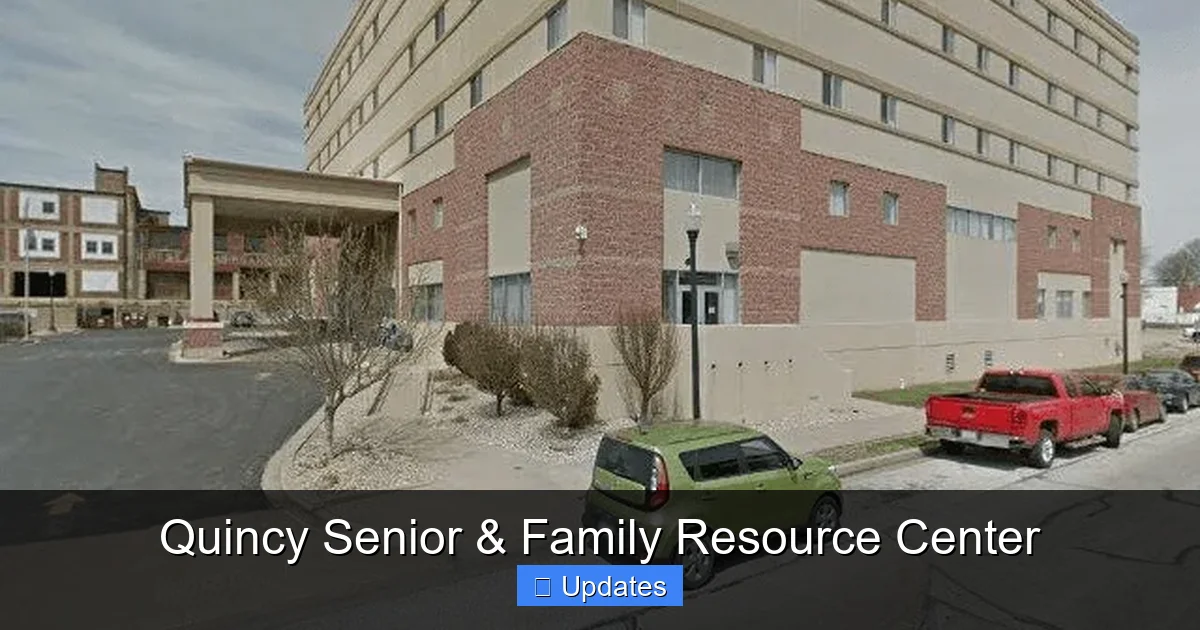
Finding help shouldn’t require a GPS or a day off work. That’s why the Quincy Senior & Family Resource Center is located at 120 Willard Street, just off Route 3A, minutes from downtown Quincy and the Wollaston MBTA station.
The building itself is ADA-compliant, featuring ramps, elevators, wide doorways, and accessible restrooms. Inside, signage uses large fonts and high-contrast colors for visibility. Staff are trained in disability awareness and communication strategies for people with hearing loss or cognitive impairments.
Public transportation is straightforward: Bus routes 230, 232, and 235 stop right outside. For drivers, there’s free parking behind the building, plus designated spots near the entrance. Bike racks are available for eco-conscious visitors.
Operating hours are Monday through Friday, 9:00 AM to 5:00 PM, with extended evening hours on Tuesdays for workshops. Closed weekends and major holidays, though emergency contacts remain available through voicemail and email.
Phone: (617) 770-1234
Email: [email protected]
Website: www.quincyseniorcenter.org
Walk-ins are welcome during business hours, but calling ahead ensures faster service—especially for appointments with nurses or counselors.
How to Get Involved and Volunteer
The center couldn’t function without the generosity of volunteers. Whether you have two hours a week or want to mentor new staff, there’s a role for everyone.
Common volunteer positions include:
- Meals Delivery Drivers: Drive your own car and deliver Meals on Wheels—no formal training needed.
- Activity Assistants: Help set up chairs, hand out snacks, or lead simple games during bingo.
- Tech Helpers: Teach basic computer skills to seniors using donated laptops.
- Administrative Support: Answer phones, file documents, or assist with mailing lists.
Training is provided for all roles, and background checks are required for client-facing positions. Flexible scheduling accommodates retirees, students, and working professionals.
Beyond volunteering, donors can support the center through monetary contributions, food drives, or donating gently used clothing, books, or craft supplies. Corporate sponsorships fund specific programs like the Memory Café or fitness equipment.
If you’re unsure where to start, stop by on a Tuesday afternoon—you’ll likely find someone handing out nametags at the front desk who’d love to chat about opportunities.
Success Stories and Community Impact
Behind every statistic is a story. Consider Mr. Chen, a 79-year-old Korean immigrant who arrived in America with limited English. Through the center’s ESL classes and cultural exchange events, he not only learned conversational English but also formed lasting friendships. Today, he co-leads a weekly tai chi class and mentors newcomers during orientation sessions.
Then there’s Barbara, a widow grieving the loss of her husband of 50 years. After joining a bereavement support group at the center, she discovered a passion for painting. Now, her artwork is displayed in local galleries, and she teaches watercolor classes every month. “This place gave me back my voice,” she says.
These narratives reflect broader trends: since 2010, emergency room visits among center participants have decreased by 35%, largely due to preventive health monitoring and medication adherence coaching. Falls have dropped by 28%, thanks to balance training and home safety assessments. And most importantly, satisfaction surveys consistently rate the center above 90% in terms of perceived value and respect.
Local businesses also benefit. By referring employees’ parents to the center, companies reduce absenteeism and improve eldercare outcomes. One Quincy-based tech firm even sponsors an annual “Grandparent Day,” bringing in grandparents for a morning of games, lunch, and photos—a gesture that strengthens intergenerational bonds across the community.
Looking Ahead: Future Initiatives and Expansion Plans
As Quincy’s population grows older—by 2030, more than 25% of residents will be 65 or over—the need for robust senior services only increases. The center is already planning strategic upgrades to meet rising demand.
Upcoming projects include:
- A new memory café offering sensory stimulation activities for those with early-stage dementia and their families.
- Expanded transportation options via partnerships with ride-share companies and volunteer drivers to reach rural areas.
- Mobile health units visiting neighborhoods with low participation rates, providing on-site screenings and vaccinations.
- A dedicated financial wellness lab staffed by certified credit counselors to combat elder financial abuse.
Funding remains critical. Major grants from the Massachusetts Department of Elder Affairs and the Boston Foundation will cover infrastructure improvements, but ongoing operational costs depend on community support. Annual fundraising galas, crowdfunding campaigns, and individual donations form the backbone of sustainability.
Staff are also investing in data-driven approaches. Using anonymous feedback forms and outcome tracking, they measure program effectiveness and adjust offerings accordingly. For example, noticing high interest in pet therapy, they recently added a certified therapy dog to the activity roster—and saw a 40% increase in attendance among anxious or depressed participants.
Ultimately, the vision is clear: to evolve from a reactive service provider into a proactive community anchor that anticipates needs before they arise. With innovation, compassion, and collaboration, the Quincy Senior & Family Resource Center aims to redefine what aging means in Quincy—and beyond.
Frequently Asked Questions
What services does the Quincy Senior & Family Resource Center offer?
The center provides health screenings, nutrition programs like Meals on Wheels and food pantries, social activities, educational workshops, caregiver support groups, and transportation assistance. All services are designed to support independent living and emotional well-being.
Is the center open to all seniors regardless of income?
Yes, the center serves all older adults aged 60+ in the Quincy area, regardless of income level. Services are either free or available at sliding-scale fees based on need, with no eligibility barriers.
How can I volunteer at the center?
Interested individuals can contact the center directly to learn about current opportunities, complete a volunteer application, and attend an orientation session. Roles include meal delivery, activity assistance, tech support, and administrative help.
Are pets allowed at the center?
While standard pets are generally not permitted due to allergies and liability concerns, the center now welcomes certified therapy animals during scheduled events like Memory Café sessions. Contact the center for details.
Does the center offer online or phone-based services?
Yes, many programs—including counseling, support groups, and educational webinars—are available virtually via Zoom or phone. Visit the website for a full list of remote offerings.
How do I refer a friend or family member to the center?
Simply provide them with the center’s contact information or invite them to attend a walk-in event like a health screening or meal program. No referral letter or doctor’s note is required.