
Electric Toothbrush vs Manual Toothbrush for Seniors


Slow Cooker Crock Pot

Lightweight Aluminum Walker

Emergency SOS Phone
Electric Toothbrush vs Manual Toothbrush is a useful comparison for seniors who want a simple way to keep their teeth clean. Both can work well when used correctly, but the brushing experience can be quite different.
For some older adults, an electric toothbrush may reduce the hand movement needed during brushing. A manual toothbrush may be better for someone who wants a low-cost, simple tool with no charging or batteries.
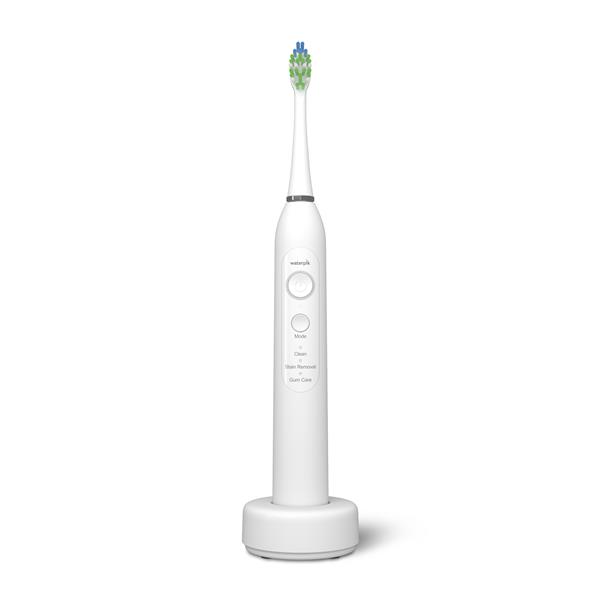
Quick Comparison
An electric toothbrush is the better choice for many seniors who want easier brushing and less manual movement. It can be especially helpful for people who have reduced hand dexterity.
A manual toothbrush is still a good choice for someone who has good hand control and prefers a simple, inexpensive option. The most important factor is not the motor. It is whether the toothbrush can be used properly and consistently.
Electric Toothbrush vs Manual Toothbrush At a Glance
The main differences come down to effort, controls, cost, and maintenance.
| Feature | Electric Toothbrush | Manual Toothbrush |
|---|---|---|
| Ease of use | Less hand motion | More hand motion |
| Cleaning action | Powered brush movement | User controls movement |
| Setup | Charging may be needed | Ready to use |
| Maintenance | Charge and replace head | Replace whole brush |
| Cost | Usually higher | Usually lower |
| Dexterity needs | May be lower | May be higher |
| Portability | Depends on battery | Very easy |
| Noise | Some models make noise | Silent |
Electric Toothbrush Review for Seniors
An electric toothbrush does much of the brushing movement for the user. This can make daily brushing feel simpler for people who find repeated hand movements tiring.
The American Dental Association notes that powered toothbrushes may be easier for people with dexterity problems, including some older adults.
Ease of Use
The biggest advantage is the powered brush movement. Instead of making many small brushing strokes by hand, the user mainly guides the brush around the teeth.
This may help seniors who have trouble with fine hand movements. Some models also have timers or pressure-related features, although these vary by model.
The learning curve can be slightly higher because the user must learn how to charge the handle and use the powered movement correctly.
Key Strengths
- Requires less brushing movement from the hand
- May be easier for people with limited dexterity
- Can provide consistent powered movement
- Some models include useful timers
- Replacement heads can extend the life of the handle
Potential Drawbacks
- Usually costs more than a basic manual brush
- Requires charging or batteries
- Replacement heads add ongoing cost
- Some models may feel bulky
- Motor noise may bother some users
Manual Toothbrush Review for Seniors
A manual toothbrush keeps things simple. There is no battery, charging base, motor, or electronic control.
For someone with good hand control, this can be a major advantage. The user can simply add toothpaste, brush the teeth, rinse the brush, and store it.
The ADA recommends a soft-bristled toothbrush and gentle pressure. Both manual and powered toothbrushes can be effective.
Ease of Use
A manual brush has almost no setup. It is also light, quiet, and easy to take anywhere.
The main challenge is the brushing technique. The user must make the brushing movements and reach all tooth surfaces. This may require more hand and wrist movement than an electric brush.
Key Strengths
- Simple to operate
- No charging required
- Lightweight and portable
- Usually inexpensive
- Easy to replace
- Completely silent
Potential Drawbacks
- Requires more hand movement
- Brushing technique matters more
- May be harder for people with limited dexterity
- No built-in timer on most basic models
- Easy to use too much pressure
Which Is Easier for Seniors to Use?
For many seniors, the electric toothbrush has the edge because the brush provides its own movement. This can be useful when repeated hand motion is uncomfortable or difficult.
A manual toothbrush may still be easier for seniors who prefer simple tools and have good hand control.
The better toothbrush is the one a person can use comfortably, correctly, and consistently.
The ADA specifically identifies powered toothbrushes as an option to consider for people with manual dexterity limitations.
Performance Comparison
Both types can clean teeth effectively when used properly. However, research has found an average advantage for powered toothbrushes in plaque and gingivitis reduction.
A Cochrane review found that powered toothbrushes reduced plaque and gingivitis more than manual toothbrushes in the studies reviewed, although the long-term clinical importance of the difference was less clear.
| Performance Area | Electric Toothbrush | Manual Toothbrush |
|---|---|---|
| Plaque removal | Strong performance | Effective with good technique |
| Brushing movement | Powered | User controlled |
| Consistency | Easier to maintain | Depends more on technique |
| Timer support | Available on some models | Usually not built in |
| Pressure guidance | Available on some models | User must control pressure |
This does not mean every electric toothbrush will outperform every manual toothbrush. Brush design, technique, consistency, and the individual user’s needs all matter.
Comfort, Accessibility, and Senior-Friendly Design
Comfort can be more important than having the most advanced features.
An electric toothbrush may reduce the amount of wrist and finger movement needed during brushing. This can make it attractive to someone who finds manual brushing tiring.
A manual toothbrush has fewer parts and controls. That can make it easier for someone who dislikes charging devices or electronic features.
| Senior Need | Better Fit |
|---|---|
| Less hand movement | Electric toothbrush |
| Simple operation | Manual toothbrush |
| Easy portability | Manual toothbrush |
| Helpful timer | Electric toothbrush |
| No charging | Manual toothbrush |
| Reduced dexterity demands | Electric toothbrush |
Individual needs vary, so neither option should be treated as automatically better for every older adult.
Features Comparison
The most useful electric toothbrush features are the ones that solve a real problem rather than simply adding technology.
| Feature | Electric Toothbrush | Manual Toothbrush |
|---|---|---|
| Built-in timer | Some models | Usually no |
| Powered movement | Yes | No |
| Pressure feedback | Some models | No |
| Multiple modes | Some models | No |
| Charging | Usually required | Not required |
| Replaceable brush head | Usually | No |
A senior who does not need advanced controls may gain little from paying for features that will rarely be used.
Price, Maintenance, and Long-Term Value
A manual toothbrush usually has the lower purchase cost. It also avoids charging equipment and electronic components.
An electric toothbrush costs more initially and requires replacement brush heads. Depending on the model, battery or charging performance may also become a long-term consideration.
The real value depends on whether the powered design makes brushing easier and more consistent.
For either type, brush replacement matters. The ADA recommends replacing toothbrushes about every three to four months, or sooner when the bristles become worn or frayed.
Who Should Choose an Electric Toothbrush?
- Choose an electric toothbrush if reduced hand movement is important.
- Choose it if manual brushing feels tiring.
- Consider it if a built-in timer would help maintain brushing time.
- It may suit seniors with limited manual dexterity.
- It can be useful when consistent brushing movement is difficult.
Who Should Choose a Manual Toothbrush?
- Choose a manual toothbrush if simplicity matters most.
- Choose it if charging devices are inconvenient.
- It may suit seniors with good hand and wrist control.
- It is a practical option for travel.
- Choose it if keeping ongoing costs low is a priority.
Electric Toothbrush vs Manual Toothbrush — Final Verdict
Best for most seniors: Electric toothbrush, especially when easier brushing movement is important.
Best for specific need: Manual toothbrush for simplicity, portability, and low cost.
Best value: Manual toothbrush for the lowest upfront and ongoing expense.
Best for ease of use: Electric toothbrush for seniors who may benefit from less manual brushing motion.
There is no need to switch to an electric toothbrush simply because it is more advanced. A manual toothbrush can still provide effective cleaning when used properly. The NHS also states that both electric and manual toothbrushes can work well when all tooth surfaces are cleaned with fluoride toothpaste.
Scoring Summary
The scores below are practical editorial ratings based on senior usability rather than laboratory testing.
| Category | Electric Toothbrush | Manual Toothbrush |
|---|---|---|
| Ease of Use | 9/10 | 8/10 |
| Senior-Friendly Design | 9/10 | 7/10 |
| Performance | 9/10 | 8/10 |
| Maintenance | 7/10 | 9/10 |
| Value | 7/10 | 9/10 |
These scores are not clinical ratings. They reflect the practical trade-offs discussed in this comparison.
How We Evaluate Products
This comparison focuses on factors that can affect everyday senior use: ease of operation, physical effort, accessibility, comfort, cleaning performance, maintenance, safety, and long-term value.
No personal product testing is claimed here. Product-specific features can vary, so buyers should check the current instructions and specifications for the model they are considering.
Senior-Specific Buying Considerations
A few simple checks can make the choice easier.
Physical Effort
Consider how much hand and wrist movement feels comfortable. An electric model may reduce repeated brushing motion.
Controls
If choosing an electric toothbrush, check whether its buttons and settings are easy to understand.
Maintenance
Think about charging, brush-head replacement, cleaning, and storage before buying.
Storage
A manual brush takes very little space. An electric model may need room for its handle and charger.
Setup
A manual toothbrush is ready immediately. An electric model may need charging before use.
Safety
Use gentle pressure and a soft-bristled brush. If brushing causes pain, bleeding, or other persistent oral problems, it is better to discuss the issue with a dental professional rather than simply changing toothbrush types.
Common Buying Mistakes
- Choosing an electric model only because it has more features
- Ignoring the size and grip of the handle
- Forgetting the ongoing cost of replacement heads
- Using too much pressure with either type
- Choosing a brush that is difficult to store or charge
- Assuming an electric toothbrush removes the need for proper brushing technique
Safety
Both toothbrush types should be used gently. The ADA recommends soft bristles and gentle pressure because aggressive brushing can harm the gums.
Electric toothbrush users should also follow the manufacturer’s charging and cleaning instructions. Keep charging equipment dry as directed and replace worn brush heads when needed.
If an older adult has a specific dental condition, significant pain, or difficulty brushing because of a physical limitation, a dentist can help determine the most suitable approach.
Frequently Asked Questions
Is an electric toothbrush better than a manual toothbrush for seniors?
It can be. An electric toothbrush may be easier for seniors who have limited hand dexterity or find repeated brushing movements tiring. A manual toothbrush can still work very well with good technique.
Is a manual toothbrush easier to maintain?
Usually, yes. There is no battery, charger, or electronic handle to maintain. The main task is rinsing the brush and replacing it when the bristles wear.
Does an electric toothbrush clean better?
Powered toothbrushes have shown an average advantage in plaque and gingivitis reduction in research, but proper brushing with either type can be effective.
Is an electric toothbrush worth the extra cost?
It may be worth it when the powered movement makes brushing easier or more consistent. If a manual brush is already comfortable and used correctly, the extra cost may not be necessary.
Which toothbrush is better for limited hand dexterity?
An electric toothbrush is often the more practical option because it reduces the amount of manual brushing movement required.
Conclusion
The choice between an electric toothbrush and a manual toothbrush comes down to comfort, control, and daily routine. Electric toothbrushes can make brushing easier for seniors who want less hand movement, while manual toothbrushes remain simple, affordable, and effective.
For seniors with good hand control, either option can be sensible. For those who struggle with repeated hand movements, an electric toothbrush may offer the more comfortable everyday experience.