
Senior Winter Driving Safety Top Tips


Portable Wheelchair

Puzzle Book for Seniors
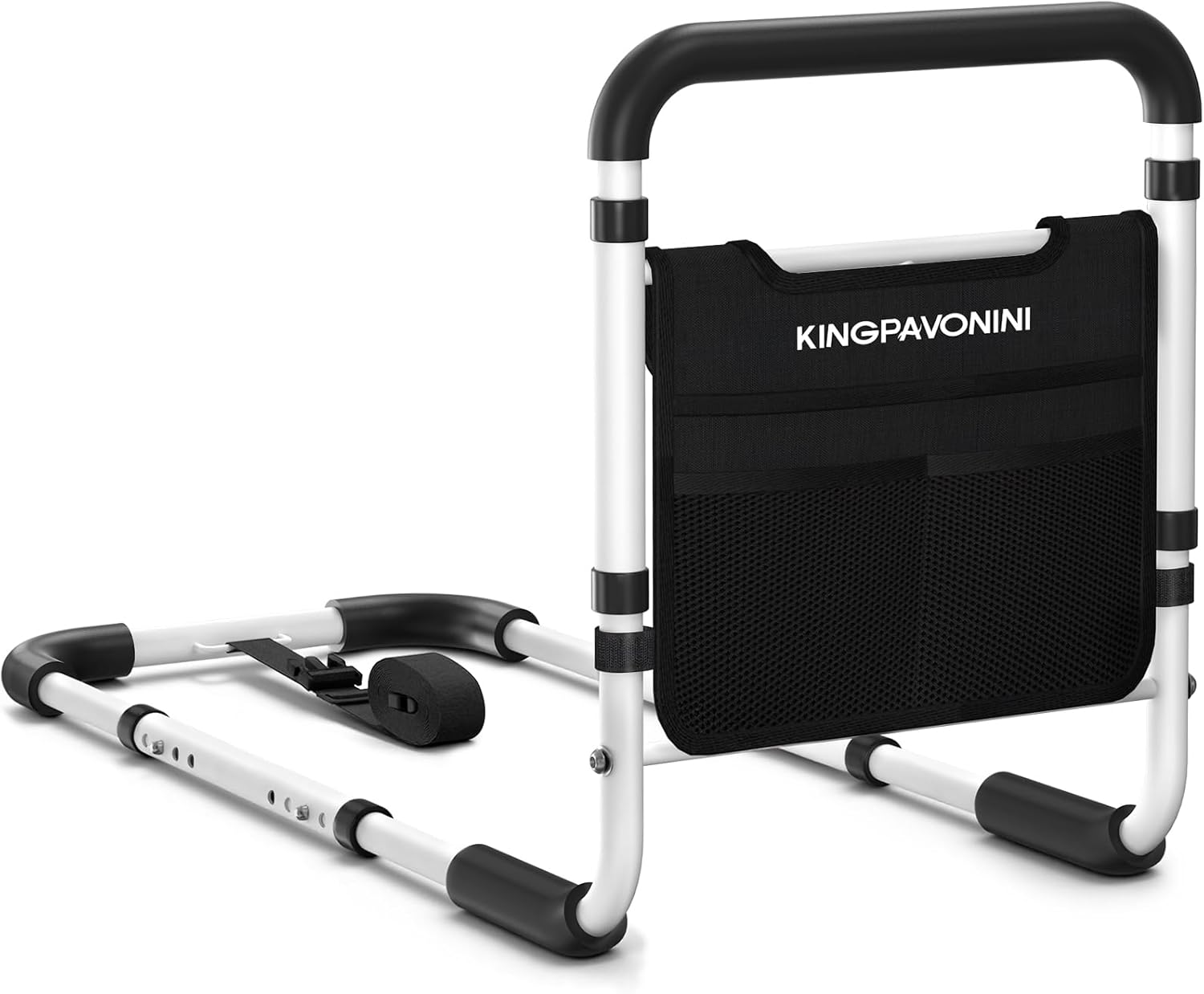
Bed Rail for Seniors
Seniors can enhance winter driving safety by preparing their vehicle, practicing gentle driving techniques on snow and ice, and knowing when to avoid driving altogether.
Winter’s beauty also brings potential hazards to the road. For seniors, navigating snowy and icy conditions requires extra awareness and preparation. This guide offers practical advice to help older drivers stay safe and confident on winter roads in 2025.
- Vehicle Prep: Essential checks for battery, tires, brakes, and visibility systems are crucial before winter.
- Safe Driving: Gentle acceleration/braking, increased following distance, and smooth steering are key on slippery roads.
- Emergency Kit: Stocking your car with essentials like blankets, food, and tools can be vital in.
- Know Your Limits: Prioritize safety by staying home during severe weather or when feeling unwell or anxious.
- Consider Alternatives: Public transit and ride-sharing offer safer travel options during challenging winter conditions.
Senior Winter Driving Safety: Top Tips for 2025
As the temperature drops and snow begins to fall, driving can become a more challenging task. Seniors, who may experience age-related changes affecting their vision, reflexes, or mobility, often face unique hurdles when driving in winter weather. This comprehensive guide is designed to equip you with the knowledge and strategies to make informed decisions and drive safely throughout the winter months.
Understanding the Unique Challenges of Winter Driving for Seniors
Winter weather presents a distinct set of challenges for all drivers, but these can be amplified for seniors due to various factors. Recognizing these challenges is the first step toward mitigating risks.
Age-Related Changes and Their Impact on Driving
As we age, certain physical and cognitive abilities can change, potentially impacting driving skills. Vision can diminish, making it harder to see in low light or snowy conditions. Reaction times may slow, and sensory perception, like the ability to feel subtle changes in traction, can decrease.
Mobility can also be affected, making it more difficult to turn the steering wheel quickly, brake firmly, or even get in and out of the car. These changes, combined with the added stress of winter driving, require a more cautious approach.
Common Winter Road Hazards for Older Drivers
Slippery roads are the most obvious winter hazard. Snow, ice, and slush drastically reduce tire traction, making accelerating, braking, and steering more difficult. Reduced visibility due to falling snow, fog, or glare off snow-covered surfaces adds another layer of complexity.
Cold temperatures can affect vehicle performance, and shorter daylight hours mean more driving in the dark, further impairing visibility. Black ice, a nearly invisible layer of ice on the road, is particularly treacherous and difficult to detect.
The Psychological Aspect: Confidence vs. Caution
It’s important to strike a balance between maintaining independence and exercising necessary caution. Overconfidence can lead to taking unnecessary risks, while excessive fear might cause seniors to avoid driving altogether, potentially leading to isolation. The goal is to drive with informed confidence, knowing when it’s safe and how to handle challenging conditions.
Recognizing personal limitations and being honest about one’s comfort level with winter driving is crucial. This self-awareness allows for better decision-making regarding whether or not to drive.
Pre-Season Preparation: Getting Your Vehicle and Yourself Ready
Before the first snowflake falls, taking proactive steps to prepare your vehicle and yourself can significantly enhance winter driving safety.
Essential Vehicle Maintenance for Winter
A well-maintained vehicle is your first line of defense against winter weather. Ensure your battery is strong, as cold can weaken it. Check your antifreeze levels to prevent the engine from freezing.
Inspect your exhaust system for leaks, as carbon monoxide can be a risk in poorly ventilated vehicles. Make sure your brakes are in good working order, and consider having them serviced before winter.
- Check battery charge and connections.
- Test antifreeze and top off if needed.
- Inspect brake pads and fluid.
- Ensure exhaust system is leak-free.
- Check for oil leaks and top off fluids.
Tire Talk: The Importance of Winter Tires and Proper Inflation
Tires are your only contact with the road, making them critical for winter traction. All-season tires may suffice in milder climates, but in areas with significant snow and ice, dedicated winter tires are highly recommended. They have special tread compounds and patterns designed to grip better in cold temperatures and on slippery surfaces.
Proper tire inflation is also vital. Cold weather causes tire pressure to drop. Check your tire pressure regularly, at least once a month, when the tires are cold. Properly inflated tires offer better handling, fuel efficiency, and reduce the risk of blowouts.
Visibility is Key: Ensuring Your Car’s Lights and Wipers are in Top Shape
Clear visibility is paramount in winter. Ensure all your headlights, taillights, and brake lights are clean and functioning correctly. Dirty headlights can significantly reduce their effectiveness, especially in snow or fog.
Your windshield wipers need to be in good condition to clear snow, ice, and salt spray. Replace worn wiper blades and ensure your windshield washer fluid reservoir is full with a de-icing solution. Consider using a winter-grade windshield washer fluid that won’t freeze.
Many auto parts stores and mechanics offer free battery and tire pressure checks during the fall and winter months.
Stocking Your Winter Emergency Kit: What Every Senior Driver Needs
Being prepared for the unexpected is crucial. A well-stocked emergency kit can make a significant difference if you get stranded. Keep it in your trunk or easily accessible space.
Your kit should include essentials like a warm blanket, extra warm clothing (hats, gloves, scarf), non-perishable food (energy bars, nuts), water, a flashlight with extra batteries, a first-aid kit, jumper cables, a small shovel, sand or kitty litter for traction, and a phone charger or power bank.
- Warm blankets and extra clothing.
- Non-perishable snacks and water.
- First-aid kit and necessary personal medications.
- Flashlight with extra batteries.
- Jumper cables and basic tool kit.
- Bag of sand or non-clumping kitty litter for traction.
- Phone charger or power bank.
- Reflective triangles or flares.
- Hand warmers.
Mastering Winter Driving Techniques: From Snow to Ice
Driving on snow and ice requires a different approach than driving on dry pavement. Learning and practicing these techniques can help you maintain control of your vehicle.
Gentle Starts and Stops: Avoiding Skids on Slippery Surfaces
Sudden acceleration or braking is a primary cause of skids. When starting from a stop, accelerate gently and smoothly. If your wheels spin, ease off the accelerator slightly until traction is regained.
When slowing down or stopping, brake early and gently. Avoid slamming on the brakes, which can lock up the wheels and lead to a skid. Practice these gentle movements in a safe, empty parking lot if possible.
Maintaining Safe Following Distances: The Snow and Ice Multiplier
In dry conditions, a three-second following distance is recommended. On snow and ice, this distance needs to be significantly increased. A common rule of thumb is to increase your following distance by at least double, or even triple, depending on the conditions.
This extended distance gives you more time to react and brake if the vehicle in front of you stops suddenly. Remember, your stopping distance on slippery surfaces can be much longer than you anticipate.
Navigating Turns and Hills with Confidence
When approaching a turn, slow down *before* you enter the turn. Entering a turn too fast on slippery roads is a common way to lose control. Once you are through the turn, gently accelerate.
On hills, maintain a steady speed. When going uphill, avoid stopping if possible. If you must stop, leave extra space and accelerate gently to get moving again. When descending a hill, shift to a lower gear to help control your speed and use gentle braking.
The Art of Steering and Braking on Low-Traction Roads
Steering on slippery roads should be smooth and deliberate. Avoid jerky movements. If you need to change lanes or steer around an obstacle, do so with gradual steering inputs.
Braking should also be smooth. If your vehicle has anti-lock brakes (ABS), press the brake pedal firmly and hold it. You may feel pulsing under your foot, which is normal. Do not pump ABS brakes. If your vehicle does not have ABS, brake gently and steadily, and ease up if you feel the wheels lock up.
What to Do If You Skid: Practical Steps to Regain Control
If you start to skid, the most important thing is to remain calm. Take your foot off the accelerator and brake. Look and steer in the direction you want the front of the car to go. This is often called “steer into the skid.”
For example, if the rear of your car is skidding to the left, steer gently to the left. As the car straightens, counter-steer to the right to prevent overcorrection. The key is to make small, smooth adjustments.
Never slam on the brakes or make sudden steering movements if you feel your car start to skid. This can worsen the loss of control.
Beyond the Wheel: Smart Decisions for Safer Winter Travel
Driving is just one aspect of winter travel safety. Making smart decisions before you even start the engine is equally important.
When to Stay Home: Recognizing When Conditions Are Too Dangerous
The safest driving decision is sometimes not to drive at all. If roads are heavily snow-covered, icy, or visibility is extremely poor, it’s best to postpone your trip. Pay attention to weather forecasts and local road condition reports.
If you feel anxious or uncertain about driving in the conditions, it’s a sign to stay put. Your peace of mind and safety are more important than keeping a schedule. Consider if your trip is essential or if it can wait until conditions improve.
Planning Your Route: Avoiding High-Risk Areas and Times
Before setting out, plan your route and check for any road closures or hazardous areas. Avoid routes that are known to be prone to ice, such as bridges or overpasses, especially during freezing temperatures.
Try to schedule your trips during daylight hours when visibility is better. If possible, avoid driving during peak rush hour times when roads are more congested and drivers may be more stressed.
The Role of Medication and Health Conditions in Winter Driving
Some medications can cause drowsiness, dizziness, or affect reaction times. It’s crucial to discuss with your doctor or pharmacist if your medications might impair your ability to drive safely, especially in challenging winter conditions.
Certain health conditions can also affect driving fitness. Vision impairments, arthritis that limits mobility, or conditions that cause fatigue can be exacerbated by the stress of winter driving. Regular check-ups with your physician are important.
Considering Alternatives: Public Transportation and Ride-Sharing Options
For many seniors, especially during harsh winter weather, alternative transportation methods can be a safer and more convenient choice. Familiarize yourself with local public transportation options, such as bus routes or senior shuttle services.
Ride-sharing services and taxis are also readily available. While there’s a cost associated, it can be a worthwhile investment for safety and peace of mind, particularly if you’re concerned about driving in difficult conditions. Many communities also offer respite options for caregivers, which can indirectly support seniors’ transportation needs.
Common Mistakes Seniors Make in Winter Driving (And How to Avoid Them)
Awareness of common errors can help prevent them. Seniors, like all drivers, can fall into predictable patterns that compromise safety.
Overestimating Abilities or Underestimating Conditions
A common mistake is believing one’s driving skills are unaffected by age or that winter conditions are not as severe as they appear. This can lead to taking risks that wouldn’t be considered under normal circumstances.
Avoidance: Be honest about your capabilities and the road conditions. If in doubt, don’t drive. Regularly reassess your comfort level with winter driving.
Neglecting Vehicle Maintenance
Putting off essential car maintenance, like checking tire pressure or replacing worn wipers, can have serious consequences in winter. A poorly maintained vehicle is more likely to fail when you need it most.
Avoidance: Perform pre-winter maintenance checks and stick to a regular maintenance schedule throughout the season. Don’t wait for a problem to arise.
Driving While Distracted or Fatigued
Winter driving demands full attention. Using a mobile phone, adjusting the radio, or even engaging in conversations can be far more dangerous when traction is low and visibility is poor.
Avoidance: Minimize distractions by setting your GPS before you start driving, putting your phone away, and avoiding complex tasks. Ensure you are well-rested before a winter drive.
Ignoring Warning Signs of Vehicle Malfunction
Strange noises, warning lights on the dashboard, or changes in how your car handles should never be ignored, especially in winter. These could indicate a problem that could lead to a breakdown in hazardous conditions.
Avoidance: If you notice any unusual signs from your vehicle, have it inspected by a trusted mechanic immediately. Don’t risk driving a vehicle that might be unsafe.
Expert Advice & When to Seek Help
Sometimes, professional guidance is the best way to ensure you’re prepared and fit to drive safely during winter.
Consulting Your Doctor About Driving Fitness
Regularly discuss your driving abilities and any concerns with your physician. They can provide an objective assessment of your physical and cognitive fitness to drive, especially if you have chronic health conditions or are taking new medications.
Your doctor can offer personalized advice on whether winter driving is appropriate for you and suggest strategies to manage any limitations. This is a crucial step in maintaining road safety.
The Value of Refresher Driving Courses for Seniors
Many organizations offer specialized driving courses designed for seniors. These courses often cover updated traffic laws, defensive driving techniques, and specific strategies for handling challenging conditions like winter weather.
A refresher course can boost your confidence, sharpen your skills, and provide valuable insights from experienced instructors. It’s an excellent way to adapt to changes in driving environments and vehicle technology.
Understanding Local Traffic Laws and Winter Road Regulations
Traffic laws and road regulations can vary by state and even by municipality. Some areas have specific rules for winter driving, such as mandatory use of snow tires or chains during certain conditions.
Familiarize yourself with the winter driving laws in your area. This knowledge ensures you comply with regulations and understand expectations for drivers during snow and ice events.
Recap: Your Senior Winter Driving Safety Checklist for 2025
Staying safe on the road this winter is achievable with preparation and mindful driving. Here’s a quick checklist to keep handy:
- Vehicle Check: Ensure battery, tires, brakes, and visibility systems (lights, wipers) are in top condition.
- Tires: Use winter tires if you live in a snowy/icy region and maintain proper inflation.
- Emergency Kit: Stock your vehicle with essentials for breakdowns or unexpected delays.
- Driving Techniques: Practice gentle acceleration, braking, and steering; maintain increased following distances.
- Know When to Stay Home: Prioritize safety over schedule; avoid driving in severe conditions.
- Plan Ahead: Check weather and road conditions; plan routes to avoid hazards.
- Health & Medication: Consult your doctor about any health conditions or medications that may affect driving.
- Consider Alternatives: Explore public transit or ride-sharing for safer travel options.
- Stay Informed: Be aware of local winter driving laws and regulations.
- Refresh Skills: Consider a senior driving refresher course.
By following these tips, seniors can enjoy greater confidence and safety while navigating the roads this winter. Remember, safe driving is a continuous practice of preparation, awareness, and responsible decision-making.
Frequently Asked Questions
Seniors may face challenges due to age-related changes affecting vision, reaction time, and mobility, combined with winter hazards like slippery roads, reduced visibility, and shorter daylight hours.
Essential preparation includes checking your battery, antifreeze, brakes, tires, lights, and wipers. Ensure your windshield washer fluid is a de-icing type and consider winter tires for better traction.
Drive gently, accelerating and braking smoothly. Increase your following distance significantly, slow down before turns, and steer into skids by gently turning the wheels in the direction you want to go.
Seniors should avoid driving when road conditions are severe (heavy snow, ice, poor visibility), if they feel anxious or unsure, or if their health or medications might impair their driving ability.
Your kit should include blankets, warm clothing, non-perishable food, water, a flashlight, first-aid supplies, jumper cables, a shovel, and sand or kitty litter for traction.
Yes, especially in severe weather. Public transportation, senior shuttle services, ride-sharing apps, and taxis offer safer alternatives that reduce the stress and risks associated with winter driving.