
Con Ed Senior Discount Driving Safety Tips

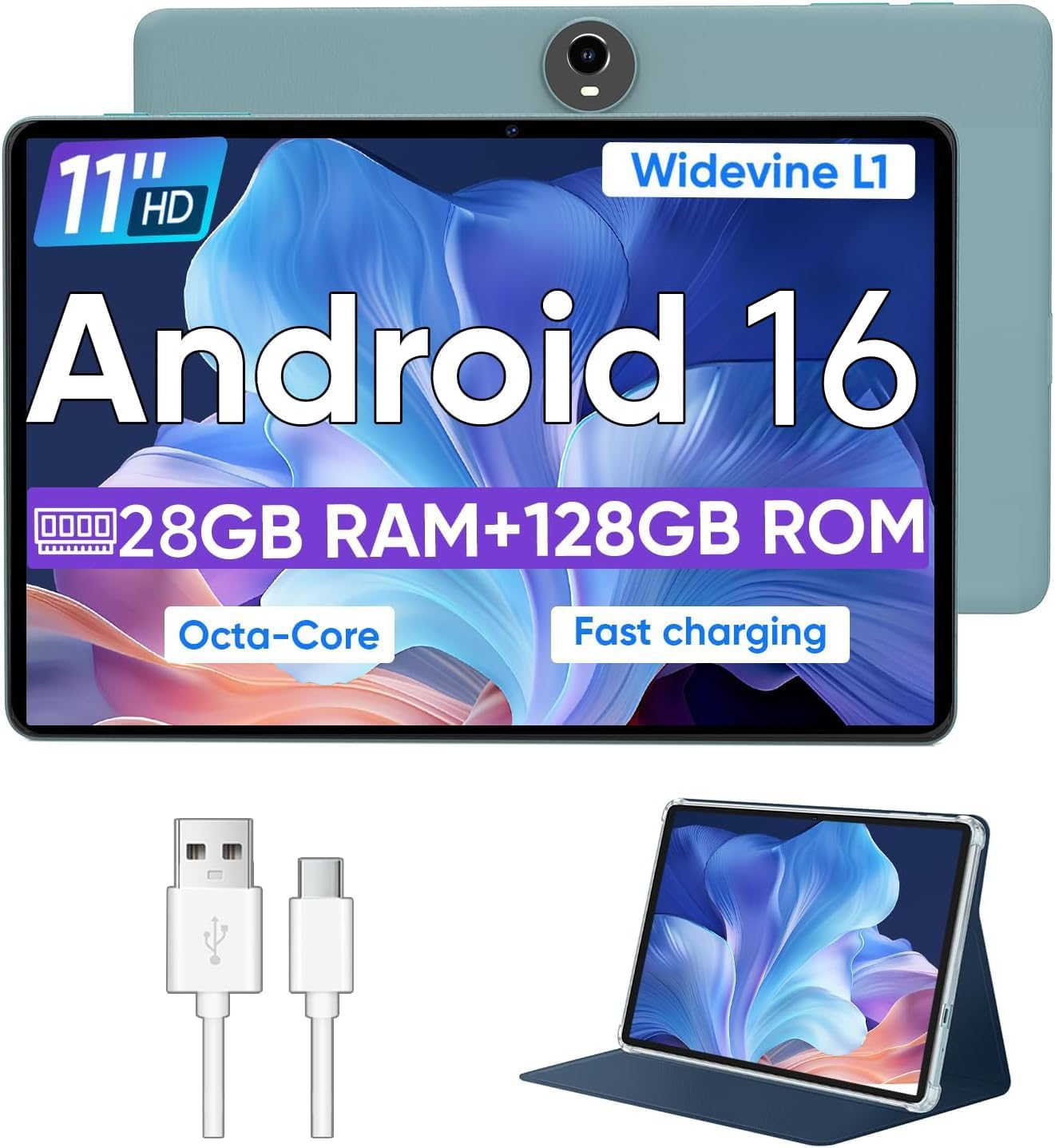
Tablet for Seniors

Portable Wheelchair

Medical Alert System
While Con Edison doesn’t offer a direct senior driving discount, savings on utility bills can be reallocated to cover transportation costs. Focus on essential driving safety checks and consider alternatives if needed to maintain independence.
While there isn’t a direct Con Ed senior discount specifically for driving, understanding how to leverage existing Con Edison savings can indirectly support your mobility and independence. By reducing household utility expenses, you can free up funds for essential driving needs, such as vehicle maintenance, fuel, or even alternative transportation services, ensuring you can continue to get where you need to go safely and confidently.
- Con Ed Savings: Utility bill reductions can be used to fund car maintenance, fuel, or alternative transportation.
- Pre-Drive Checklist: Regularly inspect tires, fluids, lights, and mirrors before each trip.
- Recognize Changes: Be aware of vision, reaction time, and cognitive shifts that may affect driving.
- Explore Alternatives: Public transit, senior services, and ride-sharing offer continued mobility.
- Professional Help: Consult doctors or CDRS for driving assessments and guidance.
Unlock Savings and Stay Safe: Navigating the Con Ed Senior Discount for Enhanced Driving Independence
Many seniors look for ways to manage their budgets effectively. A Con Edison senior discount, if available or through energy-saving programs, can be a valuable tool. While it doesn’t directly apply to car insurance or fuel, the money saved on your electricity and gas bills can be reallocated. This means more funds can be set aside for keeping your car in good working order, covering the cost of gas, or exploring other transport options that help maintain your freedom to travel.
Understanding the Con Ed Senior Discount: A Direct Answer for Smarter Living
Con Edison, like many utility providers, may offer programs or discounts that can benefit seniors. These often focus on energy efficiency and reducing consumption, which translates to lower monthly bills. While a specific “senior driving discount” from Con Ed isn’t a standard offering, the financial relief from lower utility costs is a significant benefit. This saved money can then be directly applied to the expenses associated with maintaining your ability to drive, such as car repairs, insurance premiums, or fuel costs. It’s about making your household budget work harder for your overall independence.
Your Quick Driving Safety Checklist: Essential Checks Before Every Trip
Before you even turn the key, a quick check can prevent potential problems and ensure a safer journey. This routine is crucial for all drivers, especially as we age, to maintain confidence on the road.
- Tires: Check for proper inflation and visible wear.
- Fluids: Ensure windshield washer fluid is full, and check oil levels if comfortable.
- Lights: Verify headlights, taillights, brake lights, and turn signals are working.
- Mirrors: Adjust mirrors for optimal visibility of your surroundings.
- Belts: Fasten your seatbelt securely.
- Personal Comfort: Ensure you are well-rested, not distracted by medication, and have your glasses if needed.
- Route: Briefly review your route if it’s unfamiliar or during busy times.
Con Ed Savings in Action: How Lower Utility Bills Can Support Your Mobility
The impact of saving money on your utility bills goes beyond just a lower monthly statement. For seniors, these savings can be a lifeline for maintaining their independence, particularly when it comes to transportation.
Practical Examples: Budgeting for Vehicle Maintenance and Transportation Needs
Imagine saving an extra $20, $30, or even $50 a month on your Con Edison bill. That money can be strategically used to enhance your driving safety and mobility. For instance, that surplus could cover the cost of an oil change and tire rotation, which is vital for keeping your vehicle running smoothly and safely. It could also contribute to the purchase of new windshield wiper blades, improving visibility during inclement weather. Alternatively, these savings might make it more feasible to budget for occasional ride-share services or public transportation if you’re planning a longer trip or prefer not to drive in challenging conditions.
Consider setting aside a small portion of your utility savings specifically for a “mobility fund.” This fund can be used for unexpected car repairs, fuel, or alternative transportation options, ensuring you always have a way to get around.
Common Driving Mistakes to Avoid: Maintaining Confidence and Safety on the Road
As we gain experience behind the wheel, certain habits can creep in. Recognizing and addressing these can significantly improve driving safety and prolong your ability to drive confidently.
Recognizing and Mitigating Risky Driving Habits
One common challenge is driving at night or in poor weather. Vision can be more affected by glare from headlights or reduced visibility in rain or fog. If you find yourself uncomfortable driving in these conditions, it’s wise to adjust your driving habits. This might mean planning trips during daylight hours or avoiding driving altogether when weather is poor. Another area to monitor is reaction time. If you feel your reflexes aren’t as quick as they used to be, being extra cautious and increasing following distances can make a big difference.
Medication can affect driving. Always understand how any new or existing medications might impact your alertness, vision, or reaction time. Discuss any concerns with your doctor or pharmacist before driving.
Warning Signs: When to Re-evaluate Your Driving Abilities
It’s natural for driving abilities to change over time. Being aware of subtle indicators can help you make informed decisions about your driving safety and that of others.
Subtle Indicators of Changing Driving Capacity
Are you finding yourself getting lost more often, even on familiar routes? Do friends or family members comment on your driving, perhaps mentioning speeding or difficulty staying in your lane? Sometimes, it’s not about a single incident but a pattern of small changes. You might notice increased anxiety when driving, a tendency to miss important traffic signs, or difficulty judging speeds of oncoming vehicles. These aren’t signs of failure, but rather signals that it might be time to assess your driving skills and consider adjustments.
If you or a loved one are experiencing any of these warning signs, consider consulting with a doctor or an occupational therapist specializing in driving rehabilitation. They can provide a professional driving evaluation to assess your capabilities and recommend strategies for safe driving or potential alternatives.
Beyond the Wheel: Exploring Alternative Transportation and Mobility Solutions
The decision to adjust driving habits or explore alternatives is about maintaining independence and safety. Thankfully, there are many options available.
When Driving Becomes Less Feasible: Options for Continued Independence
If driving is becoming more challenging, a variety of transportation solutions can help you stay connected and mobile. Public transportation, such as buses and trains, offers an affordable way to get around. Many communities also have senior transportation services that provide door-to-door rides. Ride-sharing apps like Uber and Lyft offer on-demand convenience, and even carpooling with friends or family can be a great option. The savings from programs like the Con Ed senior discount can help offset the costs of these services, making them a more accessible part of your transportation plan.
- Local public transportation (buses, trains)
- Community senior transportation services
- Ride-sharing services (Uber, Lyft)
- Carpooling with friends or family
- Taxis
Expert Guidance: Seeking Professional Evaluation for Driving Safety
Sometimes, a professional perspective is invaluable when making decisions about driving. Experts can offer objective assessments and personalized advice.
Consulting Professionals for Personalized Driving Assessments
A great first step is to talk to your doctor. They can assess your overall health and identify any medical conditions that might affect driving. For a more in-depth look at your driving skills, consider a Certified Driver Rehabilitation Specialist (CDRS). These professionals often work with occupational therapists and can conduct comprehensive evaluations. They can assess everything from your vision and reaction time to your ability to handle specific driving maneuvers. Based on the assessment, they can recommend adaptive equipment for your vehicle, suggest driving strategies, or provide guidance on when it might be time to consider alternative transportation.
Driving into the Future: Maintaining Independence and Peace of Mind
Maintaining your independence and mobility is key to a fulfilling life. By proactively managing your finances, like utilizing potential Con Ed savings, and staying aware of your driving capabilities, you can continue to travel safely and confidently. Remember that adapting to changes is a sign of strength, and there are many resources and support systems available to help you navigate your journey. Prioritizing safety ensures you can enjoy the freedom of the open road for years to come.
Frequently Asked Questions
No, Con Edison does not offer a direct senior discount specifically for driving. However, savings from their energy efficiency programs can free up household funds that can be used for transportation needs.
By reducing your monthly utility bills through Con Ed programs, you can reallocate those savings towards vehicle maintenance, fuel, insurance, or alternative transportation services, supporting your overall mobility.
Key checks include ensuring tires are properly inflated, all lights are working, mirrors are adjusted for optimal visibility, and you are personally ready and alert. A quick pre-drive routine enhances safety.
Warning signs include getting lost on familiar routes, increased anxiety while driving, difficulty seeing signs, or comments from others about driving habits. These suggest a need for assessment.
Alternatives include public transportation, community senior transport services, ride-sharing apps, taxis, and carpooling with friends or family. These options help maintain independence when driving becomes less feasible.
Your doctor is a good starting point. For a specialized assessment, consider a Certified Driver Rehabilitation Specialist (CDRS) or an occupational therapist experienced in driving evaluations.