
MSC Senior Discount Driving Safety Tips

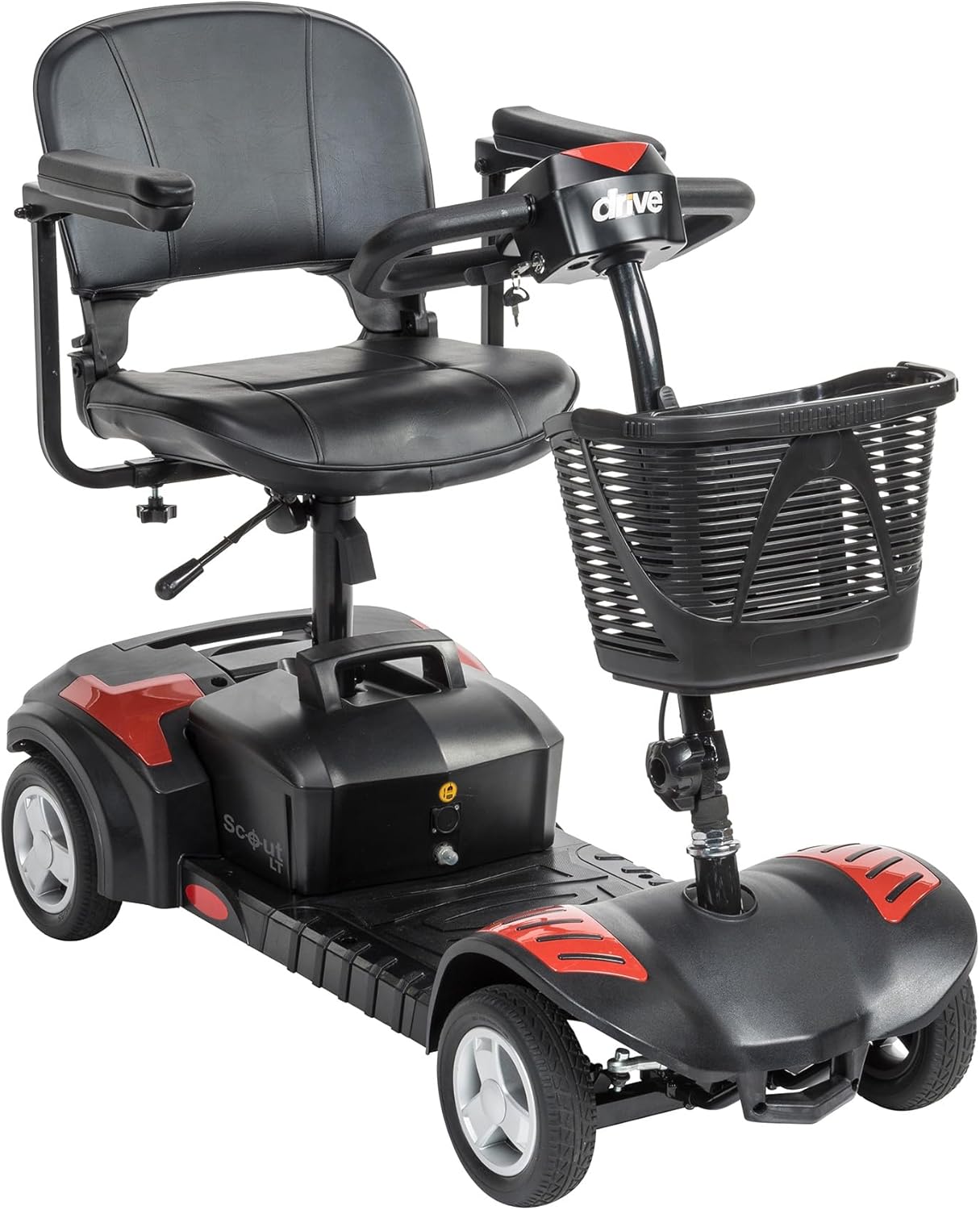
Electric Mobility Scooter

Electric Recliner Lift Chair

Kindle E-Reader
Explore potential MSC Senior Discount opportunities while prioritizing driving safety. Focus on safe driving habits, vehicle accessibility, and understanding personal health impacts to maintain independence.
Exploring available senior discounts, like those potentially offered by MSC, can be a great way to save money. However, when it comes to driving, safety must always be the top priority. This guide helps you understand how to leverage any senior discounts responsibly while focusing on maintaining safe driving habits for yourself and others on the road.
- Prioritize Safety: Any MSC Senior Discount should be secondary to ensuring safe driving practices and vehicle.
- Vehicle Accessibility: Ensure your vehicle is easy to enter/exit and controls are reachable for continued safe.
- Health Awareness: Be mindful of how medications, vision, and cognitive health can affect driving abilities.
- Recognize Warning Signs: Pay attention to near misses, increased anxiety, or passenger concerns as indicators to re-evaluate.
- Explore Alternatives: Investigate public transit, ride-sharing, and community support for continued mobility.
Unlocking Your MSC Senior Discount: Driving Safety is the Priority
The term “MSC Senior Discount” might bring to mind savings on cruises, travel, or perhaps even services related to vehicle maintenance or insurance. While these discounts can certainly be beneficial, it’s crucial to approach them with a clear understanding of what they entail and how they relate to your personal safety and driving capabilities. For instance, a discount on car insurance for seniors is valuable, but only if you are driving safely and responsibly. Similarly, if MSC offers discounts on vehicle services, ensuring those services are performed with safety in mind is paramount. The ultimate goal is to maintain your independence and mobility for as long as possible, and that starts with prioritizing safe driving practices above all else.
- Pre-Drive Vehicle Inspection: Check tires for proper inflation, ensure all lights are working (headlights, brake lights, turn signals), and verify that mirrors are clean and properly adjusted.
- Personal Readiness Assessment: Before starting, take a moment to ensure you are feeling alert, well-rested, and not affected by any medications. If you feel unwell or fatigued, it’s best to postpone your trip or find an alternative way to travel.
- On-Road Awareness Habits: Stay focused on driving by minimizing distractions, scanning the road ahead and around you, anticipating potential hazards, and always obeying traffic laws and speed limits.
Maximizing Your MSC Senior Discount: Smart Driving Habits for Longevity
Thinking about how to best utilize any potential “MSC Senior Discount” can also extend to how you drive. Maintaining safe driving habits not only keeps you and others safe but can also help preserve your driving privileges and potentially qualify you for continued discounts on insurance or vehicle services. This means making conscious choices about your driving that support long-term independence.
Understanding Vehicle Fit and Accessibility
Your vehicle should be a comfortable and safe extension of your abilities. Ensure you can easily get in and out of the car, reach all controls, and have good visibility. Seats should provide adequate support, and steering wheels should be easy to manage. If your current vehicle is becoming a challenge, explore options for vehicles that better suit your needs, or consider adaptive equipment.
When looking for a new vehicle or considering modifications, test drive thoroughly and ensure you have clear visibility in all directions. Don’t hesitate to ask about features like larger mirrors, lower step-in heights, and adjustable seats.
Adapting to Changing Conditions: Night & Weather Driving
As we age, our vision and ability to adapt to changing light and weather conditions can be affected. Night driving can be particularly challenging due to glare from headlights and reduced contrast. Similarly, driving in rain, snow, or fog requires extra caution. Consider limiting driving during peak nighttime hours or in adverse weather, or plan your trips to avoid these conditions.
Driving at night or in poor weather significantly increases risk. If you experience difficulty seeing or reacting in these conditions, it may be time to adjust your driving schedule or explore alternative transportation options.
The Role of Medications, Vision, and Cognitive Health
It is essential to be aware of how medications, vision changes, and cognitive health can impact driving. Many prescription and over-the-counter drugs can cause drowsiness, dizziness, or slow reaction times. Regular vision check-ups are crucial for maintaining clear sight, and any concerns about memory or cognitive function should be discussed with your doctor.
Always discuss any new medications with your doctor or pharmacist about their potential impact on driving. Schedule regular eye exams with an optometrist, and if you have concerns about your memory or cognitive abilities, speak with your primary care physician.
Common Driving Mistakes Senior Drivers Should Avoid
Even experienced drivers can sometimes fall into habits that compromise safety. Recognizing these common pitfalls is the first step toward avoiding them and ensuring continued safe driving.
Misjudging Gaps in Traffic
This can happen when turning left across oncoming traffic or merging onto a busy highway. Diminished depth perception or slower reaction times can make it harder to accurately judge the speed and distance of other vehicles. Always err on the side of caution and wait for a larger, more comfortable gap.
Ignoring Blind Spots
Blind spots are areas around your vehicle that cannot be seen in your mirrors. Adjusting your mirrors correctly and physically turning your head to check these areas before changing lanes or turning is vital. Ensure your vehicle’s mirrors are clean and properly angled.
Over-Reliance on Memory for Navigation
While many seniors have excellent memories, relying solely on memory for complex routes, especially in unfamiliar areas, can lead to distraction or poor decision-making. Using GPS or maps can help, but ensure you are familiar with the device before you start driving.
Familiarize yourself with your GPS or navigation app before you drive. Set your destination before starting the engine and practice using the voice prompts so you can focus on the road.
Distractions (Internal and External)
Distractions are a major cause of accidents for all drivers, including seniors. This can include adjusting the radio, talking to passengers, reaching for items, or dealing with external stimuli like billboards or other vehicles. Keeping your focus solely on the task of driving is paramount.
Warning Signs: When It’s Time to Re-evaluate Driving
Recognizing when driving might be becoming more challenging is a sign of self-awareness and responsibility. These warning signs aren’t about age, but about individual capability on the road.
Near Misses and Minor Collisions
If you’ve experienced several “close calls” or have been involved in minor fender-benders, it’s a strong indicator that your driving skills may need assessment. These incidents suggest a potential issue with judgment, reaction time, or awareness.
Difficulty with Lane Changes or Merging
Struggling to smoothly change lanes or merge into traffic can be a sign of reduced spatial awareness or hesitation due to anxiety. These maneuvers require quick decisions and accurate perception of surrounding vehicles.
Increased Hesitation or Anxiety While Driving
Feeling unusually anxious, hesitant, or fearful when driving, especially in certain situations like heavy traffic or on highways, is a significant warning sign. This emotional response can impact your ability to drive safely and decisively.
Complaints from Passengers
If passengers, particularly family members, have expressed concerns about your driving or seem anxious when you are behind the wheel, take their feedback seriously. They are often objective observers of your driving behavior.
If you or your loved ones notice any of these warning signs, it’s wise to consider speaking with your doctor or a certified driver rehabilitation specialist. They can help assess your driving fitness and recommend appropriate steps.
Navigating Local Rules and Professional Evaluations
Driving regulations and requirements can vary significantly by location. Staying informed and understanding these rules is part of responsible driving.
Understanding State-Specific Driving Requirements for Seniors
Many states have specific requirements for older drivers, such as more frequent license renewals, vision tests, or even road tests. It’s crucial to be aware of your state’s laws regarding senior driving to ensure you remain compliant.
Driving laws and renewal requirements for seniors are determined by each state’s Department of Motor Vehicles (DMV) or equivalent licensing agency. Information can usually be found on their official websites.
When to Seek a Professional Driving Evaluation
A professional driving evaluation, often conducted by a certified driver rehabilitation specialist (CDRS) or an occupational therapist, can provide an objective assessment of your driving skills. This is particularly recommended if you’ve experienced warning signs, if your doctor has concerns, or if there’s a disagreement within the family about driving ability.
Preparing for a Driving Assessment
To prepare for a driving assessment, be honest about your concerns and any challenges you’ve been experiencing. Bring any relevant medical information, such as medication lists or vision test results. The goal of the evaluation is to identify strengths and areas for improvement, not to judge.
Exploring Mobility Alternatives: Beyond the Driver’s Seat
Maintaining independence doesn’t always mean driving yourself. Exploring alternative transportation options can ensure you can still get around, connect with your community, and run errands.
Public Transportation Options and Senior Programs
Many cities and towns offer public transportation, including buses and trains, which can be a cost-effective way to travel. Look for programs specifically designed for seniors, which might include reduced fares or specialized services. Senior centers, like the Senior Center Mount Pleasant SC, often have information on local transit options.
Ride-Sharing Services and Specialized Senior Transport
Services like Uber and Lyft are increasingly popular and can offer on-demand transportation. Additionally, there are often specialized senior transportation services available that cater specifically to the needs of older adults, providing door-to-door assistance. These can be a great alternative to driving yourself.
Family and Community Support Networks
Don’t underestimate the power of your personal network. Family members, friends, and neighbors can often help with rides to appointments or shopping. Building and maintaining these relationships can provide a reliable support system for transportation needs.
- Explore local senior centers for transportation resources.
- Consider ride-sharing apps or specialized senior transport services.
- Ask family and friends for assistance with rides.
- Look into public transportation options and senior discounts.
- Do not wait until driving is no longer safe to explore alternatives.
- Do not assume all ride-sharing drivers are trained to assist seniors.
- Do not rely solely on one form of alternative transportation.
Recap: Driving Safely and Smartly for Continued Independence
While the allure of an “MSC Senior Discount” or any other savings is understandable, the most valuable benefit for seniors is the ability to maintain their independence and quality of life. Prioritizing driving safety through regular self-assessment, vehicle maintenance, and awareness of personal health is key. By adopting smart driving habits, recognizing when to seek professional help, and exploring alternative transportation options, seniors can continue to navigate their world safely and confidently, ensuring that mobility remains a source of freedom, not concern.
Frequently Asked Questions
An MSC Senior Discount likely refers to savings on services or products offered by MSC. While these discounts can be beneficial, the primary focus when considering driving should always be safety. Ensure any services related to your vehicle that you use with a discount are performed with safety as the top priority.
Key pre-drive checks include inspecting tires for proper inflation, ensuring all lights are functional, and verifying mirrors are clean and correctly positioned. It’s also vital to assess your personal readiness, ensuring you are alert and not affected by medication.
Many medications, both prescription and over-the-counter, can cause side effects like drowsiness, dizziness, or slowed reaction times. Always consult your doctor or pharmacist about potential driving impairments before taking new medications.
Signs that warrant re-evaluation include frequent near misses, difficulty with lane changes or merging, increased anxiety while driving, or concerns expressed by passengers. These indicate a potential need to adjust driving habits or explore alternatives.
Alternatives include public transportation, senior-specific transport services, ride-sharing options, and relying on family and community support networks. Many senior centers can also provide information on local transit options.
Information on state-specific driving requirements for seniors, such as license renewal frequencies and testing, can be found on the official website of your state’s Department of Motor Vehicles (DMV) or equivalent licensing agency.