
Complete Feed for Senior Horses


Shiatsu Neck Massager

Lap Desk for Reading

Anti-Slip Shower Stickers
Senior horses face unique nutritional challenges as they age, including reduced digestion, weight loss, and joint stiffness. A complete feed for senior horses can fill these gaps by providing balanced calories, essential vitamins, and easily digestible nutrients. With the right diet, you can help your aging equine stay active, maintain a healthy weight, and enjoy a higher quality of life.
As our beloved horses reach their later years, their bodies undergo noticeable changes that affect how they process food, absorb nutrients, and maintain overall health. Just like humans, senior horses often experience reduced digestive efficiency, dental issues, and decreased metabolism. These factors make it challenging for them to get all the nutrition they need from hay and pasture alone. That’s where a complete feed for senior horses becomes a game-changer.
Unlike standard grain mixes or pelleted feeds, a complete feed designed specifically for older equines includes carefully balanced ingredients to address common age-related concerns. Whether your horse is struggling to maintain weight, has sensitive teeth, or simply needs more energy, choosing the right complete feed can make a big difference in their comfort and vitality.
In this article, we’ll walk you through everything you need to know about feeding your senior horse. From understanding what makes a feed “complete” to learning how to transition safely, we’ve got you covered. Let’s dive into the world of senior horse nutrition and discover how the right feed can support your horse’s golden years.
—
Key Takeaways
- Complete feed for senior horses supports better digestion and nutrient absorption in aging equines.
- These feeds often contain prebiotics, probiotics, and high-quality fiber to aid gut health.
- Senior horse diets should include added vitamins (like E and B-complex) and minerals (such as calcium and phosphorus).
- Many complete feeds are formulated to help with weight gain and muscle maintenance in thin horses.
- Switching gradually to a new feed prevents digestive upset and supports long-term wellness.
- Always consult your veterinarian before making major dietary changes for your senior horse.
📑 Table of Contents
- Why Senior Horses Need Special Nutrition
- What Makes a Feed “Complete” for Senior Horses?
- Top Ingredients in Complete Feeds for Senior Horses
- How to Choose the Right Complete Feed
- Transitioning Your Senior Horse Safely
- Common Mistakes When Feeding Senior Horses
- Supporting Overall Health Beyond Nutrition
- Real-Life Success Stories
- Final Thoughts: Investing in Golden Years
Why Senior Horses Need Special Nutrition
When horses hit their late teens or early twenties, their bodies start to slow down. Their metabolism slows, their teeth may wear down, and their ability to extract nutrients from forage decreases. Without proper support, many senior horses begin to lose weight, become lethargic, or develop other health complications.
Aging horses also tend to have less efficient hindgut function. This means their large intestine—where most digestion and nutrient absorption happens—doesn’t work as well. As a result, even good-quality hay might not be enough to keep them nourished.
That’s why introducing a complete feed for senior horses is so important. These feeds are formulated with highly digestible carbohydrates, essential amino acids, and fortified vitamins and minerals. They provide a concentrated source of energy without overwhelming the digestive system.
Additionally, many senior feeds include special ingredients like beet pulp, rice bran, or flaxseed—all known for being gentle on the stomach while boosting calorie intake. Some even contain joint-supporting compounds like glucosamine or hyaluronic acid, which help maintain mobility and reduce discomfort.
By giving your horse the right nutrition, you’re not just feeding him—you’re supporting his entire body during a critical stage of life.
—
What Makes a Feed “Complete” for Senior Horses?

Visual guide about Complete Feed for Senior Horses
Image source: m.media-amazon.com
Not all feeds labeled for seniors are created equal. So, what does “complete” really mean?
A complete feed for senior horses is one that provides all the necessary nutrients—energy, protein, fats, vitamins, and minerals—in a form that’s easy for aging equines to digest. It should require little to no additional supplementation beyond hay or pasture.
Here are the key features to look for:
Nutrient Balance
The feed must contain the right ratio of energy sources (like fat and fermentable fiber), protein (for muscle maintenance), and fiber (for gut motility). Too much starch can cause colic, so low-starch formulas are ideal.
High-Quality Ingredients
Look for feeds made with whole grains, legumes, or alternative fibers like beet pulp. Avoid those with excessive molasses or artificial additives unless they serve a specific purpose.
Digestibility
Senior horses often have reduced chewing ability and slower gut movement. A good complete feed uses small-particle size and includes ingredients that support microbial fermentation in the hindgut.
Fortified Vitamins and Minerals
Many complete feeds for seniors include extra vitamin E for immune support, B-complex vitamins for energy metabolism, and chelated minerals for better absorption.
One great example is Purina’s Senior feed, which is widely recommended by equine nutritionists. You can learn more about its benefits here: Purina Senior Feed For Horses.
Choosing a truly complete feed saves time, money, and stress—because you’re giving your horse everything he needs in one convenient package.
—
Top Ingredients in Complete Feeds for Senior Horses

Visual guide about Complete Feed for Senior Horses
Image source: m.media-amazon.com
Understanding the building blocks of senior horse nutrition helps you make smarter choices at the feed store. Here’s a breakdown of the most effective ingredients found in top-tier complete feeds:
Rice Bran
Rich in natural oils, rice bran is an excellent source of omega-6 fatty acids and provides nearly double the calories per pound compared to oats. It’s highly palatable and easy to digest, making it a favorite among senior feeds.
Beet Pulp
This soluble fiber source ferments slowly in the hindgut, providing steady energy without spiking blood sugar. It also adds bulk to the diet, promoting healthy manure consistency.
Flaxseed
Often included for its anti-inflammatory properties and rich omega-3 content, flaxseed supports skin health, coat shine, and joint comfort.
Prebiotics and Probiotics
These beneficial microbes help maintain a healthy gut microbiome. A balanced gut means better nutrient absorption and stronger immunity—both crucial for aging horses.
L-Carnitine and Taurine
Some premium complete feeds include these amino acids, which play a role in fat metabolism and heart function. They’re especially helpful for horses with reduced activity levels.
When you see these ingredients listed first or second on the label, you can feel confident the feed will meet your senior horse’s needs.
—
How to Choose the Right Complete Feed
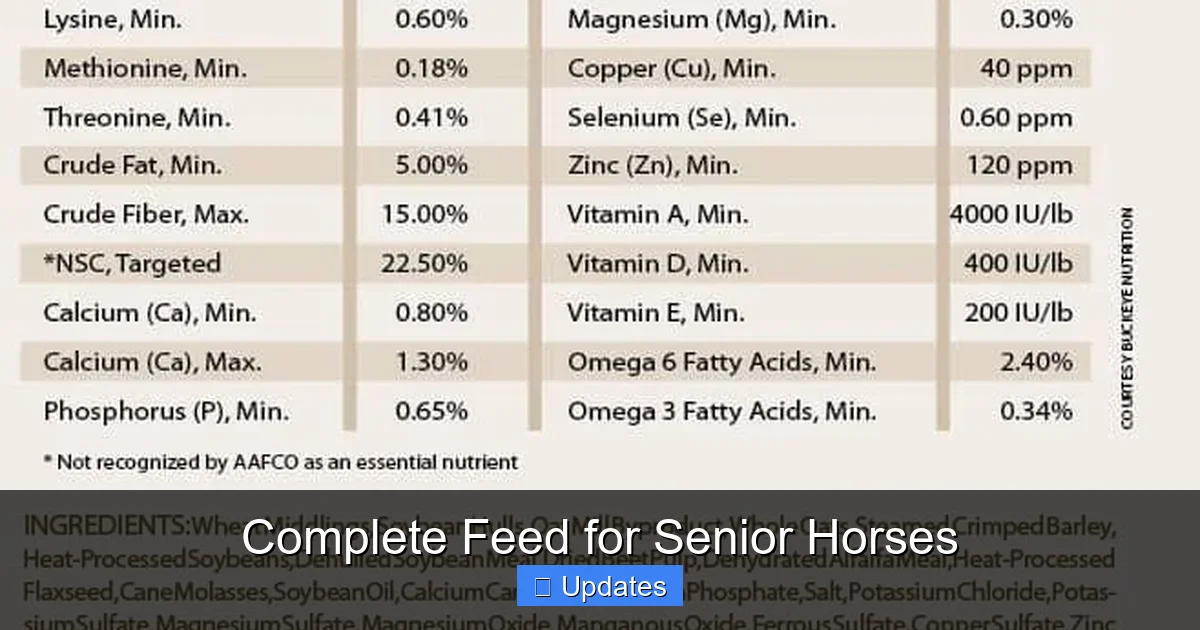
Visual guide about Complete Feed for Senior Horses
Image source: s3.amazonaws.com
With so many options on the market, picking the right complete feed for senior horses can feel overwhelming. But a few simple steps can guide you toward the best choice.
Start by assessing your horse’s current condition. Is he underweight and struggling to gain? Does he have trouble chewing dry hay? Is he prone to laminitis or founder? Each situation calls for slightly different nutritional priorities.
Next, check the guaranteed analysis on the bag. Look for:
– Crude protein between 10% and 14%
– Crude fat at least 5%, ideally up to 8%
– Low starch (<20%)
- Moderate fiber (15–20%)
Also, consider whether your horse has any diagnosed health issues, such as Cushing’s disease, insulin resistance, or gastric ulcers. In those cases, you may need a specialized therapeutic feed rather than a general senior formula.
Finally, don’t overlook palatability. If your horse turns his nose up at the feed, he won’t eat enough to benefit. Try adding warm water to pellets to soften them, or mix in a bit of apple juice (no added sugar) to boost appeal.
Remember, consistency matters. Once you find a feed that works, stick with it unless your vet recommends otherwise.
---
Transitioning Your Senior Horse Safely
Switching feeds too quickly can cause digestive upset, gas, or even colic. Since senior horses are already more vulnerable, a gradual transition is non-negotiable.
Most experts recommend mixing the old feed with the new complete feed for senior horses over a period of 7 to 10 days. Start by replacing 25% of the current ration with the new feed, then increase by another 25% every two to three days until fully switched.
For example:
– Days 1–3: 75% old feed + 25% new feed
– Days 4–6: 50% old feed + 50% new feed
– Days 7–9: 25% old feed + 75% new feed
– Day 10+: 100% new feed
Keep plenty of fresh water available throughout the change. Monitor manure output and behavior closely. If your horse seems uncomfortable or develops diarrhea, slow the transition further.
It’s also wise to feed smaller meals more frequently. Instead of two large buckets per day, try three or four smaller portions. This reduces the workload on the digestive system and improves nutrient uptake.
If your horse has dental problems, consider soaking the pellets or grinding them into a mash. This makes eating easier and ensures he gets full value from every bite.
—
Common Mistakes When Feeding Senior Horses
Even well-meaning owners sometimes make errors when caring for aging equines. Being aware of these pitfalls can prevent unnecessary health issues.
Mistake #1: Overfeeding Protein
While protein is important, too much can strain the kidneys. Senior horses rarely need more than 12–14% crude protein. Excess protein doesn’t equal better performance—and it can actually do more harm than good.
Mistake #2: Ignoring Dental Health
Poor dentition leads to inadequate chewing, malnourishment, and behavioral problems like wood-chewing or refusing feed altogether. Schedule annual dental exams with an equine dentist or veterinarian.
Mistake #3: Skipping Electrolytes
Older horses lose electrolytes through sweat and urine more readily. If yours sweats heavily or lives in a hot climate, consider adding a balanced electrolyte supplement to his routine.
Mistake #4: Relying Solely on Hay
Hay alone won’t cut it for most seniors. Even if your horse maintains weight, he’s likely missing key vitamins and minerals. A complete feed fills those gaps efficiently.
Mistake #5: Not Adjusting for Activity Level
A retired pasture buddy needs far fewer calories than a lightly worked senior. Match the feed to your horse’s actual workload to avoid obesity or weight loss.
Avoiding these mistakes ensures your horse gets consistent, appropriate nutrition year-round.
—
Supporting Overall Health Beyond Nutrition
Feeding the right complete feed for senior horses is only part of the equation. True wellness comes from a holistic approach.
Regular veterinary care is essential. Annual checkups, bloodwork, and hoof trimming help catch problems early. Don’t wait until something seems wrong—proactive care keeps horses thriving longer.
Exercise also plays a vital role. Light turnout, hand-walking, or even riding (if comfortable) helps maintain muscle tone, joint flexibility, and mental engagement. Just remember: never force activity on a stiff or sore horse.
Environmental enrichment matters, too. Provide soft bedding, clean water, and social interaction with other horses when possible. Stress reduction lowers cortisol levels, which supports immune function and digestion.
And yes—don’t forget grooming! Brushing stimulates circulation, removes dead hair, and strengthens your bond with your aging companion.
When combined with quality nutrition, these lifestyle factors create a foundation for a happy, healthy retirement.
—
Real-Life Success Stories
Let’s hear from real horse owners who’ve seen dramatic improvements after switching to a complete feed for senior horses.
Take “Molly,” a 24-year-old Quarter Horse mare who was losing weight despite grazing lush pasture. After her owner switched her to a high-fat, low-starch complete feed with added probiotics, Molly gained 200 pounds in six months and regained her sparkle.
Then there’s “Duke,” a 28-year-old gelding with bad teeth and chronic lameness. His vet recommended a senior feed fortified with glucosamine and chondroitin. Within weeks, Duke started eating eagerly again, and his owner noticed improved joint movement during daily walks.
These stories aren’t unusual. Thousands of senior horses thrive thanks to thoughtful nutrition planning. The right feed, paired with attentive care, can turn even the most fragile-looking veteran into a vibrant member of the barn family.
—
Final Thoughts: Investing in Golden Years
Your horse has given you decades of loyalty, joy, and companionship. Now, it’s your turn to give back.
Choosing a complete feed for senior horses isn’t just about filling a bucket—it’s about honoring your animal’s lifetime of service. It’s an investment in comfort, mobility, and quality of life during their twilight years.
Whether you opt for a trusted brand like Purina or explore emerging alternatives, the key is consistency, observation, and compassion. Watch how your horse responds. Adjust as needed. Celebrate small victories—a shiny coat, springy gait, or eager appetite.
Remember, senior horses deserve the same dignity and care they’ve always received. With the right nutrition and love, their golden years can be truly golden.
For more tips on helping senior horses gain weight safely, check out this guide: Best Weight Gain Supplement For Senior Horses.
—
Frequently Asked Questions
What is the best complete feed for senior horses?
The best complete feed for senior horses depends on individual needs, but highly rated options include Purina Senior and Tribute Senior. These feeds offer balanced nutrition, high digestibility, and added joint support. Always consult your vet to match the feed to your horse’s health status.
Can senior horses eat regular horse feed?
Not necessarily. Regular feeds are often too high in starch and too low in fat, which can overwhelm aging digestive systems. A complete feed for senior horses is specially formulated to meet their unique needs, including lower starch, higher fat, and enhanced vitamins.
How much complete feed should a senior horse eat?
Most senior horses need 1.5 to 2 pounds of complete feed per 100 pounds of body weight daily, divided into 2–3 meals. Adjust based on body condition, activity level, and forage intake. Work with your veterinarian to fine-tune amounts.
Do senior horses need supplements?
In many cases, a high-quality complete feed for senior horses eliminates the need for extra supplements. However, some horses may benefit from added joint support (like MSM or hyaluronic acid) or digestive aids (like prebiotics). Only add supplements after discussing with your vet.
Is beet pulp safe for senior horses?
Yes, beet pulp is an excellent ingredient in senior feeds. It’s highly digestible, rich in fiber, and helps maintain gut health. Soak it in water or broth to make it easier to chew and swallow, especially for horses with dental issues.
How do I know if my senior horse is getting enough nutrition?
Watch for signs like steady body condition, glossy coat, consistent manure, alertness, and willingness to eat. If your horse loses weight, seems lethargic, or refuses feed, consult your vet. A complete feed for senior horses should support these indicators.
