
Cane Safety Tips for Seniors to Walk Confidently


Bathtub Grab Bar
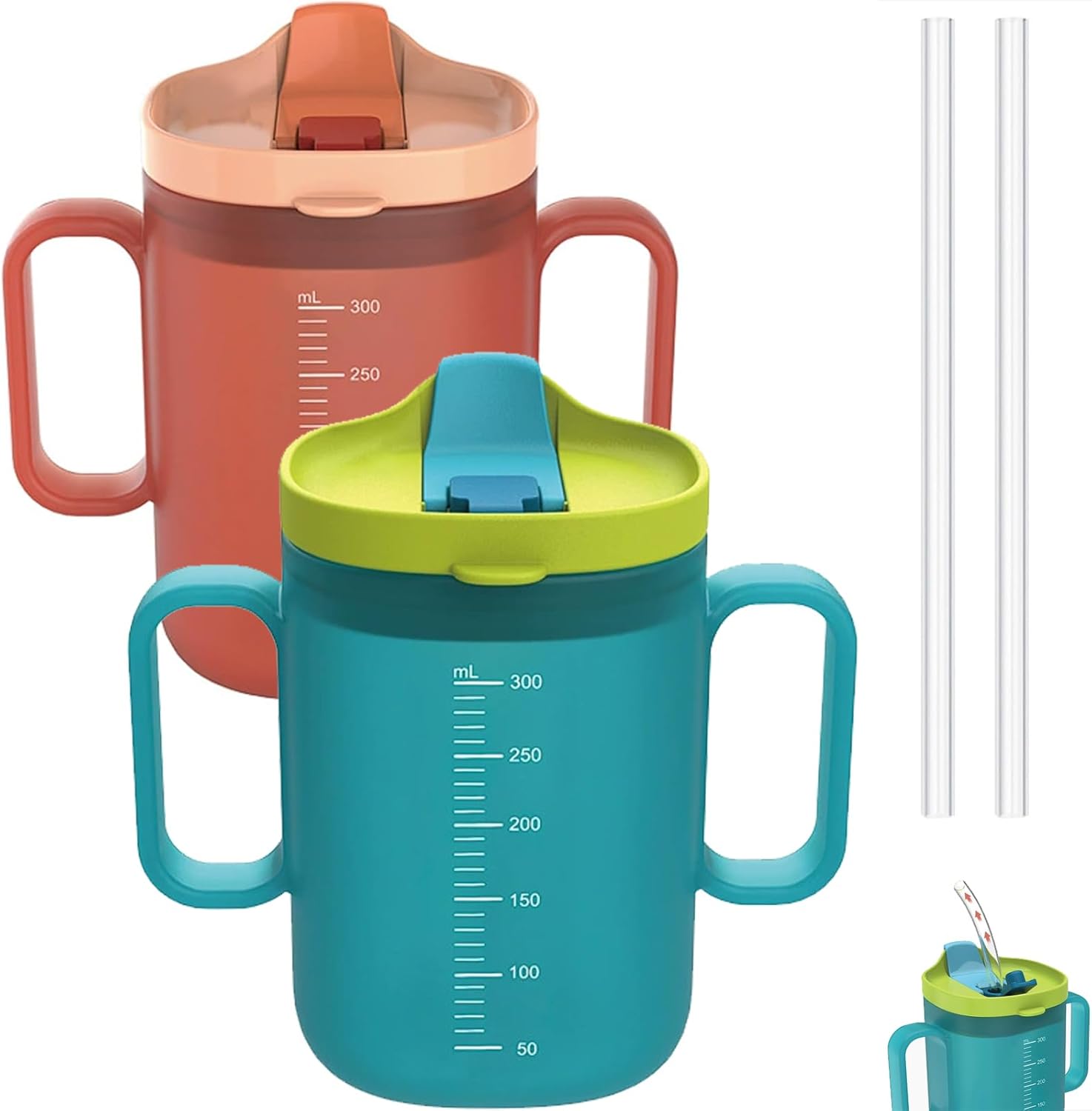
Spill-Proof Adult Cup

Digital Thermometer
Using the right cane, the right fit, and safe walking habits can help seniors stay steadier and more confident. If balance is getting worse or the cane no longer feels secure, talk to your doctor or a physical therapist.
If you use a cane, the right habits can make every step feel steadier and safer. These cane safety tips for seniors focus on fit, posture, daily use, and home changes that help reduce fall risk while supporting confidence and independence.
- Fit matters: Cane height and grip should match the user’s body.
- Use it correctly: Hold the cane on the opposite side of the weaker leg.
- Check it often: Replace worn tips, loose parts, or damaged shafts.
- Reduce hazards: Clear clutter, improve lighting, and manage slippery floors.
- Get help early: Ask a doctor or therapist if walking feels less stable.
Why Cane Safety Matters for Seniors in 2026
A cane is meant to add support, not create new risks. When it is used correctly, it can help a senior feel more stable during daily walking, errands, and short trips around the house.
How a properly used cane supports balance, confidence, and independence
A well-fitted cane can help shift some weight off a sore, weak, or unsteady leg. It may also give the user a better sense of control, which often makes walking less stressful.
That confidence matters. Seniors who feel safer are often more likely to keep moving, which can support day-to-day independence. If balance problems are new or getting worse, talk to your doctor before relying on a cane alone.
Common risks of unsafe cane use at home, outdoors, and in crowded spaces
Unsafe cane use can increase the chance of a stumble or fall. Common problems include the cane being too tall or too short, a worn tip, poor lighting, or trying to move too quickly in busy areas.
At home, risks often come from rugs, narrow hallways, and wet floors. Outdoors, uneven sidewalks, curbs, and weather can make walking harder. In crowded spaces, a cane can get bumped or blocked, so it helps to move slowly and stay aware of the path ahead.
Choosing the Right Cane for the User’s Needs
The best cane depends on the person’s strength, balance, hand comfort, and how much support they need. A cane that looks simple may still be the wrong choice if it does not match the user’s body or walking pattern.
Standard, offset, quad, folding, and ergonomic canes: when each type helps
Standard canes are often used for light support and everyday balance. Offset canes may feel more stable for some users because the handle is shaped to place weight more directly over the shaft.
Quad canes have four small feet and may help when extra stability is needed, though they can be heavier and slower to move. Folding canes are convenient for travel or storage, while ergonomic handles may reduce hand strain for people with arthritis or weak grip. If you have hand, wrist, or shoulder pain, ask a healthcare provider which style makes sense for you.
| Option | Best For | Note |
|---|---|---|
| Standard cane | Light balance support | Simple and easy to carry |
| Offset cane | More comfortable weight placement | Often helpful for regular daily use |
| Quad cane | Extra stability | Can be bulkier and slower indoors |
| Folding cane | Travel and storage | Check locking strength before use |
| Ergonomic cane | Hand comfort | Useful for arthritis or grip pain |
Matching cane height, grip style, and weight capacity to the senior
Cane height matters more than many people realize. If the cane is too tall, the shoulder may shrug upward. If it is too short, the user may bend forward and strain the back.
Grip style should feel secure without forcing the hand into an awkward position. Weight capacity also matters, especially for heavier users or those who lean heavily on the cane. When in doubt, consult your pharmacist, physical therapist, or healthcare provider about the safest option.
Cost and value comparison: budget canes vs. higher-quality options
Budget canes may be fine for short-term or light use, but they are not always the best value if the handle slips, the tip wears out quickly, or the locking parts feel loose. Higher-quality canes often cost more upfront, but they may last longer and feel more secure.
Medicare coverage for canes can vary depending on medical need and the way the cane is obtained, so do not assume it will be covered automatically. If cost is a concern, ask your doctor or insurance plan what documentation is needed before buying.
Essential Cane Safety Tips for Seniors to Use Every Day
Good cane habits are simple, but they need to be repeated every day. Small details like hand placement and walking pace can make a big difference in safety.
Correct hand placement, posture, and walking rhythm with a cane
Hold the cane in the hand opposite the weaker or injured leg unless a clinician tells you otherwise. This helps the cane and the weaker side work together more naturally.
Stand upright, keep your shoulders relaxed, and move the cane forward at the same time as the weaker leg. Then step through with the stronger leg. A steady rhythm is better than rushing. If your gait feels uneven or painful, gentle chair exercises for seniors may help with general mobility, but ask your doctor before starting anything new.
Take short practice walks inside your home before using a cane in busier places. Repetition in a safe space can make the motion feel more natural.
How to step safely on stairs, curbs, ramps, and uneven sidewalks
Stairs require extra caution. A common rule is to lead with the stronger leg going up and the weaker leg going down, while keeping the cane close and stable. If a handrail is available, use it.
On curbs and ramps, slow down and look ahead before each step. Uneven sidewalks and cracked pavement can catch a cane tip, so shorten your stride and avoid carrying heavy bags at the same time.
If you feel dizzy, weak, or unsteady on stairs, do not “push through” it. Stop and ask for help or contact a healthcare provider, especially if the change is sudden.
Practical examples for moving through kitchens, bathrooms, and hallways
Indoor spaces can be surprisingly risky because they often have tight turns and slippery surfaces. In kitchens, wipe up spills right away and keep frequently used items within easy reach so you do not have to stretch while walking.
Bathrooms need special care because wet floors are common. In hallways, keep the path clear of shoes, cords, and baskets. A cane should have enough room to move without catching on furniture corners. If your home layout feels cramped, an occupational therapist may suggest safer room-by-room changes.
Some seniors do better with a walker than a cane, especially if balance is poor. The right device depends on your strength, coordination, and medical history.
How to Fit and Inspect a Cane for Safe Use
Even a good cane can become unsafe if it is not checked regularly. A quick inspection takes only a minute and can prevent problems before they lead to a fall.
Simple height check: elbow bend, wrist alignment, and standing posture
When standing with shoes on, the cane handle should generally line up near the wrist crease, with a slight bend in the elbow when you hold it. This helps the user keep a natural posture without hunching or reaching.
If the cane is adjusted too high or too low, walking may feel awkward and tiring. If you are unsure about fit, ask a physical therapist or doctor to check it during an office visit.
Wear your usual walking shoes and stand as straight as you comfortably can.
The handle should usually line up near the wrist crease when the arm hangs down.
There should be a small bend in the elbow, not a locked or overly bent arm.
Checking the rubber tip, shaft, handle, and locking mechanisms for wear
The rubber tip should still have grip and should not look smooth, cracked, or uneven. The shaft should be straight and free from dents, and the handle should feel secure without wobbling.
For folding or adjustable canes, locking mechanisms need special attention. If the cane clicks, slips, or does not lock firmly, stop using it until it is repaired or replaced. A loose cane can fail when you need it most.
- Rubber tip is not worn smooth
- Shaft is straight and stable
- Handle does not wobble
- Locks and buttons hold firmly
- No cracks, bends, or loose parts
When to replace a cane or add accessories like ice tips or wrist straps
Replace a cane if the tip is worn, the shaft is bent, or the locking system no longer feels secure. A cane that has been dropped often or used outdoors in rough weather may also need replacement sooner.
Accessories can help in the right situation. Ice tips may improve traction in winter, while wrist straps can help prevent dropping the cane when sitting down or reaching for something. Ask your healthcare provider which accessories are safe for your balance needs and walking surface.
Common Cane Mistakes That Increase Fall Risk
Many falls happen because of small habits that seem harmless. The good news is that these mistakes are usually easy to correct once you know what to look for.
Using the cane on the wrong side or moving it too far ahead
The cane usually belongs on the opposite side of the weaker leg. Using it on the wrong side can make the body twist and may reduce support instead of improving it.
Another common mistake is placing the cane too far ahead. That can make the user lean forward and lose balance. Keep the cane close enough to feel stable, then step naturally rather than reaching for it.
Leaning too much on the cane or using it with an unsteady gait
A cane is helpful, but it is not meant to carry all of your weight. If you find yourself hanging heavily on it, the device may no longer be enough support.
An unsteady gait, meaning an uneven walking pattern, can also make a cane less effective. If walking has become much harder, ask your doctor whether a walker, therapy, or another support option is safer.
If you recently started dragging a foot, feeling faint, or needing the cane much more than before, get medical advice soon. Sudden changes in walking can signal a problem that needs attention.
Ignoring slippery floors, loose rugs, poor lighting, and clutter
Even a well-used cane cannot fix a dangerous environment. Wet tile, loose throw rugs, dark hallways, and cluttered walkways all raise fall risk.
Caregivers should look at the whole path, not just the cane. Safe walking depends on both the person and the space around them. For more home-focused safety ideas, see walk-in showers for seniors safety and other bathroom changes that can reduce slipping.
Home and Outdoor Safety Adjustments That Support Cane Users
Small changes at home and outside can make cane use easier and safer. These adjustments often help seniors stay independent longer while lowering everyday strain.
Room-by-room fall prevention ideas for safer cane walking indoors
In the bedroom, keep a clear path from the bed to the bathroom. In the living room, move cords, footstools, and low tables out of the main walking route.
In the kitchen, store everyday items at waist height so there is less reaching. In the bathroom, use non-slip mats only if they lie flat and do not bunch up. Good lighting in every room helps the user see the cane tip and the floor more clearly.
Outdoor walking tips for wet pavement, snow, gravel, and uneven paths
Outside, slower is safer. Wet pavement, snow, ice, and gravel can all make the cane tip slide or sink. Wear shoes with good traction and avoid carrying so much that one hand cannot stay free for balance.
On uneven paths, shorten your stride and watch for changes in surface height. If weather is bad, it is often wiser to wait or ask for help than to risk a fall. When winter conditions are common where you live, ask a pharmacist or healthcare provider whether a cane with better traction is appropriate.
Helpful mobility aids and home modifications that complement cane use
Some seniors benefit from added tools such as grab bars, raised toilet seats, bright night lights, or a second handrail on stairs. These changes do not replace a cane, but they can make daily movement easier and safer.
In some homes, a cane works best alongside other support options, such as a walker in the house or a transport chair for longer outings. If your needs are changing, consider a broader home safety review, similar to the kind discussed in in-home senior care safety planning.
When to Ask a Professional for Help
It is smart to ask for help before a small balance issue becomes a serious fall. A professional can look at your walking pattern, your cane fit, and the safety of your home together.
Warning signs that a cane is no longer enough for safe mobility
If you are falling, nearly falling, or feeling exhausted after short walks, a cane may no longer provide enough support. Other warning signs include severe weakness, poor coordination, or needing to hold onto walls and furniture.
Also pay attention if the cane feels like a burden rather than a help. That can be a sign that you need a different mobility aid or a fresh evaluation.
When to consult a doctor, physical therapist, or occupational therapist
Talk to your doctor if your balance has changed, if pain is affecting your walking, or if you are not sure whether a cane is the right device. A physical therapist can help with gait, which means the way you walk, and an occupational therapist can suggest safer ways to move around your home.
These recommendations may depend on your condition, medications, vision, and overall strength. If you take medicines that may cause dizziness, ask your pharmacist or healthcare provider whether that could affect your balance.
How expert guidance can improve gait, fit, and long-term safety
Professional guidance can help correct cane height, improve walking rhythm, and reduce strain on the hands, shoulders, and back. It can also help you decide whether a cane, walker, or another support is the safest choice.
That kind of support is especially valuable after surgery, illness, a fall, or a sudden change in mobility. A little expert help now may prevent bigger problems later.
Final Recap: Walking Confidently and Safely with a Cane
With the right fit, good posture, and a safe home environment, a cane can be a dependable everyday tool. The goal is not just to walk, but to walk with more confidence and less worry.
Key cane safety habits seniors and caregivers should remember in 2026
Check cane height, keep the rubber tip in good condition, and use the cane on the correct side. Move slowly on stairs, curbs, and slippery ground, and keep indoor pathways clear of clutter and loose rugs.
Caregivers can help by noticing worn parts, poor lighting, and changes in walking ability. If something feels off, do not guess—ask a doctor or therapist to review the situation.
Encouragement for building confidence through proper fit, practice, and support
Confidence with a cane usually grows with practice and the right setup. A safe, comfortable cane can make daily movement feel less tiring and more manageable.
If you are still unsure about the best cane safety tips for seniors in your situation, start with a professional checkup and a home safety review. Small changes can make a meaningful difference in comfort, stability, and peace of mind.
Frequently Asked Questions
Most seniors hold the cane in the hand opposite the weaker or injured leg. This helps the cane support the body more naturally and can improve balance. If a doctor or therapist gives different instructions, follow those instead.
When standing upright with shoes on, the cane handle should usually line up near the wrist crease. There should also be a slight bend in the elbow when holding it. If the fit feels awkward, ask a physical therapist or doctor to check it.
Replace a cane if the rubber tip is worn, the shaft is bent, the handle wobbles, or the locking parts no longer feel secure. A cane that slips or feels unstable should not be used until it is repaired or replaced.
No. Some seniors need a walker or another mobility aid for safer walking. If you are falling, leaning heavily on the cane, or feeling much less steady, talk to your doctor or a physical therapist.
Clear walkways, remove loose rugs, improve lighting, and keep floors dry. Grab bars, railings, and non-slip surfaces can also make daily walking safer.
Some canes with ergonomic grips may feel more comfortable for people with arthritis or hand pain. The best choice depends on the person’s condition, so it is wise to consult a healthcare provider before buying.