
Business Plan for Senior Day Care Center


Lightweight Vacuum Cleaner

Easy Grip Kitchen Utensils

Smart Health Watch for Seniors
Starting a senior day care center is a rewarding way to support aging adults while building a sustainable business. This comprehensive guide walks you through every step—from market research and licensing to staffing and daily operations—so you can create a safe, engaging, and profitable center for seniors.
Key Takeaways
- Understand the growing demand: The aging population is increasing rapidly, creating a strong need for quality senior day care services.
- Conduct thorough market research: Analyze your local area to identify gaps in services, target demographics, and competition.
- Secure proper licensing and insurance: Compliance with state and federal regulations is essential to operate legally and safely.
- Design a welcoming, accessible facility: Your space should be safe, comfortable, and equipped for seniors with mobility or cognitive challenges.
- Hire compassionate, trained staff: Qualified caregivers and activity coordinators are the heart of your center’s success.
- Develop engaging programs: Offer a mix of physical, mental, and social activities to enhance seniors’ well-being.
- Create a solid financial plan: Budget for startup costs, ongoing expenses, and revenue streams to ensure long-term sustainability.
📑 Table of Contents
- Why Start a Senior Day Care Center?
- Understanding the Market and Your Target Audience
- Creating a Solid Business Plan
- Legal, Licensing, and Insurance Requirements
- Designing a Safe and Welcoming Facility
- Hiring and Training Your Team
- Developing Engaging Programs and Activities
- Financial Planning and Revenue Streams
- Conclusion
Why Start a Senior Day Care Center?
The number of adults aged 65 and older is growing faster than ever. According to the U.S. Census Bureau, one in six Americans will be over 65 by 2030. With this demographic shift comes a rising need for supportive services that help seniors stay active, healthy, and connected—without requiring full-time residential care. That’s where a senior day care center comes in.
A senior day care center offers a safe, structured environment where older adults can spend their days engaging in social activities, receiving light medical supervision, and enjoying nutritious meals—all while giving family caregivers much-needed respite. Unlike nursing homes or assisted living facilities, these centers are typically daytime-only, making them a flexible and cost-effective option for families. Starting such a business isn’t just profitable—it’s deeply meaningful. You’re not just running a business; you’re improving lives.
Understanding the Market and Your Target Audience
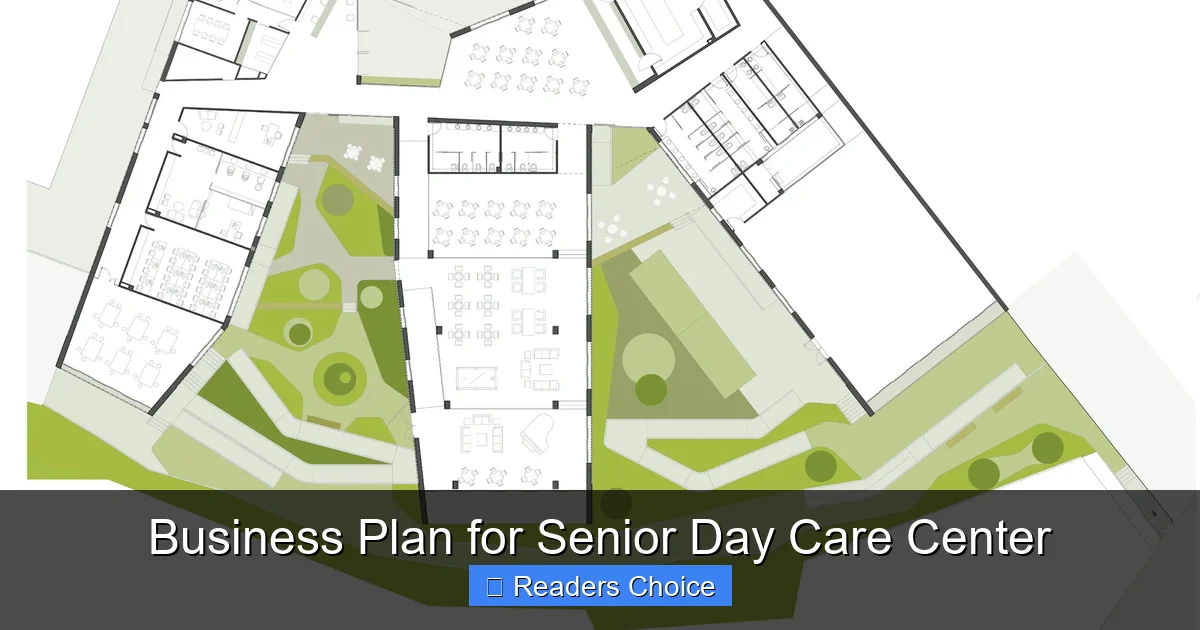
Before opening your doors, it’s crucial to understand who you’re serving and what they need. A successful business plan for a senior day care center begins with solid market research.
Visual guide about Business Plan for Senior Day Care Center
Image source: images.adsttc.com
Identify Your Local Demand
Start by analyzing your city or town. How many seniors live within a 10- to 15-mile radius? Are there existing day care centers, and if so, are they full? Look at census data, local health department reports, and senior advocacy groups for insights. For example, if your area has a high percentage of retirees but only one small day care center with a waiting list, that’s a strong signal of unmet demand.
Define Your Ideal Client
Not all seniors have the same needs. Some may require help with mobility or medication management, while others simply want companionship and mental stimulation. Segment your target audience:
- Active seniors: Independent but seeking social engagement and light activities.
- Seniors with mild cognitive impairment: Need structured routines and memory support.
- Seniors with chronic conditions: Require monitoring for diabetes, hypertension, or heart disease.
- Caregiver-relief clients: Families needing daytime supervision so they can work or rest.
Understanding these groups helps you tailor your services and marketing messages.
Analyze the Competition
Visit nearby senior centers, adult day services, and community programs. Note their pricing, hours, activities, and staff-to-client ratios. Ask families what they like—and what’s missing. Maybe competitors lack transportation services or don’t offer dementia-specific programs. These gaps are your opportunities.
Creating a Solid Business Plan
A well-crafted business plan is your roadmap to success. It guides your decisions, attracts investors, and keeps you focused. Here’s what to include:
Visual guide about Business Plan for Senior Day Care Center
Image source: cdnassets.hw.net
Executive Summary
This is a one- to two-page overview of your entire plan. Summarize your mission, target market, services, location, and financial goals. Even though it comes first, write it last—it should reflect everything else in your plan.
Company Description
Explain what your center will do, who it serves, and what makes it unique. For example: “Sunshine Senior Day Care provides compassionate, engaging daytime care for older adults in a safe, home-like environment. We specialize in cognitive stimulation and mobility support, with a focus on dignity and independence.”
Services Offered
List your core services clearly. Common offerings include:
- Supervised daytime care (typically 8 a.m. to 5 p.m.)
- Health monitoring (blood pressure checks, medication reminders)
- Nutritious meals and snacks
- Physical therapy and exercise programs
- Art, music, and memory games
- Transportation to and from the center
- Caregiver support groups and resources
You can also offer premium add-ons like pet therapy, gardening clubs, or intergenerational programs with local schools.
Marketing and Sales Strategy
How will you attract clients? Start with referrals from doctors, social workers, and senior centers. Build relationships with local hospitals and rehab facilities—they often refer patients recovering from surgery or stroke. Attend senior fairs, host open houses, and create a simple website with photos, testimonials, and contact info.
Use word-of-mouth marketing by offering referral discounts. For example, “Refer a friend and get one free day of care.” Also, consider partnering with home health agencies or meal delivery services to cross-promote.
Operational Plan
This section covers the day-to-day running of your center. Include:
- Hours of operation
- Staffing schedule and roles
- Daily routines (arrival, meals, activities, departure)
- Safety protocols (emergency plans, fire drills, first aid)
- Technology use (electronic health records, scheduling software)
For example, you might start each day with a gentle stretching session, followed by breakfast and a health check. Mid-morning could include a craft activity, while afternoons feature music therapy or a guest speaker.
Legal, Licensing, and Insurance Requirements
Operating a senior day care center involves strict regulations to ensure safety and quality. Don’t skip this step—non-compliance can lead to fines or closure.
Visual guide about Business Plan for Senior Day Care Center
Image source: i.pinimg.com
Licensing and Certification
Most states require adult day care centers to be licensed. Requirements vary, but typically include:
- Background checks for all staff
- Staff training in first aid, CPR, and dementia care
- Minimum staff-to-client ratios (often 1:6 for active seniors, 1:4 for those with higher needs)
- Facility inspections for safety and accessibility
Contact your state’s Department of Health or Aging Services to get the exact rules. Some states also offer certification programs that can boost your credibility.
Insurance Coverage
Protect your business with the right insurance policies:
- General liability insurance: Covers accidents or injuries on your property.
- Professional liability (malpractice) insurance: Protects against claims of negligence.
- Workers’ compensation: Required if you have employees.
- Property insurance: Covers damage to your building and equipment.
- Abuse and molestation coverage: Especially important when working with vulnerable populations.
Work with an insurance agent who understands senior care businesses to get comprehensive coverage.
Compliance with ADA and HIPAA
Your facility must comply with the Americans with Disabilities Act (ADA), meaning it should be wheelchair accessible, have grab bars in bathrooms, and clear signage. You’ll also need to follow HIPAA regulations to protect clients’ health information. Use secure digital records and train staff on privacy practices.
Designing a Safe and Welcoming Facility
The physical space of your center plays a huge role in client comfort and safety. A well-designed environment reduces stress and encourages participation.
Location and Layout
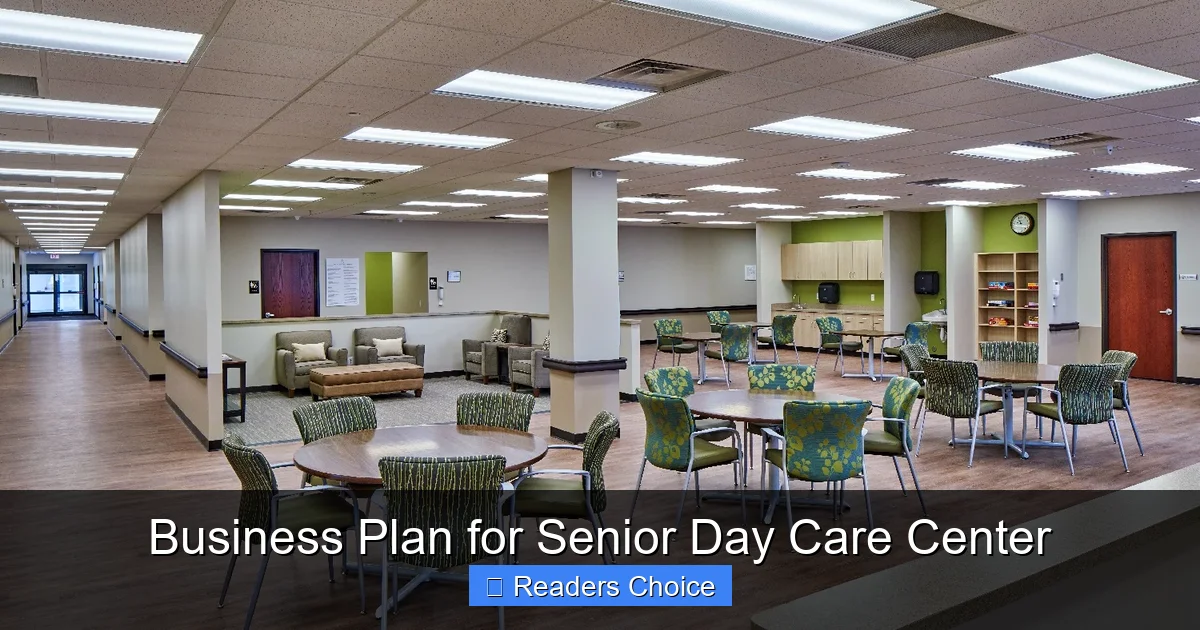
Choose a location that’s easy to reach—near public transit, hospitals, or residential neighborhoods. Avoid busy streets or noisy areas. The building should have:
- Wide doorways and hallways for wheelchairs
- Non-slip flooring
- Bright, natural lighting
- Quiet spaces for rest or one-on-one conversations
- A secure outdoor area for walking or gardening
Open floor plans work well, allowing staff to supervise multiple areas at once. Include a dining room, activity room, quiet lounge, and private rooms for health checks.
Furniture and Equipment
Invest in sturdy, comfortable furniture with armrests and high backs to help seniors sit and stand safely. Use contrasting colors to help those with vision issues navigate the space. Essential equipment includes:
- Blood pressure monitors and thermometers
- Wheelchairs and walkers
- Activity supplies (puzzles, art materials, musical instruments)
- Kitchen appliances for meal prep
- Emergency call buttons in restrooms
Consider adding technology like tablets for virtual family visits or cognitive games.
Creating a Homelike Atmosphere
Seniors respond well to familiar, cozy environments. Use warm colors, family photos, plants, and soft music. Avoid clinical or institutional feels. Let clients personalize their spaces with photos or small mementos. This sense of belonging boosts morale and reduces anxiety.
Hiring and Training Your Team
Your staff are the heart of your center. They need to be skilled, compassionate, and reliable.
Key Roles to Fill
Start with these essential positions:
- Director/Administrator: Oversees operations, compliance, and finances.
- Program Coordinator: Plans and leads daily activities.
- Certified Nursing Assistant (CNA) or Licensed Practical Nurse (LPN): Handles health monitoring and medication.
- Caregivers/Attendants: Assist with daily needs like eating, toileting, and mobility.
- Kitchen Staff: Prepares meals that meet dietary needs.
- Transportation Driver: Picks up and drops off clients safely.
You may start small and grow your team as enrollment increases.
Hiring Tips
Look for candidates with experience in elder care, patience, and strong communication skills. Conduct thorough interviews and reference checks. Ask scenario-based questions like, “How would you handle a client who refuses to take their medication?”
Ongoing Training
Provide regular training on topics like dementia care, infection control, and emergency response. Encourage staff to pursue certifications in gerontology or activity therapy. Happy, well-trained employees lead to happier clients.
Developing Engaging Programs and Activities
Activities aren’t just fun—they’re vital for mental, physical, and emotional health. A strong program keeps seniors coming back and improves their quality of life.
Daily Schedule Ideas
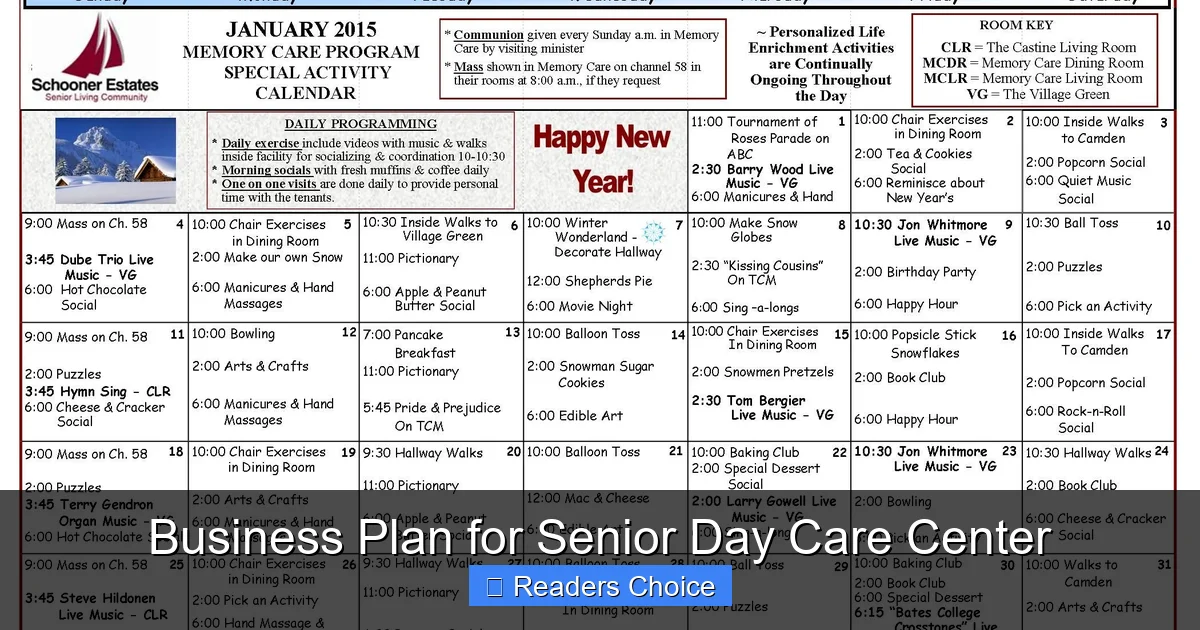
Structure the day to balance activity and rest. Here’s a sample schedule:
- 8:30 a.m.: Arrival and welcome coffee
- 9:00 a.m.: Light exercise (chair yoga or stretching)
- 10:00 a.m.: Cognitive activity (puzzles, trivia, or memory games)
- 11:00 a.m.: Creative time (painting, knitting, or music)
- 12:00 p.m.: Lunch and socializing
- 1:00 p.m.: Rest or quiet reading
- 2:00 p.m.: Group discussion or guest speaker
- 3:00 p.m.: Outdoor walk or gardening
- 4:00 p.m.: Snack and departure prep
Rotate activities weekly to keep things fresh.
Special Programs
Offer themed days or seasonal events:
- “Music Mondays” with live performances
- “Trivia Tuesdays” with prizes
- “Wellness Wednesdays” with health talks
- “Family Fridays” where relatives can join for lunch
Partner with local artists, musicians, or therapists to bring in fresh talent.
Supporting Diverse Needs
Adapt activities for different abilities. For example, offer large-print puzzles for those with vision loss or seated exercises for those with limited mobility. Include sensory activities like aromatherapy or texture boards for clients with dementia.
Financial Planning and Revenue Streams
A sustainable business plan for a senior day care center includes realistic financial projections and multiple income sources.
Startup Costs
Estimate your initial investment. Typical startup costs include:
- Lease or purchase of property: $50,000–$200,000+
- Renovations and accessibility upgrades: $20,000–$50,000
- Furniture and equipment: $15,000–$30,000
- Licensing and legal fees: $2,000–$5,000
- Marketing and website: $3,000–$7,000
- Initial staff salaries: $10,000–$20,000
Total startup costs can range from $100,000 to $300,000, depending on location and scale.
Ongoing Expenses
Monthly operating costs might include:
- Rent or mortgage: $3,000–$8,000
- Staff salaries and benefits: $15,000–$25,000
- Utilities and maintenance: $1,000–$2,000
- Food and supplies: $2,000–$4,000
- Insurance and licensing renewals: $500–$1,000
- Marketing and software: $500–$1,000
Track expenses carefully and adjust as needed.
Revenue Streams
Generate income through:
- Daily or weekly fees: $75–$150 per day, depending on services.
- Monthly memberships: Discounted rates for regular clients.
- Transportation fees: $10–$20 per trip.
- Special programs: Charge extra for workshops or outings.
- Grants and donations: Apply for senior care grants or seek community sponsors.
- Partnerships: Offer space to therapists or counselors for a fee.
Aim for a mix of private pay and insurance reimbursements. Some Medicaid programs cover adult day care, so check your state’s eligibility.
Break-Even Analysis
Calculate how many clients you need to cover costs. For example, if your monthly expenses are $25,000 and you charge $100 per day, you’ll need about 25 clients attending 10 days per month to break even. Plan for a gradual ramp-up—start with 10–15 clients and grow over time.
Conclusion
Starting a senior day care center is a meaningful and viable business opportunity. With the right planning, you can create a safe, joyful space where older adults thrive and families find peace of mind. From understanding your market to designing engaging programs and managing finances, every step matters.
Remember, this isn’t just about profit—it’s about purpose. You’re building a community where seniors feel valued, active, and connected. Take the time to plan carefully, seek expert advice, and stay flexible. With compassion and commitment, your senior day care center can become a cornerstone of your community for years to come.
Frequently Asked Questions
How much does it cost to start a senior day care center?
Startup costs typically range from $100,000 to $300,000, depending on location, facility size, and equipment needs. This includes rent, renovations, staffing, licensing, and initial marketing.
Do I need a medical background to run a senior day care center?
No, but you should hire qualified medical staff like CNAs or LPNs. As the owner, focus on management, compliance, and operations while relying on trained professionals for health-related tasks.
Can senior day care centers accept Medicaid?
Some states allow Medicaid reimbursement for adult day care services. Check with your state’s Medicaid office to see if your center can become a certified provider.
How many staff members do I need?
Staffing depends on your client count and their needs. A common ratio is one staff member for every four to six seniors. Start with a small team and expand as enrollment grows.
What activities are best for seniors with dementia?
Focus on sensory stimulation, routine-based tasks, and familiar music or photos. Avoid overstimulation and provide quiet spaces for rest. Trained dementia caregivers can help design appropriate programs.
How can I attract clients to my senior day care center?
Build relationships with doctors, social workers, and senior centers. Offer free trial days, host community events, and use word-of-mouth referrals. A welcoming website and positive reviews also help.