
Bose vs Sony Noise Cancelling Headphones for Seniors: Which?


Raised Toilet Seat
Audiobook Player

LED Clip Reading Light
Bose vs Sony noise cancelling headphones for seniors is a useful comparison for anyone who wants quiet listening without a complicated setup. Both brands offer premium over-ear headphones with active noise cancellation, wireless listening, and features that can help with travel, TV, music, and calls.
For seniors, the choice is not only about sound quality. Comfort, simple controls, battery life, noise control, and ease of setup can matter just as much. The current Bose QuietComfort Ultra Headphones (2nd Gen) and Sony WH-1000XM6 are both feature-rich options, but they take slightly different approaches.
Quick Comparison
Both are strong choices for seniors who want premium noise cancellation.
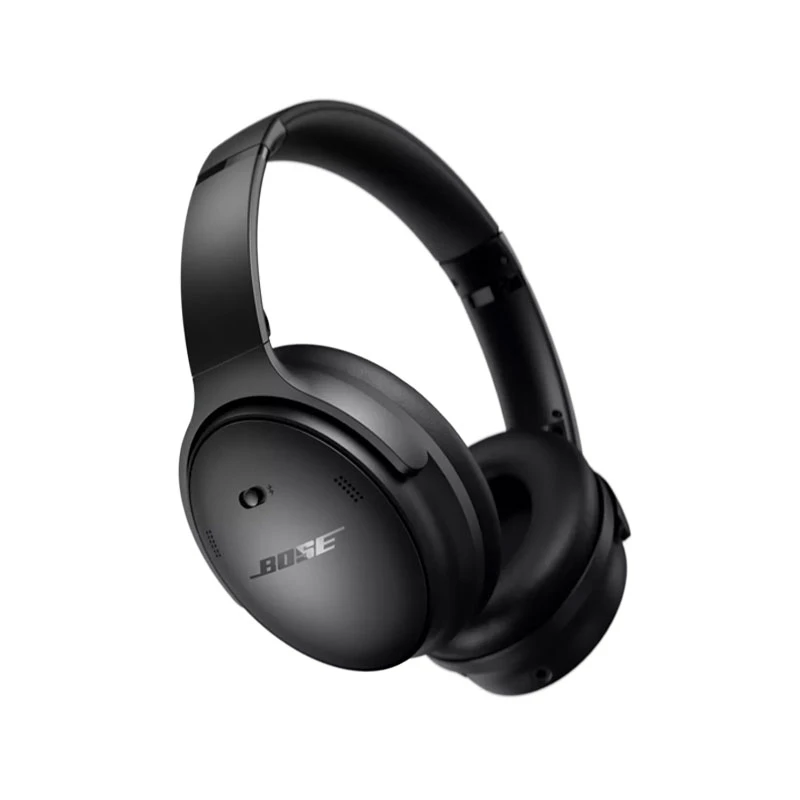
Bose is a particularly appealing option for seniors who value comfort and simple physical controls. Bose uses push buttons on the earcups, and its current QuietComfort line is designed around plush earcups and long listening sessions.
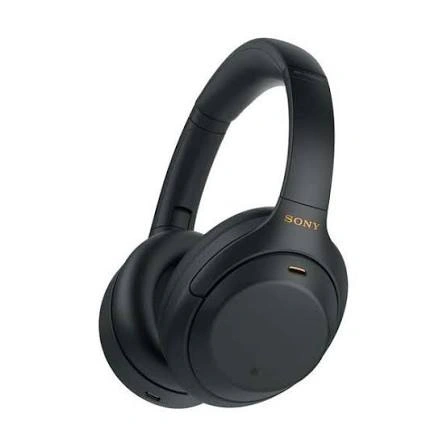
Sony is a strong fit for seniors who want longer battery life and more advanced noise-control features. The WH-1000XM6 offers up to 30 hours with noise cancelling on and 40 hours with it off.
The biggest difference is simple: Bose puts a strong focus on comfort and easy physical control, while Sony combines comfort with a broader set of advanced listening features.
Bose vs Sony At a Glance
The table below focuses on features that can affect everyday senior use.
| Feature | Bose QC Ultra 2nd Gen | Sony WH-1000XM6 |
|---|---|---|
| Noise cancellation | Excellent, adaptive | Advanced adaptive ANC |
| Battery with ANC | Up to 30 hours | Up to 30 hours |
| Battery without ANC | Not the main listed figure | Up to 40 hours |
| Controls | Buttons + volume slider | Touch controls |
| Multipoint | Yes | Yes |
| Ambient listening | Aware Mode | Ambient Sound |
| Weight | Premium over-ear design | Approx. 8.96 oz |
| App | Bose app | Sony app |
| Wired listening | USB-C lossless audio | 3.5 mm cable |
| Main senior appeal | Comfort and physical controls | Battery and advanced features |
Sony lists the WH-1000XM6 at about 8.96 ounces, with 30 hours of battery life with noise cancelling enabled and 40 hours with it disabled. Bose lists up to 30 hours for the QC Ultra 2nd Gen.
Bose QC Ultra 2nd Gen Review for Seniors
Bose designed the QuietComfort Ultra 2nd Gen as a premium over-ear headphone with strong noise cancellation, plush earcups, and several listening modes. It also adds USB-C lossless audio and improved adaptive noise cancellation.
Ease of Use
Physical controls can be helpful for people who do not want to manage every setting through a phone.
The Bose design uses buttons and a volume slider. The headphones can also switch between listening modes, while the Bose app provides extra settings.
For a senior who wants to put on the headphones and adjust basic functions without looking at a screen, this design can be convenient.
Key Strengths
- Plush earcups designed for extended listening
- Strong active noise cancellation
- Aware Mode for hearing surrounding sounds
- Up to 30 hours of battery life
- Bluetooth multipoint
- USB-C lossless audio
- Physical controls
- Customizable listening modes
Potential Drawbacks
- Premium pricing
- Many advanced settings may be unnecessary for simple listening
- The Bose app adds another layer of setup
- Larger over-ear headphones may not suit everyone
Bose says the QC Ultra 2nd Gen can play for up to 30 hours in Quiet and Aware modes, although Immersive Audio reduces that figure.
Sony WH-1000XM6 Review for Seniors
The Sony WH-1000XM6 is a premium noise-cancelling headphone with adaptive noise-control technology, multipoint connectivity, ambient sound features, and several audio options. Sony lists a 30-hour battery life with noise cancelling enabled.
Ease of Use
Sony gives users many ways to control listening. That can be useful, but it also means there are more features to learn.
The WH-1000XM6 supports multipoint connections, ambient sound, automatic ambient sound, and a personal noise-cancelling optimizer.
For a senior who enjoys adjusting settings, this flexibility can be useful. For someone who prefers very simple operation, the number of options may take more time to learn.
Key Strengths
- Up to 30 hours with noise cancelling
- Up to 40 hours without noise cancelling
- Adaptive noise-control features
- Ambient Sound mode
- Multipoint connection
- Quick Attention feature
- 3.5 mm wired connection
- Relatively light 8.96-ounce design
Potential Drawbacks
- Touch-based controls may take some practice
- Many features are controlled through software
- Advanced settings can feel unnecessary for simple listening
- Premium pricing
Sony’s official specifications confirm the WH-1000XM6 supports multipoint connections, ambient sound, Quick Attention, and up to 30 hours of continuous music playback with noise cancelling enabled.
Which Is Easier for Seniors to Use?
Ease of use depends on how the headphones will be used.
Bose has an advantage for people who prefer physical buttons. You can feel the controls on the earcups instead of relying mainly on a touch surface or phone app. Bose specifically describes its current QuietComfort headphones as using physical buttons for controls.
Sony offers more advanced control options, but that can create a slightly larger learning curve.
For simple daily operation, Bose may be easier for seniors who prefer tactile controls.
For seniors comfortable with smartphones and apps, Sony’s additional controls may be useful rather than confusing.
Performance Comparison
Both headphones are designed for strong noise cancellation.
Bose’s QC Ultra 2nd Gen uses an updated adaptive noise-cancellation system. Bose also says its ActiveSense technology can respond to sudden loud sounds while using Aware Mode.
Sony’s WH-1000XM6 uses an adaptive noise-cancelling system with a Personal NC Optimizer and atmospheric-pressure optimization.
| Performance Area | Bose | Sony |
|---|---|---|
| Noise cancellation | Strong adaptive ANC | Strong adaptive ANC |
| Ambient listening | Aware Mode | Ambient Sound |
| Travel | Excellent fit for travel | Excellent fit for travel |
| Calls | Improved voice pickup | Strong microphone system |
| Wired use | USB-C lossless + cable options | 3.5 mm cable |
| Battery with ANC | Up to 30 hours | Up to 30 hours |
The two are close in the areas most people care about. The better choice may depend more on controls and comfort than on headline noise-cancelling performance.
Comfort, Accessibility, and Senior-Friendly Design
Comfort matters when headphones may be worn for an hour or more.
Bose emphasizes plush earcups and pressure distribution for extended listening. Sony’s WH-1000XM6 weighs approximately 8.96 ounces, which can be useful for users who prefer a lighter headphone design.
Seniors who wear glasses should also pay attention to the fit around the ears. A good seal can affect both comfort and noise cancellation.
There is no single fit that works for every person.
Features Comparison
The most useful features are the ones that reduce daily effort.
| Feature | Bose QC Ultra 2nd Gen | Sony WH-1000XM6 |
|---|---|---|
| Noise modes | Quiet, Aware, Immersion, Cinema | Noise Canceling, Ambient Sound |
| Multipoint | Yes | Yes |
| App control | Bose app | Sony app |
| Advanced audio | Immersive Audio | DSEE Extreme, LDAC |
| Wired audio | USB-C lossless | 3.5 mm |
| Automatic features | On-head detection | Auto ambient features |
| Voice features | Built-in voice control | Voice assistant support |
Bose’s current flagship adds Cinema Mode and USB-C lossless audio, while Sony supports LDAC and DSEE Extreme.
Price, Maintenance, and Long-Term Value
These are premium headphones, so neither is aimed at buyers who only want basic wireless listening.
Bose lists the QC Ultra 2nd Gen at $449 in the U.S. Sony’s current WH-1000XM6 specifications establish the feature set, while actual retail prices can change over time.
For long-term value, consider:
- How often the headphones will be used
- Whether comfort matters more than advanced features
- Battery requirements
- Wired listening needs
- Replacement accessories
- App and software support
- Warranty coverage in your country
A cheaper sale price does not automatically make one better value. A headphone that is comfortable and easy to use may provide more practical value if it gets used every day.
Who Should Choose Bose?
Choose Bose if:
- Physical controls are important.
- Comfort is a top priority.
- The user wants strong noise cancellation.
- Simple listening modes are preferred.
- Long listening sessions are common.
- The user wants USB-C lossless audio.
- The user prefers a tactile control system.
Who Should Choose Sony?
Choose Sony if:
- Battery flexibility is important.
- The user wants up to 40 hours without noise cancelling.
- Advanced noise-control features are useful.
- The user is comfortable using smartphone apps.
- Multipoint connectivity is important.
- The user wants LDAC and other advanced audio features.
- A lighter design is appealing.
Bose vs Sony — Final Verdict
Best for comfort and physical controls: Bose QC Ultra 2nd Gen
Best for advanced features: Sony WH-1000XM6
Best for battery flexibility: Sony WH-1000XM6
Best for simple tactile operation: Bose QC Ultra 2nd Gen
The choice is less about finding one universally better headphone and more about matching the design to the user. Bose makes a strong case for seniors who want comfort and easy-to-feel controls. Sony makes a strong case for users who want advanced features, long battery life, and extensive customization.
Scoring Summary
A simple score can hide important differences, so these numbers should be treated as a practical comparison rather than laboratory measurements.
| Category | Bose | Sony |
|---|---|---|
| Ease of Use | 9/10 | 8/10 |
| Senior-Friendly Design | 9/10 | 8/10 |
| Noise Control | 9/10 | 9/10 |
| Battery | 9/10 | 10/10 |
| Feature Range | 9/10 | 10/10 |
| Comfort Focus | 10/10 | 9/10 |
These scores reflect the features and design differences discussed above. They are not manufacturer ratings or laboratory test results.
How We Evaluate Products
We focus on practical factors that can affect everyday senior use.
These include:
- Ease of use
- Physical controls
- Comfort
- Noise control
- Battery life
- Setup
- Connectivity
- Maintenance
- Long-term value
- Practical accessibility
We do not treat marketing claims as personal testing results. Current product information is checked against manufacturer sources where available.
Senior-Specific Buying Considerations
Before choosing either headphone, consider how the person will actually use it.
Controls
Physical buttons may be easier for users who prefer tactile feedback. Touch controls can be convenient once learned.
Comfort
Check the earcup size, headband fit, and overall weight. A premium headphone is not useful if it becomes uncomfortable after a short time.
Battery
Think about charging habits. Sony offers up to 30 hours with ANC and 40 hours without it, while Bose lists up to 30 hours for the QC Ultra 2nd Gen.
Setup
Both products use companion apps for additional features. Someone who prefers a simple setup may want help during the first configuration.
Hearing Surroundings
Noise cancellation should not be used in situations where awareness of important surroundings is necessary. Both brands provide ambient or aware listening modes.
Common Buying Mistakes
Avoid these mistakes when choosing between Bose and Sony:
- Choosing only by brand name
- Ignoring headphone weight
- Assuming more features always mean easier use
- Forgetting about charging habits
- Ignoring physical controls
- Buying premium features that will never be used
Safety
Keep the volume at a comfortable level, especially during long listening sessions.
Noise cancellation can make outside sounds less noticeable. Use an ambient or aware mode when environmental awareness is important.
Also keep the headphones and charging equipment dry, and use the supplied or compatible charging accessories according to the manufacturer’s instructions.
Conclusion
Bose and Sony both offer strong noise-cancelling headphones for seniors, but their strengths differ. Bose QC Ultra 2nd Gen places a strong emphasis on comfort, physical controls, and a simple listening experience. Sony WH-1000XM6 offers excellent battery flexibility and a wide range of advanced features.
For a senior who wants comfort and easy tactile control, Bose is a natural fit. For someone who enjoys advanced features, long battery life, and smartphone customization, Sony may be the better match. The most important step is to choose the design that feels comfortable and manageable for the person who will actually wear it.
