
Best Walkers for Seniors Top Picks for Safety and Comfort


Easy Grip Knife Set

LED Clip Reading Light
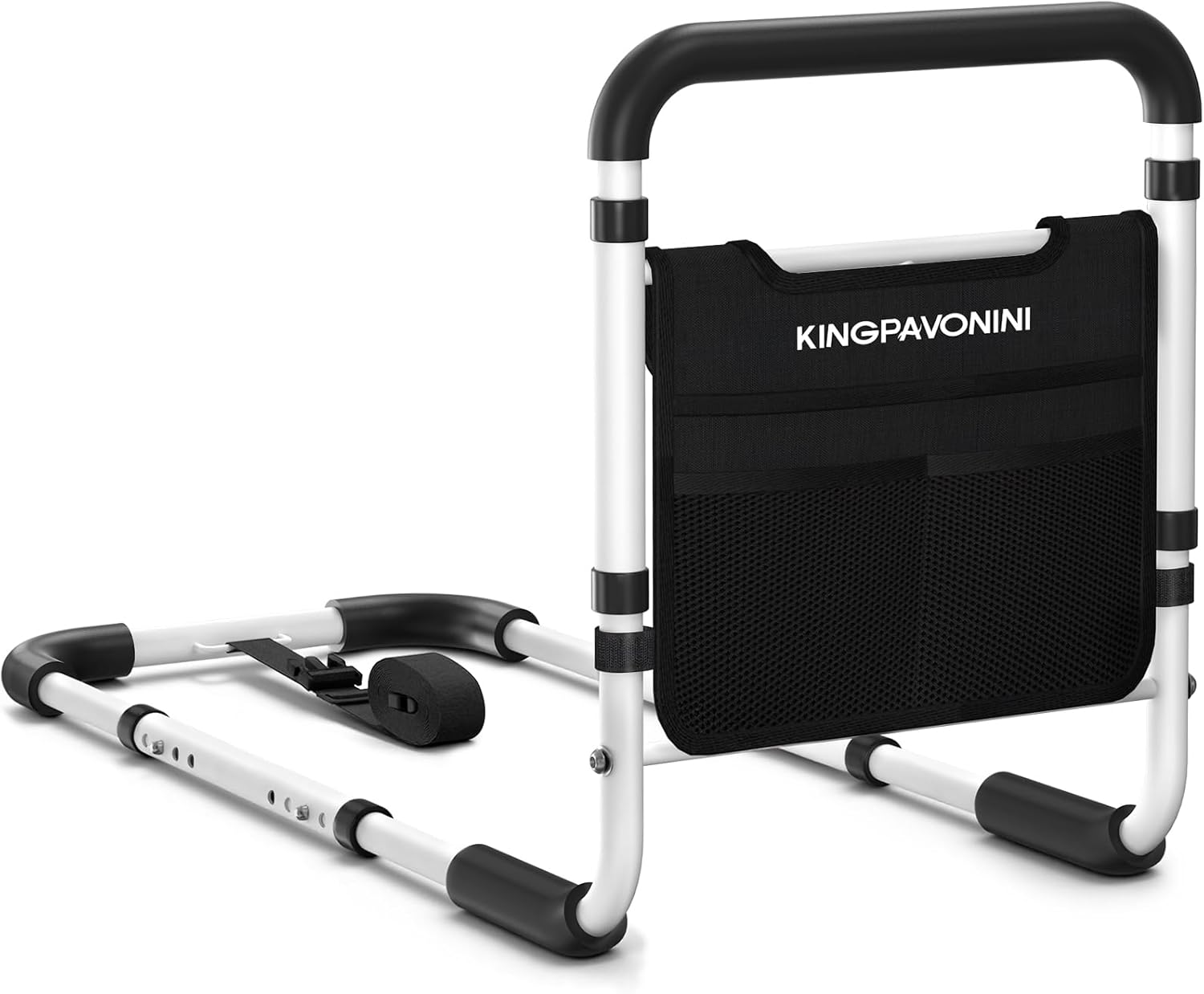
Bed Rail for Seniors
The best walkers for seniors depend on balance needs, home layout, and how often the walker will be used. Focus on stability, comfort, and proper fit before paying extra for added features.
Choosing the best walkers for seniors is about more than picking a frame with wheels. The right walker should feel steady, fit your body well, and make everyday movement easier at home, outdoors, and on errands.
Because walking needs vary so much from person to person, the best choice depends on balance, strength, terrain, and comfort. If you are unsure which type is right, talk to your doctor or consult a physical therapist or occupational therapist for guidance.
- Best fit matters: Choose the walker that matches strength, balance, and daily routine.
- Safety first: Reliable brakes and a stable frame are essential for rollators.
- Comfort counts: Proper height and good grips help reduce strain and fatigue.
- Use case matters: Indoor, outdoor, and travel needs call for different designs.
- Ask for help: Talk to your doctor or therapist if falls or pain keep happening.
Best Walkers for Seniors in 2026: What Matters Most for Safety, Stability, and Daily Comfort
In 2026, the most useful walkers are the ones that support safe movement without creating extra strain. For many seniors, that means looking closely at stability, brake control, frame weight, and how easy the walker is to handle day after day.
A walker should help you feel more secure, not more tired. If a model is hard to steer, too heavy to lift, or does not match your posture, it may create new problems instead of solving old ones.
Many caregivers also look for walkers that fold easily, fit in a car trunk, and work well in tight indoor spaces. Those details can make a big difference in daily life, especially when mobility changes from one day to the next.
How to Choose the Right Walker: Standard, Front-Wheeled, Rollator, or Heavy-Duty
Walker types are not one-size-fits-all. The main categories include standard walkers, front-wheeled walkers, rollators, and heavy-duty models, and each one serves a different need.
Who benefits most from each walker type
A standard walker offers maximum stability because it has no wheels or only minimal movement. It may be best for someone who needs strong support indoors and can safely lift or move the frame a little at a time.
A front-wheeled walker is often easier to move than a standard walker and can still provide solid support. It may suit seniors who need balance help but do not want to lift the entire frame with every step.
A rollator usually has four wheels, hand brakes, and often a seat. It can be a good option for seniors who can walk more independently but need help with endurance, rest breaks, or outdoor mobility.
Heavy-duty walkers are built for higher weight capacities and added frame strength. They may be useful when a standard frame feels too narrow or too light, but size and maneuverability should still be checked carefully.
When a walker is better than a cane or wheelchair
A walker may be a better fit than a cane when a person needs more than light balance support. If standing feels unsteady or walking becomes tiring quickly, a walker can offer a wider base of support.
A wheelchair may be more appropriate when walking is unsafe, extremely painful, or not realistic for longer distances. The right choice depends on mobility level, endurance, and fall risk, so it is wise to discuss the options with a healthcare provider.
Some seniors use more than one mobility aid depending on the situation. For example, a walker may work at home while a wheelchair is used for longer outings.
Top Features That Make a Walker Safer and Easier to Use
The best walkers for seniors tend to share a few practical features: dependable brakes, stable construction, comfortable handles, and a size that fits the user well. Small details often matter more than flashy extras.
Brake quality, wheel size, and frame stability
For rollators and wheeled walkers, brake quality is essential. Brakes should feel easy to squeeze, hold firmly, and release without sticking. If braking feels weak or uneven, the walker may be unsafe.
Wheel size also matters. Smaller wheels may work indoors, but larger wheels often handle sidewalks, cracks, and light outdoor surfaces more smoothly. A stable frame should feel solid when turning, sitting, or shifting weight.
If a walker wobbles, pulls to one side, or rolls away before you are ready, stop using it until it is checked and adjusted.
Adjustable height, grip comfort, and foldability
Adjustable height is one of the most important comfort features. Handles should usually allow the user to stand upright without hunching forward or locking the elbows too much.
Grips should feel secure without being overly hard. For seniors with arthritis or hand pain, soft or ergonomically shaped handles may reduce fatigue during longer use.
Foldability is helpful for storage, travel, and caregiver transport. If a walker is difficult to fold, lift, or reopen, it may end up being used less often than intended.
Seat, storage, and portability for everyday errands
Rollators often include a seat, basket, or pouch, which can be helpful for errands and rest stops. That said, added features should never replace the basics of fit and stability.
Portability matters if the walker needs to go into a car, taxi, or apartment elevator. A lighter frame can be easier to manage, but not if it sacrifices steadiness.
- Better support during daily walking
- More confidence on uneven surfaces
- Less strain when sized correctly
- Helpful storage for small errands
Best Walkers for Seniors by Use Case: Walking Indoors, Outdoors, and Long Distances
The best walker depends on where it will be used most often. A model that feels great in the living room may not be the best choice for sidewalks, stores, or travel days.
Best for balance support at home
For indoor use, a standard walker or front-wheeled walker is often easier to manage in narrow hallways and around furniture. These styles can provide steady support for bathroom trips, kitchen movement, and short walks inside the house.
Caregivers should check that the walker fits through doorways and turns easily in tight spaces. A model that is too wide can become frustrating and may increase the risk of bumping into objects.
Best for neighborhood walks and uneven sidewalks
For outdoor walking, many seniors prefer a rollator with larger wheels and reliable brakes. This can make it easier to handle sidewalk cracks, small curbs, and slightly uneven pavement.
Still, outdoor use should match the person’s strength and balance. If the walker feels hard to control on slopes or rough ground, a different model may be safer.
Many falls happen during routine movement at home, not just outside. A well-fitted walker can help with everyday safety in the places seniors use most.
Best for travel, appointments, and active seniors
Seniors who stay active may want a lightweight rollator or a folding front-wheeled walker that is easier to load into a car. These models can be practical for appointments, church, shopping, and family visits.
For travel, comfort and portability should be balanced carefully. A very light model may be convenient, but it still needs strong brakes and a frame that feels secure.
Comfort and Fit: How to Prevent Strain, Slouching, and Hand Fatigue
A walker that fits poorly can cause soreness in the hands, shoulders, neck, or back. Good fit is not only about comfort; it also affects posture and safety.
Correct handle height and posture alignment
When standing upright, the handles should support a natural posture. If the walker is too low, you may lean forward; if it is too high, your shoulders may rise and your arms may tire more quickly.
A simple check is to stand inside or behind the walker as instructed by the manufacturer and keep a relaxed bend in the elbows. If this is hard to judge, ask a physical therapist or healthcare provider to help with setup.
Weight capacity and frame size considerations
Weight capacity should always be checked before buying. A walker that is too small or not rated for the user’s body size may wear out faster, feel unstable, or be uncomfortable to use.
Frame size matters too. A wider frame may offer better space and stability, while a narrower frame may be easier indoors. The best choice depends on body size, home layout, and where the walker will be used most.
- Handle height matches posture
- Frame feels stable and balanced
- Weight rating fits the user
- Walker fits through home spaces
- Grips feel comfortable in the hands
Practical examples of poor fit and how to fix it
If a senior leans heavily on the walker and feels shoulder pain afterward, the handles may be too low or the model may not be the right type. Raising the height or switching styles can sometimes help.
If the walker feels too wide for bathrooms or tight rooms, a smaller frame may be better. If hands go numb or sore, softer grips or padded handles may reduce pressure.
Price Comparison and Value: What Seniors and Caregivers Can Expect in 2026
Walker prices can vary widely based on materials, features, and brand quality. In general, simpler models cost less, while rollators and premium walkers often cost more because of added comfort and convenience.
Budget walkers vs. mid-range vs. premium models
Budget walkers may work well for basic indoor support, especially if they are used occasionally. Mid-range models often offer a better balance of durability, adjustable features, and comfort.
Premium walkers may include stronger frames, better brakes, larger wheels, lighter materials, or more comfortable seats and grips. These upgrades can be worthwhile for frequent use, but only if they match the user’s needs.
Which features are worth paying extra for
It is often worth paying more for reliable brakes, a stable frame, and a proper fit. For many seniors, those features matter more than decorative extras or large storage compartments.
If the walker will be used daily, durability and comfort can be worth the added cost. A cheaper walker that wears out quickly may cost more in the long run.
Cost tradeoffs for durability, warranty, and accessories
Warranties and replacement parts can be helpful, especially for walkers used every day. If a brake cable, wheel, or grip wears out, repair options may extend the life of the walker.
Insurance and Medicare coverage can vary by plan and medical need, so do not assume a walker will be fully covered. Ask your doctor, supplier, or insurance provider what documentation is required and what out-of-pocket costs may remain.
Common Mistakes When Buying or Using a Walker
Even a good walker can become a poor fit if it is chosen or used incorrectly. Many problems come from small oversights that are easy to prevent.
Choosing the wrong wheel type for the terrain
Small wheels may be fine indoors but frustrating on rough sidewalks. On the other hand, a larger outdoor-style walker may feel bulky in a small apartment or narrow hallway.
Think about where the walker will be used most often. If the main use is indoors, stability and size may matter more than outdoor speed.
Ignoring brake maintenance or uneven height settings
Brakes should be checked regularly, especially on rollators. Loose, sticky, or weak brakes can make the walker harder to control and less safe on slopes.
Uneven height settings can also cause trouble. If one side is higher than the other, the walker may feel crooked and may strain the shoulders or back.
Overloading baskets or using a walker as a transport aid
Walker baskets are handy, but they are not meant to carry heavy loads. Too much weight can affect balance, steering, and braking.
A walker should not be used like a cart to push or pull large items. If errands require more carrying capacity, a separate bag or caregiver assistance may be safer.
Expert Safety Tips and When to Ask a Professional for Help
Walker safety is not just about the product; it is also about how the person uses it. A good setup and regular check-ins can prevent avoidable problems.
Signs a walker is not the right mobility aid anymore
If walking becomes much harder, if the person can no longer control the walker safely, or if falls continue despite using it, the mobility aid may need to be reassessed. Needs can change over time.
That does not always mean the walker failed. It may simply mean the person now needs a different style of support or a full mobility evaluation.
When to consult a physical therapist or occupational therapist
A physical therapist can help assess balance, strength, and walking mechanics. An occupational therapist can help with practical setup at home, including bathroom safety, doorway clearance, and daily routines.
These professionals can also help determine whether a walker, cane, or wheelchair is most appropriate. If you are unsure, consult your healthcare provider for a referral.
Seek medical advice if the senior has new pain, recent falls, dizziness, numbness, or a sudden change in walking ability.
Red flags: frequent falls, pain, dizziness, or poor grip strength
Frequent falls are a major warning sign and should never be ignored. Pain, dizziness, or weak grip strength can make a walker harder to use safely and may point to a medical issue that needs attention.
If any of these problems are present, stop and get professional guidance before continuing with the same setup. A better-fitting walker or a different mobility aid may be needed.
Final Recap: The Best Walkers for Seniors Depend on Mobility Needs, Comfort, and Daily Routine
The best walkers for seniors are the ones that match the person’s balance, strength, home layout, and daily activities. A walker should feel steady, fit well, and support safe movement without causing extra strain.
Whether you are comparing a standard walker, a front-wheeled model, a rollator, or a heavy-duty option, focus first on safety and comfort. If needed, consult your doctor, pharmacist, or a rehabilitation professional before making the final choice.
For families and caregivers, a thoughtful walker choice can make everyday life easier and more confident. For more guidance on senior support and daily living, SeniorsProTalk also explores helpful topics like how seniors can use Alexa at home and other practical home-care resources.
Frequently Asked Questions
A standard walker or front-wheeled walker is often best for stronger balance support. The right choice depends on how steady the person feels and whether they need to lift the frame.
Rollators can be safe for seniors who can walk fairly independently and use the brakes correctly. They are not ideal for everyone, especially if balance is poor or control is limited.
The handles should allow the user to stand upright with a relaxed bend in the elbows. If the person leans forward or shrugs their shoulders, the height may need adjustment.
Coverage can vary by plan, medical need, and supplier rules. Ask your doctor and insurance provider what documents are needed and what costs may still apply.
Stable construction, reliable brakes, proper height adjustment, and comfortable grips are the most important features. Extra items like seats and baskets are helpful, but they should not replace safety.
If falls continue, pain worsens, dizziness appears, or the walker feels unstable, it is time to ask a doctor or therapist for help. The person may need a different fit or a different mobility aid.