
Best Walking Assistance for Elderly to Stay Safe and Active

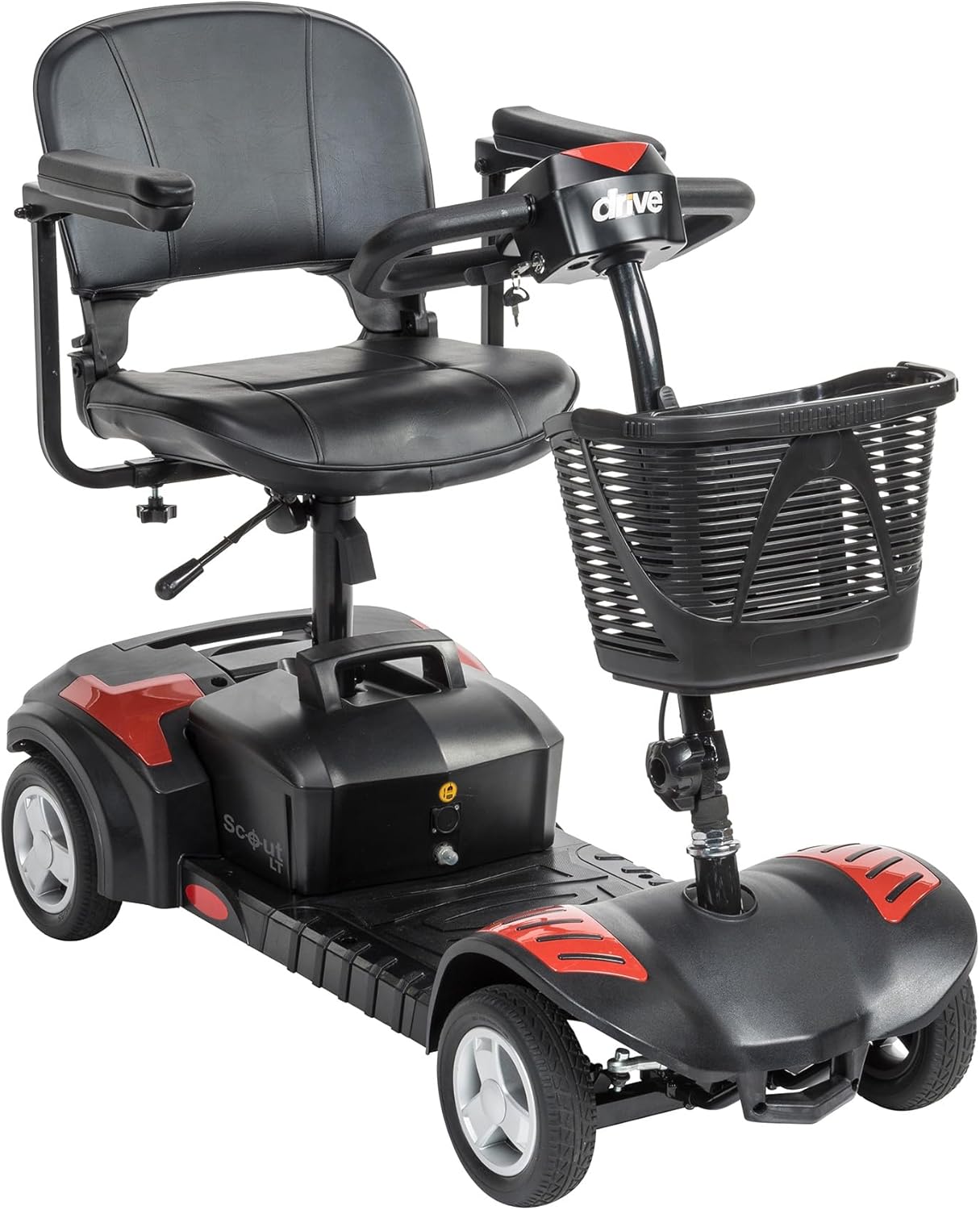
Electric Mobility Scooter

Kitchen Timer with Large Display

Jar Opener for Weak Hands
The best walking assistance for elderly adults depends on balance, strength, and daily routine, with canes, walkers, and rollators serving different needs. A proper fit and guidance from a doctor or therapist can improve safety, confidence, and independence.
Walking assistance for elderly adults can make daily life safer, steadier, and more comfortable. The right aid can support balance, reduce fall risk, and help an older adult stay active with more confidence.
- Match the device: Choose based on balance, strength, and walking distance.
- Fit matters: Correct height and grip reduce strain and improve safety.
- Home safety counts: Clear rugs, clutter, and poor lighting before use.
- Get help early: Ask a doctor or therapist after falls or sudden changes.
- Check coverage: Insurance and Medicare rules can vary by plan and need.
Understanding Walking Assistance for Elderly: What It Means in 2026
Walking assistance for elderly adults includes any device or support that helps a person move more safely when balance, strength, or endurance starts to change. In 2026, families are often choosing between simple canes, more supportive walkers, and rollators with seats for rest breaks.
The goal is not to “take over” walking. It is to make movement safer and easier so a senior can keep doing everyday tasks like getting to the bathroom, moving around the house, or going out for errands.
Why mobility support matters for safety, independence, and confidence
Good mobility support can lower the chance of slips, stumbles, and near-falls. It can also reduce fear, which matters because many older adults become less active after one bad fall or a shaky episode.
When movement feels steadier, seniors may be more willing to keep walking, socializing, and handling small daily routines on their own. That can support both physical health and emotional well-being.
Common signs an older adult may need walking assistance
Some signs are easy to notice: holding onto furniture, shuffling steps, leaning to one side, or needing help getting up from a chair. Other signs include fatigue after short walks, fear of falling, or a recent fall or near-fall.
If walking has changed after surgery, illness, dizziness, or a medication change, it is wise to talk to your doctor or healthcare provider. A professional can help figure out whether a walking aid is appropriate and what type makes sense.
Types of Walking Assistance for Elderly: From Canes to Rollators
There is no single best device for everyone. The right choice depends on balance, arm strength, how far the person walks, and whether the main need is light support or more stable help.
Single-point canes vs. quad canes: when each works best
A single-point cane is often used for mild balance support. It is lighter, easier to carry, and can work well when a senior only needs a small amount of help on one side.
A quad cane has four feet for a broader base of support. It may feel steadier for someone who needs more balance help, but it can be heavier and slower to move with.
A cane should match the user’s height and walking pattern. A cane that is too tall or too short can create poor posture and make walking less safe.
Walkers, rollators, and transport aids: key differences in real-life use
A standard walker usually has four legs and must be lifted or moved forward in small steps. It can offer strong support indoors, especially for people who need extra stability.
A rollator has wheels, hand brakes, and often a seat. It is useful for people who can walk more independently but need help with endurance, pacing, or taking rests.
Transport aids are different because they are not meant for walking support in the same way. They are used when a person needs to be pushed by another adult, so they are not a substitute for a true mobility aid.
| Option | Best For | Note |
|---|---|---|
| Single-point cane | Mild balance support | Light and simple, but limited support |
| Quad cane | More stability than a cane | Heavier, but steadier on one side |
| Walker | Strong indoor support | Very stable, but slower to use |
| Rollator | Longer walks and rest breaks | Needs brake use and good control |
Choosing the right option based on balance, strength, and home layout
Home layout matters more than many families expect. Narrow hallways, thick rugs, steps, and tight bathrooms can make a large device harder to use.
If a senior has weaker grip strength, a heavy walker may be tiring. If balance is the main issue, a more stable aid may be better than a lightweight one. When in doubt, consult a physical therapist or occupational therapist for guidance.
How to Choose the Best Walking Aid for Daily Activities
The best walking aid is the one the senior can use correctly every day. It should fit the body, fit the home, and fit the person’s strength and habits.
Matching the aid to the user’s mobility level and medical needs
Someone recovering from a fall may need temporary support, while someone with ongoing arthritis or nerve problems may need a longer-term solution. A person with dizziness, foot drop, joint pain, or weakness may need a different device than someone who simply feels unsteady.
Because medical needs vary, it is important to talk to your doctor before buying equipment after a surgery, stroke, fracture, or new illness. The wrong device can sometimes create more strain instead of less.
Important features to compare: height adjustment, grips, brakes, and weight
Small details matter. Height adjustment helps the user stand more naturally. Comfortable grips can reduce hand strain, especially for people with arthritis.
For rollators, brakes should be easy to reach and easy to understand. Weight also matters because a device that is too heavy may be left unused, which defeats the purpose.
- Does the aid match the user’s height?
- Are the grips comfortable and secure?
- Can the brakes or locks be used easily?
- Will the device fit through doors and hallways?
- Is it light enough to move without strain?
Practical examples for indoor use, outdoor errands, and long walks
For indoor use, a walker or cane may be easier to manage in smaller spaces. For outdoor errands, a rollator can be helpful if the senior needs a seat for rest or a place to carry small items.
For longer walks, the right choice depends on endurance. A person who tires quickly may do better with a rollator, while someone with only mild balance concerns may prefer a cane.
- Supports safer movement
- Can reduce fear of falling
- Helps seniors stay active longer
- May improve confidence during daily routines
Safety Tips for Using Walking Assistance at Home and Outside
Even the best device works only when it is used safely. Good habits at home and outdoors can make a real difference in fall prevention.
Preventing falls on stairs, bathrooms, rugs, and uneven sidewalks
Stairs deserve extra caution. If a senior is using a cane or walker, they should follow the step-by-step guidance given by a healthcare professional, especially after surgery or an injury.
In bathrooms, grab bars, non-slip mats, and clear floor space can help. At home, loose rugs and clutter are common trip hazards. Outside, uneven sidewalks, curbs, and wet pavement deserve slow, careful steps.
Never assume a walking aid makes a fall impossible. If the person feels dizzy, weak, confused, or unsteady, stop walking and get medical advice.
Proper posture, grip, and pacing to reduce strain and fatigue
Good posture matters. The senior should stand upright, keep eyes forward, and avoid leaning too far on the device. A cane or walker that is used incorrectly can create shoulder, wrist, or back strain.
Pacing is just as important. Short rest breaks can prevent fatigue, especially for older adults with heart, lung, or joint problems. If walking causes pain, shortness of breath, or repeated wobbling, the plan should be reviewed by a clinician.
How caregivers can support safe transfers and movement
Caregivers can help by clearing pathways, turning on lights, and making sure the device is within easy reach. They can also remind the senior to stand slowly after sitting, since quick position changes may cause dizziness.
If you are helping someone who is frail or recovering from illness, learn the safest way to assist before trying it alone. A therapist can show proper transfer techniques and reduce the chance of injury for both the senior and the caregiver.
Many falls happen during everyday tasks like getting up, turning, or reaching for something nearby—not just while walking long distances.
Common Mistakes Families Make When Buying Walking Assistance
Families often mean well, but they sometimes choose a device too quickly. A little planning can prevent wasted money and unsafe use.
Picking the wrong size or style for the senior’s needs
One common mistake is buying a device because it looks sturdy or familiar. A walker may be too much for a person who only needs light support, while a cane may be too little for someone with major balance problems.
Size is just as important as style. An aid that is too tall, too short, or too wide can make walking awkward and increase the risk of a fall.
Ignoring fit, training, and maintenance
Even a good device can be unsafe if it is not fitted correctly. Seniors may also need practice to learn how to turn, stop, sit, and stand with the aid.
Maintenance matters too. Worn grips, loose screws, uneven legs, or brake problems should be checked regularly. If something feels off, stop using the device and have it inspected.
Overlooking mobility changes after surgery, illness, or a fall
Mobility is not always stable. A person may need more support for a few weeks after surgery, then less later. Others may need a different device after a fall, infection, stroke, or change in medication.
That is why a self-selected device should not be treated as permanent without review. If walking ability changes, a doctor or therapist can help decide whether the current aid is still safe.
Cost, Insurance, and Value: What to Expect in 2026
Cost is an important part of the decision, but the cheapest option is not always the best value. Comfort, durability, and correct fit can matter more over time.
Typical price ranges for canes, walkers, and rollators
Prices vary by brand, features, and materials. Simple canes are usually less expensive, while walkers and rollators cost more because they include added support and features such as wheels, seats, or brakes.
Specialty models, lightweight frames, and extra comfort features can raise the price. Since prices change by store and location, it is smart to compare options before buying.
When Medicare, supplemental insurance, or local programs may help
Some walking aids may be covered when they are medically necessary, but coverage rules differ by plan and situation. Supplemental insurance, Medicaid, or local senior assistance programs may also help in some areas.
Because policies vary, it is best to check with Medicare, the insurance provider, or a pharmacist/healthcare provider before buying. Ask what documentation is needed and whether a prescription or specific supplier is required.
Balancing budget with durability, comfort, and long-term use
A low-cost device may work well for short-term use, but it may not hold up for daily walking. A more durable option can save money if it lasts longer and feels more stable.
Try to balance cost with the senior’s actual needs. A good fit can be worth more than a bargain if it helps the person stay active and avoid falls.
When to Get Professional Help for Walking Assistance
Professional guidance can make a major difference, especially when walking problems are new or getting worse. A doctor or therapist can help match the device to the person, not just the problem.
Signs it’s time to consult a doctor, physical therapist, or occupational therapist
It is time to get help if the senior has repeated falls, sudden weakness, new pain, dizziness, or trouble standing up. It is also wise to ask for help if the person is avoiding walking because they feel unsafe.
Occupational therapists can help with home safety and daily tasks, while physical therapists can focus on movement, strength, and gait, which means walking pattern. Both can be useful depending on the situation.
If walking has changed suddenly, or if a senior has fallen more than once, consult a healthcare professional before choosing or changing a walking aid.
Warning signs that self-selected equipment may be unsafe
If the senior leans heavily on the device, trips over it, or says it feels unstable, the fit may be wrong. A device that is rarely used may also be a sign that it is uncomfortable or difficult to manage.
Watch for new pain in the wrists, shoulders, back, or hands. Those problems can mean the aid is not the right match, or that it needs adjustment.
How expert fitting can improve mobility and reduce fall risk
Expert fitting can help set the correct height, teach safe use, and identify whether another device would work better. That extra step can improve confidence and lower risk in daily life.
For many families, this is the point where a little professional advice saves a lot of frustration. It can also help seniors stay independent longer without guessing.
Final Recap: Choosing the Right Walking Assistance to Stay Safe and Active
Walking assistance for elderly adults should support safety without taking away independence. The right cane, walker, or rollator depends on balance, strength, home layout, and daily routine.
Key takeaways for safer mobility and better independence
Start with the senior’s real needs, not just the most familiar device. Check fit, comfort, and ease of use, and remember that safety at home matters just as much as the equipment itself.
If the person has had a fall, a surgery, or a sudden change in walking ability, get professional advice before making a final choice.
Encouragement for caregivers and seniors making the decision together
This decision works best when seniors and caregivers talk it through together. A good walking aid can make daily life calmer, safer, and more manageable.
With the right support and a little guidance from a doctor or therapist, many older adults can keep moving with more confidence.
Frequently Asked Questions
Signs include unsteady steps, holding onto furniture, repeated falls, or getting tired after short walks. If walking has changed suddenly, talk to your doctor or healthcare provider.
It depends on how much support is needed. A cane may help with mild balance issues, while a walker is usually better when more stability is needed.
Rollators can be safe when the user has enough balance and learns how to use the brakes properly. They are not the best choice for everyone, so fitting and training matter.
Coverage may be available in some cases when the device is medically necessary, but rules vary by plan and situation. Check with Medicare, the insurer, or a healthcare provider before buying.
Look for the right height, comfortable grips, stable construction, and easy-to-use brakes if the device has wheels. Weight and fit are also important for daily use.
See a doctor, physical therapist, or occupational therapist if there are falls, sudden weakness, dizziness, pain, or a clear change in walking ability. Professional fitting can improve safety and confidence.