
10 Best Non-Slip Bath Mats for Caregivers: Safe and Accessible Options


Smart Digital Photo Frame

Audiobook Player

Long Handle Shoe Horn
Bath mats help reduce slips on wet floors, but caregivers need more than basic comfort. A non-slip bath mat can provide a steadier surface for people getting in and out of the tub or shower, while also making daily bathing tasks safer and easier to manage.
We look for mats with strong grip, quick-drying materials, and surfaces that feel stable underfoot. Size and drainage also matter: the mat should cover the main standing area without blocking the door, and it should dry fully between uses to limit mildew. The best non-slip bath mats for caregivers combine reliable traction, easy cleaning, and a secure fit for the bathroom.
We evaluated these factors while comparing options for different bathroom layouts and care needs. Our picks and buying advice focus on mats that help caregivers create a safer bathing space.
Best Non-Slip Bath Mats for Caregivers
We selected the best non-slip bath mats for caregivers based on grip, comfort, drainage, and ease of cleaning. Our picks help create a safer, more comfortable bathing area for people who need extra support.
GORILLA GRIP Bath Tub Shower Mat
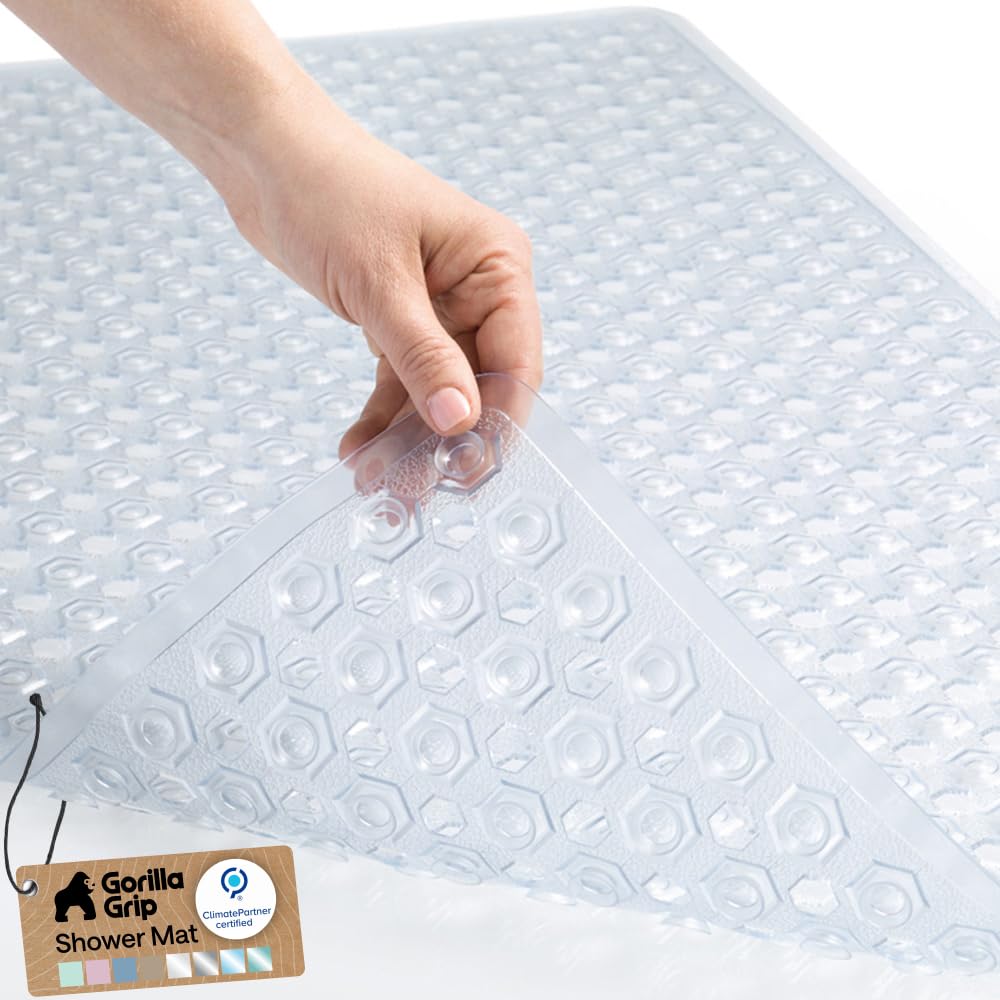
We recommend this mat for caregivers who need steady tub coverage, easy cleaning, and a surface that stays firmly in place on a smooth tub floor.
Pros
- Strong suction helps limit movement
- Large size covers most tubs
- Drains well and machine washes easily
Cons
- Works only on smooth, clean surfaces
- Needs to be removed for tub cleaning
- May not suit textured or tiled floors
After installing it on a clean, smooth tub, we found that the many suction cups held the mat securely. The textured surface gave us a more stable step while helping water move through the drainage holes.
The clear vinyl does not absorb water, so it dries faster than fabric-style mats. We also liked the generous coverage, which gives caregivers more room to guide someone safely into or out of the tub.
Cleaning was simple in our use: we rinsed the mat, washed it in the machine, and hung it to dry. Caregivers should check the mat regularly and lift it during tub cleaning to prevent buildup underneath.
This mat should not go on textured, tiled, or newly refinished surfaces. When used on a compatible smooth tub, it offers a practical balance of traction, coverage, and easier upkeep.
OTHWAY Non-Slip Bath Mat

We recommend this mat for caregivers who need a soft, secure surface on smooth tubs or shower floors.
Pros
- Strong grip from many suction cups
- Soft, flexible surface underfoot
- Drains water quickly and washes in a machine
Cons
- Does not work on textured surfaces
- Requires hanging or air-drying after use
- May need repositioning during setup
We found that the mat stayed firmly in place on a smooth tub floor. Its flexible surface felt comfortable underfoot, which helped create a steadier base while assisting someone in the bath.
The open design lets water drain through instead of pooling on top. This made rinsing and cleanup easier, especially when washing hair or helping a family member bathe.
The mat covers much of a standard tub without feeling bulky. We could also roll it for storage, which helps when the tub needs to serve other uses.
Caregivers should check the floor before placing it. The suction cups need a smooth, clean surface, and we would hang the mat after each use to help it dry and stay fresh.
SlipX Solutions Weighted Non-Slip Bath Mat

We recommend this mat for caregivers who need steady footing on textured, tiled, or uneven tub and shower floors.
Pros
- Stays in place without suction cups
- Soft, grippy surface supports wet feet
- Drainage channels help limit standing water
Cons
- Narrower than some full-size bath mats
- Heavier to lift and hang for drying
- Surface may feel rough to sensitive feet
We found the weighted design useful on textured fiberglass and tiled surfaces where suction cups often fail. The mat settled into place and did not float or slide during use, which can help caregivers support someone who needs extra stability.
Hundreds of raised comfort nubs add traction without making the surface completely flat. We also noticed that the drainage channels let water move away instead of collecting across the mat.
The 31-by-15-inch shape fits many tubs and showers, but it may leave uncovered areas in larger spaces. After use, we would lift and rinse it so the flexible TPE material can dry fully. Its extra weight improves stability, though it also makes handling less convenient.
Rubbermaid Safti-Grip Bath Mat
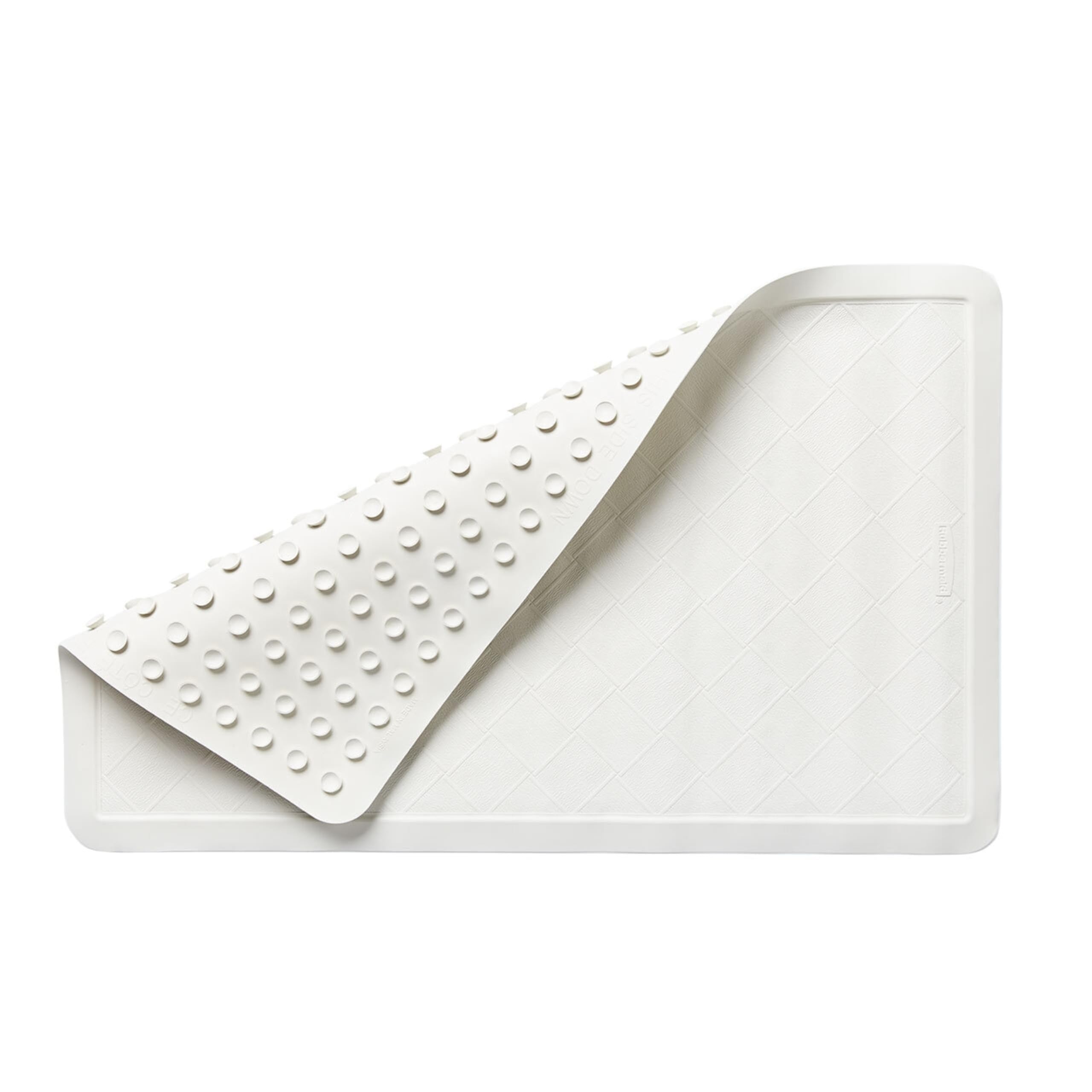
We recommend this mat for caregivers who want a firm, easy-to-clean surface in a shower stall or bathtub.
Pros
- Strong suction cups help limit movement during use
- Textured rubber feels steady under wet feet
- Mildew-resistant, latex-free design suits many households
Cons
- The medium size may not cover a full bathtub floor
- White rubber shows dirt and buildup quickly
- It may arrive curled and need time to flatten
When we placed the mat in a wet tub, the suction cups held well on a clean, smooth surface. The textured top gave us steady footing while helping a family member enter and exit the bath.
The flexible rubber felt comfortable underfoot and did not bunch during use. Its sloped edges also helped water drain instead of collecting around the mat.
Caregivers should lift and rinse the mat often, then let both sides dry fully. We found that regular cleaning matters because trapped moisture can still lead to mold or mildew over time. The medium size works best when users need focused traction rather than full tub coverage.
YINENN Extra-Large Safety Bath Mat

We recommend this mat for caregivers who need wide tub coverage and strong grip on smooth bathroom surfaces.
Pros
- Wide coverage helps protect more of the tub floor.
- Many suction cups keep it steady on smooth surfaces.
- Drain holes and machine washing make cleaning easier.
Cons
- It does not work well on textured or tiled surfaces.
- The long design may curl slightly up some tub walls.
- A strong odor may require airing out before use.
We found the 40-by-16-inch size useful for assisting someone in the tub because it covers a large standing area. The pebble-like surface felt comfortable underfoot without becoming too rough.
The suction cups held firmly on a clean, smooth tub floor during use. Caregivers should press the mat down fully before each bath and check that the surface has no dirt, oil, or residue.
Water drained through the many small holes instead of pooling across the mat. We also liked that the vinyl could go in the washing machine, although it needs to air-dry afterward.
This mat has an important limitation: it is not designed for textured, tiled, or uneven surfaces. We would also avoid bath oils, which can reduce traction. If the package has a strong smell, air it out in a well-ventilated area for 24 hours before use.
AmazerBath Non-Slip Shower Mat

We recommend this mat for caregivers who need broad tub coverage and strong grip on a smooth, clean surface.
Pros
- Large coverage helps protect most standard tubs and shower stalls.
- Many suction cups provide a firm hold when installed correctly.
- Drain holes let water pass through and simplify daily cleaning.
Cons
- Suction cups may not work on textured or uneven surfaces.
- We need to lift and clean it regularly to reduce buildup.
- Some users may find cleaning the surface less convenient than expected.
After placing it on a smooth tub floor, we found that the mat covered nearly the full length without leaving much exposed space. The clear blue design also let us see the tub surface beneath it, which helped us check for trapped debris.
The suction cups held well after we pressed the mat firmly into place. Caregivers should dry and clean the tub first, since this product does not attach reliably to textured surfaces or dirty floors.
Water moved through the drain holes instead of pooling under our feet. The surface felt comfortable while standing, but we would still lift the mat often, rinse both sides, and let it air-dry to help prevent soap buildup and mildew.
Overall, this mat offers useful coverage and traction for assisted bathing when the tub has a smooth floor. We would avoid using it as the only safety measure and pair it with grab bars or caregiver support when needed.
Munchkin Soft Spot Bath Mat

We recommend this cushioned mat for caregivers who need a soft, stable surface on smooth tubs or showers.
Pros
- Cushioned surface feels comfortable for sitting or kneeling
- Large suction cups hold well on smooth surfaces
- Drain holes help water move away
Cons
- May not grip textured or uneven tubs
- Can shift under heavier adults on some tubs
- Requires hanging or drying after use
We found the thick EVA surface comfortable when helping someone bathe or sit in the tub. Its textured grooves add grip without feeling harsh, which can help children and adults feel more secure during bathing.
The suction cups held firmly on a smooth tub floor. However, caregivers should test the mat before use because textured fiberglass and angled surfaces may reduce its hold. The mat covers a useful section of the tub, but it may not reach every area.
After bathing, we lifted the mat to let the drain holes release trapped water and hung it to dry. This routine helps limit moisture buildup. Overall, the Munchkin Soft Spot offers useful cushioning and grip, but surface compatibility remains important for caregiver use.
Asvin Textured PVC Bath Mat
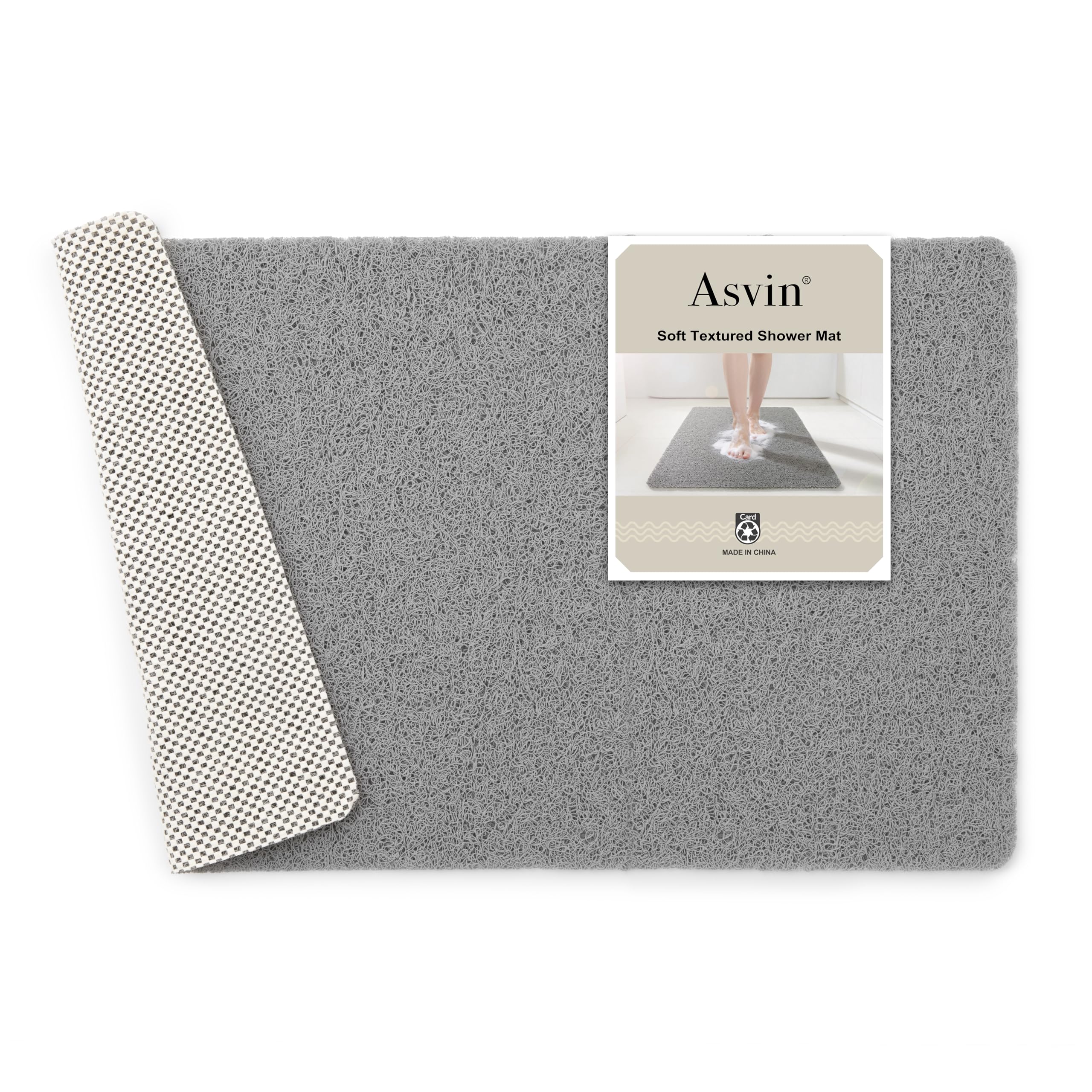
We recommend this mat for caregivers who need a stable, quick-drying surface in a shower or empty bathtub.
Pros
- Stays in place without suction cups
- Cushioned, textured surface feels comfortable
- Water drains through and cleaning is simple
Cons
- Floats when used in a filled bathtub
- Small 24-by-16-inch footprint may not cover larger tubs
- Needs regular drying and cleaning to help prevent odor or dark spots
We found the mat easy to place on a smooth or lightly textured shower floor. Its open design lets water pass through, so it does not hold a large puddle underfoot. The textured PVC also provides a firm surface for older adults or people with limited balance.
The mat feels softer than a plain plastic bath mat, which makes standing during bathing more comfortable. Since it does not use suction cups, it can work well on some refinished tubs where suction cups may cause concern. We still recommend checking that the tub surface is clean and that the mat lies flat before each use.
Caregivers should hang the mat after bathing and wash it often. Some users report odor or dark spots when moisture and residue remain on the mat. It also will not work in a tub filled with water because it can float.
WRISIN Non-Slip Rubber Bath Mat

We recommend this mat for caregivers who need a secure, comfortable surface for older adults, children, or anyone with limited balance.
Pros
- Strong grip from many suction cups
- Soft rubber surface with massage texture
- Little to no rubber odor
Cons
- Small for larger tubs or shower floors
- Texture may feel firm under sensitive feet
- Requires regular cleaning beneath the mat
We found that the mat stayed in place during normal shower use, which can help caregivers feel more confident when assisting someone. Its rubber surface also felt softer than many hard plastic mats, while the raised texture added steady footing.
The 28-by-16-inch size worked well in a standard tub but did not cover every inch of a larger bathing area. We would measure the tub or shower floor before ordering, especially if the user needs broad coverage.
Cleaning should remain part of the routine. We would lift the mat after use, rinse underneath, and let both surfaces dry to limit buildup. The mat is washable and dries quickly when placed where air can reach it.
TEMIR Non-Slip Bathtub Mat
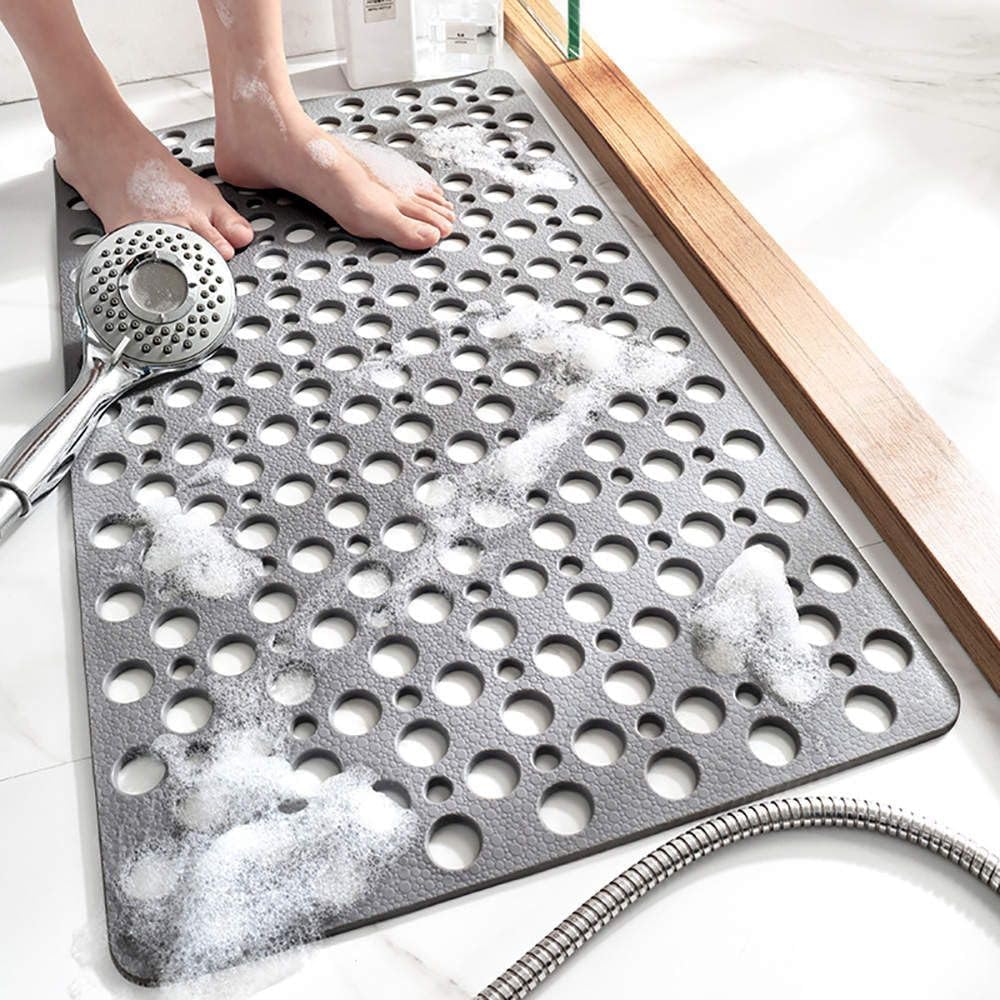
We recommend this mat for caregivers who need a soft, quick-draining surface that can stay secure on a smooth tub or shower floor.
Pros
- Strong suction cups help hold the mat in place
- Drain holes reduce standing water
- Soft, comfortable texture for bare feet
Cons
- Suction may fail on textured or dirty surfaces
- Some users report slipping after soap builds up
- The gray design looks plain
We found the mat comfortable underfoot without feeling too soft or unstable. Its textured surface gave us useful grip, while the many drainage holes helped water move toward the drain instead of collecting beneath our feet.
The suction cups worked best after we cleaned and dried the tub floor. We would press the mat down firmly before use and check its position each time, especially when assisting an older adult or someone with limited balance.
Cleaning was simple because we could machine-wash the mat. However, caregivers should rinse away soap and allow the surface to dry between uses. This mat fits many standard tubs and flat shower floors, but it may not hold well on textured surfaces.
Buying Guide
We should choose a bath mat that stays firmly in place on wet floors. Look for a rubber or latex backing, but confirm that it suits the bathroom’s flooring. Some backings can damage vinyl, wood, or other surfaces.
| Feature | What we should look for |
|---|---|
| Grip | A textured underside that resists sliding |
| Surface | A low-pile, quick-drying material that provides stable footing |
| Size | Enough coverage near the tub, shower, or sink without blocking doors |
| Edges | Flat, bound edges that reduce tripping risks |
| Cleaning | Machine-washable or easy-to-clean materials |
| Absorption | Good water absorption without staying damp for long |
We should avoid mats with curled edges, loose threads, or worn backing. A mat that shifts, bunches, or remains wet can increase fall risks and may develop odors or mildew.
Caregivers should also consider how easily the mat can be lifted and cleaned. Lightweight designs help with frequent washing, while a visible color contrast may make the mat easier to identify for people with limited vision.
Before buying, we should measure the available floor space and check the care instructions. We should also inspect the mat regularly and replace it when the backing cracks or loses its grip.
Editor’s Choice
We chose the Gorilla Grip Original Luxury Chenille Bath Mat as our editor’s pick for caregivers. Its textured backing helps limit movement on clean, dry floors, while the thick chenille surface absorbs water and feels comfortable underfoot.
The mat comes in several sizes, so we can place it beside a tub, shower, or sink. We also value its machine-washable design, which makes routine cleaning easier in homes where spills and frequent bathing increase laundry needs.
| Feature | Why it helps caregivers |
|---|---|
| Textured backing | Helps keep the mat in place |
| Absorbent chenille | Reduces standing water |
| Machine washable | Supports regular cleaning |
| Multiple sizes | Fits different bathroom layouts |
We recommend checking the backing and floor after each wash. No bath mat can prevent every fall, and we should not place one over a wet, dirty, or uneven surface. Caregivers should also keep grab bars, shower seats, and clear walking paths in place when needed.
Conclusion
We should choose a non-slip bath mat based on the caregiver’s needs, the user’s mobility, and the bathroom layout. A mat with strong grip, good water drainage, and a low profile can help reduce slipping risks without creating a trip hazard.
We should also check the mat often for curling edges, worn suction cups, mold, or damaged backing. Regular cleaning and full drying can help maintain its grip and hygiene.
For bathrooms used by people who need support, we can pair a reliable bath mat with grab bars, a shower chair, or a handheld showerhead. These additions may make transfers and bathing easier, but they should not replace proper supervision or professional safety advice when needed.
FAQs
What makes a bath mat suitable for caregivers?
We look for strong grip, quick drainage, and a surface that feels stable underfoot. A low-profile design also helps reduce tripping risks and makes wheelchair or walker transfers easier.
Are suction cups enough to prevent slipping?
Suction cups can improve grip on smooth, clean tubs, but they may not work well on textured or uneven surfaces. We should check that the mat lies flat and does not shift before each use.
Which material is easiest to clean?
We often choose rubber or antimicrobial vinyl because we can rinse and wipe them easily. Machine-washable fabric mats can also work, but we need to dry them fully after washing.
How often should we clean a bath mat?
We should rinse the mat regularly and clean it according to the maker’s instructions. Drying both sides after use helps limit mold, mildew, and unpleasant odors.
Can we use a bath mat on a shower floor?
We can use a mat only if the product label allows shower-floor use. We should avoid placing mats over damaged surfaces, deep grout lines, or areas where they cannot lie flat.
What size bath mat should we buy?
We should measure the tub or shower floor first. The mat should cover the main standing area without curling against walls, blocking drains, or creating raised edges.
