
10 Best Fire Extinguishers for Arthritis: Easy-to-Use Options


Weighted Blanket
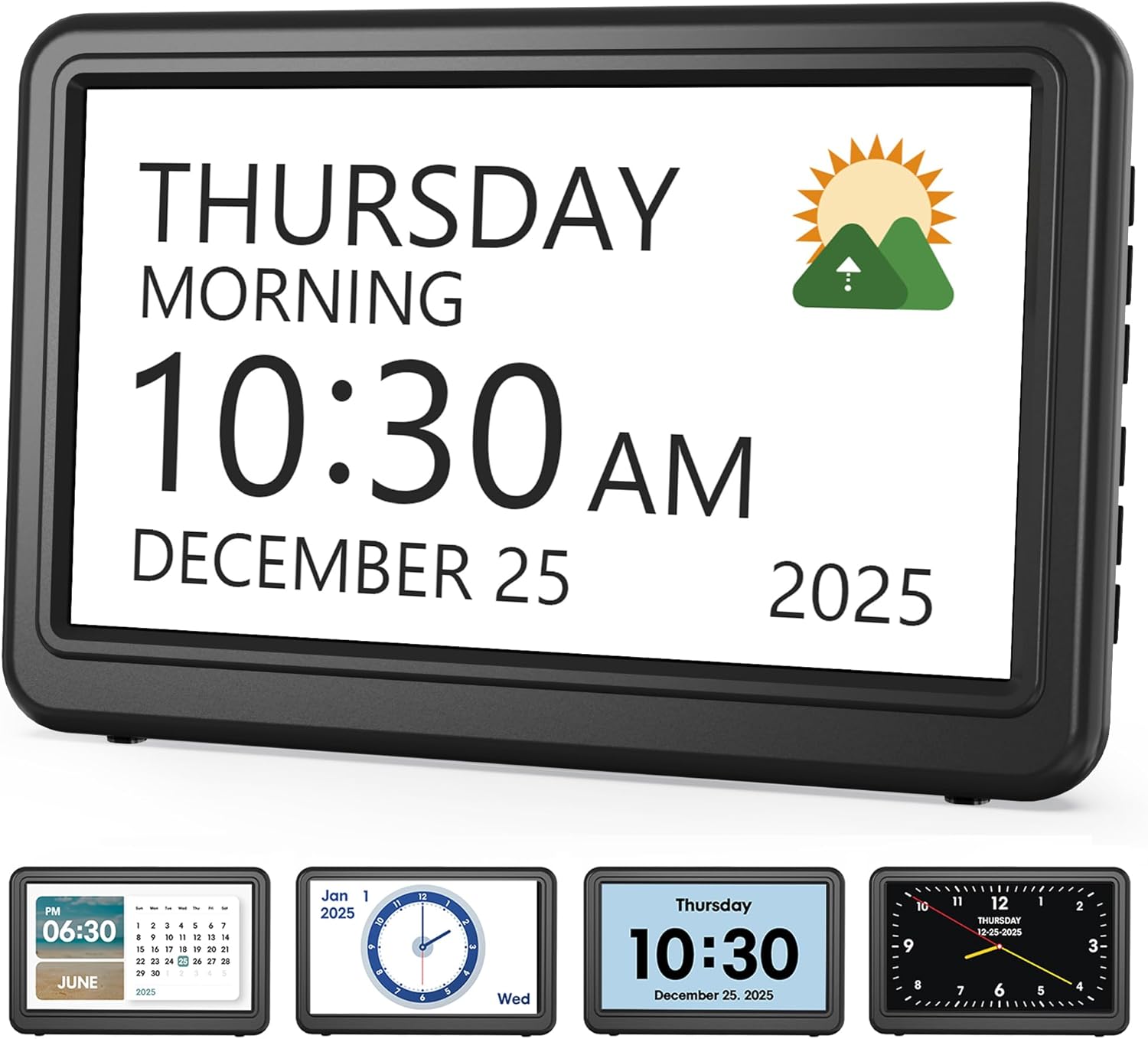
Medication Reminder Alarm

Indoor Security Camera
Fire extinguishers can help control small fires before they spread, but many models require a firm grip and strong hand pressure. For people with arthritis, those actions may cause pain or make the extinguisher difficult to use during an emergency.
The best fire extinguishers for arthritis have clear labels, a manageable weight, an easy-to-grip handle, and a simple pull-pin and squeeze mechanism. Look for models that are light enough to lift safely and have a wide, comfortable handle rather than a narrow trigger. A wall-mounted extinguisher placed within easy reach can also reduce strain.
We compared extinguisher types, safety features, sizes, and controls to find options that balance reliable fire protection with easier handling. Next, we’ll explain which models stood out and what to consider before buying.
Best Fire Extinguishers for Arthritis
We selected these fire extinguishers for their easy-grip handles, simple controls, and manageable weight. Our list includes options that can help people with arthritis respond to small household fires with less hand strain.
Kidde Basic 110 Fire Extinguisher

We recommend this compact extinguisher for people with arthritis who need a simple, lighter option for small household fires.
Pros
- Lightweight aluminum body is easier to handle
- Large handle and easy-pull safety pin
- Clear pressure gauge and included wall bracket
Cons
- The handle may still require firm hand strength
- Dry chemical powder can irritate skin and create a mess
- The plastic bracket does not include mounting screws
We found the Kidde Basic 110 comfortable to position and easy to check. Its 3.9-pound weight is more manageable than many heavier models, while the large metal handle gives us a solid grip. People with limited hand strength may still need help squeezing it.
The pressure gauge uses a simple green zone, so we could quickly confirm that the extinguisher was charged. The safety pin also pulled without much effort. Mounting it near an exit or kitchen gives us better access during an emergency.
This model covers common Class A, B, and C fires, including paper, wood, grease, and electrical fires. The dry chemical agent can damage electronics, so we would not use it on computers or similar equipment unless no safer option exists.
The included bracket helps keep the extinguisher in place, but we needed to supply our own screws. It is designed for one residential use, and Kidde recommends replacing it after discharge or when it reaches the end of its service life.
Ougist Signature ABC Fire Extinguisher
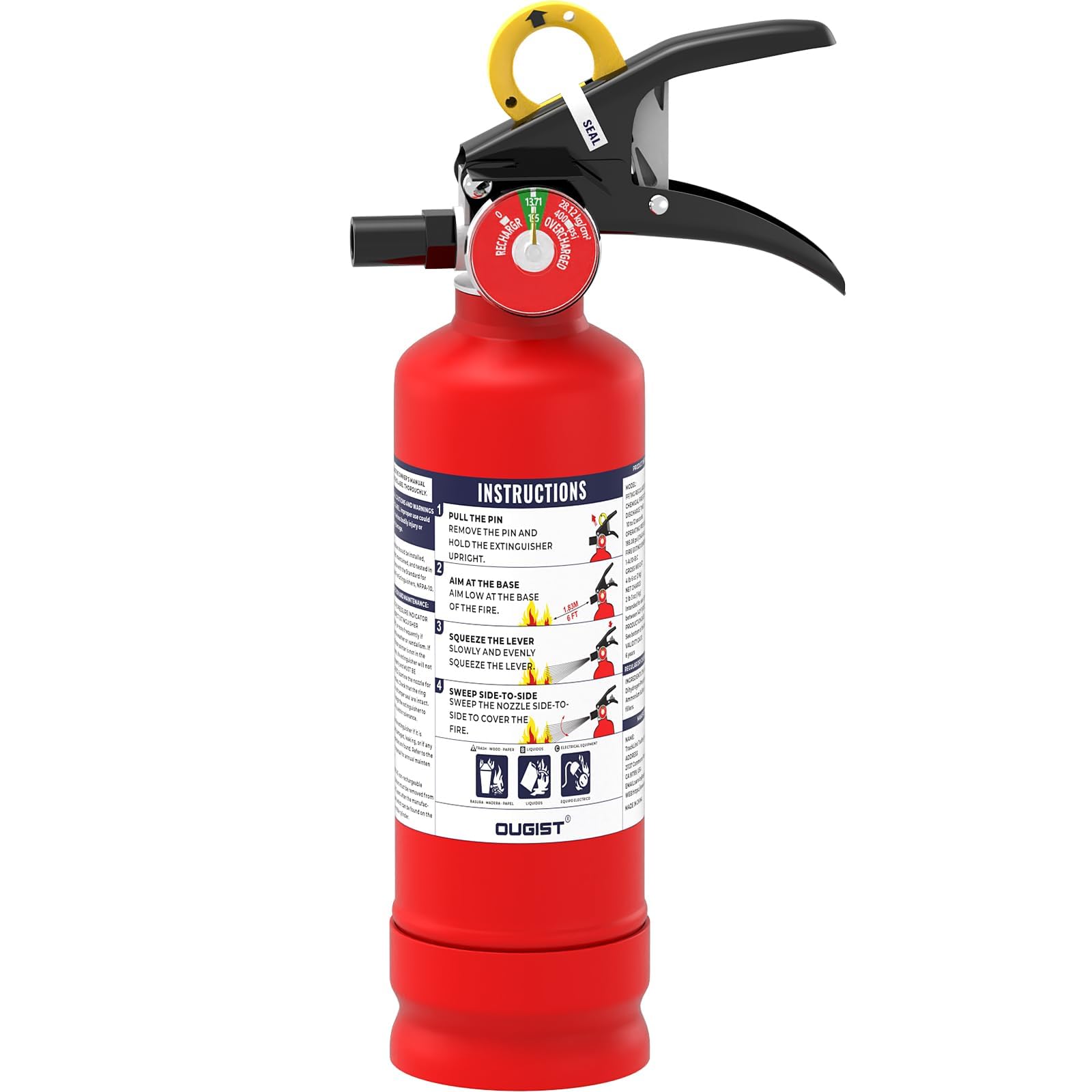
We recommend this compact Ougist extinguisher for people with arthritis who want a lighter unit and a handle designed to reduce twisting.
Pros
- Quick-release handle avoids a traditional safety-pin twist
- Compact 2.5-pound size feels manageable
- ABC rating covers common home fire types
Cons
- Dry chemical powder creates cleanup after use
- The wall hook may need firm installation
- Small size offers limited discharge time
When we handled this extinguisher, the compact body felt easier to lift and position than a larger model. Its handle design also reduced the finger and wrist movement needed to start it, which may help users with stiff or painful joints.
The unit provides ABC protection for ordinary materials, flammable liquids, and electrical fires. We would place it near a kitchen exit, garage door, or another visible location rather than under a crowded sink.
The included wall hook and inspection card make setup simple. Still, we would check the pressure and condition each month, keep the instructions nearby, and confirm that the mounting point stays easy to reach.
First Alert HOME1 Fire Extinguisher

We recommend this extinguisher for people with arthritis because its compact size, clear gauge, and metal trigger make it easier to keep ready and handle during an emergency.
Pros
- Compact, lightweight design
- Clear pressure gauge and simple instructions
- Includes a wall-mounting bracket
Cons
- The metal trigger may still require firm hand strength
- Not designed for large fires
- Requires professional recharging after use
We found the HOME1 easy to store near a kitchen, garage, or furnace room without taking up much space. Its mounting bracket keeps it secure and places it within reach, which can reduce the need to lift or search for it during a stressful moment.
The pressure gauge uses clear markings, so we could quickly check whether the unit appeared ready. The printed instructions also explain the basic steps without using complicated terms. These features may help users who prefer simple visual guidance.
Its metal pull pin and trigger feel sturdy, but people with limited grip strength may still find them difficult to operate. We recommend testing your ability to remove the pin and press the handle before an emergency, without discharging the extinguisher.
This model covers common household fire types, including paper, wood, oil, gasoline, plastics, and electrical equipment. We would keep it close to an exit and use it only on a small, contained fire with a clear escape path.
Ougist 2.5 lb ABC Fire Extinguisher
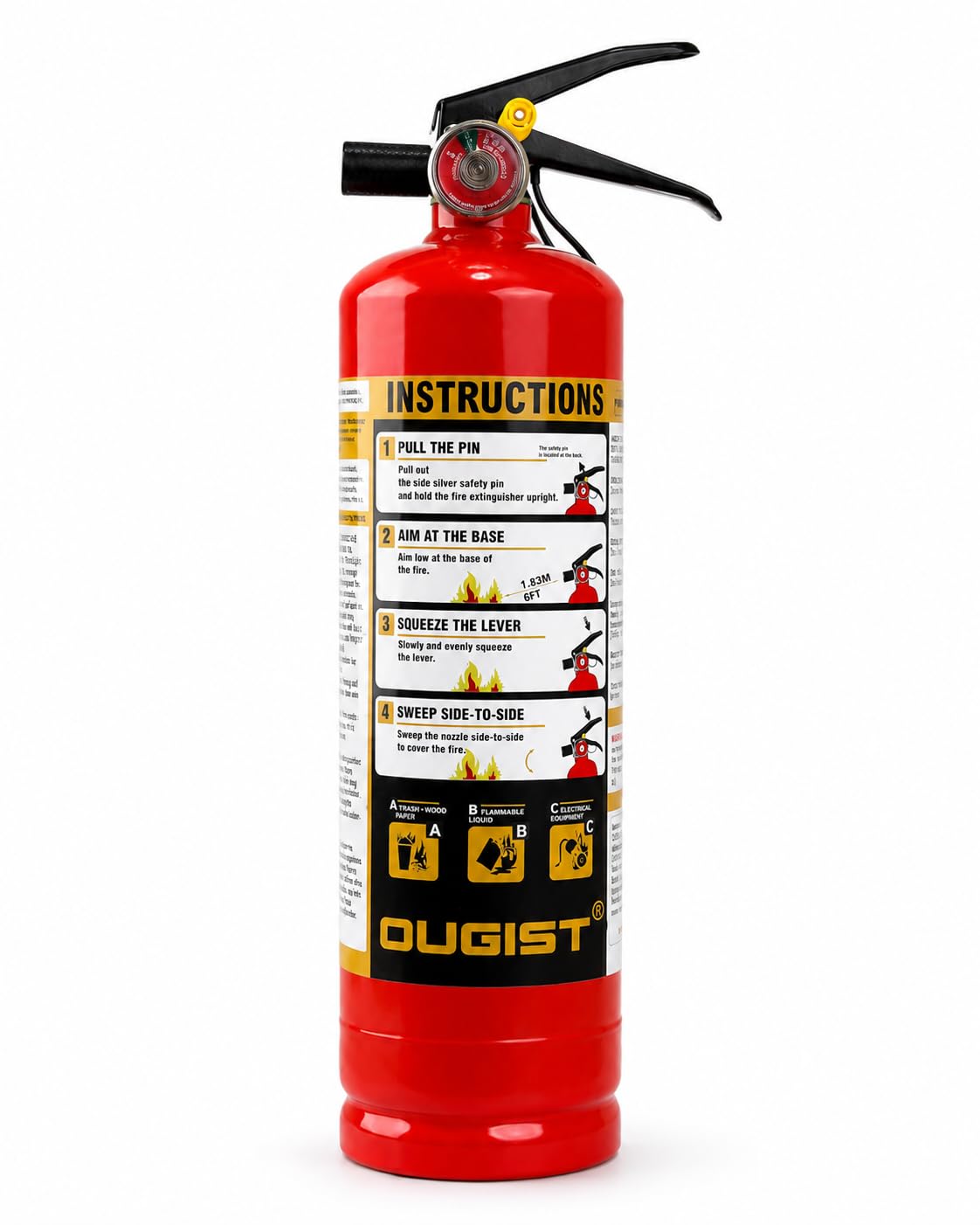
We recommend this compact extinguisher for people with arthritis because its small size and simple controls may feel easier to handle than a larger unit.
Pros
- Compact design fits well in a kitchen, garage, or vehicle
- ABC rating covers common wood, liquid, and electrical fires
- Pressure gauge makes the status easy to check
Cons
- Four-pound weight may still challenge some users
- Short discharge time leaves little room for mistakes
- Dry chemical residue requires thorough cleanup
We found the Ougist easy to store because it takes up little space under a sink or in a cabinet. Its metal body feels sturdy, while the pressure gauge gives us a quick way to check whether it remains ready.
The handle and pin still require hand strength, so users with severe arthritis may need help removing the safety pin or pressing the lever. We suggest placing it where we can reach it without bending, lifting, or opening a tight cabinet.
Its ABC rating suits common household risks, including trash, grease, and electrical equipment. The manufacturer lists an eight- to twelve-second discharge, so we would use it only on a small, contained fire with a clear exit behind us.
The six-year limited warranty adds useful coverage. We would pair this extinguisher with a wall mount or accessible shelf and ask another household member to practice the steps if hand movement is limited.
AmzBoom Compact Fire Extinguishers

We recommend this two-pack for people with arthritis who want lightweight extinguishers with simple press-and-spray operation.
Pros
- Light, compact design is easier to hold.
- Two units provide convenient placement.
- Water-based formula leaves little cleanup.
Cons
- Small size may limit spray time.
- Mounting brackets may feel less sturdy.
- Users must still aim accurately during an emergency.
We found the one-pound canisters easier to lift and position than larger metal extinguishers. The compact shape also fits well in a kitchen, vehicle, camper, or garage.
The activation method reduces the need to handle a heavy cylinder. However, people with limited grip strength should practice removing the safety seal and pressing the trigger before an emergency.
The included brackets keep the extinguishers within reach, although some users may want stronger mounting hardware. We also like the two-pack because we can place one near the kitchen and another in a car or garage.
AmzBoom lists the formula for several fire types, including cooking oil and lithium-ion battery fires. We should still check local fire-safety guidance and leave immediately if a fire grows or blocks an exit.
Ougist Class K Kitchen Fire Extinguisher
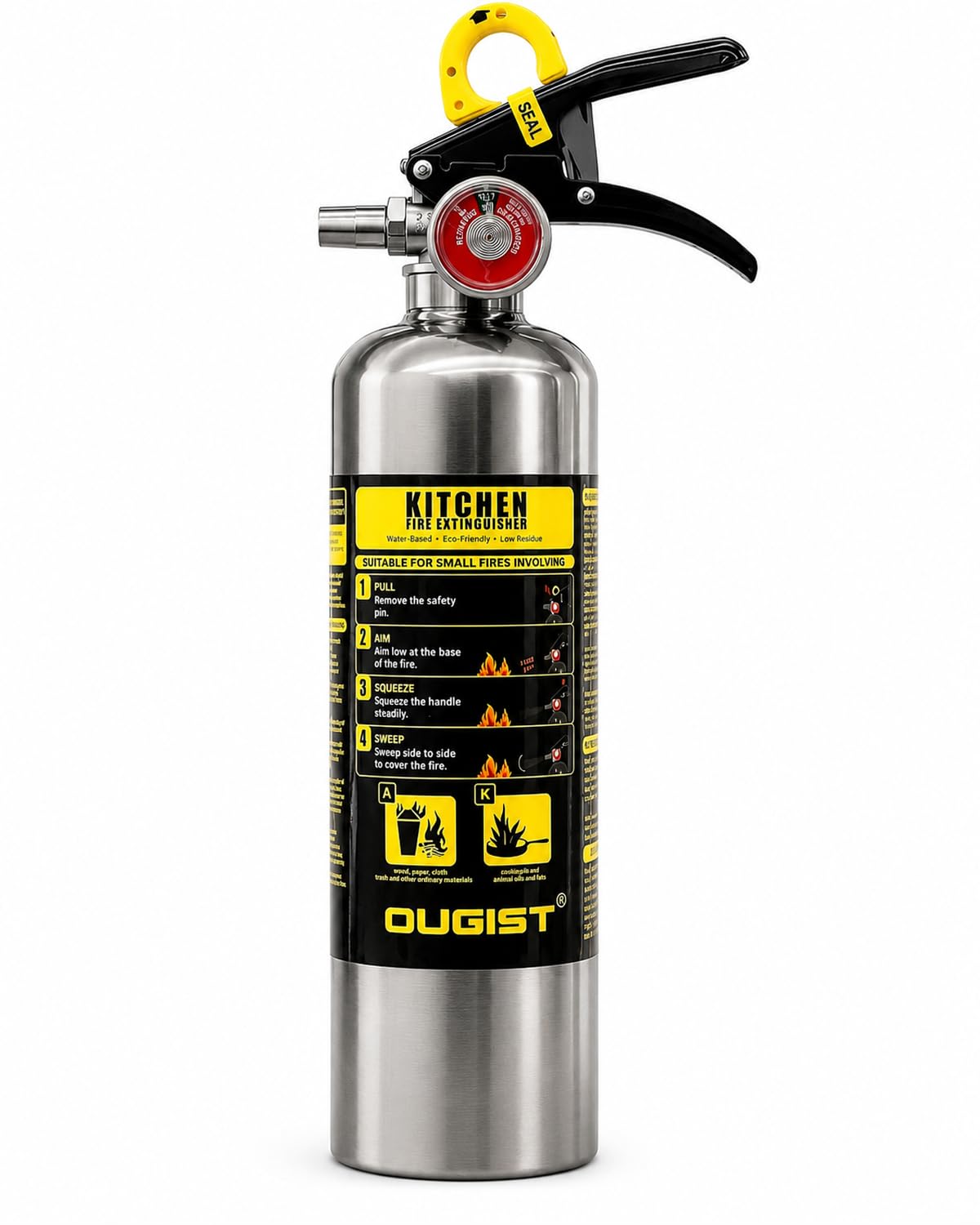
We recommend this compact extinguisher for people with arthritis who want a lightweight kitchen model with a simple quick-pull handle.
Pros
- Lightweight design feels easier to lift and position.
- Quick-pull handle supports simple PASS operation.
- Compact size stores neatly under a sink or in a pantry.
Cons
- Class K coverage focuses on cooking oil and grease fires.
- The small body may offer limited discharge time.
- Users must check the mounting hook and storage position before an emergency.
We found the stainless steel body easy to grip and move compared with larger household extinguishers. Its small size also makes it less difficult to reach from a cabinet or pantry, which can help users with limited hand strength.
The quick-pull handle reduces the number of steps needed to start the extinguisher. We still recommend reading the instructions and practicing the PASS method—pull, aim, squeeze, and sweep—before an emergency occurs.
This model uses wet chemical agent for small cooking oil and grease fires. It should not replace a general-purpose extinguisher for other fire types, and we would keep it near the kitchen rather than hidden behind supplies.
The included hanger, manual, and fire extinguisher sign add useful setup items. We would mount it at an easy-to-reach height and inspect it regularly, following the manufacturer’s instructions.
Ougist 5 lb ABC Fire Extinguisher
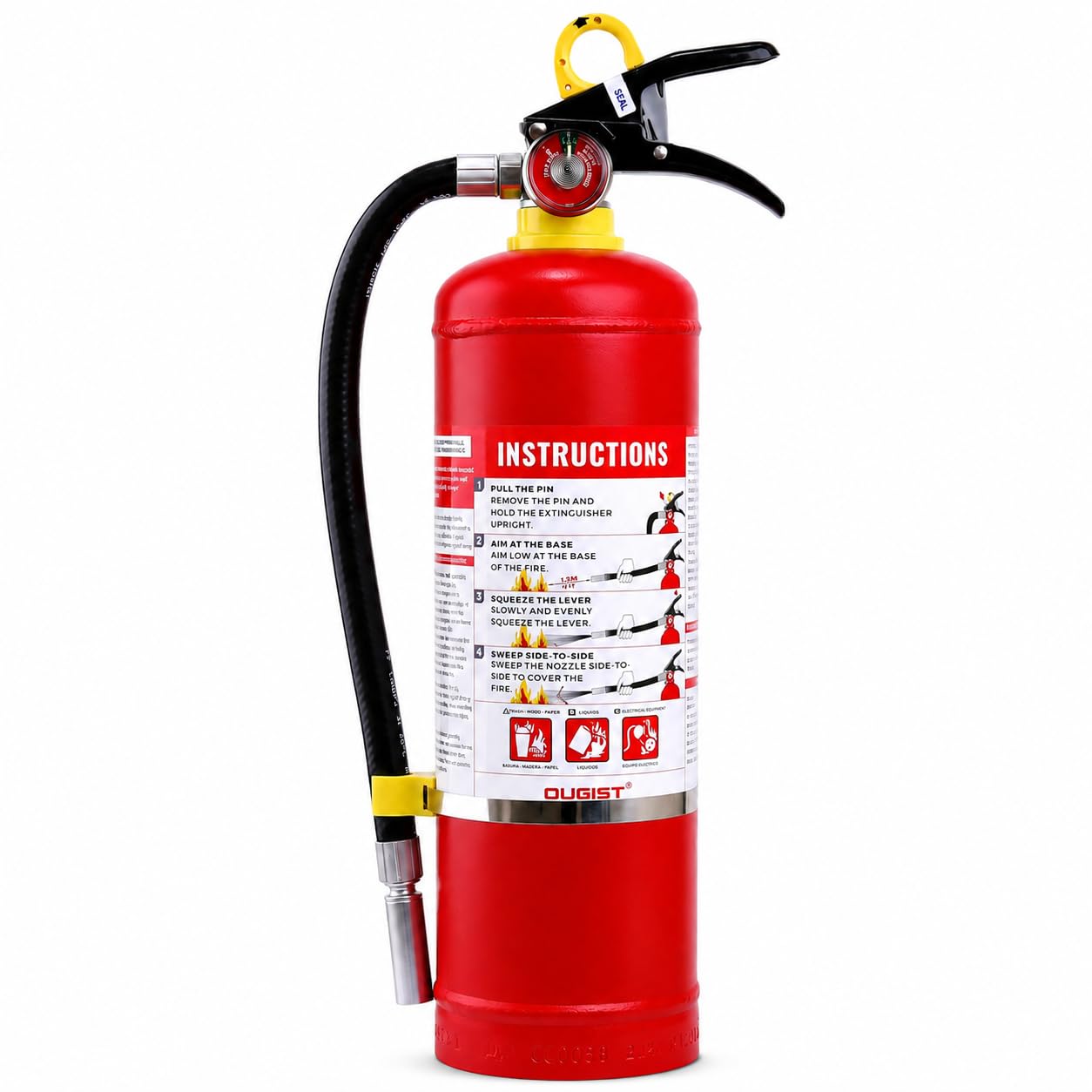
We recommend this extinguisher for people with arthritis because its large handle and quick-release design may require less finger control than a small trigger-style model.
Pros
- Large handle feels easier to grip
- ABC powder covers common home, vehicle, and office fires
- Includes a wall bracket and operating guide
Cons
- About 9 pounds, which may feel heavy to lift
- Dry powder leaves a difficult cleanup
- Some buyers reported missing wall signs
The handle stood out when we examined the design. It gives us a broad gripping area instead of relying on a small lever, which can help when hand strength or finger movement feels limited. The product also claims use from up to 15 feet, but users should still follow fire safety guidance and keep a clear exit behind them.
This model uses ABC dry chemical powder for fires involving wood, fabric, grease, flammable materials, and electrical equipment. That broad rating makes it useful in a kitchen, garage, vehicle, or office. We would mount it at an easy-to-reach height rather than storing it in a cabinet.
Although the handle may suit users with arthritis, the extinguisher weighs about 9 pounds with its packaging. Some people may need both hands to carry and aim it. We also noticed that customer feedback mentioned a missing wall sticker and one labeling issue, so we would check the contents and label after delivery.
AmzBoom 3-Pack Fire Extinguishers

We recommend this compact three-pack for people with arthritis who want lightweight extinguishers that are easier to hold and keep within reach.
Pros
- Light, compact design reduces hand and arm strain
- Simple press, aim, and spray operation
- Three units include mounting brackets
Cons
- Small size may not suit larger fires
- Pressing the control may still challenge weak hands
- The spray design may not replace a full-size extinguisher
When we handled these extinguishers, the narrow shape felt easier to grip than a bulky cylinder. Their low weight also made them practical for a kitchen cabinet, car, boat, or emergency kit.
The activation steps are simple, which helps when hand strength or finger movement is limited. We still recommend testing the grip and control before an emergency, since arthritis affects everyone differently.
The three-pack lets us place one near each common risk area instead of carrying a single unit around the home. The included brackets help keep them visible and accessible.
The water-based formula is designed for several fire types and leaves little cleanup. However, we should confirm that the label matches the specific fire risk before use, and we should call emergency services for any fire that grows beyond a small, early stage.
At 10 inches long, each unit stores easily but offers less capacity than a standard extinguisher. The six-year manufacturer warranty adds useful support, while the 4.6-star rating from more than 1,300 reviews suggests strong buyer satisfaction.
LifeSafe StaySafe All-in-1

We recommend this compact fire spray for people with arthritis who may find traditional extinguisher handles hard to grip.
Pros
- Light design is easier to lift and position
- Simple spray-style operation
- Works on several common fire types
Cons
- Requires shaking before use
- Small size may offer less spray time
- We have not confirmed its performance in every fire situation
We found the bottle easy to store on a counter, near a kitchen appliance, or beside equipment such as a laser machine. Its light weight also made it easier to move than a large metal extinguisher.
The spray button felt more manageable for limited hand strength than a stiff lever. We also liked the protective cover, which can help keep cooking grease away from the button.
Before use, we would shake the bottle as directed and keep it within easy reach. Its formula covers cooking, electrical, textile, fuel, and lithium-ion battery fires, but we would still call emergency services for any fire that spreads beyond a small, controllable area.
The StaySafe All-in-1 offers a practical backup for homes, vehicles, and work areas. People with arthritis should place it where they can reach it without lifting or twisting, while also keeping a full-size approved extinguisher nearby when needed.
First Alert EZ Fire Spray

We recommend this compact spray for people with arthritis because its simple point-and-spray design needs less hand strength than a traditional extinguisher.
Pros
- Lightweight and easy to hold
- Wide spray pattern
- Cleanup requires only a damp cloth
Cons
- Suited to small household fires only
- Aerosol design may feel less familiar
- Must be stored between 32°F and 107°F
We found the can easier to grip and aim than a standard extinguisher. Its familiar spray-can shape reduces the steps needed during an emergency, which can help when stiff fingers make traditional handles difficult to use.
The spray lasts about 32 seconds, giving us more time than many small kitchen extinguishers. It covers paper, wood, fabric, cooking oil, and electrical equipment, so we could keep it in a kitchen, garage, RV, or boat.
The foam formula is biodegradable and nontoxic, and it wipes away with a damp cloth. We would still treat it as a first-response tool for a small, contained fire—not a replacement for calling emergency services or leaving when the fire grows.
Buying Guide
When we choose a fire extinguisher for arthritis, we should focus on easy handling, clear controls, and a suitable weight. A lighter model may be easier to lift, hold, and aim, but it still needs enough capacity for the intended space.
We should look for features that reduce hand strain:
- Large, easy-to-press handle
- Wide grip that supports the whole hand
- Simple pin and seal design
- Clear pressure gauge
- Readable instructions
- Secure wall bracket for easy access
| Feature | What we should check |
|---|---|
| Weight | We can lift and control it without pain |
| Handle | It needs little grip strength |
| Controls | We can remove and operate them easily |
| Gauge | We can read it without bending or straining |
| Placement | We can reach it without stretching or climbing |
We should select an extinguisher rated for the types of fires that may occur in its location. Kitchen, garage, and living-area risks can differ, so we should check the label and follow local safety guidance.
We should also consider storage height and access. A wall-mounted unit at a comfortable reach may work better than one stored low, behind objects, or inside a tight cabinet. If gripping or lifting remains difficult, we should ask another household member to handle the extinguisher and prioritize leaving the area safely.
Editor’s Choice
We recommend the First Alert HOME1PRO 2-A:10-B Fire Extinguisher for many people with arthritis. Its metal pull pin, clear pressure gauge, and compact design make it easier to inspect and handle than larger commercial models.
The extinguisher weighs about 2.5 pounds, which may suit users with limited hand strength. We should still test the grip and trigger before purchase, because comfort and control vary by person.
| Feature | Why it helps |
|---|---|
| Lightweight design | Reduces lifting strain |
| Large handle | Gives us more room for a secure grip |
| Pressure gauge | Allows quick status checks |
| A:B rating | Covers common household fires |
We should mount it at waist or chest height and keep it near an exit. A wall bracket can reduce bending and help us reach the extinguisher without lifting it from the floor.
People with severe arthritis may prefer a model with a larger operating handle or ask another household member to handle fire emergencies. We should use an extinguisher only for a small, contained fire with a clear escape path.
Conclusion
We should choose a fire extinguisher that we can lift, aim, and operate without straining our hands. Lightweight models, wide handles, clear labels, and simple push-button controls can make emergency use easier for people with arthritis.
Before buying, we can check these features:
- Light weight, often 2 to 5 pounds
- Large, comfortable handle
- Low-force lever or push button
- Easy-to-read pressure gauge
- Mounting bracket at an accessible height
- Rating suited to the likely fire type
We should place the extinguisher where we can reach it quickly and keep the safety pin and instructions easy to see. Testing the grip and trigger before an emergency can help us identify problems early.
An extinguisher should only be used when the fire is small, contained, and behind us is a clear exit. If the handle feels too difficult to operate, we should leave immediately, close the door if possible, and call emergency services.
FAQS
Which fire extinguisher is easiest for people with arthritis?
We recommend a lightweight extinguisher with a large, easy-press handle. Models with color-coded labels and simple operating steps can also reduce hand strain and confusion.
Should we choose a rechargeable or disposable extinguisher?
A disposable model may require less maintenance, while a rechargeable model can reduce waste over time. We should choose the option that feels easiest to inspect, lift, and replace safely.
What size should we buy?
We should select a model that we can lift and control with both hands. A smaller extinguisher may be easier to use, but it may contain less agent and provide less discharge time.
| Feature | What we should look for |
|---|---|
| Handle | Wide, smooth, easy to press |
| Weight | Light enough for steady control |
| Safety pin | Simple to remove |
| Gauge | Large and easy to read |
Can we use an extinguisher if our grip is weak?
We should not rely on an extinguisher if we cannot hold or operate it safely. We can ask another household member to train with us and keep the extinguisher in an easy-to-reach location.
What should we check after buying one?
We should check the pressure gauge, expiration date, damage, and access instructions regularly. We should also learn the PASS steps: Pull the pin, Aim at the fire’s base, Squeeze the handle, and Sweep side to side.