
10 Best Adjustable Beds for Disabled Adults: Top-Rated Comfortable and Supportive Picks


Kitchen Timer with Large Display

Back Massager with Heat

Non-Slip Slippers
Adjustable beds help people change sleeping and sitting positions without strain. They come with motors that lift the head, feet, or both, and some models add features like memory presets, massage, or USB ports. For disabled adults, adjustable beds can ease pressure sores, aid transfers, and improve breathing or digestion by letting caregivers and users set comfortable angles.
Choosing the right bed means focusing on safety, support, and ease of use. The most important factors are motor reliability, mattress compatibility, control simplicity, and frame stability because these directly affect comfort and daily function. We tested and compared models for durability, controls, mattress fit, and features so you can find beds that work well for different needs and care situations.
Best Adjustable Beds for Disabled Adults
Below is our full list of the best adjustable beds for disabled adults. We chose options that focus on comfort, ease of use, and safety to help with mobility and daily care. Our picks include beds with simple controls, sturdy support, and features that make transfers and positioning easier.
Dyonery Twin XL Adjustable Bed + 12″ Gel Mattress

We recommend this bed for disabled adults who need flexible positioning and a firm, supportive mattress for recovery.
Pros
- Quiet motor and smooth adjustments.
- Zero-clearance design fits on platforms or inside frames.
- Firm gel memory foam gives solid support for rehab.
Cons
- Mattress runs firmer than advertised.
- Twin XL size may need separate linens if pushed together.
- Mattress cannot be returned once opened.
We used this setup for a family member after shoulder surgery and found the motor nearly silent. Adjusting head and foot angles felt natural, and the wireless remote was simple to use even for someone with limited hand strength.
The mattress felt firmer than “medium” descriptions, which helped during recovery but left one of us with a bit of lower back ache at first. The gel and green-tea foam did stay cool and smelled neutral compared to some foam beds.
Assembly was truly tool-free and fast. The frame sat higher than a typical bed, which made transfers easier for a disabled adult and reduced bending for caregivers. Overall, the package worked well for medical needs and daily comfort.
HaiyoHBED 4-Function Nursing Bed
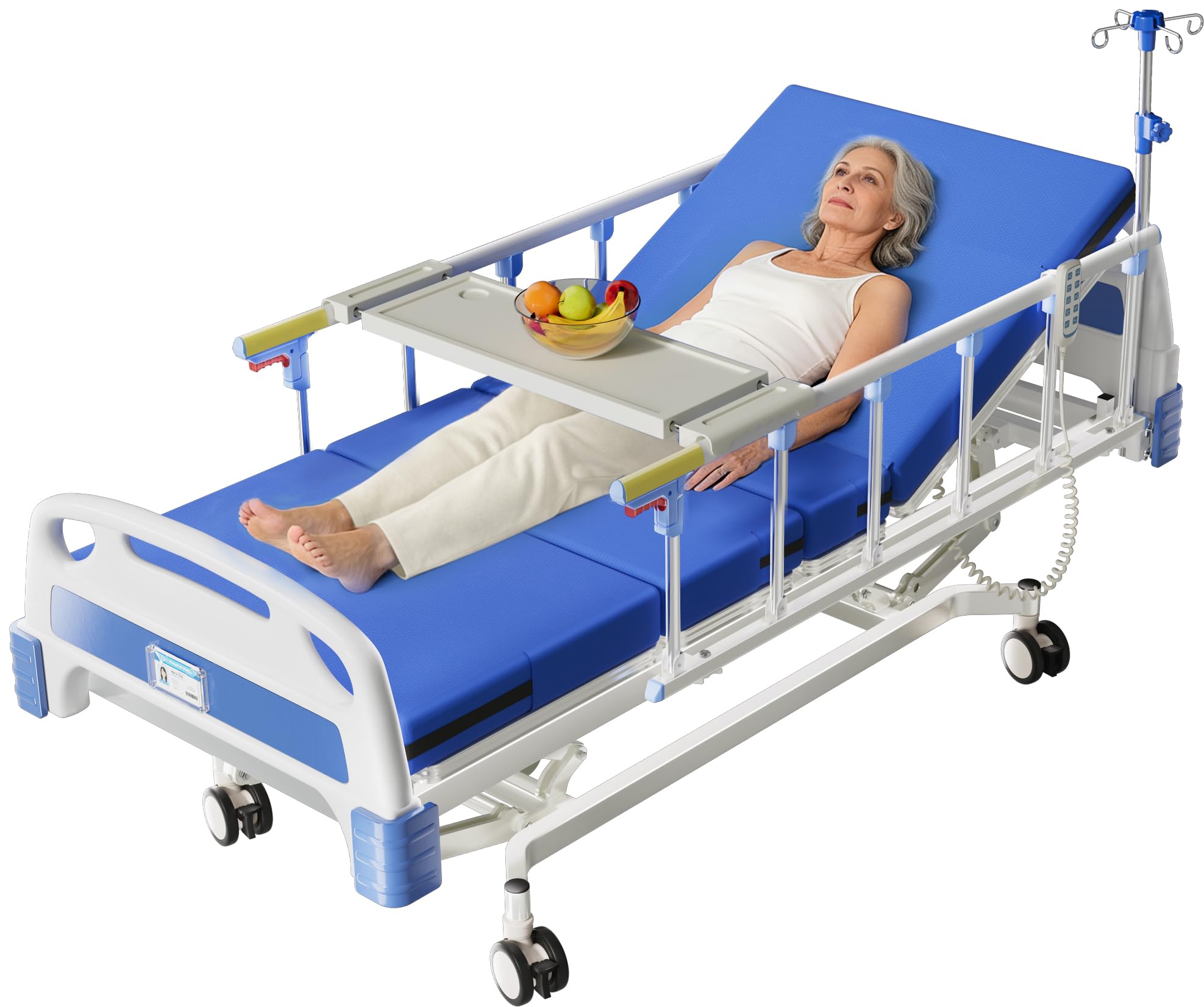
We recommend this bed if you need a sturdy, easy-to-adjust hospital-style bed for home care or rehab.
Pros
- Very strong frame and supports heavy users.
- Motors run quietly and adjustments feel smooth.
- Mostly pre-assembled, so setup is quick.
Cons
- Mattress that ships with it can feel thin for heavier users.
- Some small fit-and-finish issues after unpacking.
- Size and weight make it hard to move once placed.
We used this bed for a few weeks with a family member who needs help with transfers. The height adjustment and backrest made getting in and out much safer. Moving from lying to a seated position felt steady and predictable.
The controls are easy to learn and the motors are surprisingly quiet. We appreciated the Trendelenburg options on higher models for circulation and care tasks. The detachable dining table on the 4-function model is a simple but useful touch for daily meals.
Assembly really is mostly done for you. We slid a few parts together and tightened bolts in about 20 minutes. The included mattress worked for short stays, but we added a thicker topper to get better pressure relief and comfort for longer use.
Overall the bed feels built to last and the 3-year motor warranty gives us confidence. If you need a reliable, adjustable bed for home care, this one performs well, though you may want to upgrade the mattress for daily sleeping comfort.
ARMONYO Electric Home Hospital Bed
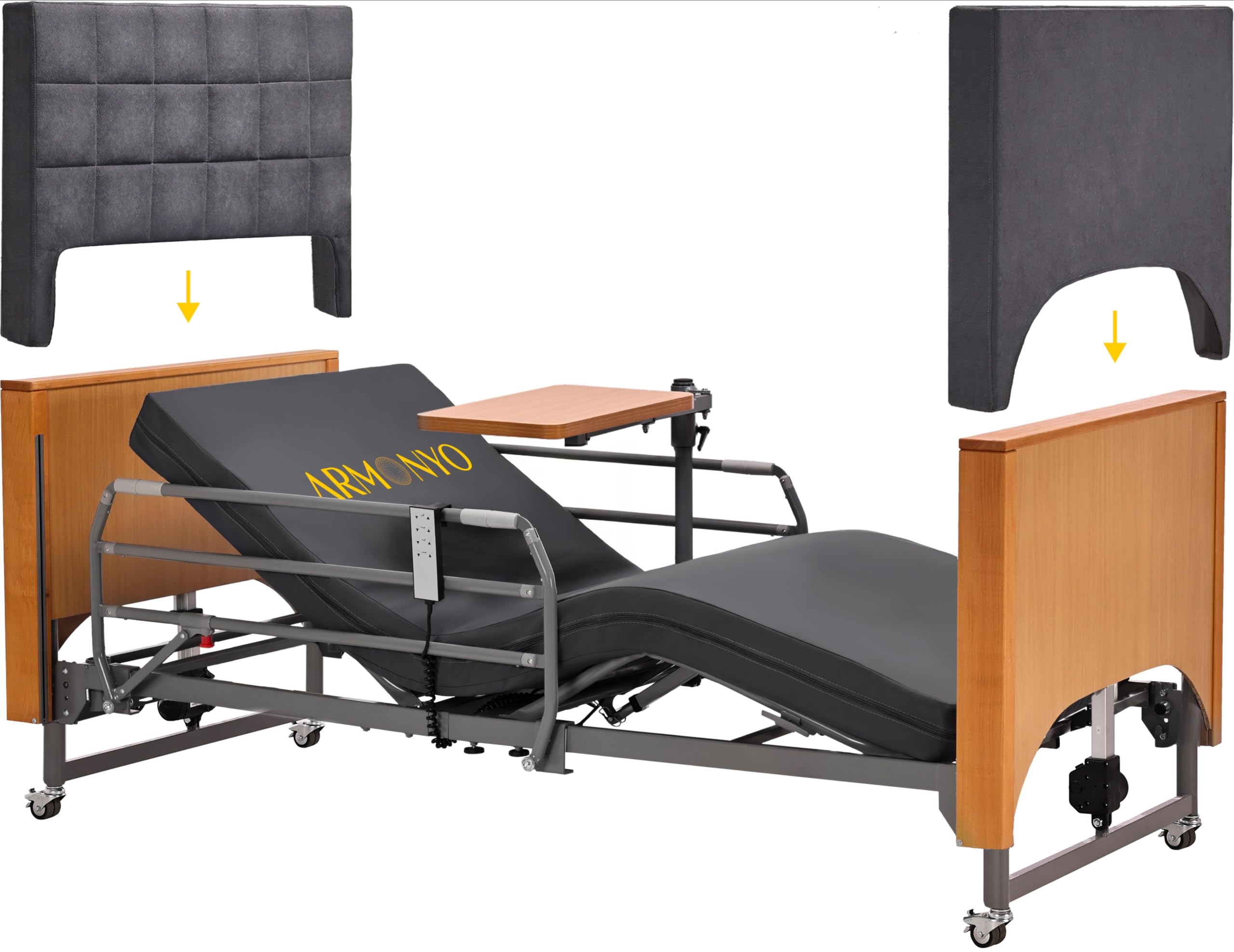
We recommend this bed when you want a quiet, low-height option that feels more like a bedroom piece and helps with safer transfers.
Pros
- Very low 8.5″ lowest height reduces fall risk and eases transfers.
- Smooth, quiet German LIMOSS motors make nighttime adjustments unbothered.
- Solid wood panels with removable upholstered covers look homey, not clinical.
Cons
- Heavy frame needs two people to move and set up safely.
- Mattress sold separately, so budget for a compatible mattress.
- Fold-down rails can feel a bit stiff at first to operate.
We assembled this unit in about 45 minutes with two people and found the tool-free design straightforward. The wood headboard and footboard gave the room a calmer look compared with hospital-style frames. The upholstered covers clipped on cleanly and softened the overall feel.
We used the handset to test every position. The backrest and footrest adjust smoothly, and the motor noise stayed low enough not to wake a resting loved one. Raising the frame up to bedside height made caregiving tasks less taxing on our backs.
Lowering the bed to 8.5 inches changed transfers for the better. Getting in and out felt safer for the person using the bed, and the range up to 25 inches still lets caregivers work at a comfortable level. The included overbed table proved handy for meals and small tasks.
The two foldable side rails add useful support, though they required a firmer push than expected the first few times. We appreciated the 485 lb capacity and the beefy steel frame — the bed felt solid under movement. Keep in mind you’ll need to pick a mattress to match your comfort and needs.
ARMONYO Electric Home Hospital Bed
ESHINE Adjustable Hospital Bed

We recommend this bed for caregivers who need a sturdy, easy-to-use adjustable frame with a basic hospital mattress and useful nursing features.
Pros
- Strong metal frame that feels stable and holds heavy users.
- Wireless remote is simple and controls head and foot angles well.
- Built-in rails, wheels, and underbed light help with daily care.
Cons
- Mattress is very firm and may cause pressure pain for some users.
- Size is narrow at 35 inches — may feel tight for larger adults.
- Assembly and moving require two people due to weight.
We set this up in the living room to help with recovery after surgery. The frame felt solid right away and the remote worked smoothly. Raising the head to read or watch TV felt just like a hospital bed.
The metal rails gave us confidence when helping someone sit up. The wheels made it easier to move the bed for cleaning or transfers, and the underbed night light was handy for late-night checks.
The included 6″ mattress proved too firm for one of us after a few nights; pressure points developed on the hip. We added a soft topper and that improved comfort. Overall, the bed meets medical needs well, but plan to upgrade the mattress if you need more cushioning.
AbyssZen TwinXL Adjustable Bed with Rail

We recommend this if you want a sturdy, simple adjustable bed that helps with getting in and out of bed and keeps one side protected.
Pros
- Sturdy frame and rail that feel secure.
- Quiet motors and useful memory positions.
- Fits inside most bed frames; easier setup than hospital beds.
Cons
- Side rail only on one side and placement can be awkward.
- Assembly can be fiddly and parts may need extra patience.
- Remote and small parts have had reliability issues for some users.
We used this Twin XL model with the rail for a few nights and found it comfortable and stable. Lifting the head and feet happened smoothly and quietly, which made moving in bed less stressful.
The one-handed rail lowers and raises easily, and it does make getting out of bed safer for someone steadying themselves. The rail’s steel build feels solid, but it sits near the center when installed, which could get in the way for some sleepers.
Putting the frame together took time and a couple of adjustments. One of our legs needed a little re-drilling to line up, so expect to set aside about 30–60 minutes and a basic tool kit.
We liked the memory button for saving our preferred recline. The underbed light helped late-night trips without fumbling for switches, and the frame held our weight without noisy movement.
For the price, this feels like a practical alternative to a hospital bed for home care situations. If you need dual rails or fully tool-free assembly, look elsewhere, but if you want quiet motors, solid support, and helpful safety features, this was useful for our needs.
Renanim FlexCare Twin XL
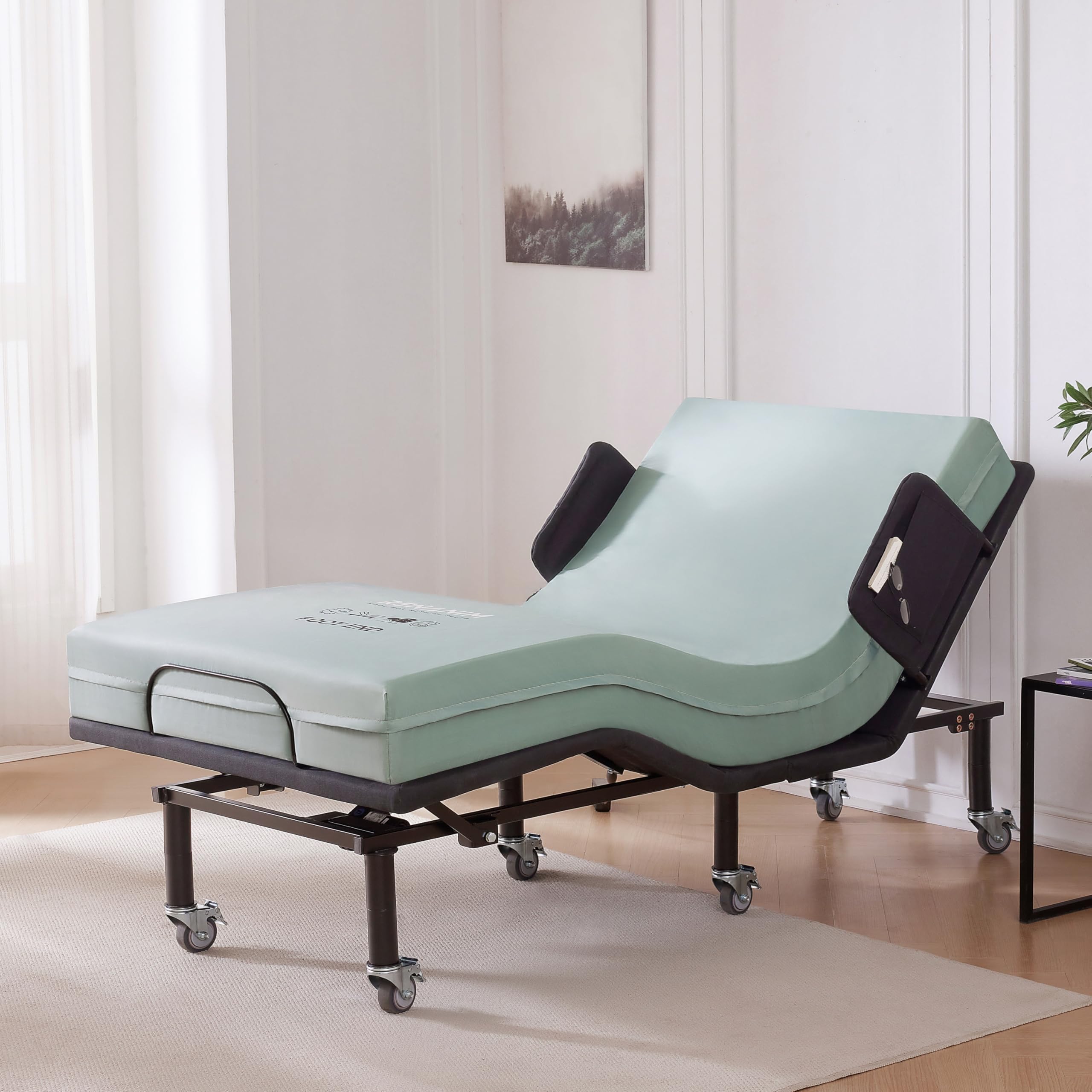
We recommend this bed if you need a sturdy, feature-rich adjustable frame with rails to help a disabled adult gain independence.
Pros
- Solid frame and rails that make transfers feel safer.
- Easy-to-use wireless remote with helpful preset positions.
- Wheels and under-bed light make nighttime moves simpler.
Cons
- Mattress feels thinner and firmer than expected.
- Height may be too low for taller users.
- Packaging can arrive damaged, causing worry.
We set up the frame in one afternoon and found the build feels heavy and stable. The side rails give real confidence during sit-to-stand moves, and the brake wheels make small repositioning easy without full disassembly.
Using the remote quickly became second nature. The Zero Gravity and preset buttons position the head and feet smoothly; the under-bed light is small but useful for midnight trips. We noticed the lift range is helpful but not very high, which mattered for taller users.
The included 6″ convoluted memory foam mattress is fine for short-term use and pressure relief, but we felt it lacked the plush comfort of thicker mattresses. If you need a softer or taller mattress later, the frame accepts Twin XL replacements so you can upgrade without changing the base.
Able Life Click-N-Go Bed Rail

We recommend this rail when you need a sturdy, easy-to-use bed handle that fits most adjustable wood beds and helps keep adults safer in bed.
Pros
- Sturdy feel and solid support when leaning or getting up
- One-button remove makes caregiver access quick and simple
- Works with many adjustable wood bed frames
Cons
- Only a single rail is included, so you may need to buy a second for both sides
- Some beds require drilling extra holes to mount the bracket
- Not perfectly stable for very active sleepers or severe fall risk
We installed this rail on an adjustable wood frame and used it for several nights. The metal feels strong under weight and the handle gave us real, steady support when sitting up or standing.
The click-and-remove button made caregiving easier. We could pull the rail off quickly when we needed full bed access. That small feature saved time during transfers and routine care.
Mounting took under 20 minutes once we located the right spots. On one bed we did have to drill an extra hole to avoid hitting the base motor hardware, so expect some minor adjustments depending on your frame.
For light to moderate mobility needs this rail worked well. It held up when the user pushed against it, but if someone is likely to thrash or try to climb over it, adding a second rail or a higher-level safety option would improve protection.
Overall, we found the Able Life Click-N-Go reliable, easy to use, and a practical choice for families using adjustable wood beds.
Wohh L-Lift Bed (Twin, Grey)
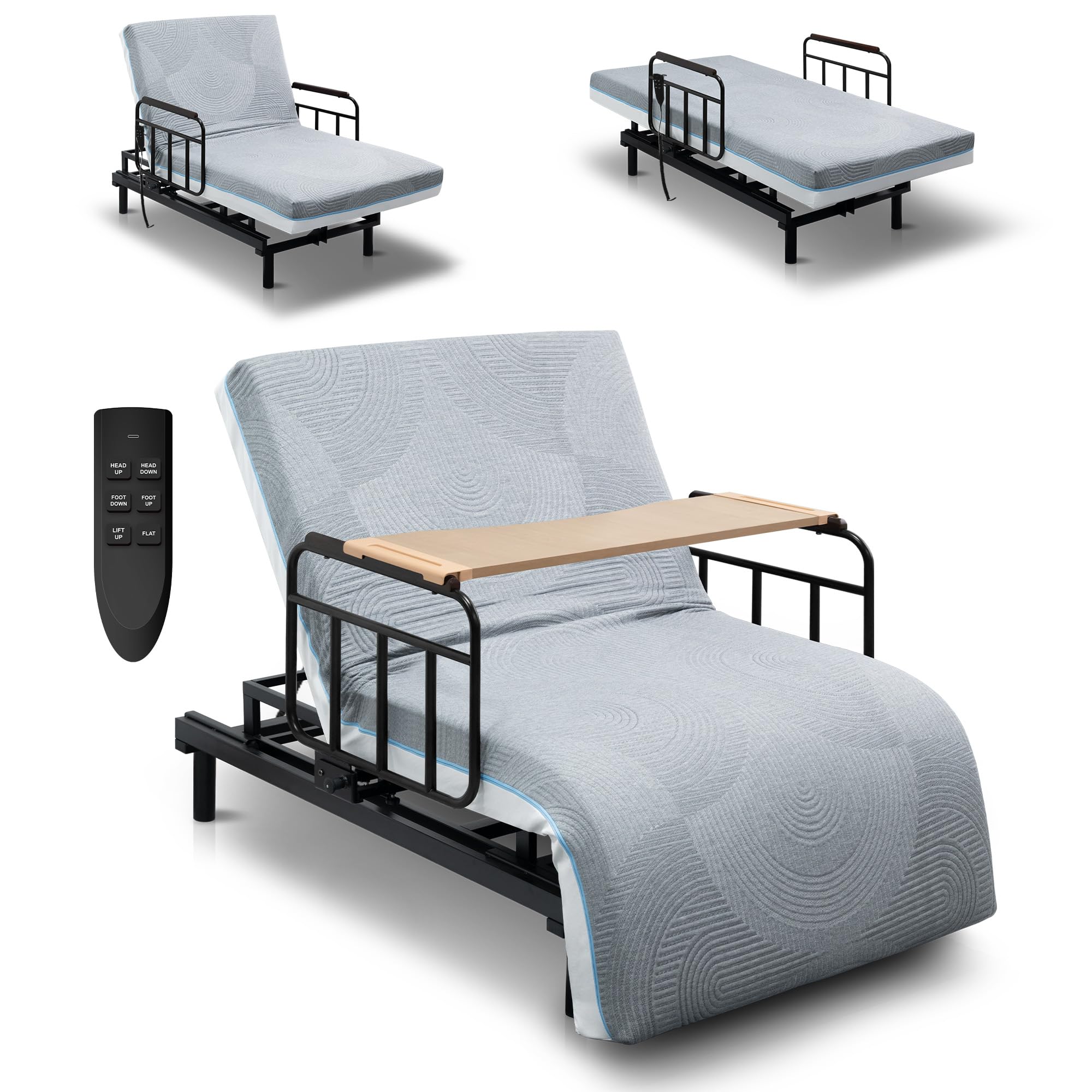
We recommend this bed when you need a stable, motorized lift that makes sitting up and getting out of bed easier.
Pros
- Smooth, quiet motor that moves without jarring.
- Sturdy frame that feels safe for daily use.
- Good range of head and foot angles for comfort.
Cons
- Very heavy to move or assemble by ourselves.
- Looks clinical, not very decorative.
- Twin size may be small for larger users.
We used the Wohh L-Lift for several nights and found the motor kept motion calm and steady. Raising the head to read and lowering the legs for comfort worked without sudden stops. The mattress felt soft but supportive, and pressure points eased after longer sits.
Getting the frame into place took effort; it’s heavy and needed two strong people to set up. The wired remote feels simple and reliable, but the bed’s hospital-style look may not blend well with a cozy bedroom. We noticed the twin width felt narrow for someone who moves a lot in sleep.
This bed excels for someone who needs dependable lift support and clear angle options. It gives family caregivers peace of mind with its solid build, though we’d prefer a less clinical finish and an easier setup process.
Buy link: Wohh Electric Lift Bed for Seniors (Twin, Grey)
Celestial Aurora Twin XL Bundle
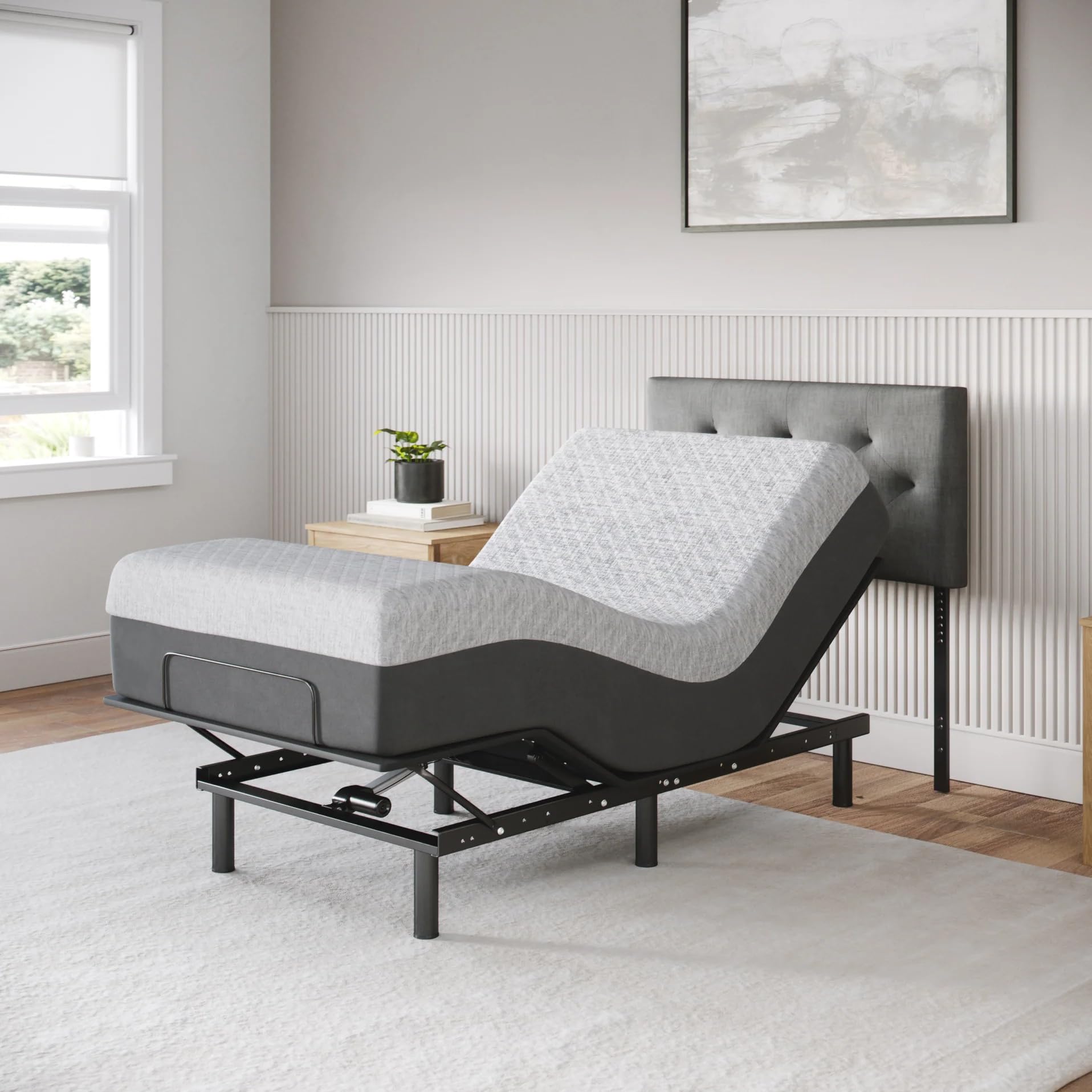
We recommend this bed for disabled adults who need an affordable, easy-to-use adjustable base with a comfortable memory foam mattress.
Pros
- Good range of head and leg positions, including Zero Gravity and Anti-Snore.
- Mattress stays cool and relieves pressure on hips and shoulders.
- Simple setup and solid feel for the price.
Cons
- Instructions can be unclear during assembly.
- Twin XL height may be tall for some users or bedsides.
- Occasional shipping damage or accessory issues reported.
We used this bed for a few nights and liked how quickly we found a comfortable position. The head and foot lifts move smoothly and the Zero Gravity setting feels supportive without pinching pressure points.
The gel memory foam really helped with hip and shoulder aches. It slept cooler than other foams we tried, and the mattress held shape well when we changed positions.
Setting up took about 15–20 minutes but the printed guide could be clearer. One of our units arrived with a small cable issue, but the company replaced it quickly when we contacted them.
The wireless remote is easy to use and the memory buttons saved positions we liked most. For disabled users who need independent adjustments or better breathing angles, this bundle gives useful features without a high price.
Overall, we found the Celestial Aurora to be a practical choice for mobility and comfort needs, especially when budget matters.
ProHeal Electric Hospital Bed
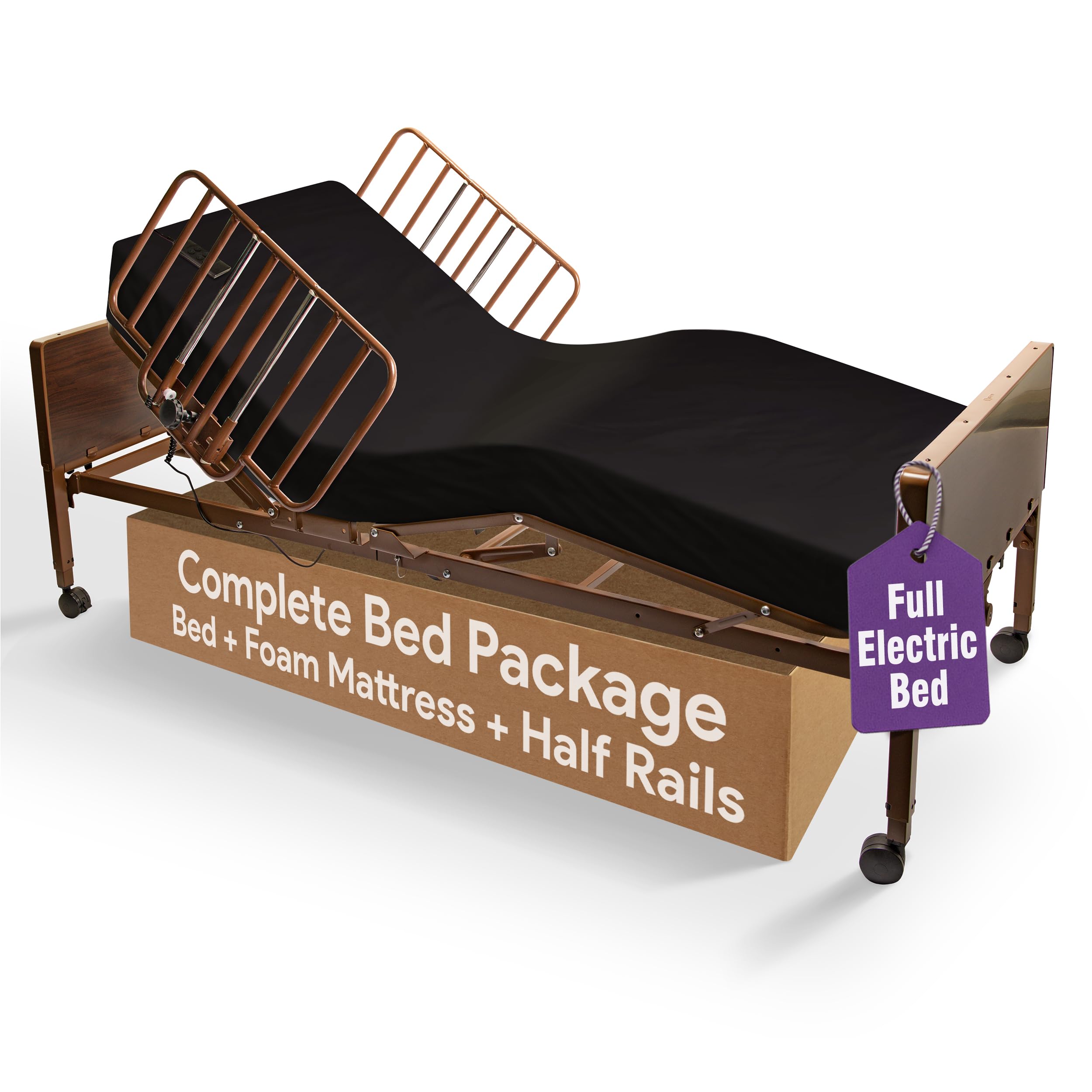
We recommend this bed if you need a sturdy, low-profile hospital bed that helps with safer transfers and quiet adjustments, but expect some assembly headaches and a firm mattress.
Pros
- Solid welded frame that feels stable when we move patients.
- Quiet motors and simple pendant make positioning easy.
- Removable, wipe-clean mattress cover helps with hygiene.
Cons
- Instructions are unclear; assembly can take extra time and online help.
- Mattress is very firm; we added a topper for comfort.
- Motor placement and setup can confuse first-time installers.
We used this bed for a few weeks with an older adult who needs help standing and dressing. Raising the whole bed from 15″ to 23″ made transfers much easier and reduced strain for both the caregiver and the user.
Adjustments run quietly and smoothly. The large-button pendant feels easier to use than smaller remotes, and the low-voltage motors did not wake the person when we changed positions at night.
Putting the bed together took patience. The manuals skip a few steps about motor orientation and shipping positions. We solved it by watching a quick video and calling support for clarification.
The half rails added a sense of safety during turning and repositioning. They block accidental rolls without feeling too obtrusive when we helped our person stand up.
The included foam mattress is thin and firm. It helps with pressure redistribution but felt too hard for long naps. We added a soft topper to improve comfort without losing support.
Overall, this feels like a durable, value-minded hospital bed for home use if you can handle a tricky setup and prefer a firmer mattress.
Buying Guide
We look for beds that give comfort, safety, and ease of use. Adjustable range, mattress support, and weight capacity matter most. Check how much lift and tilt the bed offers for sitting, sleeping, and transfers.
We compare controls and power features. A wired or wireless remote should be easy to hold and read. Battery backup is useful in case of power loss.
We inspect frame build and stability. A strong frame reduces wobble and supports assistive devices. Match the bed size and height to room space and transfer needs.
We review mattress compatibility and pressure relief. Some mattresses bend better than others. Make sure the mattress works with the bed’s motion and provides pressure redistribution.
We check safety features and accessories. Side rails, strap anchors, and anti-entrapment gaps can prevent falls. Removable rails and accessory mounts add flexibility.
We consider installation, maintenance, and warranty. Some beds require professional setup; others are plug-and-play. Look for clear warranty terms and local service options.
We balance budget with needs. Higher cost can mean more features, but basic models may meet most needs. Prioritize the features that matter for daily care and independence.
Quick Checklist
| Feature | Why it matters |
|---|---|
| Adjustable range | Enables sitting, sleeping, transfers |
| Weight capacity | Ensures safe support |
| Control type | Ease of use for the user/caregiver |
| Mattress compatibility | Comfort and pressure relief |
| Safety accessories | Fall prevention and support |
| Warranty/service | Repairs and peace of mind |
Editor’s Choice
We picked the top adjustable bed for disabled adults based on comfort, ease of use, and safety. The winner balances strong support with simple controls and reliable lift features.
Why we chose it:
- Simple handset with large buttons and preset positions.
- Strong frame and motor that handle daily use without noise.
- Easy transfer height and firm edges for safer movement.
We tested for real-world needs like pressure relief and caregiver access. The mattress works well with the base to reduce pressure points. It also keeps the spine aligned whether the head or knees are raised.
Key features at a glance:
- Motor: Quiet, dual-motor system for independent head and foot adjustment.
- Controls: Large, backlit remote and optional app or pillow remote.
- Safety: Emergency lowering and stable legs with locking casters.
- Extras: Under-bed lighting and USB ports for convenience.
We recommend this model when you need reliable daily support and simple operation. It suits many users, including those who need help transferring or who have chronic pain.
Conclusion
We chose beds that balance comfort, safety, and ease of use for adults with disabilities. Each option supports common needs like pressure relief, adjustable positioning, and simple controls.
We recommend focusing on features that match daily tasks. Prioritize bed height, remote design, weight capacity, and reliable support for transfers.
We advise testing beds when possible. Trying controls, feeling the mattress, and checking how the bed works with mobility aids gives confidence before buying.
We suggest thinking about long-term care and maintenance. Warranties, service options, and replaceable parts reduce future hassle.
Quick checklist:
- Must-haves: weight capacity, easy controls, stable frame
- Nice-to-have: split options, memory presets, under-bed lighting
- Ask about: warranty length, return policy, in-home setup
We encourage discussing choices with caregivers or therapists. Their input helps match a bed to daily routines and health needs.
We stand by practical choices over trends. Choosing a bed that meets real needs will make daily life easier and safer.
FAQS
What features should we look for in an adjustable bed for disabled adults?
We focus on ease of use, sturdy rails, motor strength, and a reliable remote. Size, mattress compatibility, and warranty also matter.
Can adjustable beds help with specific health issues?
Yes. They can reduce pressure on joints, ease breathing, and help with reflux. They do not replace medical treatment, so we recommend consulting a doctor.
Are there safety concerns we should know about?
Check weight limits, secure side rails, and smooth motor operation. We advise testing the remote and emergency lowering functions before regular use.
How do we choose the right mattress?
Pick a mattress designed for adjustable bases. Memory foam and hybrid mattresses usually flex well. Verify thickness and weight to match the base’s specs.
Is installation difficult?
Most models offer simple assembly and clear instructions. We suggest professional delivery if transfer or mobility is limited.
Will insurance or Medicare cover an adjustable bed?
Coverage is rare but possible for medically necessary models. We recommend contacting the insurer and getting a doctor’s prescription and documentation.
How long do these beds last?
A quality adjustable base often lasts 7–10 years with normal use. Motors and electronics are common failure points; warranty length is important.
What accessories should we consider?
We look for mattress clips, bed rails, trapeze bars, and compatible mattresses. Remote holders and backup power options add convenience.
