
Bed Rail vs Grab Bar: Which Is Safer for Seniors?


Audiobook Player

Medical Alert System

Puzzle Book for Seniors
Choosing between a bed rail vs grab bar is a vital step when setting up a safe bedroom for an older adult. Both tools help seniors stand up, keep their balance, and move safely around the bed area.
However, they serve slightly different core purposes for daily mobility. While one keeps users from rolling out of bed at night, the other offers a sturdy grip for standing and walking during the day.
Quick Comparison
If you want to prevent falls during the night and need a wide handhold to pull up, a bed rail is usually the best choice. It slides safely right under the mattress and stays close to the user.
If the main goal is simply having a firm, fixed handle to grab while standing up, a bedside grab bar might be better. Grab bars do not stop someone from rolling out of bed, but they offer excellent vertical support for weak legs.
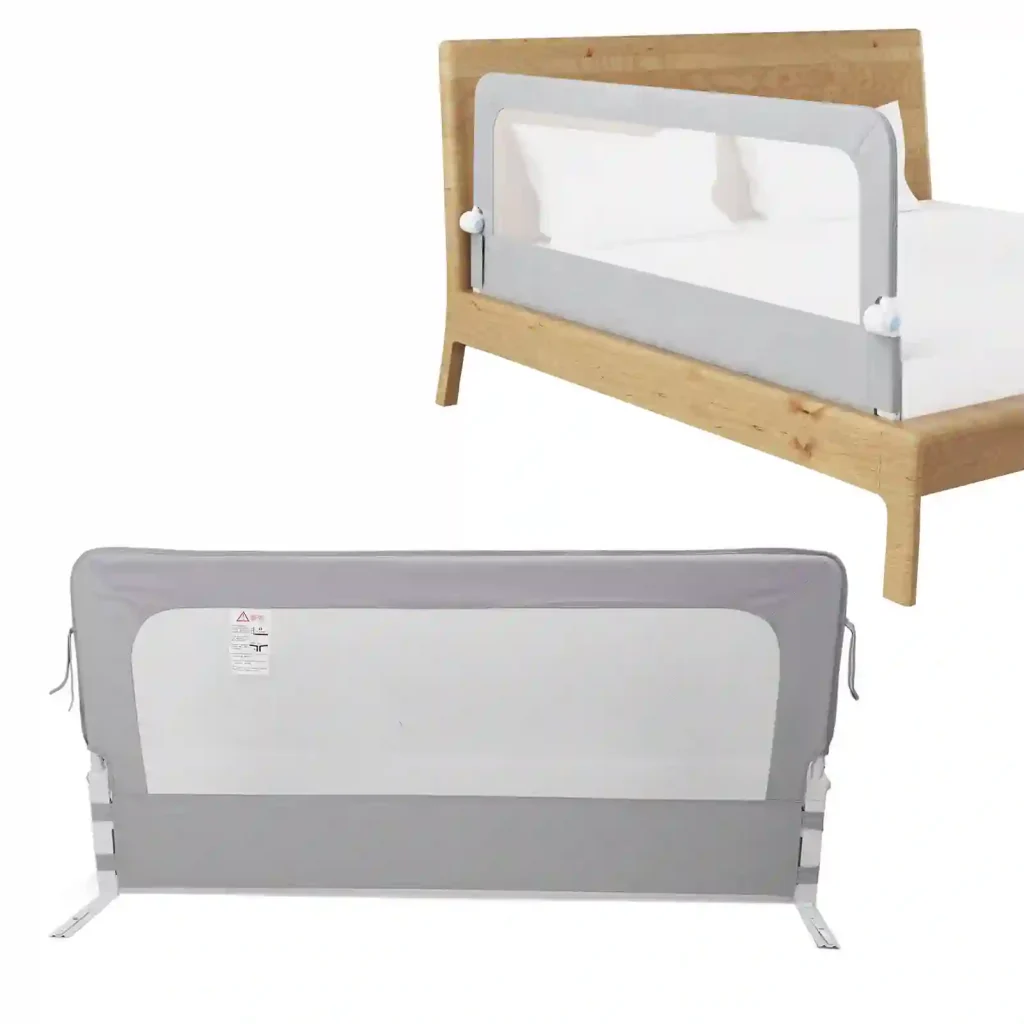
Bed Rail vs Grab Bar At A Glance
Here is a quick look at how these two mobility aids compare. They both handle daily safety in different ways.
| Feature | Bed Rail | Bedside Grab Bar |
| Main Purpose | Fall prevention and in-bed mobility | Standing and transfer support |
| Installation | Under mattress or on bed frame | Wall-mounted or floor-to-ceiling pole |
| Prevents Rolling | Yes, most models do | No |
Bed Rails for Senior Safety
A bed rail is a metal safety frame that attaches directly to the bed. It gives seniors a safe way to sit up and safely stops them from falling out while asleep.
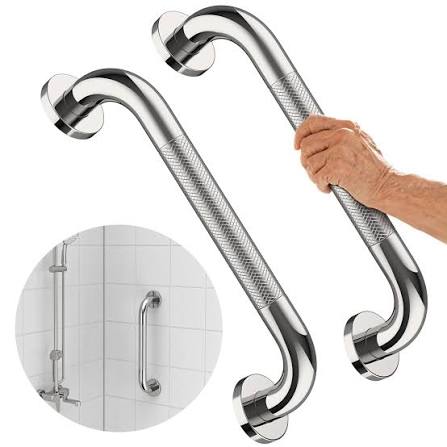
Ease of Use
Most bed rails are very easy to use daily. You just grab the padded bar to pull yourself up to a seated position. Setup is often tool-free, sliding snugly between the mattress and box spring. They require very little physical effort to grip and hold.
Key Strengths
- Stops users from rolling out of bed at night.
- Offers a wide, horizontal space for two-handed gripping.
- Often includes a handy storage pouch for phones or glasses.
- Slides easily under most standard home mattresses.
- Provides leverage for rolling over in bed.
Potential Drawbacks
- Not always compatible with mechanical adjustable beds.
- Can create a risk of entrapment if not installed tight against the mattress.
- May feel too restrictive for highly active sleepers.
- Can block the natural exit path if it is too long.
Grab Bars for Bedroom Use
A bedroom grab bar usually means a floor-to-ceiling tension pole or a wall-mounted handle. It gives a solid vertical grip for standing up safely.
Ease of Use
Grab bars are incredibly simple tools for older adults. There are no moving parts to confuse the user. A tension pole stands firmly next to the bed, offering a natural and easy handhold. Wall-mounted bars take more work to install, as they must attach firmly to wall studs.
Key Strengths
- Provides extreme stability for pulling up to a standing position.
- Takes up very little floor space in the bedroom.
- Tension poles work great with any bed type, including adjustable beds.
- Does not trap the user in the bed at night.
- Allows the user to pull straight up using arm strength.
Potential Drawbacks
- Does not stop someone from falling out of bed.
- Wall-mounted versions require drilling deeply into wall studs.
- Tension poles may not work on slanted or very high ceilings.
- Requires the user to reach away from the bed to find the grip.
Which Is Easier for Seniors to Use?
Both tools are simple, but they help in very different ways. Bed rails are easier for seniors who need help sitting up from a flat position. The horizontal bar gives a natural pulling angle that works well with upper body strength.
Grab bars may be easier for seniors who can sit up fine but need help standing. A vertical tension pole lets a person pull straight up to their feet. A bed rail usually requires the user to push down to stand, which can stress the wrists.
Performance Comparison
These items perform distinct safety tasks for older adults. Let us look at how they handle daily physical needs.
| Performance Area | Bed Rail | Bedside Grab Bar |
| Pulling Up to Sit | Excellent leverage | Fair (depends on placement) |
| Standing Support | Good (requires pushing down) | Excellent (allows pulling up) |
| Fall Protection | Excellent | Poor |
Comfort, Accessibility, and Senior-Friendly Design
Comfort often comes down to the grip and the placement. Most bed rails feature soft, non-slip foam padding. This makes them gentle on older hands that may have arthritis. They also sit right at the edge of the mattress, making them highly accessible in the dark.
Grab bars offer varying comfort levels depending on the style.
- Metal wall bars can feel cold and hard to grip.
- Floor-to-ceiling poles often feature ergonomic, curved handles that are very easy to grasp.
- Tension poles are excellent because you can place them exactly where the senior steps out of bed.
- Neither option requires bending down, which protects the lower back.
Features Comparison
Here is a simple breakdown of the unique features each option offers. These details can make a big difference in daily life.
| Feature | Bed Rail | Bedside Grab Bar |
| Storage Options | Often includes side pouches | Usually none |
| Adjustability | Height and length adjustable | Height adjustable (poles only) |
| Portability | Easy to move or pack for travel | Hard to move once installed |
Price, Maintenance, and Long-Term Value
Both options offer strong long-term value for a safe home. A basic bed rail is often cheaper than a heavy-duty tension pole. Bed rails need routine checks to ensure the safety strap remains tight under the mattress.
Grab bars cost more upfront, especially if you hire a handyman to install a wall bar. However, they need almost zero maintenance once set up. You simply wipe them down with a damp cloth. Neither product has expensive parts to replace, making both very cost-effective over time.
Who Should Choose a Bed Rail?
A bed rail works best for those who need in-bed support and protection.
- Choose a bed rail if the user might roll out of bed while sleeping.
- Choose a bed rail if they need help pulling themselves up from a flat position.
- Choose a bed rail if you want extra bedside storage for small items like medications.
- Choose a bed rail if you want a fast, tool-free setup.
- Choose a bed rail if the senior prefers to push down to stand up.
Who Should Choose a Grab Bar?
A grab bar is better for pure standing and walking support.
- Choose a grab bar if the user sleeps in an adjustable or hospital-style bed.
- Choose a grab bar if they only need help standing up, not sitting up.
- Choose a grab bar if they feel trapped or anxious with side rails.
- Choose a grab bar if you have a tight space next to the bed.
- Choose a grab bar if pulling up vertically is easier for their joints.
Bed Rail vs Grab Bar — Final Verdict
These two items serve distinct safety needs in the bedroom. They both help seniors maintain their daily independence.
Best for most seniors: Bed Rail. It handles both mobility and nighttime fall prevention.
Best for adjustable beds: Bedside Grab Bar (specifically a tension pole).
Best value: Bed Rail. They are usually more affordable and easier to install yourself.
Best for standing support: Bedside Grab Bar.
Scoring Summary
Here is how both options score across key safety and practical areas. These scores reflect general home use.
| Category | Bed Rail | Bedside Grab Bar |
| Ease of Setup | 9/10 | 7/10 |
| Fall Prevention | 10/10 | 2/10 |
| Standing Support | 8/10 | 9/10 |
| Value | 9/10 | 8/10 |
How We Evaluate Products
We look at products through a strict, senior-focused lens. Our evaluation checks ease of use, physical effort, and overall bedroom safety. We consider how hard an item is to install for an average caregiver. We also look at grip comfort, daily maintenance, and long-term reliability. Our goal is to highlight practical features that truly help older adults live safely.
Senior-Specific Buying Considerations
Keep these practical details in mind before making a purchase.
- Physical Effort: Does the user have the arm strength to pull themselves up, or do they prefer to push down?
- Bed Type: Bed rails rarely work on adjustable beds. Check your mattress setup first.
- Grip Comfort: Look for thickly padded handles if the user has arthritis or weak hands.
- Space: Make sure the bedroom has enough room for a tension pole or a fold-down rail to operate freely.
- Mattress Weight: A very light mattress might not hold a slide-in bed rail securely enough.
Common Buying Mistakes
Avoid these common errors when shopping for bedside support.
- Buying a standard bed rail for an adjustable frame bed.
- Forgetting to measure the mattress height before buying a rail.
- Installing a wall grab bar without finding the wooden wall studs first.
- Choosing a tension pole for a room with weak, drop, or slanted ceilings.
- Ignoring the maximum weight limit on the mobility aid.
- Assuming one product will solve every mobility issue in the room.
Safety
Safety is the most critical factor when modifying a bedroom. With bed rails, physical entrapment is a real risk. The rail must fit tightly against the side of the mattress so a person cannot slip between them. Always use the provided safety strap that connects securely to the opposite side of the bed frame.
“Proper installation is the key to bedside safety. A loose rail or bar is worse than no rail at all.”
With grab bars, ensure wall mounts hit solid wooden studs. Simple drywall anchors will quickly rip out under human weight. For tension poles, check the ceiling pressure weekly to ensure it has not loosened. If a senior has severe dementia or confusion, discuss these aids with a doctor, as they might try to climb over a rail and fall from a higher point.
Conclusion
Deciding between a bed rail vs grab bar mostly comes down to what happens during the night. If rolling out of bed is a real risk, a bed rail is the safest bet. It offers a great grip and keeps the user secure while they sleep.
If the senior just needs a steady hand to stand up in the morning, a bedside grab pole or wall bar works wonders. Many families actually use both to create a fully safe room. Always check your exact bed type and room layout before making your final choice.