
Be a Santa to a Senior

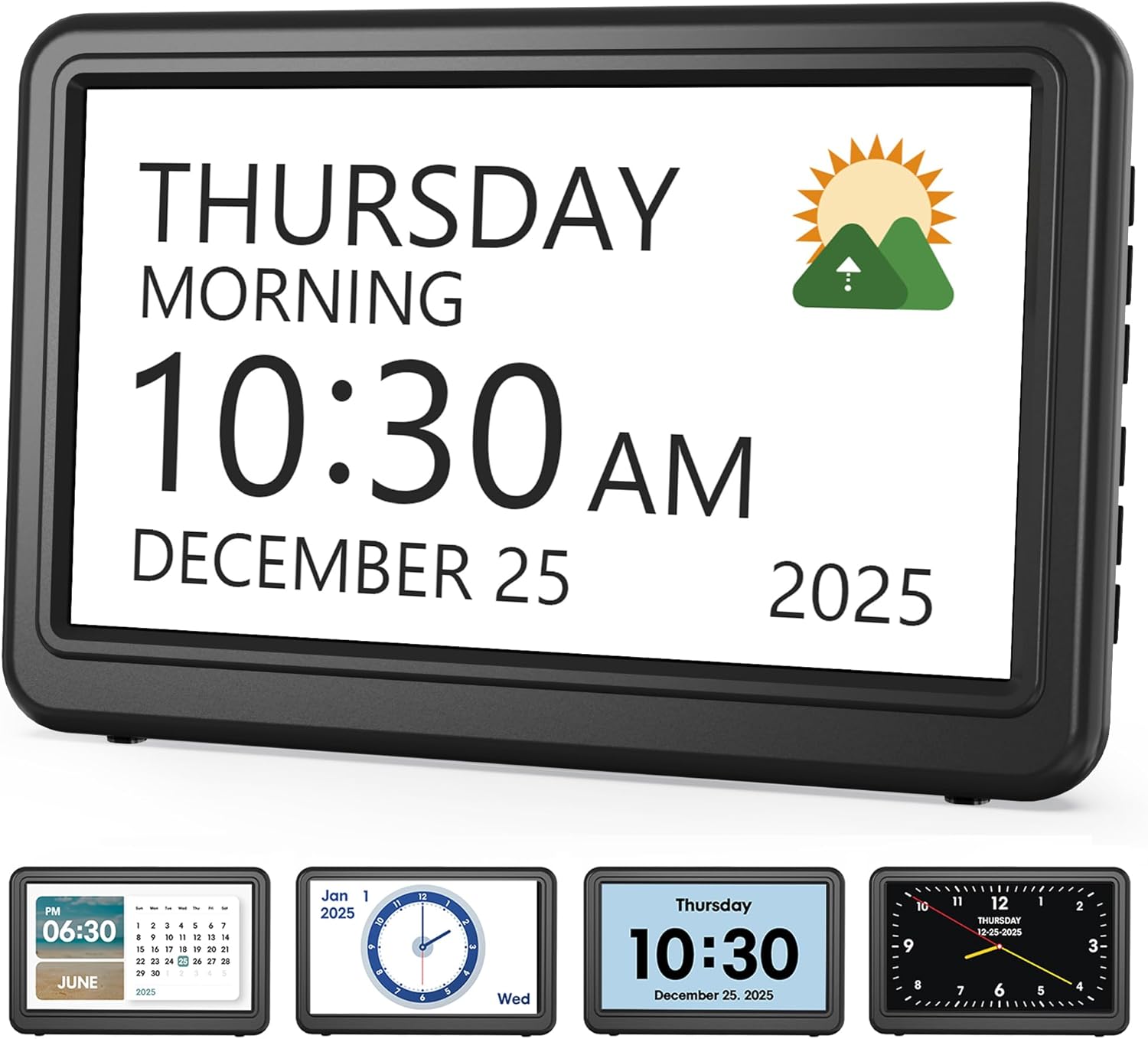
Medication Reminder Alarm

Folding Walking Stick with Seat

Button Hook Dressing Aid
Be a Santa to a Senior is a heartwarming initiative that brings joy, companionship, and essential gifts to older adults who may feel isolated during the holidays. By volunteering your time, donating gifts, or simply offering a listening ear, you can make a lasting impact on someone’s life.
The holiday season is often painted as a time of joy, family gatherings, and warm traditions. But for many older adults, especially those living alone or in care facilities, the holidays can feel quiet, lonely, and even sad. Imagine spending Christmas morning without a visitor, without a card, without someone to share a smile with. That’s the reality for thousands of seniors across the country. But here’s the good news: you have the power to change that. By choosing to be a Santa to a senior, you can bring light into someone’s life when they need it most.
Being a Santa to a senior isn’t about grand gestures or expensive gifts. It’s about showing up—with a kind word, a thoughtful present, or just your presence. It’s about reminding an older adult that they are seen, loved, and not forgotten. Whether you’re a student, a working professional, a retiree, or a busy parent, there’s a way for you to get involved. This movement is growing every year, driven by compassion and the understanding that everyone deserves to feel the magic of the season.
Key Takeaways
- Combat loneliness in seniors: Many older adults experience isolation, especially during the holidays. Your kindness can brighten their season.
- Simple acts make a big difference: From handwritten cards to small gifts, thoughtful gestures show seniors they are valued and remembered.
- Volunteer opportunities abound: Local charities, senior centers, and nonprofits often run “Be a Santa to a Senior” programs—find one near you.
- Gift ideas that matter: Focus on practical, comforting, or nostalgic items like blankets, photo albums, or favorite snacks.
- Emotional benefits for everyone: Helping seniors not only uplifts them but also brings fulfillment and gratitude to the giver.
- Start early for maximum impact: Planning ahead ensures gifts arrive on time and allows for personal touches.
- Spread awareness: Share the cause with friends, family, and coworkers to grow the movement of holiday kindness.
📑 Table of Contents
Why Seniors Need “Santa” More Than Ever
Loneliness among older adults is a silent epidemic. According to the U.S. Census Bureau, over 28% of people aged 65 and older live alone. Many have lost spouses, siblings, or close friends. Some live far from family. Others may have limited mobility or health challenges that make it hard to get out. During the holidays, these feelings can intensify. The contrast between bustling shopping malls, festive music, and family photos on social media can make isolation feel even sharper.
For seniors, the holidays aren’t just about gifts—they’re about connection. A simple visit from a volunteer can mean more than any wrapped present. It’s a reminder that someone cares. Studies show that social interaction improves mental and physical health in older adults. It reduces the risk of depression, boosts cognitive function, and even increases longevity. When you be a Santa to a senior, you’re not just giving a gift—you’re giving health, hope, and human connection.
The Emotional Weight of Holiday Isolation
Think about the last time you felt truly seen. Maybe it was when a friend remembered your birthday, or when a stranger smiled at you on a tough day. For seniors, those small moments can be rare. The holidays amplify this. While others are opening presents and laughing around the dinner table, some seniors are sitting in silence, wondering if anyone will call.
This emotional weight can lead to feelings of worthlessness or sadness. But your kindness can shift that narrative. A handwritten note, a holiday card, or a phone call can say, “You matter.” These gestures don’t cost much, but their value is immeasurable.
How “Be a Santa to a Senior” Programs Help
Many organizations run formal “Be a Santa to a Senior” programs during the holiday season. These initiatives match volunteers with older adults in need. Some programs focus on gift-giving, while others emphasize companionship. For example, Meals on Wheels often includes holiday gift drives. Local senior centers may host “Adopt-a-Senior” events where community members sponsor an older adult with gifts and visits.
These programs are designed to be inclusive and easy to join. You don’t need to be wealthy or have free time all day. Even 30 minutes of your time can make a difference. The key is intention—choosing to show up for someone who might not otherwise receive a visit.
How to Get Involved: Simple Ways to Be a Santa

Visual guide about Be a Santa to a Senior
Image source: d.ibtimes.com
You don’t need a sleigh or a red suit to be a Santa to a senior. All you need is a willing heart. There are many ways to get involved, no matter your schedule, budget, or location. Whether you’re able to give time, money, or both, your contribution matters.
Volunteer Your Time
One of the most powerful ways to help is by spending time with a senior. Many organizations welcome volunteers to visit nursing homes, assisted living facilities, or even make home visits. You could read a book, play a board game, or simply sit and chat. Some seniors love to share stories from their past—listen with curiosity and respect.
If you’re not sure where to start, check with local nonprofits, churches, or community centers. Many post volunteer opportunities online. You can also contact area senior centers directly and ask how you can help during the holidays.
Donate Gifts or Essentials
If you can’t visit in person, consider donating a gift. Think about what would make a senior feel comforted and cared for. Practical items are often appreciated: warm socks, soft blankets, unscented lotion, or a good book. Avoid anything too complicated or high-tech—many seniors prefer simple, easy-to-use items.
Some programs allow you to “adopt” a senior by receiving their name, age, and wish list. This makes the experience more personal. You can shop for their specific needs and even include a handwritten note. Imagine the joy of receiving a gift from someone who took the time to learn about you.
Send a Holiday Card or Letter
Never underestimate the power of a card. A simple holiday greeting can brighten someone’s entire day. You can write a short message like, “Thinking of you this holiday season. Wishing you warmth and joy.” If you’re creative, include a drawing, a poem, or a favorite memory.
Schools, scout troops, and community groups often organize card-making drives. You can join one or start your own. Even if you’re not artistic, your words will be cherished. Many seniors keep these cards and reread them throughout the year.
Organize a Group Effort
Want to multiply your impact? Invite friends, coworkers, or family members to join you. You could host a gift-wrapping party, organize a donation drive, or plan a group visit to a senior center. When more people get involved, the joy spreads even further.
For example, a local coffee shop might let you set up a donation box for senior gifts. A school class could write 50 holiday cards. A book club could collect gently used books for a senior library. The possibilities are endless when you work together.
What to Give: Thoughtful Gift Ideas for Seniors

Visual guide about Be a Santa to a Senior
Image source: subkuz.com
Choosing the right gift can feel overwhelming, but it doesn’t have to be. The best gifts are often the ones that show you’ve thought about the person’s comfort, interests, and needs. Here are some ideas to help you pick something meaningful.
Practical and Comforting Items
Seniors often appreciate gifts that make daily life easier or more comfortable. Think about items that provide warmth, ease, or familiarity:
– Soft, warm blankets or throws
– Cozy socks with non-slip soles
– Heating pads or warm water bottles
– Unscented hand cream or lip balm
– Easy-grip kitchen tools or utensils
– Magnifying glasses for reading
These items show that you care about their well-being. A warm blanket on a cold winter night can feel like a hug.
Items That Spark Joy and Memory
Many seniors enjoy gifts that connect them to the past or bring a smile. Consider:
– Photo albums or frames (you can even include a printed photo of yourself or your family)
– Classic movies on DVD or streaming gift cards
– Music from their youth—CDs or digital playlists
– Puzzle books like crosswords or Sudoku
– A journal or notebook for writing memories
These gifts encourage reflection and joy. A senior might spend hours looking through old photos or solving puzzles, feeling engaged and entertained.
Food and Treats (With Care)
Food is a universal comfort, but it’s important to consider dietary needs. Avoid anything with nuts, high sugar, or strong spices unless you know the senior’s preferences. Safe options include:
– Homemade cookies or baked goods (clearly labeled)
– Tea or coffee in a nice mug
– Gourmet popcorn or crackers
– Gift baskets with fruit, nuts (if safe), or chocolates
If you’re unsure, opt for non-food gifts. But if you do give food, make it personal—bake something yourself or include a note explaining the treat.
Experiences Over Things
Sometimes the best gift isn’t an object—it’s an experience. Consider giving:
– A gift card to a local restaurant or café
– Tickets to a community concert or theater show
– A subscription to a magazine or newspaper
– A voucher for a haircut or spa service (many senior centers offer these)
These gifts create opportunities for enjoyment and connection. A senior might use a gift card to treat themselves to a special meal or attend a performance they’ve been wanting to see.
The Ripple Effect of Kindness

Visual guide about Be a Santa to a Senior
Image source: dehayf5mhw1h7.cloudfront.net
When you choose to be a Santa to a senior, the impact goes far beyond one person. Kindness has a ripple effect. The senior you help may feel inspired to reach out to a neighbor. The volunteer who sees your example might start their own initiative. The community becomes warmer, more connected, and more compassionate.
Stories of Real Impact
Take Maria, a 78-year-old widow who hadn’t received a holiday visit in five years. When a local volunteer group adopted her through a “Be a Santa to a Senior” program, she was overwhelmed. Not only did she receive a warm blanket and a photo album, but a volunteer named James visited her every week in December. They played cards, shared stories, and even decorated her apartment together. Maria later said, “I forgot what it felt like to be happy. James reminded me that I’m still here, and I still matter.”
Or consider Tom, a high school student who organized a card drive at his school. He collected over 200 handmade cards and delivered them to a nearby nursing home. The staff said the residents lit up when they read the messages. One woman kept her card on her nightstand and read it every morning. “It’s like having a friend,” she said.
These stories show that small actions can create big changes. You don’t need to solve all of society’s problems—just show one person they’re not alone.
How Kindness Benefits You
Helping others isn’t just good for them—it’s good for you, too. Volunteering and giving back have been linked to reduced stress, increased happiness, and a stronger sense of purpose. When you focus on someone else’s needs, your own worries can feel smaller. You gain perspective, gratitude, and a deeper appreciation for connection.
Many people who start volunteering during the holidays continue year-round. They discover a passion for service and build lasting relationships. Being a Santa to a senior can be the beginning of a lifelong journey of kindness.
Tips for Making Your Effort Last
While the holidays are a natural time to focus on seniors, the need for connection doesn’t end on January 1st. Consider how you can extend your kindness beyond December.
Stay in Touch
If you’ve formed a bond with a senior, keep the connection alive. Send a birthday card, call on Mother’s or Father’s Day, or visit during another holiday. Consistency builds trust and deepens relationships.
Advocate for Seniors
Use your voice to raise awareness. Share stories on social media, write to local newspapers, or speak at community events. The more people know about senior loneliness, the more likely they are to help.
Support Senior-Focused Organizations
Donate to or volunteer with groups that support older adults year-round. Organizations like AARP, the National Council on Aging, and local senior centers rely on community support. Even a small monthly donation can make a difference.
Teach the Next Generation
Involve children in your efforts. Let them help pick out gifts, write cards, or visit a senior center. Teaching kids about empathy and service sets a foundation for a kinder future.
Conclusion: You Can Be the Difference
The holiday season is about more than decorations, gifts, and feasts. It’s about love, connection, and remembering those who may feel left out. By choosing to be a Santa to a senior, you’re not just giving a present—you’re giving dignity, joy, and hope.
You don’t need to be perfect. You don’t need to do everything. Just start where you are, with what you have. A single card, a warm blanket, or a friendly visit can change someone’s entire season. And who knows? That act of kindness might come back to you in ways you never expected.
So this year, when you’re thinking about your holiday plans, ask yourself: Who could I be a Santa to? The answer might just change a life—and yours.
Frequently Asked Questions
What is “Be a Santa to a Senior”?
“Be a Santa to a Senior” is a holiday initiative that encourages people to bring joy, companionship, and gifts to older adults who may feel lonely or isolated during the holidays. It’s about showing seniors they are valued and remembered.
How can I participate if I don’t have much time?
You can participate in small ways, like writing a holiday card, donating a gift, or making a phone call. Even 15–30 minutes of your time can make a big difference to a senior.
Where can I find a “Be a Santa to a Senior” program near me?
Check with local senior centers, Meals on Wheels, churches, or nonprofits. Many post volunteer and donation opportunities online, especially in November and December.
What kinds of gifts do seniors really appreciate?
Seniors often appreciate practical, comforting items like blankets, socks, lotion, or books. Gifts that spark memories, like photo albums or music, are also deeply meaningful.
Can children participate in this effort?
Absolutely! Kids can write cards, help wrap gifts, or visit seniors with adult supervision. It’s a great way to teach empathy and kindness.
Is it okay to give food as a gift?
Yes, but be mindful of dietary restrictions. Avoid nuts, high sugar, or strong spices unless you know the senior’s preferences. Homemade treats with clear labels are a thoughtful option.
