
At What Age Is a Pitbull Considered a Senior


Portable Wheelchair

Easy Grip Kitchen Utensils

Spill-Proof Travel Mug
Pitbulls are typically considered senior dogs around 7-8 years old, but this can vary based on size, genetics, and overall health. Larger individuals may age faster, showing senior signs as early as 6. Recognizing this transition is crucial for adjusting their diet, exercise, and veterinary care to ensure a comfortable, healthy golden age.
Key Takeaways
- Senior Age Range: Most pitbulls enter their senior years between 7 and 8 years of age, with larger dogs often reaching this stage by 6.
- Breed Size Matters: As a medium-to-large breed, pitbulls age faster than small dogs but slower than giant breeds, placing their senior timeline in the middle.
- Watch for Subtle Signs: Aging signs include reduced energy, graying muzzle, stiffness, and potential cognitive changes, not just calendar years.
- Proactive Care is Key: Senior status requires more frequent vet check-ups (at least twice a year), diet adjustments, and modified exercise routines.
- Individual Variation: Genetics, diet, and lifestyle significantly impact how a pitbull ages; some remain spry at 9, others show decline at 6.
- Mental Health is Vital: Cognitive decline (doggy dementia) is common; mental stimulation and routine help maintain quality of life.
- Prepare for Change: Transitioning to senior care involves managing arthritis, dental health, and potential weight gain with compassion and vet guidance.
📑 Table of Contents
- Understanding Canine Aging: It’s Not Just a Number
- The Pitbull-Specific Senior Timeline
- Recognizing the Physical Signs of Aging
- Behavioral and Cognitive Changes in Senior Pitbulls
- Essential Care Adjustments for Your Senior Pitbull
- Common Health Issues in Senior Pitbulls
- Quality of Life: The Ultimate Goal
- Conclusion: Embracing the Golden Years with Grace
Understanding Canine Aging: It’s Not Just a Number
Have you ever looked at your energetic pitbull, mid-game with their favorite toy, and wondered, “When does my forever-puppy become a senior?” It’s a question that tugs at the heart of every devoted owner. We see their boundless enthusiasm and sturdy build, and it’s easy to think they’ll stay that way forever. But just like us, our dogs journey through distinct life stages, each with unique needs. Understanding when your pitbull is considered a senior is the first, most critical step in providing the tailored care that honors their loyalty and love.
The concept of a “dog year” is famously misleading—it’s not a simple seven-times multiplier. Aging is a complex process influenced by breed, size, genetics, and environment. For pitbulls, a breed often categorized as medium-to-large, the timeline is distinct from a Chihuahua or a Great Dane. In 2026, veterinary science emphasizes a more nuanced, health-based approach over a rigid birthday. This guide will walk you through the specifics of pitbull aging, helping you recognize the signs and adapt your care to keep your companion thriving in their later years.
The Science Behind the Seven-Year Myth
That old adage that one dog year equals seven human years originated from a rough estimate of average lifespans. Modern research shows aging is nonlinear. The first couple of years of a dog’s life are more accelerated, and larger breeds tend to age faster than smaller ones. A key study published in 2020 refined formulas that account for size, suggesting a 7-year-old large-breed dog is closer to a 50-60-year-old human in terms of physiological aging. For your pitbull, this means the senior transition isn’t a sudden switch but a gradual process we need to observe closely.
The Pitbull-Specific Senior Timeline
So, when does a pitbull officially become a senior? There is no universal birthday decree. However, based on breed standards, average lifespan, and veterinary consensus in 2026, we can establish clear guidelines.
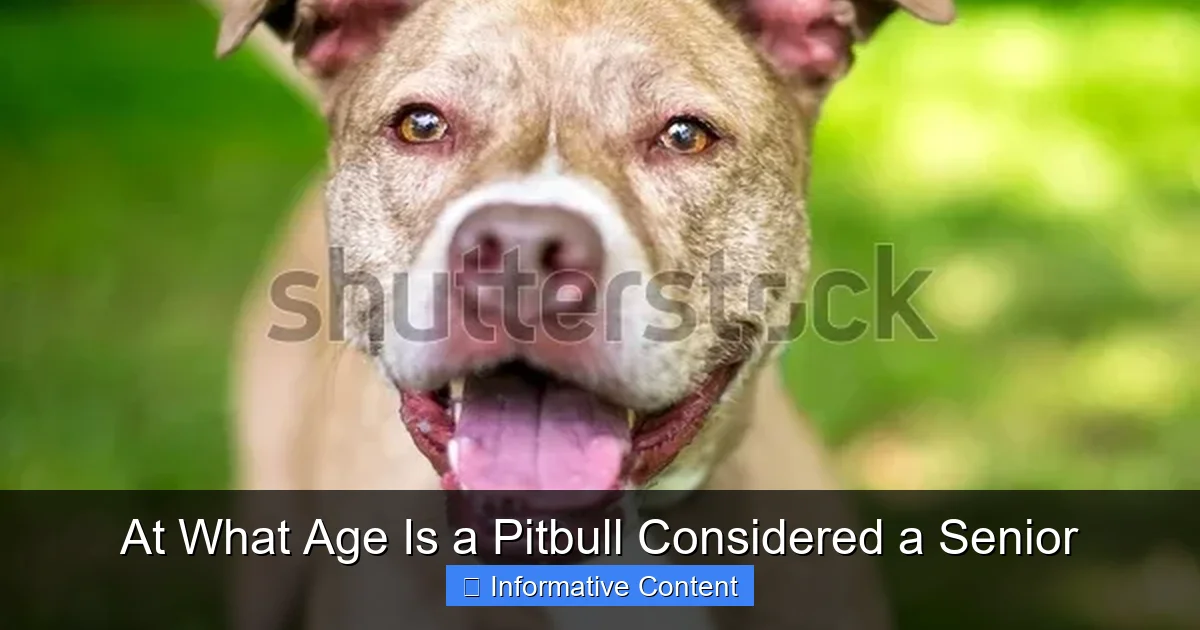
Visual guide about At What Age Is a Pitbull Considered a Senior
Image source: shutterstock.com
General Age Guidelines
The most commonly accepted benchmark is that a pitbull is considered a senior dog starting at 7 years old. This aligns with the American Kennel Club’s general classification for medium-sized breeds (50-80 lbs), which includes many American Pit Bull Terriers and American Staffordshire Terriers. At this point, you might notice a subtle slowdown. For larger pitbulls on the upper end of the weight spectrum (closer to 80 lbs), the senior stage can begin as early as 6 years old. Conversely, a smaller, finely built pitbull might not show clear senior signs until they are 8 or 9.
Factors That Influence Aging Speed
Why the range? Several key factors dictate how your individual dog ages:
- Genetics & Lineage: A dog’s inherited genetic makeup is the primary blueprint for longevity. Some bloodlines are predisposed to fewer joint issues or stronger cardiac health, potentially extending their “prime” years.
- Lifetime Diet & Weight Management: A dog maintained at a healthy weight throughout its life experiences less stress on joints, heart, and organs. Obesity dramatically accelerates aging and the onset of arthritis and diabetes.
- Exercise & Mental Stimulation: Consistent, appropriate physical activity and cognitive engagement (puzzle toys, training, socialization) throughout life supports muscle mass, joint mobility, and brain health, slowing the decline.
- Preventative Veterinary Care: Regular check-ups, vaccinations, dental cleanings, and parasite prevention throughout a dog’s life prevent chronic diseases that prematurely age a system.
It’s helpful to compare this to human aging concepts. Just as what age is considered a senior for humans varies by individual health and lifestyle, so it does for our dogs. One pitbull may be a spry 8-year-old, while another of the same age may be dealing with significant arthritis. Your job is to be the expert observer of your own dog.
Recognizing the Physical Signs of Aging
You won’t get a certificate in the mail. The transition to seniorhood is revealed through observable changes. Being a proactive detective helps you catch issues early.

Visual guide about At What Age Is a Pitbull Considered a Senior
Image source: farfromalone.com
Visible Changes: The Graying and the Gait
The most obvious sign is often the muzzle. A few white or gray hairs around the face, particularly on the chin and whiskers, are a classic hallmark. This “frosting” can start as early as 5 or 6. Pay attention to their coat and skin. It may become drier, thinner, or lose some of its former luster. You might also notice a loss of muscle mass, especially along the spine and hindquarters, sometimes masked by a layer of fat if they are less active.
Their gait and posture will tell a story. Stiffness upon waking or after naps is a primary indicator of osteoarthritis, extremely common in senior pitbulls due to their muscular build and potential for past joint stress. You might see a reluctance to jump on the couch or bed, a “bunny-hop” gait in the hind legs, or difficulty with stairs. These aren’t just signs of “getting old”—they are signs of pain that can be managed.
Internal Shifts: What You Can’t See
Internally, major systems are recalibrating. Metabolism slows, making weight gain easier and weight loss harder. Kidney function gradually declines, and the liver may not filter toxins as efficiently. Dental disease, which can start young, often progresses and can impact heart health. Vision and hearing dim slowly; you might notice them being more startled or hesitant in dim light. Their immune system isn’t as robust, making them more susceptible to infections and slower to heal. Regular senior bloodwork and urinalysis at the vet are the only ways to monitor these internal changes objectively.
When to Be Concerned vs. When to Adjust
Not every change is a red flag. A slight preference for shorter walks is an adjustment. Inability to stand without assistance is a red flag requiring immediate veterinary attention. The key is to monitor the rate and severity of change. Keep a simple log. Is the stiffness lasting longer in the morning? Has their water consumption increased dramatically? These trends are valuable data for your vet.
Behavioral and Cognitive Changes in Senior Pitbulls
Just as important as the physical shifts are the changes in your dog’s mind and behavior. Often mislabeled as “just being old,” these signs can indicate treatable conditions or needs that require adaptation.

Visual guide about At What Age Is a Pitbull Considered a Senior
Image source: i.pinimg.com
Energy and Activity Patterns
The legendary pitbull energy doesn’t vanish, but it transforms. You’ll likely see a shift from sustained, high-intensity play (like hour-long fetch sessions) to shorter bursts of activity followed by long naps. They may still be enthusiastic for a 10-minute game but then need hours to recover. This isn’t laziness; it’s a natural reduction in stamina and recovery speed. Respect this new rhythm. Forcing them to keep up with a younger dog’s pace can lead to injury and soreness.
Canine Cognitive Dysfunction (CCD): Doggy Dementia
Yes, dogs can get dementia. Canine Cognitive Dysfunction is a progressive neurodegenerative disease similar to Alzheimer’s in humans. Signs often appear in dogs over 9 but can start earlier. Watch for:
- Disorientation (getting stuck in corners, staring at walls)
- Altered sleep-wake cycles (pacing at night, sleeping all day)
- House-soiling accidents when previously house-trained
- Decreased interaction with family
- Increased anxiety or irritability
If you notice a cluster of these symptoms, discuss it with your vet. While there is no cure, diet (foods rich in antioxidants and omega-3s), medication (like selegiline), and environmental management can significantly slow progression and improve quality of life. Maintaining a strict routine, using nightlights, and providing puzzle toys can help.
Increased Irritability and Sensitivity
Pain is a huge driver of behavioral change. A normally gentle pitbull may snap or growl if touched in a sore area (like arthritic hips). They may become less tolerant of children or other pets. This is not a character flaw but a communication of discomfort. A thorough vet exam is the first step. Additionally, their senses dulling can make them more easily startled. Approach them more deliberately, especially if they are sleeping.
Essential Care Adjustments for Your Senior Pitbull
Knowing the “when” is useless without the “how.” Transitioning to senior care is about proactive management, not just reacting to problems. This is where your role as a caregiver becomes most impactful.
Veterinary Care: Twice a Year is the New Once
The single most important change is veterinary visit frequency. Puppies and adults often go once a year. For seniors, twice-yearly comprehensive wellness exams are the standard of care. These aren’t just vaccinations; they include a full physical exam, dental check, and, most critically, senior bloodwork (CBC, chemistry panel) and urinalysis. This bloodwork screens liver and kidney function, checks for diabetes, anemia, and thyroid issues. It establishes a baseline and catches subclinical diseases before symptoms appear, when intervention is most effective. Discuss with your vet about adding joint supplements like glucosamine/chondroitin or prescription pain management if arthritis is evident.
Nutrition: Fueling for the Golden Years
Dietary needs shift dramatically. Senior dog foods are formulated with:
- Fewer calories: To combat a slower metabolism and prevent obesity, which worsens arthritis.
- More fiber: Aids digestion and helps maintain a healthy weight.
- Enhanced joint support: Often include glucosamine, chondroitin, and omega-3 fatty acids (EPA/DHA).
- Reduced phosphorus: To lessen strain on aging kidneys.
- Improved palatability: As smell and taste diminish, food may need to be more aromatic.
You may need to switch to a high-quality senior-specific formula. For dogs with specific issues (kidney disease, severe arthritis), your vet may recommend a prescription diet. Always transition foods slowly over 7-10 days. Monitor weight closely; even a few extra pounds are significant for a pitbull with aching joints.
Exercise: Quality Over Quantity
Modify, don’t eliminate, exercise. The goal is to maintain muscle mass and joint mobility without causing pain or exhaustion.
- Shorter, more frequent walks: Several 15-minute walks are better than one long, grueling hike.
- Low-impact activities: Swimming is fantastic for building muscle without joint stress. Gentle leash walks on soft surfaces (grass, dirt) are easier than concrete.
- Mental exercise: Snuffle mats, food-dispensing toys, and short, fun training sessions (reinforcing old commands) provide crucial mental stimulation with minimal physical strain.
- Warm-up and cool-down: A slow 5-minute walk before and after activity helps lubricate joints and prevent stiffness.
Watch for signs of fatigue during exercise: excessive panting, lagging behind, sitting down. Always let them set the pace.
Home Environment Modifications
Make your home a senior-friendly sanctuary:
- Orthopedic beds: Invest in a supportive, memory foam bed in a warm, draft-free spot. Place multiple beds in favorite rooms.
- Ramps and stairs: A sturdy ramp for the couch or bed is a game-changer for a dog with hip dysplasia or arthritis. Non-slip stair treads on hardwood floors.
- Non-slip flooring: Area rugs or runners on slick floors provide traction and prevent painful falls.
- Raised food and water bowls: Can be easier on the neck and joints for some dogs (consult your vet, as raised bowls are linked to bloat in some deep-chested breeds).
- Nightlights: Help a dog with fading vision navigate at night.
- Easier access to outdoors: If they have accidents due to mobility or cognitive issues, consider doggy doors, pee pads, or more frequent potty breaks.
Common Health Issues in Senior Pitbulls
Awareness is prevention. Pitbulls, while generally robust, are prone to several age-related conditions. Being vigilant allows for earlier diagnosis and better management.
Arthritis and Joint Disease
This is the numero uno issue. Osteoarthritis is a degenerative, painful condition. Symptoms include stiffness, lameness, reluctance to move, and licking at joints. Management is multi-modal: weight control, joint supplements (glucosamine, chondroitin, green-lipped mussel), prescription pain relievers (like Galliprant, Carprofen), and acupuncture or laser therapy can provide significant relief. Never give human NSAIDs like ibuprofen—they are toxic to dogs.
Dental Disease
Over 80% of dogs over 3 have some form of periodontal disease. In seniors, it’s often severe. Bacteria from infected gums can enter the bloodstream and damage the heart, liver, and kidneys. Professional dental cleanings under anesthesia (with pre-senior bloodwork to ensure safety) are vital. Daily tooth brushing with a dog-specific toothpaste is the best home care.
Cancer
Cancer incidence rises with age. Common types in dogs include lymphoma, mast cell tumors, and osteosarcoma. Perform regular “sniff tests” and feel for new lumps, bumps, or sores that don’t heal. Any persistent swelling, weight loss, or change in appetite warrants a vet visit. Early detection can expand treatment options.
Kidney and Liver Disease
These are “silent” diseases often caught only via bloodwork. Increased thirst and urination are classic signs of kidney issues. Loss of appetite, vomiting, or jaundice (yellow gums/eyes) can indicate liver problems. Senior bloodwork is non-negotiable for catching these early.
Sensory Loss
Hearing loss is common; you may notice they don’t come when called or are startled easily. Vision may cloud with nuclear sclerosis (a normal graying of the lens) or be lost to cataracts or retinal degeneration. Keep furniture in consistent places, use verbal cues and stomping to alert them to your presence, and use scent trails (like a lavender-dabbed rag) to guide them.
Quality of Life: The Ultimate Goal
All this medical and care information serves one ultimate purpose: maintaining a good quality of life. This is a deeply personal assessment for you and your family. Use a tool like the “HHHHHMM” scale (Hurt, Hunger, Hydration, Hygiene, Happiness, Mobility, More Good Days Than Bad) to objectively evaluate your dog’s daily experience.
When “More Good Days” Tips Toward “More Bad”
It’s the hardest conversation a pet owner faces. Signs that quality of life is declining despite your best efforts include:
- Inability to stand or walk without pain, even with medication.
- Chronic vomiting/diarrhea or inappetence despite appetite stimulants.
- Incontinence that cannot be managed.
- Severe, unrelenting panting or anxiety (often from pain or cognitive decline).
- Withdrawal from all family interaction, loss of joy in favorite activities.
Have open, honest conversations with your veterinarian about prognosis, pain management, and hospice care options. Palliative care and humane euthanasia are acts of love, preventing suffering. Your pitbull has given you their entire life; this final, compassionate decision is part of that sacred bond.
Conclusion: Embracing the Golden Years with Grace
So, at what age is a pitbull considered a senior? The calendar will tell you 7 or 8. But your heart and keen observation will tell you the real story—in the slight gray on the muzzle, the extra nap after a shorter walk, the preference for a cozy spot over a wild zoomie. Recognizing your pitbull’s senior status isn’t a marker of decline; it’s an invitation to deepen your care. It means shifting from managing a high-energy athlete to supporting a wise, cherished companion. By adjusting their diet, exercise, and veterinary care proactively, you are not just adding years to their life, but life to their years. You are repaying a lifetime of loyalty with the comfort, dignity, and love they so richly deserve. Enjoy this chapter—it’s a profound and beautiful one, built on a foundation of unwavering friendship.
Frequently Asked Questions
Can a pitbull be a senior at 5 years old?
While very rare, a pitbull with significant health issues, poor lifelong nutrition, or a large frame might show senior-like symptoms by 5. However, 5 is generally considered prime adulthood. Most pitbulls are not classified as seniors until at least 6.
How often should a senior pitbull see the vet?
Veterinary guidelines recommend a comprehensive wellness exam with bloodwork and urinalysis every six months for senior dogs. This allows for early detection of common age-related diseases like kidney disease, diabetes, and arthritis.
Is it normal for a senior pitbull to sleep all day?
Increased sleep is normal as metabolism slows. However, excessive lethargy combined with loss of appetite, difficulty rising, or confusion is not normal and warrants a veterinary check-up to rule out pain, illness, or cognitive dysfunction.
What is the best food for a senior pitbull with arthritis?
Look for a high-quality senior formula with glucosamine, chondroitin, and high levels of omega-3 fatty acids (EPA/DHA). Some vets recommend prescription joint health diets (like Hill’s j/d or Royal Canin Mobility Support) which are clinically proven to improve comfort and mobility.
Should I stop taking my senior pitbull for walks?
No, but you must modify them. Replace long, strenuous hikes with shorter, more frequent leash walks on soft surfaces. Avoid excessive heat. Swimming is an excellent low-impact alternative. The goal is consistent, gentle movement to maintain muscle and joint health without causing pain or exhaustion.
How can I tell if my senior pitbull is in pain?
Signs are often subtle: reluctance to climb stairs or jump, stiffness after resting, licking at a specific joint, decreased appetite, panting at rest, changes in posture (hunched back), or increased irritability. Since dogs hide pain, any of these changes should prompt a discussion with your vet about a pain assessment and management plan.