
At Home Senior Living Sunnyvale Ca


Non-Slip Bathroom Mat

Memory Foam Seat Cushion

Big Button Mobile Phone
At home senior living in Sunnyvale, CA, offers a personalized alternative to facility care, allowing seniors to age in place with professional support tailored to their needs. This comprehensive guide explores the local landscape, from navigating care agencies and home modifications to understanding costs and legal planning specific to Silicon Valley. Learn how to create a safe, fulfilling, and independent lifestyle for your loved one within Sunnyvale’s vibrant community.
Choosing how to support an aging loved one is one of the most profound decisions a family faces. For many in the heart of Silicon Valley, the default question isn’t just “what care is best?” but “how can we keep Mom or Dad in the home they love?” This is the essence of at home senior living in Sunnyvale, CA. It’s a philosophy and a practical service model that prioritizes comfort, independence, and personal history over the institutional environment of a senior living community. In a city defined by innovation and change, the desire for stability and familiarity in one’s later years is incredibly powerful. This guide will walk you through every facet of making at-home senior living a successful, sustainable reality in Sunnyvale, from the first safety assessment to building a daily care routine that honors your loved one’s dignity.
Key Takeaways
- At-home senior living is not a facility but a service model: It combines professional non-medical or skilled nursing care with a senior’s private residence, promoting independence and familiarity.
- Sunnyvale’s cost of living significantly impacts care expenses: Expect rates for hourly or live-in care to be 20-40% higher than national averages, requiring detailed financial planning.
- Home safety modifications are a critical, non-negotiable first step: Simple changes like grab bars, improved lighting, and removing trip hazards drastically reduce fall risks, the leading cause of injury for seniors.
- Caregiver matching is key to success: The right agency will prioritize personality compatibility, cultural sensitivity, and consistent staffing to build trust with your family.
- Legal and financial instruments must be in place: Durable Power of Attorney, Advance Healthcare Directives, and exploring options like senior benefit eligibility are essential before care begins.
- Community resources in Sunnyvale are robust: Leverage the Sunnyvale Senior Center, local transportation services, and meal delivery programs to supplement paid care and combat isolation.
📑 Table of Contents
- Understanding the “At-Home Senior Living” Model in Sunnyvale
- Navigating the Care Ecosystem: Agencies, Caregivers, and Services
- The Financial Blueprint: Costs, Insurance, and Planning for Sunnyvale
- Creating a Safe and Supportive Home Environment in Sunnyvale
- Legal and Financial Foundations You Must Secure
- The Emotional and Logistical Transition: Making It Work Day-to-Day
- Conclusion: Home is Where the Heart (and Care) Is
Understanding the “At-Home Senior Living” Model in Sunnyvale
First, let’s clarify the terminology. “At-home senior living,” often called “aging in place,” is not a place you move into. It is the intentional choice to remain in one’s private home while receiving necessary support services. This support exists on a spectrum. At the most common level is non-medical, custodial care. This includes help with Activities of Daily Living (ADLs) like bathing, dressing, grooming, toileting, and mobility, as well as Instrumental Activities of Daily Living (IADLs) such as meal preparation, light housekeeping, medication reminders, and transportation. For those with medical needs, skilled nursing care can be arranged for specific treatments, wound care, or more complex health management, often in conjunction with a home health agency.
The Sunnyvale Advantage: Why Aging at Home Here is Unique
Sunnyvale offers a unique backdrop for aging in place. Its reputation for safety, well-maintained infrastructure, and extensive parks and recreational facilities is a major asset. However, the same factors that make Sunnyvale desirable—high property values, a fast-paced tech culture, and a suburban layout often reliant on cars—present specific challenges. Many senior homes here are single-story, post-war ranch styles or newer two-story homes, each with its own modification needs. The mild climate is a plus for year-round mobility, but the hilly terrain in some neighborhoods can be difficult for those using walkers or wheelchairs. The key is leveraging Sunnyvale’s resources to mitigate these challenges. For instance, the city’s Parks and Recreation Senior Programs and the Sunnyvale Senior Center are phenomenal assets that provide social connection and activities, directly combating the isolation that can sometimes accompany home-based care.
It’s also crucial to distinguish this model from independent senior living apartments or assisted living facilities. While those communities offer a “lock-and-leave” convenience and built-in social opportunities, they require a move—a disruptive event that can cause significant emotional and physical stress, especially for someone with dementia. At-home living preserves the environment filled with memories, routines, and personal possessions. It’s about adapting the environment to the person, not the other way around. This is where the concept of a “universal design” home comes into play, a principle we’ll explore in the modifications section.
Navigating the Care Ecosystem: Agencies, Caregivers, and Services
Building your care team is the most critical step. In Sunnyvale and the greater Santa Clara County, you have several pathways, each with its own pros, cons, and regulatory oversight.
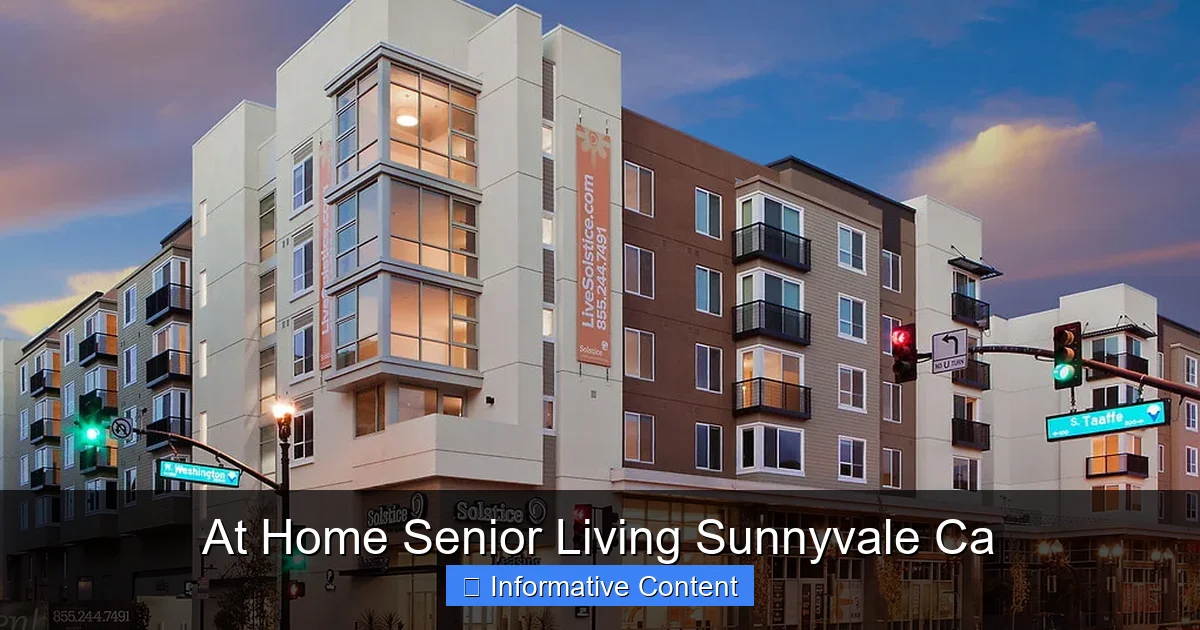
Visual guide about At Home Senior Living Sunnyvale Ca
Image source: mallmaverick.imgix.net
Home Care Agencies vs. Independent Caregivers
The most common route is hiring through a licensed Home Care Organization (HCO) or Home Care Agency. These agencies are licensed by the California Department of Social Services and provide several layers of protection. They handle payroll, taxes, workers’ compensation insurance, and background checks (Live Scan fingerprinting). They typically have a roster of caregivers and can often provide a substitute if your primary caregiver is sick. This offers significant peace of mind and liability protection for the family. The trade-off is higher cost (the agency’s markup covers their overhead and compliance) and sometimes less control over the initial screening process.
The alternative is hiring an independent, privately contracted caregiver. This can be 30-40% less expensive as you pay the caregiver directly. However, you become the employer. This means you are responsible for all payroll taxes, insurance, background checks, and finding a replacement if the caregiver quits. The risk of “no-shows” or mismatched personalities falls entirely on you. For families in Sunnyvale with the bandwidth to manage employer responsibilities, this can be a viable cost-saving option, but it requires diligence. Regardless of the route, always verify a caregiver’s experience with specific conditions like Alzheimer’s, Parkinson’s, or post-stroke recovery if applicable.
The Spectrum of Care: From Companion Care to Skilled Nursing
Care isn’t one-size-fits-all. Understanding the levels helps you advocate for the right service plan.
- Companion Care: Focuses on social interaction, light housekeeping, meal prep, and errands. Ideal for a generally independent senior needing help with household tasks and combating loneliness.
- Personal Care: Includes hands-on assistance with ADLs—bathing, dressing, toileting, transferring from bed to chair. This is the core service for most families.
- Specialized Care: For dementia, Alzheimer’s, or other cognitive impairments. Requires specific training in communication techniques, behavior management, and creating a safe, structured environment.
- Skilled Nursing/Home Health: Medically necessary services ordered by a doctor, covered in part by Medicare. This includes wound care, injections, physical therapy, and disease management. It’s usually short-term (post-hospitalization) or intermittent.
A reputable Sunnyvale agency will conduct a thorough in-home assessment to recommend the appropriate level of care and hours per week. Be wary of any provider who gives a quote over the phone without seeing the home and meeting the senior.
The Financial Blueprint: Costs, Insurance, and Planning for Sunnyvale
Let’s talk numbers, because in Sunnyvale, they are substantial. As of 2026, the average cost for non-medical home care in the San Jose metropolitan area (which includes Sunnyvale) is among the highest in the nation.

Visual guide about At Home Senior Living Sunnyvale Ca
Image source: seniorliving.s3.amazonaws.com
Breaking Down the Hourly and Live-In Rates
Expect to pay between $35 – $50+ per hour for professional, agency-provided personal care. For 24/7 care, agencies often package “live-in” or “24-hour shift” care. This isn’t a single person living with your loved one (which is rare and often not advisable due to labor laws and caregiver burnout). Instead, it’s typically two 12-hour shifts or a team of caregivers rotating. The daily rate for this comprehensive coverage can range from $600 to $900+, translating to a monthly cost of $18,000 to $27,000 or more. These figures are stark, which is why financial planning is not optional—it’s the foundation of the entire plan.
Funding Sources: A Layered Approach
Very few families pay 100% out-of-pocket for long-term care. A strategic approach layers multiple funding sources:
- Long-Term Care Insurance: If your loved one has a policy, this is the primary payer. Review the policy details—elimination periods, daily benefit amounts, and maximum lifetime benefits.
- Medicare: Does NOT cover long-term custodial care. It only covers short-term, skilled home health care when ordered by a doctor following a hospital stay (typically up to 30 days).
- Medi-Cal (California Medicaid): This is a critical program for many. The In-Home Supportive Services (IHSS) program can pay for non-medical care for eligible low-income seniors and people with disabilities, allowing them to remain at home. Eligibility is based on income and assets. A Medi-Cal planning attorney can help with strategies to qualify without impoverishing a healthy spouse.
- Veterans Benefits: The Aid and Attendance (A&A) Pension is a little-known but valuable benefit for wartime veterans and their surviving spouses to help pay for in-home care. It has asset and service requirements.
- Reverse Mortgage: For homeowners with significant equity, a reverse mortgage can provide tax-free funds to pay for care, allowing them to stay in the home without monthly mortgage payments.
- Personal Savings & Investments: Often the bridge funding used while applying for benefits or during the “gap” years before benefits kick in.
Consulting with a California elder law attorney or a certified financial planner specializing in long-term care is one of the best investments a family can make. They can help navigate the complex interplay of these programs and protect assets.
Creating a Safe and Supportive Home Environment in Sunnyvale
No amount of paid care can fully compensate for an unsafe home. Falls are the number one cause of fatal and non-fatal injuries for older adults. A fall in the bathroom can lead to a hospital stay, a loss of independence, and a forced move to a facility. Proactive modification is the single most effective preventative measure.
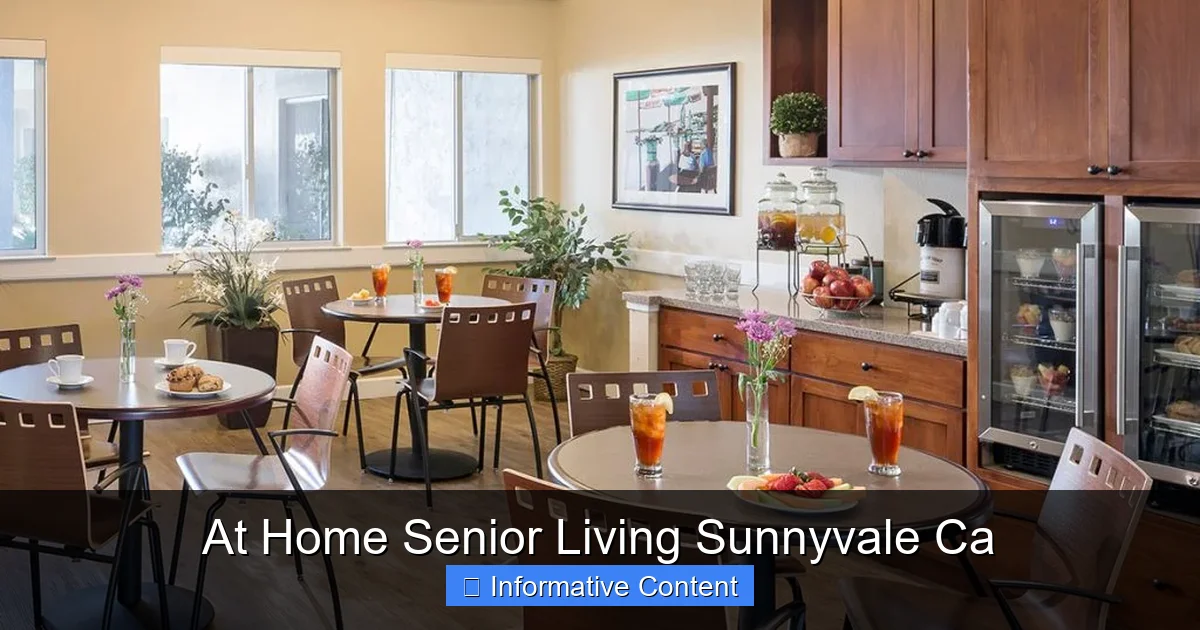
Visual guide about At Home Senior Living Sunnyvale Ca
Image source: seniorliving.s3.amazonaws.com
Essential Modifications for a Sunnyvale Home
Start with a professional Home Safety Assessment. Many local agencies, occupational therapists, or even some home care companies offer this. Here’s a priority checklist:
- Bathrooms: Install grab bars in the shower/bath and next to the toilet (not towel bars!). Consider a curbless shower stall or a shower seat. Use non-slip mats.
- Stairs: Ensure sturdy handrails on both sides. Add contrasting tape to the edge of steps for better visibility. If stairs become a barrier, consider a residential elevator or a chairlift.
- Lighting: Increase wattage in all bulbs. Add motion-sensor night lights in hallways, bedrooms, and bathrooms. Ensure switches are at both ends of hallways and stairs.
- Floors: Remove all throw rugs and electrical cords from walkways. Secure loose carpets. Consider low-pile carpet or smooth flooring like luxury vinyl plank for easier walker/wheelchair navigation.
- Kitchen: Move commonly used items to waist-high shelves. Consider an automatic can opener, lightweight cookware, and a stool for seated food prep.
- Entryways: Install a zero-step entry if possible. Repair cracked sidewalks and uneven patio stones, which are common in older Sunnyvale neighborhoods.
Sunnyvale’s building department may have information on permits for certain modifications. Check if your homeowner’s insurance offers any discounts for safety upgrades.
Technology as a Support System
Smart home technology, once seen as a luxury, is now a cornerstone of safe aging in place. Beyond obvious medical alert systems (like LifeFone or Philips Lifeline), consider:
- Smart Home Hubs: Alexa or Google Home can control lights, thermostats, and locks with voice commands, reducing physical strain.
- Automated Medication Dispensaries: Devices like MedMinder lock and dispense pills, sending alerts to caregivers if a dose is missed.
- Video Doorbells & Smart Locks: Allow family or caregivers to check in visually and provide secure, keyless entry for authorized visitors.
- Bed/Chair Sensors: These can monitor sleep patterns, daily activity levels, and alert family if a senior gets up at night and doesn’t return to bed, a potential sign of a fall or delirium.
The key is to introduce technology gradually and provide ample training. The goal is empowerment, not frustration.
Legal and Financial Foundations You Must Secure
This is the unglamorous but vital paperwork phase. Without these documents, even the best care plan can unravel.
Advance Directives and Powers of Attorney
There are two non-negotiable documents:
- Durable Power of Attorney (DPOA) for Finances: This names a trusted person (agent) to manage bank accounts, pay bills, file taxes, and handle real estate if the senior becomes incapacitated. It must be created while the senior has “legal capacity” (understands what they are signing).
- Advance Healthcare Directive (AHD) / Living Will: This states healthcare wishes regarding life-sustaining treatment, resuscitation, and tube feeding. It also typically names a Healthcare Power of Attorney (agent) to make medical decisions if the senior cannot. In California, this is often combined into one document.
These forms must be properly executed, often with notarization or witnesses. Generic online forms can be risky; it’s best to use an attorney to ensure they comply with California law and your specific family dynamics. Store originals in a fireproof safe and provide copies to the named agents, primary care doctor, and hospital.
Estate Planning and Asset Protection
If long-term care costs threaten to deplete savings, it’s time to review estate planning. The goal is to protect assets for a healthy spouse while potentially becoming eligible for Medi-Cal. Strategies include:
- Reviewing and updating trusts.
- Converting countable assets (like cash) into non-countable ones (like a home, with proper planning).
- Understanding the Medi-Cal “look-back period” (currently 30 months in California) for asset transfers. Gifting assets too close to an application can trigger a penalty period of ineligibility.
This is complex territory where an elder law attorney is indispensable. They can help structure a plan that complies with strict Medi-Cal rules while honoring your family’s wishes for legacy and inheritance.
The Emotional and Logistical Transition: Making It Work Day-to-Day
With the practical boxes checked, the human element comes into focus. How do we make this new routine harmonious?
Building a Seamless Care Schedule
A detailed daily schedule is your best communication tool. Create a simple chart posted in the kitchen for both family and caregivers. Include:
- Wake-up time, preferred morning routine (shower, breakfast, meds).
- Meal times and preferences.
- Appointment times (doctor, therapy).
- Favorite afternoon activities (walk in the park, watching a specific show, puzzle time).
- Evening routine (dinner, medications, bedtime).
- Any “trigger” times for sundowning (common in dementia) and calming strategies.
Involve your loved one in creating this schedule as much as possible. It reinforces their sense of control. Hold a weekly 15-minute “huddle” with the primary caregiver to review the upcoming week, discuss any concerns, and adjust the plan.
Fostering the Caregiver-Family-Senior Relationship
The dynamic is delicate. You are hiring an expert, but you are also inviting them into your family’s private space. Set clear boundaries and expectations from day one, but also show appreciation. A simple “thank you,” respecting their breaks, and not micromanaging their trained techniques (unless safety is a concern) builds a positive relationship. Facilitate introductions to neighbors if appropriate. Remember, a happy, respected caregiver provides better care. If there’s a personality clash, don’t hesitate to request a change from the agency. A good match is paramount.
Combating Isolation: The Sunnyvale Social Prescription
Isolation is a silent health risk. In Sunnyvale, the antidotes are plentiful but require initiative.
- Sunnyvale Senior Center: This is the hub. They offer fitness classes (like yoga and Tai Chi), art workshops, card games, luncheons, and educational seminars. A membership fee is nominal.
- Santa Clara County Library District: The Sunnyvale branch has excellent senior programming, from book clubs to technology help.
- Volunteer Opportunities: Organizations like SourceAmerica or local museums often have senior-friendly volunteer roles that provide purpose.
- Faith-Based Communities: Many local churches and temples have active senior ministries with transportation and social events.
- Intergenerational Programs: Programs that connect seniors with local school children for reading or storytelling have profound benefits for both parties.
The caregiver can be the catalyst for these outings, providing transportation and encouragement. Schedule these social engagements into the weekly routine like any other important appointment.
Conclusion: Home is Where the Heart (and Care) Is
Choosing at home senior living in Sunnyvale, CA, is a profound commitment to preserving a way of life. It is more complex and requires more upfront coordination than simply touring a community and signing a contract. It demands that you become a project manager, financial planner, and legal advisor for your family. But the rewards are immeasurable: the smell of a familiar kitchen, the view of a cherished garden from a favorite chair, the comfort of a lifetime of memories surrounding you. Sunnyvale, with its resources, safety, and community spirit, can be an ideal place to make this vision a reality. The journey begins with a conversation—with your loved one, with your family, with an elder law attorney, and with a reputable home care agency. Start that conversation today, and take it one thoughtful, planned step at a time. The goal is not just to add years to life, but to add life to years, right where they are.
Frequently Asked Questions
How much does 24/7 at-home senior care cost in Sunnyvale?
For full-time, around-the-clock care through an agency, families in Sunnyvale should budget between $18,000 and $27,000+ per month. This typically involves a team of caregivers working in 12-hour shifts. Costs can be lower with independent caregivers or if only part-time support is needed.
What is the difference between Home Care and Home Health?
Home care provides non-medical, custodial support with daily living activities (bathing, dressing, meals) and is usually paid out-of-pocket or via Medi-Cal IHSS. Home health is short-term, skilled medical care (wound care, therapy) ordered by a doctor and is primarily covered by Medicare for eligible patients recovering from illness or injury.
How do I know if my parent is safe enough to stay at home alone?
>A professional home safety assessment is crucial. Key red flags include frequent falls, inability to safely manage medications, significant mobility limitations, severe cognitive impairment with wandering risk, or an inability to prepare nutritious meals. A geriatric care manager can provide an expert, objective evaluation of the home environment and the senior’s capabilities.
What if my parent refuses help from a caregiver?
This is very common, often rooted in a desire for independence or discomfort with a stranger. Start with small, trial periods of companion care for a few hours a week to build familiarity. Frame it as “help with housekeeping” or “someone to drive you to the senior center” rather than “care.” Involve your parent in the caregiver selection process. Sometimes, a doctor’s recommendation can carry more weight. Patience and empathy are essential.
Does Medicare pay for at-home senior care?
No. Medicare does not pay for long-term, non-medical custodial care, which is the bulk of at-home senior living services. It only covers short-term, skilled home health care under very specific conditions following a hospital stay. For ongoing daily support, you must rely on private pay, long-term care insurance, Medi-Cal/IHSS, or Veterans benefits.
What local Sunnyvale resources can help supplement paid care?
Maximize the Sunnyvale Senior Center for free/low-cost social activities and meals. Explore Santa Clara County’s transportation services like VTA’s paratransit or local senior ride programs. Utilize Meals on Wheels for daily nutritious delivery. The Area Agency on Aging for Santa Clara County can provide a comprehensive list of local support services, including legal aid and caregiver support groups.