
Alternating Pressure Mattress vs Foam Mattress

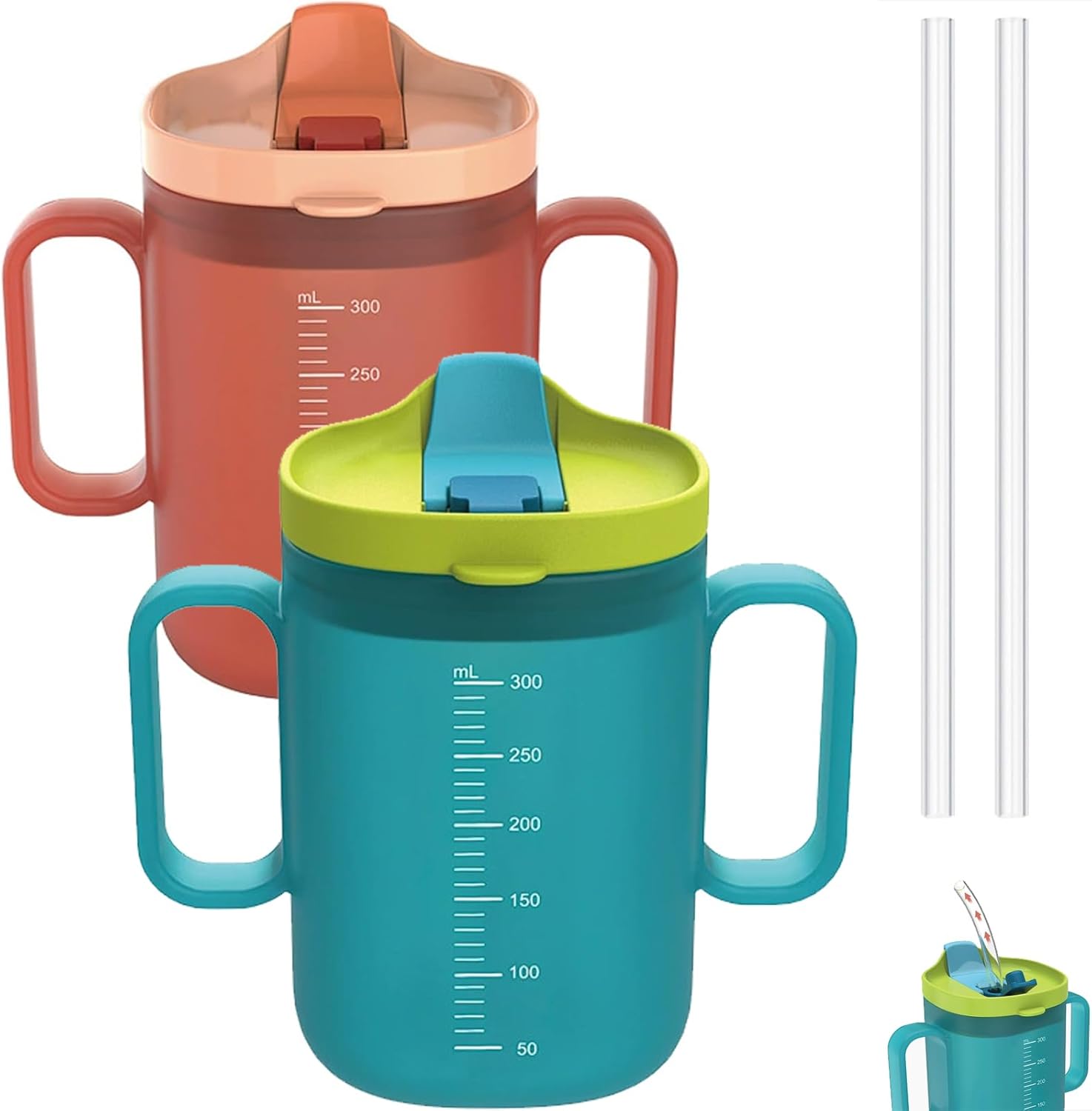
Spill-Proof Adult Cup

Cane with LED Light

Kitchen Timer with Large Display
Choosing between an alternating pressure mattress vs foam mattress is a major decision for any family. The right bed helps older adults sleep better and stay safe. It also makes daily tasks much easier for caregivers.
Many seniors spend extra time in bed due to health needs. A standard spring mattress often creates painful spots on the body. This guide compares active air technology with passive foam support to help you find the best fit.
Quick Comparison
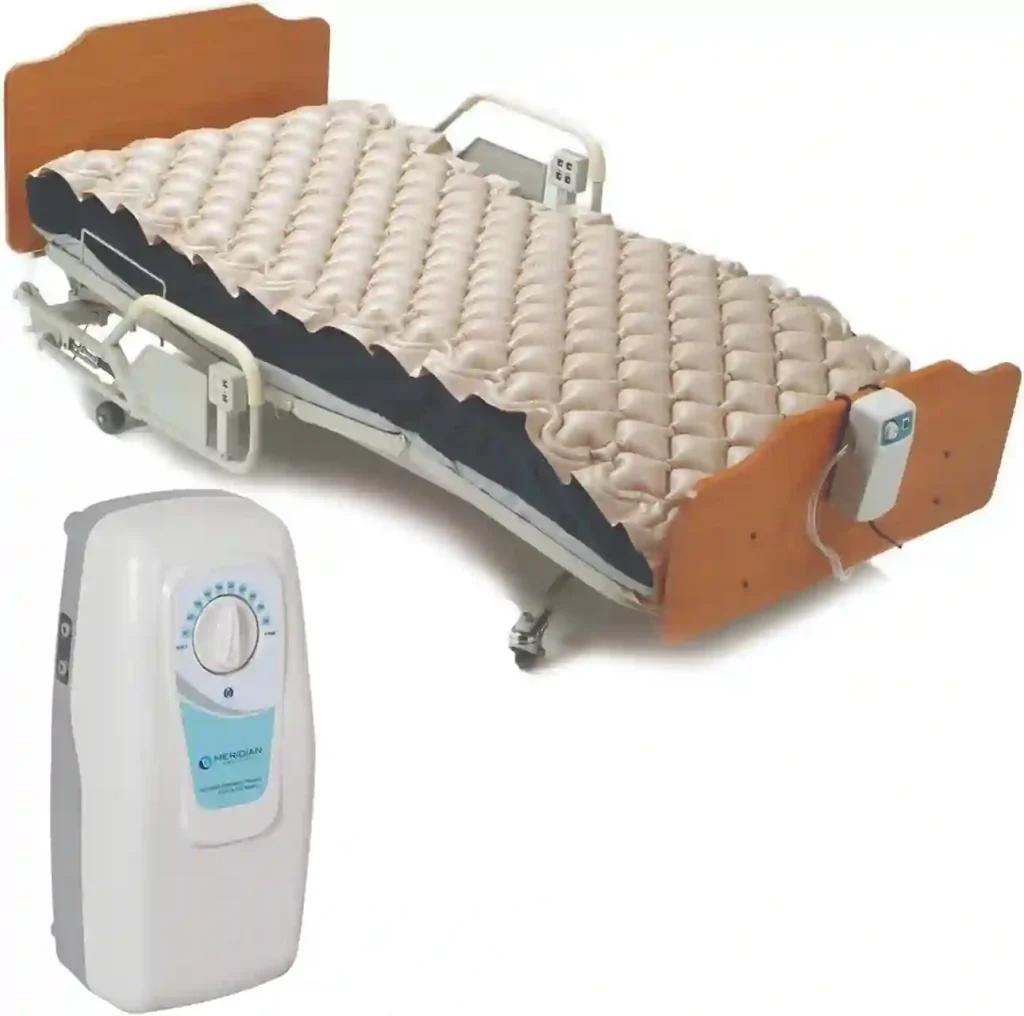
An alternating pressure mattress is best for seniors with very limited mobility. It uses an electric pump to constantly shift air, which helps protect fragile skin.
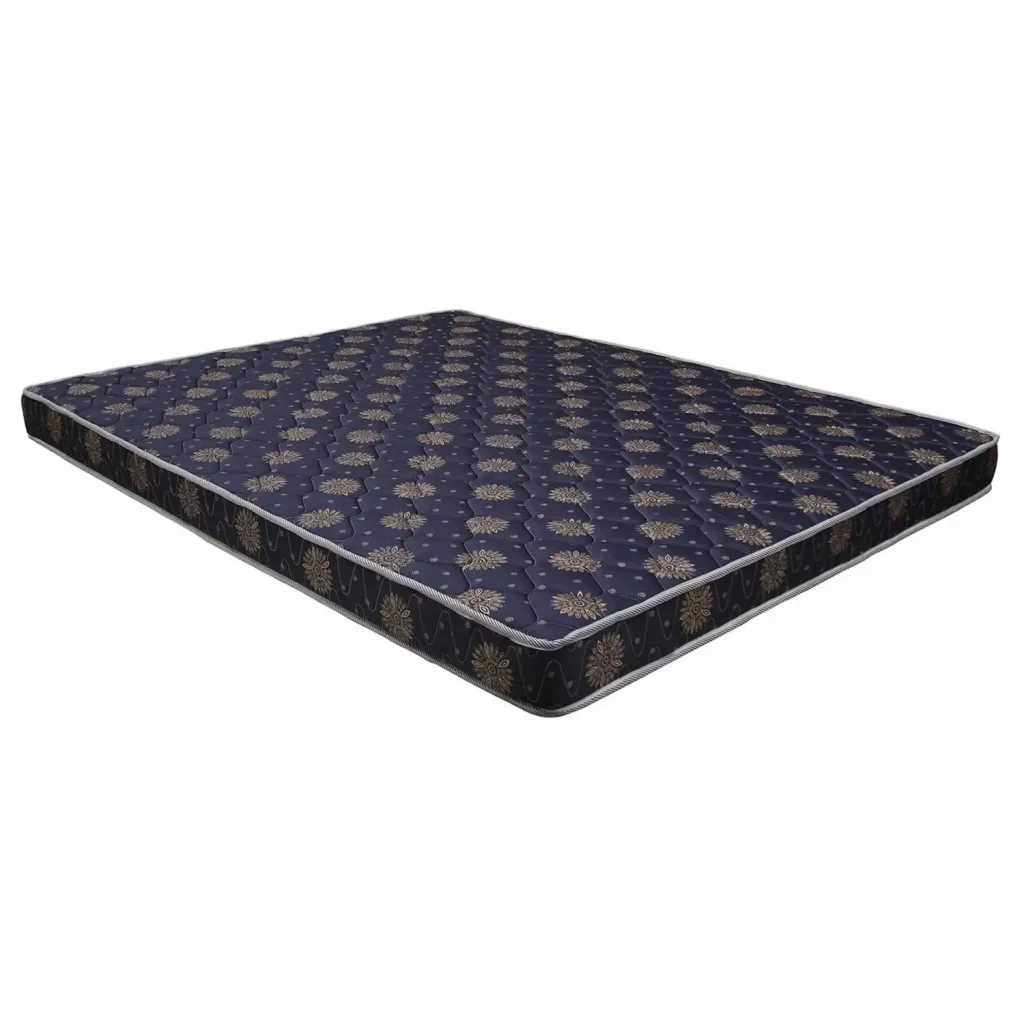
A high-density foam mattress is better for seniors who can still move independently. It offers quiet, comfortable support and makes getting out of bed much easier.
At-A-Glance Comparison
Review this quick summary to see how these two options match up.
| Feature | Alternating Pressure | Foam Mattress |
| Main Benefit | Active weight shifting | Passive body contouring |
| Mobility Level | Low mobility or bedbound | Active or moderate mobility |
| Power Needed | Yes (Electric pump) | No |
Alternating Pressure Mattress Review
An alternating pressure mattress actively changes how it supports the body. It uses hollow air cells connected to a quiet electric pump. The pump inflates and deflates different zones on a cycle.
This gentle motion constantly redistributes the user’s body weight. It prevents constant pressure on heels, hips, and shoulders.
Ease of Use
These beds require a bit more effort to set up. You must connect the air hoses and plug in the pump. The pump features dials or buttons to adjust the firmness. Caregivers usually handle these controls. Daily operation is mostly automatic once set.
Key Strengths
- Changes pressure points automatically.
- Protects skin for bedbound seniors.
- Often features a waterproof, easy-to-clean cover.
- Adjustable firmness settings on the pump.
Potential Drawbacks
- Requires a constant power source.
- The pump creates a low, humming noise.
- Setup involves hoses and specific settings.
- Edge support is often weak.
Quality Foam Mattress Review
A quality medical foam mattress relies on passive support. It uses multiple layers of dense foam to cradle the body. The top layers contour to the user’s shape, while the base keeps the spine aligned.
These mattresses do not move on their own. They rely on the foam’s natural ability to absorb and spread weight evenly.
Ease of Use
Foam beds are incredibly simple. You place the mattress on the bed frame, and it is ready to use. There are no cords, pumps, or dials to manage. Seniors can use it exactly like a traditional mattress.
Key Strengths
- Completely silent with no moving parts.
- Excellent motion isolation for couples.
- Firmer edges make getting up safer.
- Needs zero electricity or daily setup.
Potential Drawbacks
- Does not shift pressure automatically.
- Foam can trap body heat over time.
- Seniors must turn themselves to relieve pressure.
- Very soft foam can make moving difficult.
Which Is Easier for Seniors to Use?
Ease of use depends heavily on the senior’s physical ability.
For an independent senior, a foam mattress is much easier. It sits firmly on the bed frame. The solid edges give them a strong place to push off from when standing up. There are no pump noises to disturb their sleep.
For a senior who cannot move easily, an alternating pressure bed is better. However, it is easier for the caregiver, not necessarily the senior. The pump does the heavy lifting of shifting the body’s weight. Family members just need to check the pump settings daily.
A mattress is not just for sleep. For many seniors, it serves as their primary living space during the day.
Performance Comparison
Here is how both options perform in real-world daily use.
| Performance Area | Alternating Pressure | Foam Mattress |
| Pressure Relief | Excellent (Active) | Good (Passive) |
| Noise Level | Low hum from pump | Completely silent |
| Temperature | Cooler (Airflow) | Can sleep warm |
Comfort, Accessibility, and Senior-Friendly Design
Comfort means different things to different people.
A foam mattress feels like a premium traditional bed. It hugs the joints and relieves minor aches. It is highly accessible for seniors who can still walk. The solid surface offers predictable balance.
An alternating pressure mattress feels different. The user will slowly feel sections of the bed rise and fall. Some seniors find this motion incredibly soothing. Others may feel mildly seasick or unstable at first.
Accessibility can be tricky with air cells. The edges of an air mattress compress easily. Seniors who sit on the edge of the bed to dress may feel like they are sliding off.
Features Comparison
Understanding the unique features helps narrow down the right choice.
| Feature | Alternating Pressure | Foam Mattress |
| Cover Material | Medical-grade vinyl or nylon | Breathable fabric or fluid-proof |
| Support System | Air bladders | Layered memory and base foam |
| Customization | Adjustable cycle times | Fixed firmness level |
Price, Maintenance, and Long-Term Value
Both options come at different price points and require different care.
| Cost Factor | Alternating Pressure | Foam Mattress |
| Initial Price | Moderate to High | Low to Moderate |
| Maintenance | Check pump, clean filter | Rotate occasionally |
| Lifespan | 3 to 5 years (pump limits) | 5 to 8 years |
Alternating pressure beds have higher running costs. If the pump breaks, it must be replaced. A foam bed is a one-time purchase. Over five years, the foam mattress generally offers better financial value.
Who Should Choose an Alternating Pressure Mattress?
- Choose this if the senior spends most of the day in bed.
- Choose this if they have a history of skin breakdown.
- Choose this if they cannot easily turn themselves over.
- Choose this if caregivers need help managing the senior’s weight distribution.
Who Should Choose a Foam Mattress?
- Choose this if the senior gets in and out of bed independently.
- Choose this if they want a traditional, quiet sleep experience.
- Choose this for standard arthritis or joint pain relief.
- Choose this if a firm edge is needed for safe standing.
Final Verdict
The right choice comes down to mobility and daily care needs.
Best for most seniors: Foam Mattress. It is quiet, comfortable, and easy to use. It supports daily independence perfectly.
Best for limited mobility: Alternating Pressure Mattress. It provides essential active support for those who cannot move on their own.
Best value: Foam Mattress. With no moving parts, it lasts longer and requires zero maintenance.
Scoring Summary
Here is a quick breakdown of how these beds score on senior-specific needs.
| Category | Alternating Pressure | Foam Mattress |
| Ease of Use | 7/10 | 9/10 |
| Pressure Relief | 9/10 | 7/10 |
| Safety (Edge Support) | 5/10 | 8/10 |
| Maintenance | 6/10 | 9/10 |
| Value | 7/10 | 8/10 |
How We Evaluate Products
We look at products through a practical senior lens. We care about accessibility, safety, and everyday comfort.
Our reviews focus on how a product impacts daily life. We consider the physical effort required to use the product. We also look at maintenance needs and long-term reliability. We aim to help families make smart, practical choices without overspending on useless features.
Senior-Specific Buying Considerations
Keep these practical points in mind before making a purchase.
- Physical Effort: Can the senior safely stand up from the edge of the bed?
- Controls: Is the pump interface easy for the caregiver to read and adjust?
- Noise Tolerance: Will the hum of an air pump keep the senior awake at night?
- Bed Frame: Does the mattress fit the current bed frame or hospital bed?
- Heat: Does the senior sweat easily at night? Foam tends to trap more heat.
Common Buying Mistakes
Avoid these frequent errors when shopping for a senior’s mattress.
- Buying an air mattress for someone who does not need active pressure relief.
- Ignoring the strength of the mattress edges.
- Forgetting to check if the pump cord creates a tripping hazard.
- Choosing a foam mattress that is too soft, making movement difficult.
- Overlooking the need for a waterproof cover.
Safety Considerations
Mattresses play a huge role in senior safety.
Always check the edge support. Weak edges lead to falls when a senior tries to stand. If you choose an air system, route the pump cords safely under the bed. Cords are a major tripping hazard.
Keep the mattress clean and dry. A damp mattress breeds bacteria. If the senior has existing skin issues, always speak with a doctor. General product guides cannot replace professional medical advice.
Conclusion
Deciding between an alternating pressure mattress vs foam mattress comes down to mobility. The less mobile the senior is, the more they benefit from active air technology.
A foam mattress is perfect for seniors who are still active. It offers wonderful passive comfort and strong edges for daily safety. Evaluate the user’s daily routine, physical strength, and caregiving needs to make the best choice.
