
Air Force Senior Enlisted Leader Responsibilities


Air Fryer for Easy Cooking

Electric Food Chopper

Weighted Blanket
The Air Force Senior Enlisted Leader (SEL) plays a crucial advisory and morale-building role within the service, ensuring enlisted perspectives are heard at the highest levels. This position bridges communication between senior leadership and enlisted personnel, directly influencing readiness and unit cohesion. With responsibilities spanning policy input, professional development, and crisis response, the SEL is essential to effective command execution.
Key Takeaways
- Strategic Advisement: The Senior Enlisted Leader provides critical feedback on policies and initiatives affecting enlisted forces, ensuring practical insights guide decision-making.
- Morale and Welfare: A core duty is enhancing enlisted morale through advocacy for better living conditions, benefits, and recognition programs.
- Command Support: The SEL supports commanders in executing missions by offering expertise on enlisted matters and helping implement leadership strategies.
- Professional Development: They promote career growth by supporting training, education, and promotion opportunities for noncommissioned officers and junior enlisted members.
- Crisis Response Coordination: In emergencies, the SEL helps communicate needs, manage resources, and maintain unit stability.
- Representation of Enlisted Voice: As the primary enlisted representative, the SEL ensures the concerns of airmen are heard during meetings with general officers and senior staff.
- Ethical Leadership: Upholding integrity and discipline, the SEL models Air Force values and fosters a culture of accountability.
📑 Table of Contents
- Understanding the Role: What Is an Air Force Senior Enlisted Leader?
- The Core Mission: Supporting Commanders and Airmen Alike
- Daily Responsibilities That Shape Real Change
- Challenges and Ethical Dilemmas Faced by Senior Enlisted Leaders
- Impact Beyond the Installation: National and Global Influence
- How to Excel as an Air Force Senior Enlisted Leader
- Conclusion: The Quiet Heroes Who Keep the Force Flying High
Understanding the Role: What Is an Air Force Senior Enlisted Leader?
If you’ve ever wondered who speaks for the enlisted ranks when it comes to big decisions or tough challenges, that’s the job of the Air Force Senior Enlisted Leader (SEL). Think of them as the bridge between top-level generals and the everyday airmen who make missions happen. While not a commander in the traditional sense, the SEL wields significant influence through counsel, advocacy, and leadership.
This role exists at every major Air Force installation and often at higher headquarters like Air Combat Command or Air Force Materiel Command. The SEL is typically a senior enlisted leader—usually a Chief Master Sergeant (CMSgt) or Command Chief—who has spent decades earning trust, respect, and credibility among peers and subordinates. Their voice carries weight because they understand both the mission requirements and the human side of service life.
In short: the Senior Enlisted Leader isn’t just about giving orders. It’s about listening, advising, and lifting up those who serve. Whether it’s helping shape a new policy or responding to a family crisis on base, their work quietly but powerfully impacts thousands of airmen every day.
The Core Mission: Supporting Commanders and Airmen Alike
At its heart, the mission of the Air Force Senior Enlisted Leader is dual-purpose: serve the commander and serve the airman. This might sound simple, but balancing these two priorities requires deep insight, emotional intelligence, and unwavering commitment.
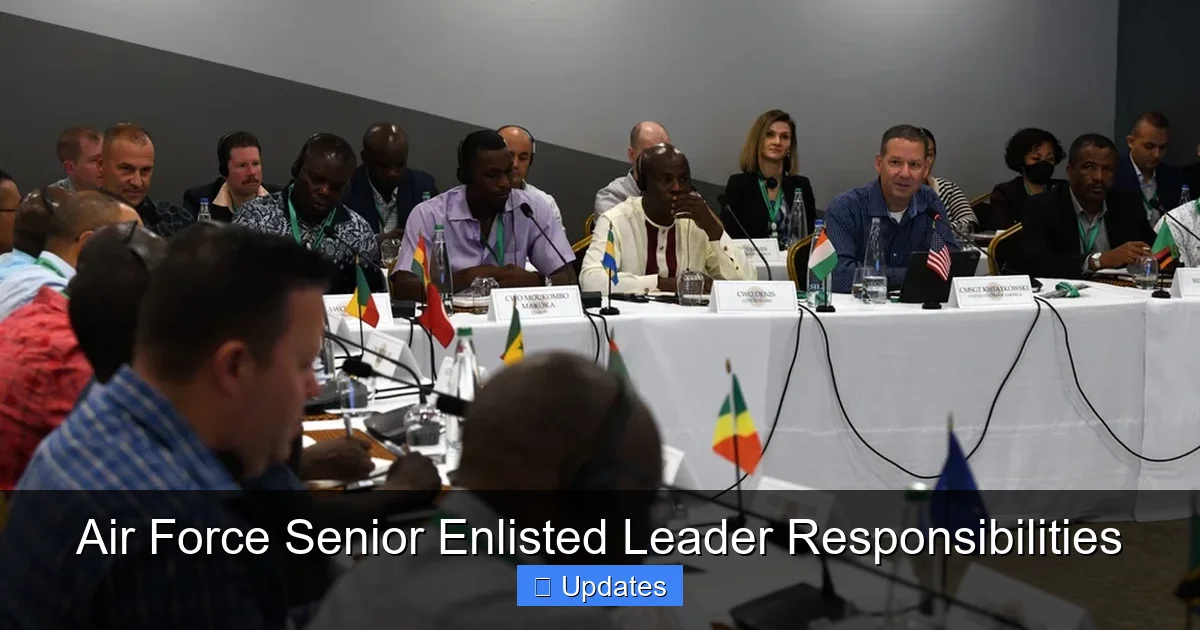
Visual guide about Air Force Senior Enlisted Leader Responsibilities
Image source: d1ldvf68ux039x.cloudfront.net
Advising the Commander
One of the SEL’s most important duties is acting as a trusted advisor to the commanding officer. When new policies are drafted—whether about housing standards, fitness programs, or deployment procedures—the SEL reviews them from an enlisted perspective. They ask questions like, “Will this actually work for real people?” or “How will this affect families?”
For example, if a proposed change to meal schedules would disrupt shift workers or single parents, the SEL brings that concern forward. They don’t just say no—they offer alternatives based on lived experience. This helps commanders avoid costly mistakes and build more effective, humane policies.
Serving the Airmen
On the flip side, the SEL serves the airmen by being their strongest advocate. If there’s a recurring issue—like delayed maintenance on barracks, lack of childcare options, or unfair disciplinary actions—the SEL investigates, mediates, and escalates when needed. They’re often the first point of contact for airmen needing help navigating bureaucracy.
Imagine a young airman struggling with PTSD after a combat tour. The SEL might connect them with counseling services, coordinate leave for recovery, or even speak up during leadership meetings about improving mental health support systems. That kind of behind-the-scenes work saves lives and strengthens unit readiness.
So while the SEL doesn’t have direct command authority over subordinates, their influence flows through relationships, trust, and consistent follow-through. They operate less like a boss and more like a mentor, coach, and guardian all rolled into one.
Daily Responsibilities That Shape Real Change
The day-to-day life of a Senior Enlisted Leader is anything but routine. From morning briefings to evening check-ins with families, their schedule is packed with tasks designed to keep the force strong and resilient.
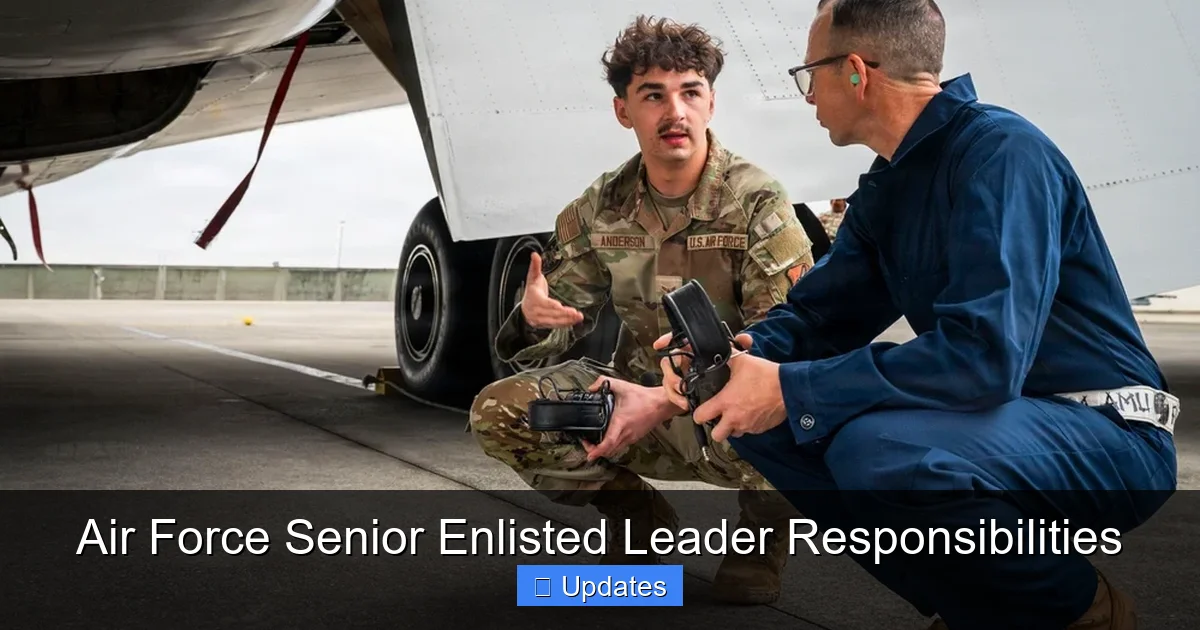
Visual guide about Air Force Senior Enlisted Leader Responsibilities
Image source: d1ldvf68ux039x.cloudfront.net
Conducting Regular Rounds
One hallmark of the SEL role is conducting frequent rounds across the installation. This means visiting barracks, dining facilities, gyms, medical clinics, and even remote work sites. During these visits, the SEL talks to airmen one-on-one, listens to complaints or compliments, and gets a feel for daily realities.
These informal conversations often reveal issues that official surveys miss. A tired airman might mention broken heaters in winter housing—a small detail that signals a larger maintenance backlog. By catching such things early, the SEL can alert logistics teams before problems snowball.
Attending Leadership Councils
The SEL regularly attends command councils, staff meetings, and working groups where major decisions are made. Here, they represent enlisted interests alongside colonels, majors, and civilians. Their presence ensures that policies consider the full spectrum of service members’ needs.
For instance, during budget discussions about recreational facilities, the SEL might highlight how access to gyms reduces stress-related incidents. Or during a review of uniform regulations, they could push back against changes that increase laundry costs for low-income families.
Overseeing Programs That Matter
Many SELs lead key programs themselves—such as the Exceptional Family Member Program (EFMP), suicide prevention efforts, or substance abuse awareness campaigns. These aren’t just boxes to check; they’re lifelines for vulnerable airmen and families.
Take suicide prevention: the SEL coordinates peer support networks, trains leaders to spot warning signs, and partners with mental health providers. When someone reaches out for help, the SEL’s team acts quickly, reducing stigma and saving lives.
Mentoring Future Leaders
Another vital function is mentoring rising NCOs. The SEL identifies promising leaders through performance reports and personal observations, then assigns them shadowing opportunities or special projects. This pipeline of talent ensures the Air Force remains strong for decades to come.
They also run workshops on topics like conflict resolution, time management, and ethical decision-making. These sessions empower junior leaders to handle challenges confidently and uphold the Air Force’s core values.
Challenges and Ethical Dilemmas Faced by Senior Enlisted Leaders
Being a Senior Enlisted Leader isn’t always easy. The role demands constant compromise, especially when balancing competing priorities or handling sensitive situations.
Visual guide about Air Force Senior Enlisted Leader Responsibilities
Image source: d1ldvf68ux039x.cloudfront.net
Navigating Bureaucracy Without Losing Compassion
Sometimes, the system itself creates friction. A well-intentioned policy may fail in practice due to poor implementation. The SEL must decide whether to challenge the policy directly or find creative workarounds. Either choice risks alienating stakeholders—but doing nothing harms airmen.
For example, if a new electronic records system slows down promotions, the SEL might negotiate with IT staff for faster fixes rather than publicly blaming leadership. This preserves relationships while still addressing airmen’ frustrations.
Maintaining Confidentiality in Sensitive Cases
When airmen confide personal struggles—domestic violence, addiction, financial ruin—the SEL must protect their privacy while connecting them with help. Disclosing private info without consent violates trust; ignoring it breaks duty. Finding that balance takes skill, empathy, and clear protocols.
Dealing with Resistance from Above
Not everyone agrees with the SEL’s recommendations. Some commanders prefer top-down mandates over collaborative solutions. In those cases, the SEL must respectfully stand their ground—using data, precedent, and moral conviction—to argue for what’s right.
It helps to remember: the SEL serves the institution as much as individuals. Sometimes, advocating for change means patiently educating skeptics until consensus forms.
Impact Beyond the Installation: National and Global Influence
While much of the SEL’s work happens locally, their impact ripples far beyond their home station. Through national conferences, joint exercises, and inter-service collaborations, senior enlisted leaders shape broader defense strategies.
Participating in Joint Forums
The SEL often represents the Air Force in multi-branch forums discussing everything from cyber warfare tactics to humanitarian aid operations. Their insights ensure enlisted perspectives inform high-level planning.
Influencing Training Standards
SELs contribute to developing training curricula for new recruits, drill sergeants, and instructor teams. They know what skills matter most in real-world scenarios—so they make sure those get emphasized in classrooms.
Supporting Overseas Missions
During overseas deployments, the SEL coordinates with host nations and allied forces to smooth logistics, resolve cultural misunderstandings, and maintain morale amid uncertainty. Their ability to connect with diverse populations enhances global partnerships.
All these activities reinforce one truth: the SEL role evolves continuously. As threats change and technology advances, so too must the ways in which senior enlisted leaders serve.
How to Excel as an Air Force Senior Enlisted Leader
Becoming an effective Senior Enlisted Leader requires more than rank or years of service. It demands character, curiosity, and courage. Here are some traits and habits that set successful SELs apart:
- Listen First: Great leaders don’t dominate conversations—they create space for others to speak. The SEL spends more time asking questions than answering them.
- Stay Curious: Keep learning about emerging technologies, social trends, and global events. Understanding context helps anticipate future challenges.
- Lead by Example: Show up early, stay late, and treat everyone with dignity—even those below or above you in rank.
- Communicate Clearly: Whether writing emails or giving speeches, clarity prevents missteps and builds confidence.
- Embrace Feedback: Ask peers and subordinates how you can improve. Constructive criticism sharpens your edge.
- Think Long-Term: Balance immediate needs with sustainable solutions. Quick fixes fade; lasting change endures.
Also, never forget why you joined the Air Force. Reconnect with your purpose regularly—through journaling, reflection, or talking with mentors. That inner compass guides tough choices when pressure mounts.
Conclusion: The Quiet Heroes Who Keep the Force Flying High
The Air Force Senior Enlisted Leader may not wear stars or sit in the Pentagon briefing rooms, but their contributions are woven into every aspect of military life. From drafting policy to comforting grieving families, their work sustains morale, drives readiness, and honors the covenant between service and country.
What makes this role so powerful isn’t just its responsibilities—it’s the trust placed in those who hold it. When airmen see their concerns addressed fairly, they feel valued. When leaders act with integrity, they inspire loyalty. And when institutions prioritize people as much as missions, they become unstoppable.
So next time you hear “Senior Enlisted Leader” mentioned, remember: it’s not just a title. It’s a calling—one that demands wisdom, compassion, and relentless dedication. And that’s exactly what makes the Air Force stronger, every single day.
Frequently Asked Questions
What qualifications do I need to become an Air Force Senior Enlisted Leader?
Typically, candidates must be at least a Chief Master Sergeant (E-9), demonstrate exceptional leadership, and pass rigorous selection boards. Experience in diverse roles—including deployments, training, and staff positions—is highly valued. Strong communication skills and a proven record of mentoring others are essential.
Does the Senior Enlisted Leader have command authority over other airmen?
No, the Senior Enlisted Leader does not exercise direct command authority. Instead, they serve in an advisory and representational capacity, working closely with the commander to implement policies and support enlisted personnel. Their influence comes from trust, expertise, and relationships.
How often does the Senior Enlisted Leader meet with the commanding officer?
Meetings vary by installation size and mission, but SELs usually have regular briefings—sometimes daily or weekly—with the commander. They may also attend ad hoc sessions during crises or major events to provide real-time updates and recommendations.
Can junior airmen approach the Senior Enlisted Leader with personal issues?
Yes, absolutely. One of the SEL’s primary roles is serving as a confidential resource. They are trained to handle sensitive matters discreetly and connect airmen with appropriate support services like chaplaincy, medical care, or legal assistance.
Is the Senior Enlisted Leader involved in promotion decisions?
While not making final promotion selections, the SEL provides input during boards and reviews. They assess leadership potential, performance evaluations, and overall readiness—offering honest assessments that help identify future leaders.
How is the Senior Enlisted Leader selected?
Selection involves nomination by the commander, endorsement by higher headquarters, and approval through formal channels. Candidates undergo background checks, leadership assessments, and interviews to ensure they meet the demanding criteria for the role.