
Air Cleaner vs Air Purifier for Seniors


Bedside Commode Chair
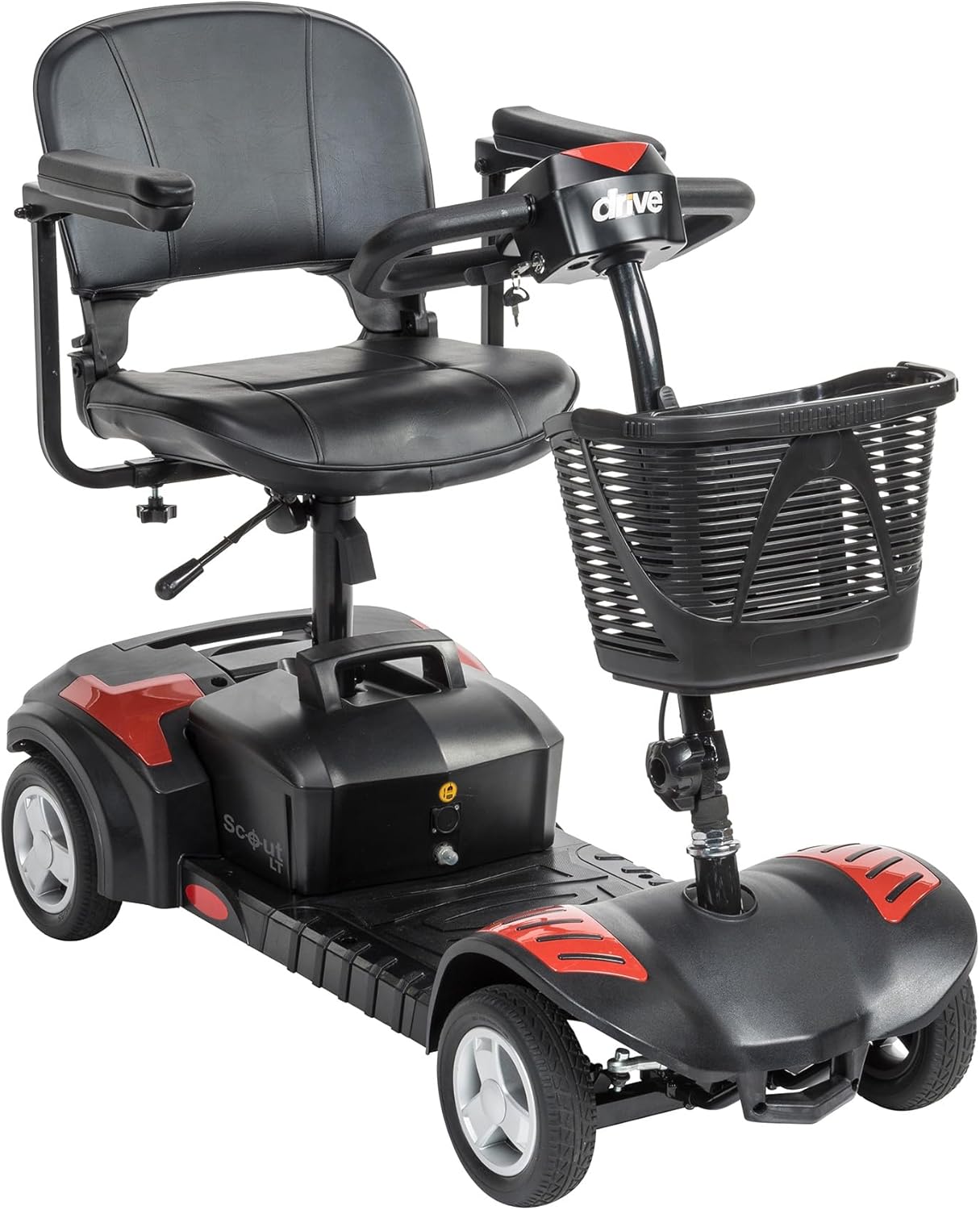
Electric Mobility Scooter

Page Magnifier Sheet
Air Cleaner vs Air Purifier is a useful comparison for older adults who want cleaner air at home. But the names can be confusing. Many products sold as air cleaners are also called air purifiers.
The real difference lies in how each device cleans the air. Filter type, room size, noise, and upkeep matter more than the name on the box.
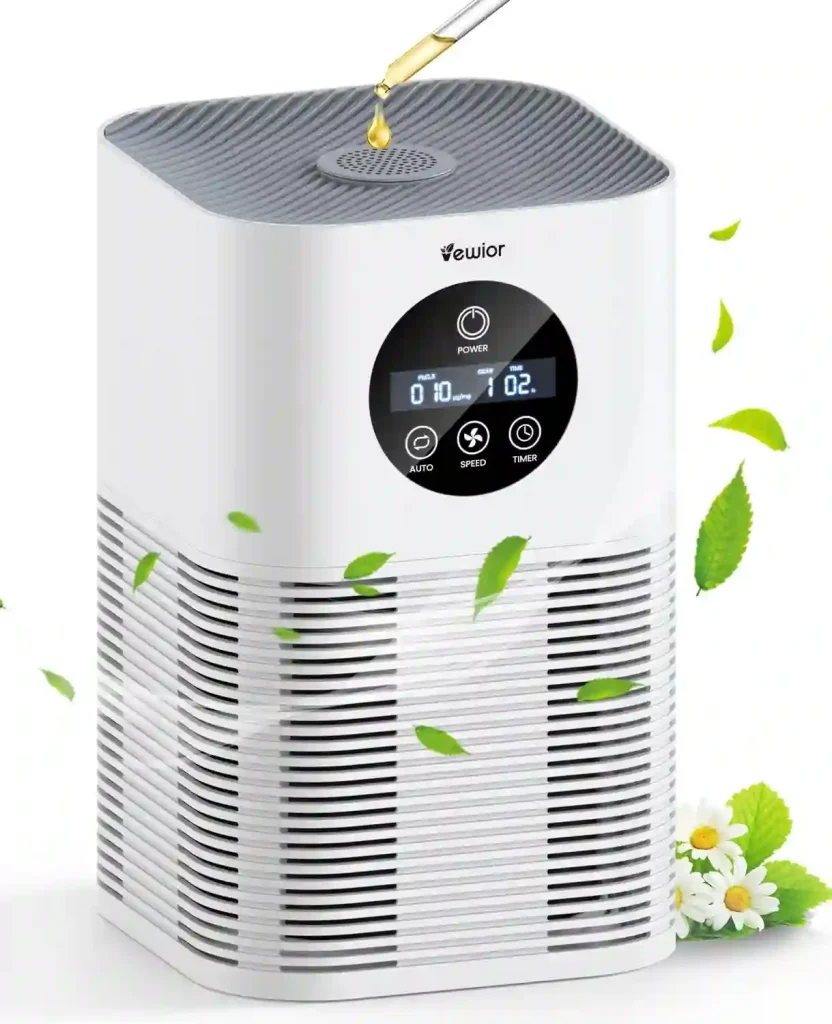
Air Cleaner vs Air Purifier — Quick Comparison
For most seniors, a portable air cleaner with a suitable HEPA filter is a practical choice for reducing airborne particles. An air purifier can be just as suitable if it offers the same useful features.
There is no clear winner based on the name alone. Compare the actual filtration system, clean air delivery rate (CADR), operating noise, and filter replacement cost before buying.
Air Cleaner vs Air Purifier at a Glance
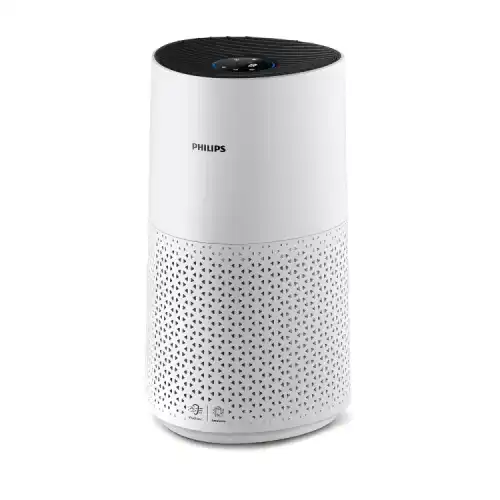
Both devices can help reduce airborne pollutants. The table below highlights what to check when comparing two specific models.
| Feature | Air Cleaner | Air Purifier |
|---|---|---|
| Main purpose | Cleans indoor air | Cleans indoor air |
| Particle removal | Depends on filter and design | Depends on filter and design |
| HEPA filter | Available on some models | Available on some models |
| Odor removal | Depends on carbon filtration | Depends on carbon filtration |
| Room coverage | Check CADR and rated room size | Check CADR and rated room size |
| Ease of use | Depends on controls and design | Depends on controls and design |
| Maintenance | Clean or replace parts as directed | Clean or replace parts as directed |
| Best choice | A model that meets your needs | A model that meets your needs |
Air Cleaner Review — What Seniors Should Know
An air cleaner draws indoor air through a filter or another cleaning system. Some models are designed for a single room, while others are built into a home’s heating and cooling system.
Ease of Use
A portable model can be simple to operate. Look for clear buttons, easy-to-read settings, and a filter cover that opens without much effort.
A model with a simple speed control may be easier to manage than one that relies on a phone app. A timer or automatic mode can also help reduce daily adjustments.
Key Strengths
- Can reduce airborne particles when properly designed and sized.
- Some models use HEPA filtration.
- Certain models combine particle filters with activated carbon.
- Portable units can be placed in a bedroom or living room.
Potential Drawbacks
- Filter changes add to long-term costs.
- Some units become noisy at higher fan speeds.
- Poorly sized models may not clean a room effectively.
- Electronic cleaning technologies may produce ozone, depending on the design.
A device’s actual performance matters more than its label. Check the manufacturer’s specifications before choosing one.
Air Purifier Review — What Seniors Should Know
An air purifier is another common name for a device that removes certain pollutants from indoor air. Portable air purifiers may use mechanical filters, activated carbon, or other technologies.
Ease of Use
A good air purifier should fit comfortably into your daily routine. Check whether its controls are easy to reach and understand.
If bending is difficult, consider a unit with accessible controls and a filter compartment that is easy to open. Check its weight before buying if you may need to move it between rooms.
Key Strengths
- HEPA models can capture fine airborne particles.
- Activated carbon may help remove certain gases and odors.
- Some models offer automatic operation and filter-change reminders.
- Portable units can provide filtration in a chosen room.
Potential Drawbacks
- Not every model has a HEPA filter.
- Carbon filters vary in their ability to remove gases and odors.
- Replacement filters can be costly or hard to find.
- Extra controls and smart features may make some models harder to operate.
Do not assume that a product removes every type of pollutant. A particle filter and a gas filter serve different purposes.
Which Is Easier for Seniors to Use?
Neither category is automatically easier. The design of the individual unit makes the difference.
For seniors who prefer simple controls, a basic model with clear buttons and a straightforward filter replacement process may be the best fit.
| Senior Need | What to Look For | Why It Matters |
|---|---|---|
| Easy controls | Large, clear buttons | Reduces confusion |
| Less bending | Accessible controls | Makes adjustments easier |
| Quiet operation | Low noise at useful speeds | Helps during rest |
| Easy maintenance | Simple filter access | Reduces physical effort |
| Easy movement | Manageable weight and a stable base | Makes placement easier |
A heavier model may be fine if it stays in one room. If you plan to move it often, weight and handles become more important.
Performance Comparison
The best device is the one that removes the pollutants you want to target at a suitable rate.
Particle Filtration
A HEPA filter is worth considering if your main concern is airborne particles such as dust, pollen, and smoke particles. Check the complete unit’s performance, not just the filter name.
Odors and Gases
For certain odors and gases, look for activated carbon or another filter specifically designed for the pollutant. A HEPA filter alone is not designed to remove most gases.
Room Coverage
Check the clean air delivery rate, or CADR, and the recommended room size. A higher CADR generally means the unit can deliver more filtered air. Remember that performance may be lower at quieter fan settings.
Comfort, Accessibility, and Senior-Friendly Design
A device that is difficult to maintain may not be used consistently. Before buying, consider how it will fit into the room and your daily routine.
- Noise: Check sound levels at the speed you expect to use.
- Controls: Choose settings that are easy to read and understand.
- Placement: Leave enough space around the air intake and outlet.
- Maintenance: Make sure filters are easy to access.
- Stability: Place the unit on a level surface where it will not obstruct walking paths.
For someone using a cane or walker, keeping cords away from walkways is especially important.
Features Comparison
Some features are useful, while others may add cost without solving your main problem.
| Feature | Practical Benefit | What to Check |
|---|---|---|
| HEPA filtration | Captures airborne particles | Filter and unit specifications |
| Activated carbon | Can reduce certain gases and odors | Carbon amount and intended use |
| Filter reminder | Helps track maintenance | Whether the reminder is easy to reset |
| Auto mode | Adjusts operation on supported models | Sensor type and control simplicity |
| Multiple speeds | Lets you balance noise and airflow | CADR at the speeds you use |
A simple device with suitable filtration may offer better value than a complicated model with features you rarely use.
Price, Maintenance, and Long-Term Value
The purchase price is only one part of the cost. Both air cleaners and air purifiers may require regular filter replacement, and some have additional maintenance needs.
| Cost Factor | What to Consider |
|---|---|
| Initial price | Compare models with similar performance |
| Replacement filters | Check cost and availability |
| Electricity | Consider daily running time |
| Maintenance | Follow the manufacturer’s schedule |
| Warranty | Review coverage and local service options |
Before purchasing, calculate the cost of replacement filters over a year. A cheaper unit may cost more to maintain if its filters are expensive or difficult to obtain.
Who Should Choose an Air Cleaner?
An air cleaner may suit you if:
- You want to reduce airborne particles in a particular room.
- You prefer a basic device with simple controls.
- You need a model that fits your room size and budget.
- You can find suitable replacement filters locally.
- You want a portable unit without unnecessary smart features.
The key is to compare the device’s filtration technology and performance, not rely on the words “air cleaner” alone.
Who Should Choose an Air Purifier?
An air purifier may suit you if:
- You want a portable unit for a bedroom or living room.
- You need HEPA filtration for airborne particles.
- You want activated carbon for certain odors or gases.
- You prefer features such as automatic operation or filter reminders.
- You have found a model with suitable performance and manageable upkeep.
An air purifier is not automatically more effective than an air cleaner. The specifications and design determine how well it meets your needs.
Air Cleaner vs Air Purifier — Final Verdict
There is no universal winner because the two terms often describe the same type of product.
- Best for most seniors: A well-sized portable unit with suitable filtration and simple controls.
- Best for airborne particles: A properly sized model with effective particle filtration, such as a suitable HEPA unit.
- Best for certain odors: A model with an appropriate activated carbon filter.
- Best for ease of use: The model with clear controls, manageable noise, and easy filter replacement.
- Best value: The model with adequate performance and affordable replacement filters.
Choose based on the pollutants you want to reduce, the room where you will use the device, and how easy it will be to maintain.
Scoring Summary
Because no specific models were provided, assigning numerical scores would be misleading.
| Category | Air Cleaner | Air Purifier |
|---|---|---|
| Ease of use | Model dependent | Model dependent |
| Particle filtration | Model dependent | Model dependent |
| Odor removal | Model dependent | Model dependent |
| Maintenance | Model dependent | Model dependent |
| Value | Model dependent | Model dependent |
These categories cannot be scored fairly without specifications for the actual devices being compared.
How We Evaluate Products
This comparison focuses on practical factors that matter when choosing an air-cleaning device for an older adult:
- Filtration type and intended pollutants
- Room coverage and CADR
- Control simplicity and noise
- Filter replacement and maintenance
- Purchase price and ongoing costs
- Placement, stability, and everyday convenience
The comparison uses product-category information rather than claiming hands-on testing of specific models.
Senior-Specific Buying Considerations
Before choosing either device, check these four things.
Physical Effort
Can you lift or move the unit comfortably? If not, choose a suitable location and keep the device there.
Controls
Are the buttons easy to read? Can you adjust the settings without needing a smartphone?
Maintenance
Can you remove and replace the filter safely? If not, ask a family member or caregiver to help.
Room Size
Make sure the model is suitable for the room where you plan to use it. Do not rely only on a large room-coverage claim; check the CADR and the conditions used for that rating.
Common Buying Mistakes
Avoid these mistakes when shopping for an air cleaner or air purifier.
- Choosing by name alone: Both terms can describe similar devices.
- Ignoring room size: A small unit may not clean a large room effectively.
- Overlooking filter costs: Check replacement prices before buying.
- Assuming HEPA removes odors: HEPA filtration targets particles, not most gases.
- Ignoring noise: A powerful fan may be too loud for comfortable use.
- Buying unnecessary features: Extra sensors and app controls may not be worth the added cost.
Safety Considerations
Safety matters when an air-cleaning device runs for hours each day.
The US Environmental Protection Agency advises avoiding air cleaners that intentionally produce ozone. Ozone can irritate the lungs, and ozone generators are not a safe choice for occupied rooms.
US EPA
+1
Also take these precautions:
- Keep electrical cords out of walking paths.
- Place the unit on a stable, level surface.
- Keep air intakes and outlets clear.
- Unplug the unit before cleaning it if the manufacturer instructs you to do so.
- Replace filters according to the manufacturer’s directions.
Air cleaning can support better indoor air quality, but it does not replace source control or suitable ventilation.
US EPA
+1
Frequently Asked Questions
Is an air cleaner the same as an air purifier?
Often, yes. The terms overlap, and both may describe portable devices that remove airborne pollutants. Check the actual filtration technology and performance.
Which is better for seniors?
Neither term guarantees a better product. Choose a model with suitable filtration, easy controls, manageable noise, and affordable replacement filters.
Does an air purifier remove dust?
A properly designed and sized air purifier can reduce airborne dust particles. It will not remove dust that has already settled on furniture or floors.
Is a HEPA filter better than an ordinary filter?
A suitable HEPA filter can capture very small airborne particles efficiently. However, the performance of the complete device, its airflow, and its room size rating also matter.
Can an air cleaner remove cooking smells?
Some can reduce certain odors if they contain an appropriate activated carbon filter. A particle filter alone is not designed to remove most gases.
Should seniors leave an air purifier running all day?
Continuous operation can increase the amount of air filtered. Follow the manufacturer’s instructions and choose a fan speed that balances filtration, noise, and energy use.
US EPA
+1
Conclusion
The main difference between an air cleaner and an air purifier is often the name, not the function. Both can help reduce airborne pollutants when they use suitable cleaning technology and are sized correctly for the room.
For seniors, the best choice is a device that is easy to operate, quiet enough for everyday use, and simple to maintain. Compare filtration, CADR, replacement filter costs, and safety features before deciding. Focus on what the device actually does rather than what the manufacturer calls it.
